Understanding Wengen as a luxury destination
The clientele Wengen attracts has historically included British aristocracy, European industrialists, and latterly a design-literate international set that chooses the village precisely because it resists the infrastructural noise of larger Alpine resorts. There are no motorways, no delivery lorries, no traffic sounds. The acoustic environment of Wengen is, by Alpine standards, exceptional.
Areas and orientations: where to stay in Wengen
The south-facing positions
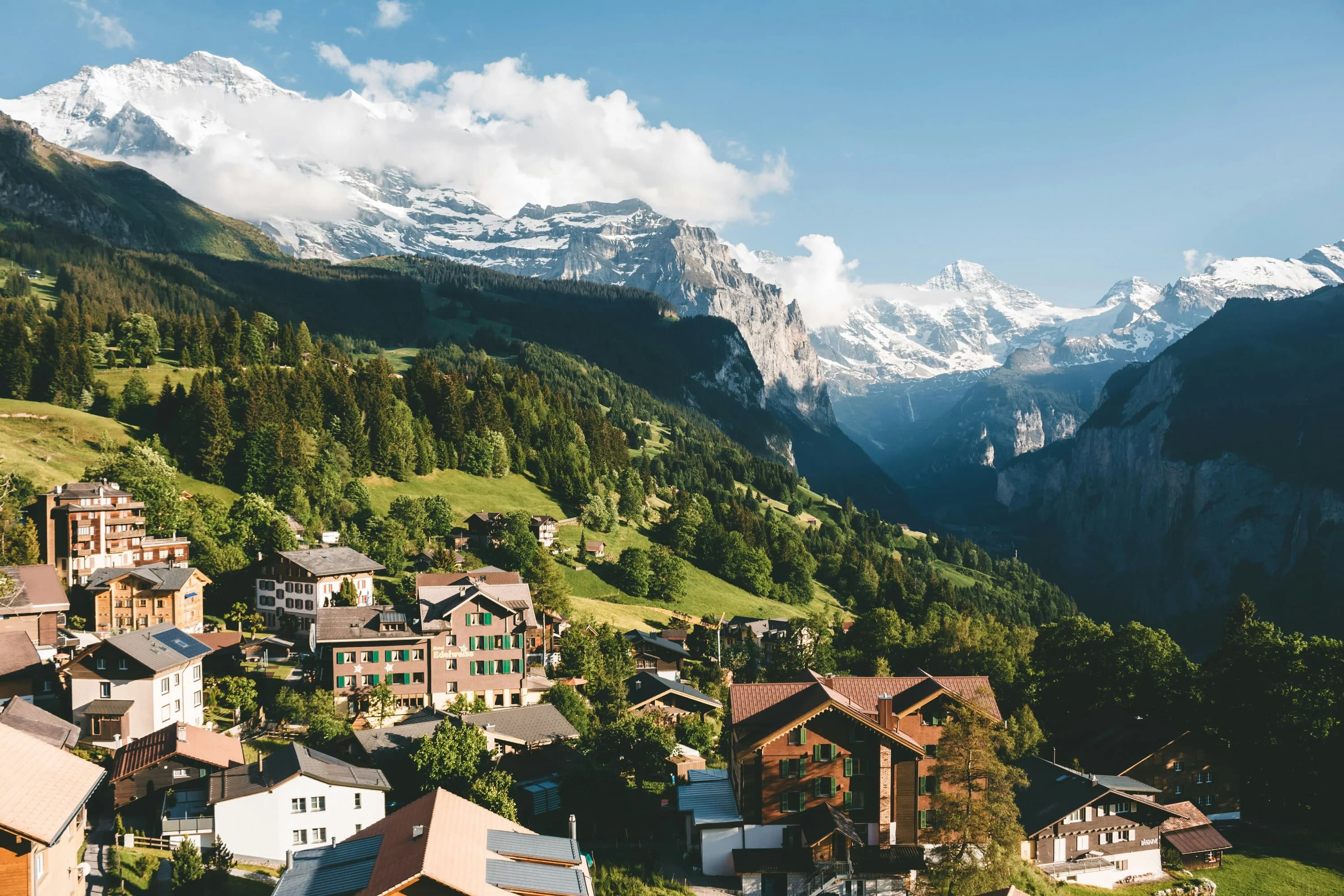
Properties positioned on the southern edge of the village benefit from maximum solar exposure and the most direct sightlines toward the Jungfrau massif. For a luxury hotel suite in this zone, morning light enters early and the panoramic relationship with the mountains is persistent throughout the day. These positions are the most sought after and the most architecturally deliberate among Wengen's better properties.
Village centre and the Bahnhofstrasse axis
The central zone around the railway station provides immediate access to the Wengernalp Railway and the network of hiking and ski trails. Suites in this area trade some of the panoramic exposure for proximity to the village's social fabric: its handful of specialist shops, its historic tennis club, and the informal choreography of arrival and departure that defines Wengen's daily rhythm.
Upper Wengen and the quieter perimeter
Properties on the upper fringes of the village, above the main pedestrian axis, offer greater seclusion. The trade is a steeper gradient on foot, but the reward is a reduced density of passing guests and a more residential quality of silence. For travellers prioritising privacy within an already private destination, this orientation is worth considering when selecting a luxury suite.
When to visit Wengen
Winter: January to March
The core winter season runs from late December through March, with the Lauberhorn ski races in January representing the most significant event in the Alpine racing calendar. Held annually since 1930, the Lauberhorn Downhill is the longest and one of the oldest races on the FIS World Cup circuit. Suite availability during race week contracts sharply, and rates reflect that compression. The weeks either side of the race offer full access to the ski area with a more contained social environment.
Summer: June to September
Wengen's summer identity is distinct from its winter one and, in the view of many long-term visitors, superior. The Jungfrau region's trail network opens fully from late June, with the Jungfraujoch (at 3,454 metres, the highest railway station in Europe) accessible year-round but most comfortably visited in summer. The Wengen Tennis Weeks in July draw a consistent international crowd. Suite rates in summer are generally lower than peak winter, and the village population is smaller.
Shoulder seasons
April through May and October through November represent the traditional closing periods for many properties. Serious travellers who time visits to early June or late September encounter optimal trail conditions, reduced occupancy, and a quality of light particular to high-altitude autumn that is, photographically and experientially, among the most precise in the Alps.
Local luxury standards: what to expect from top-tier suites in Wengen
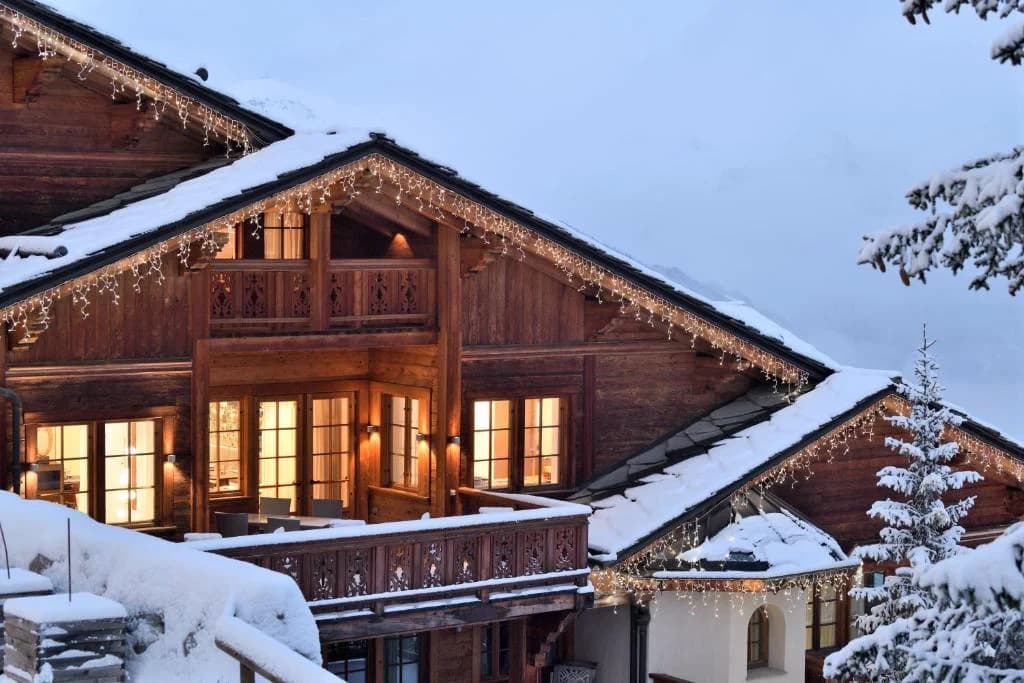
Switzerland does not operate a formal palace hotel classification in the manner of France, but the Swiss Leading Hotels of the World designation and the membership criteria of Relais and Châteaux both function as relevant proxies for quality in the Wengen context. The luxury hotel standard in Wengen reflects the village's inherited identity: properties tend toward the architectural vernacular of the Bernese chalet tradition, with carved timber facades, pitched roofs, and interior volumes calibrated for warmth rather than spectacle.
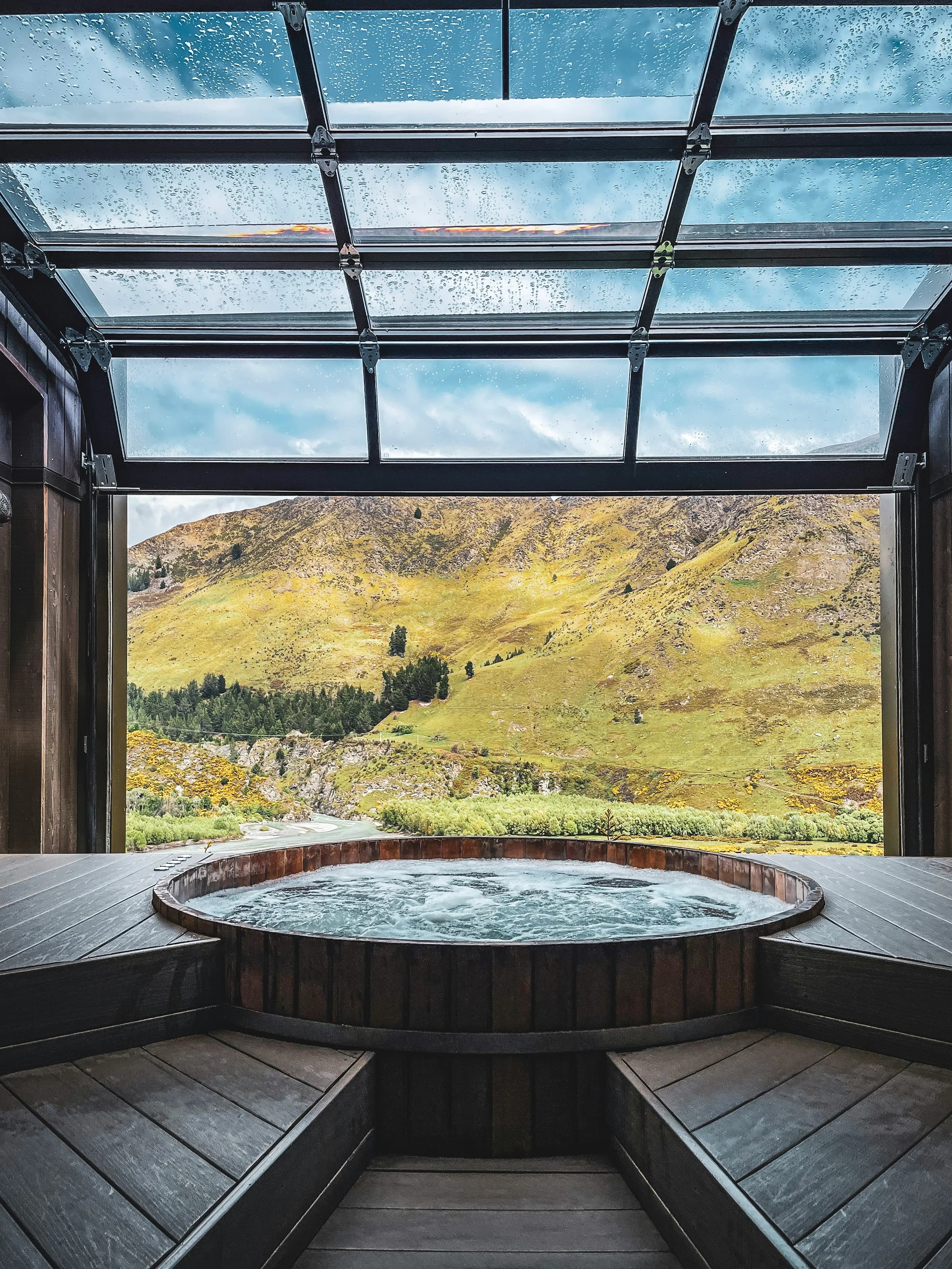
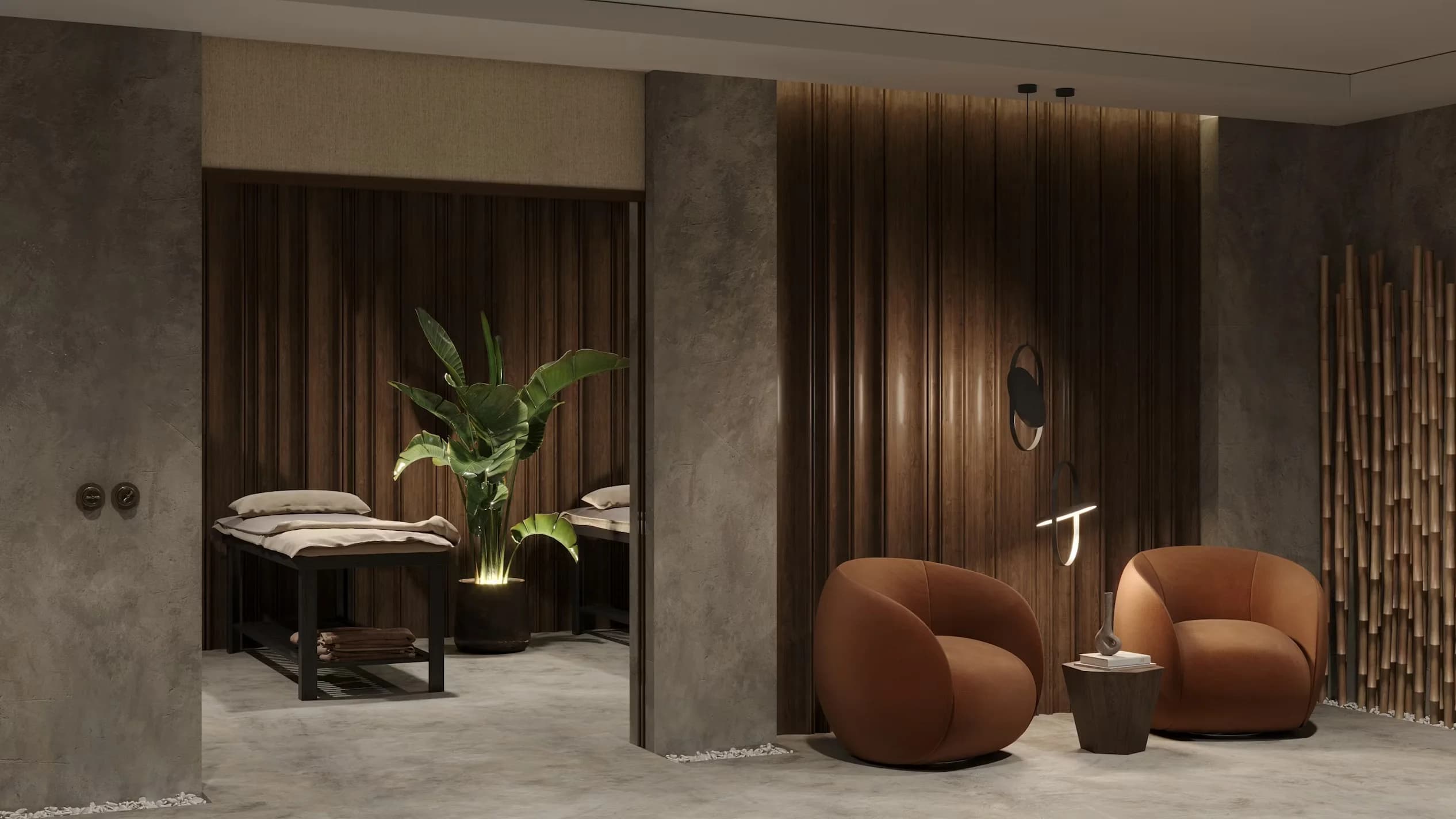
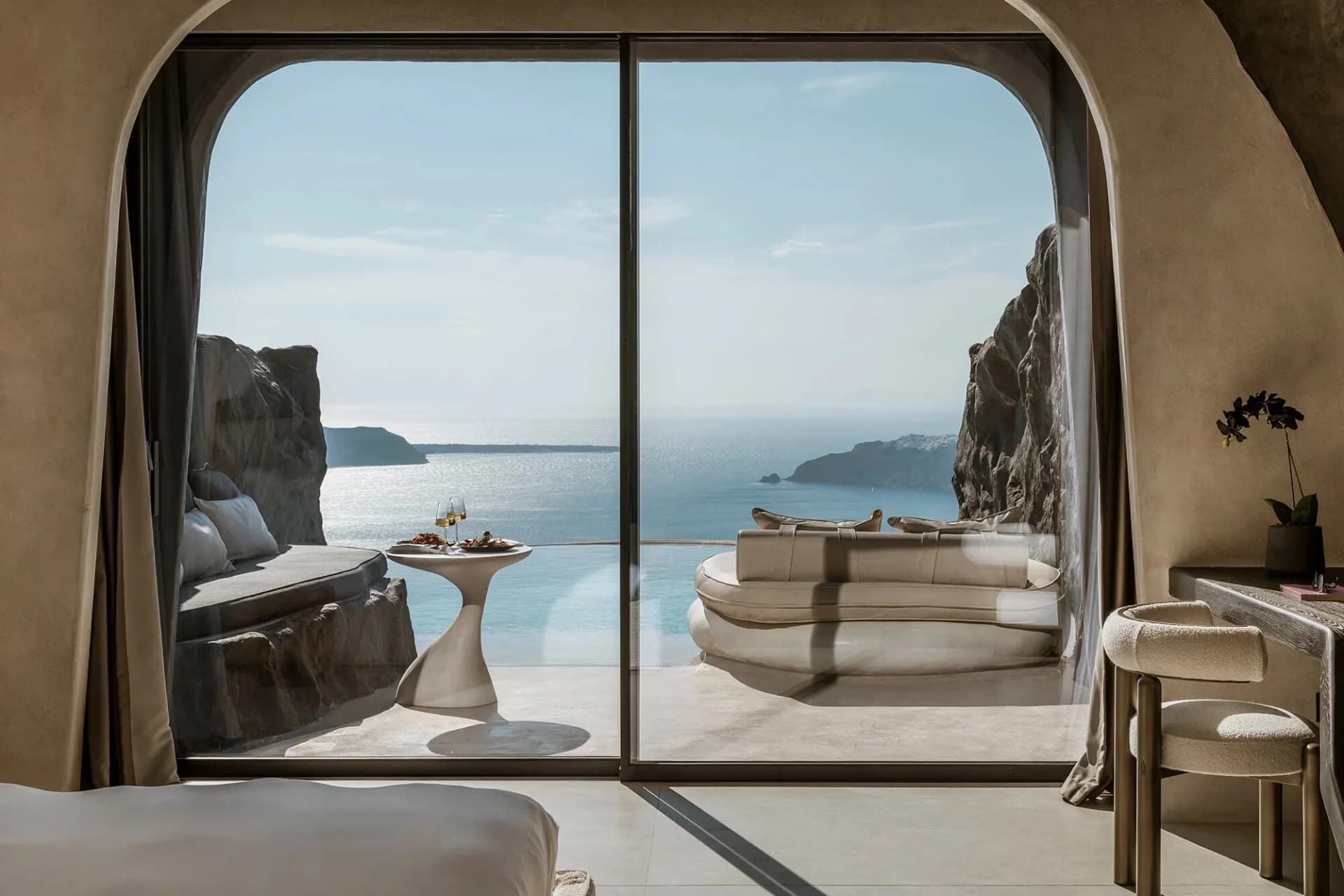
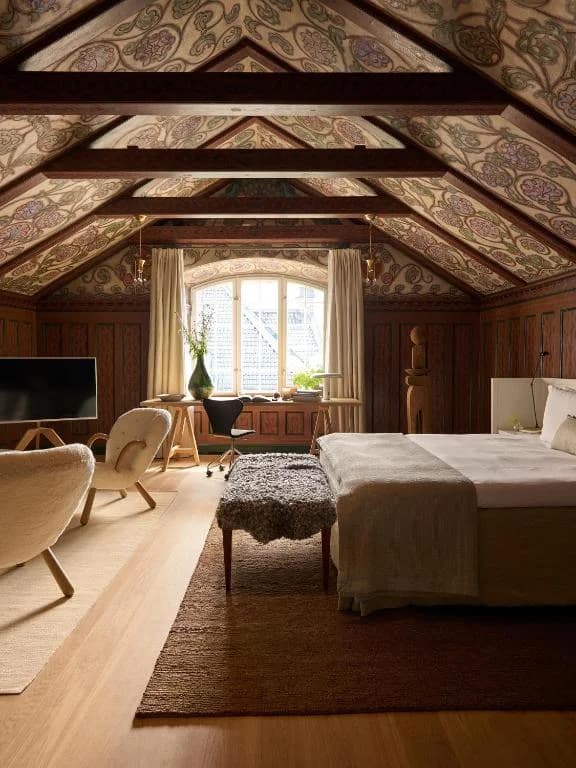
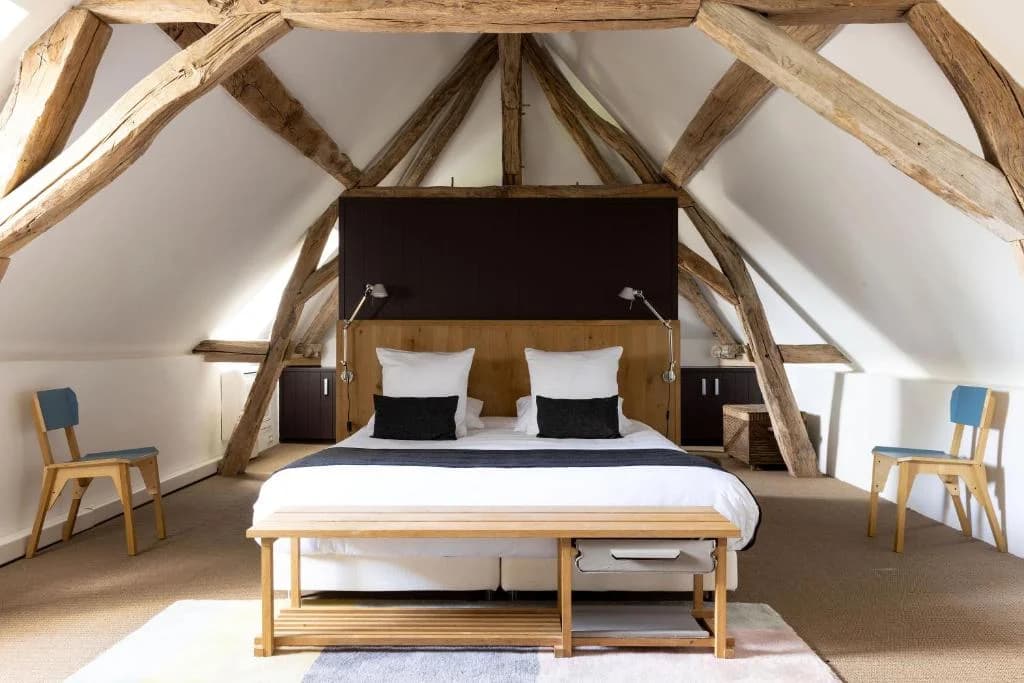
Top-tier suites in Wengen typically feature: direct mountain views from bedroom and terrace, materials drawn from local craft traditions (hand-hewn timber, natural stone, wool textiles), in-room fireplace configurations, and spa access integrated within the property rather than outsourced. Given the altitude and the physical character of winter visits, hydrotherapy and recovery-focused wellness provision is a meaningful differentiator between properties at this level.
Service ratios in Wengen's better properties are high relative to room count. The village's size limits labour supply, which in practice means that properties maintaining genuine hospitality standards do so with a degree of operational deliberateness that larger resort towns cannot replicate.
How to choose the right suite in Wengen
Orientation and altitude within the property
Within a single property, suite altitude matters. Upper-floor suites in Wengen's chalet-format hotels often clear the rooflines of adjacent structures and achieve unobstructed northward views toward the Eiger face. Request specific floor and orientation data before confirming; this is not a precaution but a precision.
Seasonal fit
A suite designed for winter use, with heavy textiles, enclosed terrace glazing, and proximity to ski storage, will feel different in July. Conversely, properties that position themselves as year-round destinations often configure suites with convertible terrace arrangements and lighter interior palettes for summer occupancy. Knowing which season a suite was primarily designed for is a practical input to the selection process.
Access and physical logistics
Wengen is reached by rack railway from Lauterbrunnen, which itself is reached by road or rail from Interlaken. Heavy luggage management is a real operational consideration. Properties with porter services and direct railway-to-hotel transfer protocols are meaningfully more comfortable for multi-week stays or families travelling with equipment.
Why curation matters in Wengen
Wengen has a small but stratified hotel landscape. The difference in quality between properties within the same price band can be significant, and the factors that determine that difference (view corridor, suite ceiling height, proximity to noise sources, wellness provision) are not reliably communicated by standard booking interfaces.
La Suite's curated selection for Wengen applies the same editorial criteria used across its global inventory: verified physical quality, demonstrable service standard, and a spatial logic that justifies the suite designation. In a village where the number of exceptional suites is finite, precision in selection is not a luxury. It is the point.