The distinct areas of Edinburgh for luxury stays
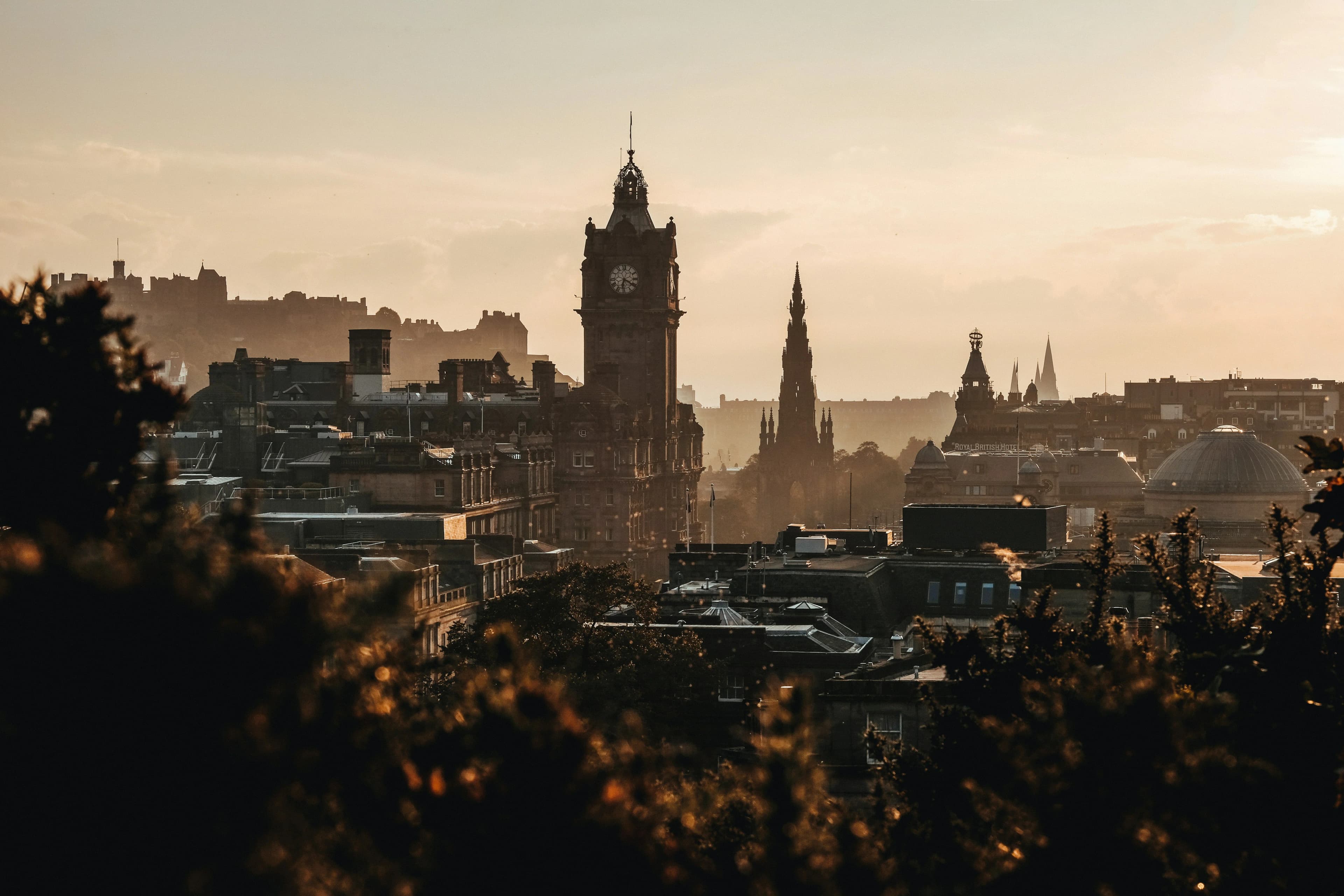
The Old Town runs along the Royal Mile from Edinburgh Castle down to the Palace of Holyroodhouse. Its closes and wynds are dense with history, and hotels here tend to occupy buildings of genuine architectural weight: former banks, merchant townhouses, and Victorian civic structures. A luxury hotel suite in this part of the city places guests within walking distance of the National Museum of Scotland and the Scottish Parliament, with the drama of the volcanic crag always present in the sightlines.
The New Town, laid out from the 1760s onwards, offers a different register entirely. The neoclassical grid of Charlotte Square, George Street, and Queen Street delivers some of the finest Georgian streetscapes in Europe. Luxury hotels in this district tend to emphasise formal interiors, private gardens, and a quieter, more residential pace. Suites in these properties often retain original plasterwork and proportioned windows that no contemporary build can replicate.
Stockbridge and the Dean Village, further west along the Water of Leith, attract travelers seeking a more intimate scale. Boutique properties here trade on proximity to galleries including the Scottish National Gallery of Modern Art and access to the riverside walk. The Leith waterfront, now a destination in its own right, houses design-forward hotels oriented toward the harbour, with suites that face the Firth of Forth.
Discover our top 5 suites in Edinburgh!
When to visit Edinburgh for a luxury suite stay
Edinburgh's seasons each carry a distinct social and cultural weight, and the timing of a visit materially affects both availability and atmosphere.
August is the single most compressed period in Edinburgh's calendar. The Edinburgh International Festival, the Edinburgh Festival Fringe, and the Edinburgh Military Tattoo run simultaneously, filling the city with performers, critics, and culturally engaged visitors from across the world. Suite availability tightens considerably, and rates reflect the demand. For travelers who want to engage with this energy directly, advance booking of six to twelve months is standard for the best properties.
September and October bring cooler light, emptier streets, and the particular quality that Edinburgh's stone architecture seems designed to absorb. The city's whisky scene, gallery programming, and restaurant culture operate without the August compression. For travelers who prioritise privacy and unhurried access, this is arguably the most rewarding window.
December carries its own logic. The Christmas market on East Princes Street Gardens and Hogmanay, the Scots New Year celebration running from 30 December to 1 January, draw significant international visitor numbers. Luxury hotels programme accordingly, with dedicated experiences and extended stays.
Spring, from late March through May, offers the most consistently photogenic conditions: long northern light, the Princes Street Gardens in flower, and cultural institutions reopening seasonal exhibitions.
Local luxury standards: what to expect from top-tier suites in Edinburgh
Scotland does not operate under the French Palace hotel classification, but the country's five-star hotel sector is regulated by VisitScotland, whose grading criteria are among the most rigorous applied by any national tourism body in Britain. Properties carrying a five-star VisitScotland rating have been assessed against standards that cover physical fabric, service delivery, and consistency across all areas of operation.
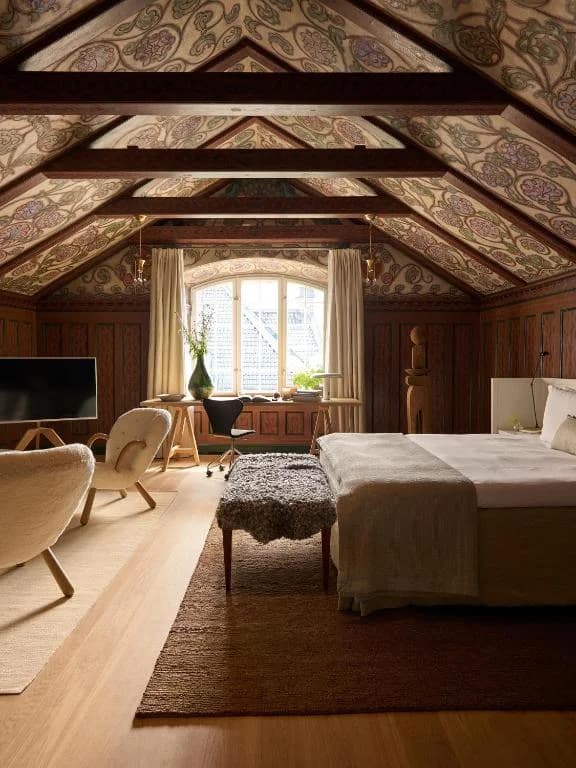
The best luxury hotel suites in Edinburgh share several characteristics. First, architectural integrity: Edinburgh's protected built environment means that the most prestigious addresses occupy listed buildings, and the suites within them carry the proportions and materials of their original construction. Second, a considered relationship with Scottish craft: leading properties commission locally made textiles, source whisky from specific distilleries, and apply food and beverage programmes rooted in Scottish larder produce including game, shellfish, and aged beef. Third, spatial generosity: Edinburgh's Georgian townhouse conversions in particular yield suites with ceiling heights and window scales that a purpose-built hotel cannot reproduce.
Service expectations at this tier include dedicated butler access, private dining within the suite, and concierge teams with meaningful relationships across the city's cultural and gastronomic infrastructure.
How to choose the best luxury suite in Edinburgh
The primary decision is architectural: historic or contemporary. Edinburgh's most prestigious luxury hotels are almost entirely housed in historic buildings, but the interior language varies considerably between those that lean into period detail and those that have imposed a modern design sensibility onto a classical shell. Neither is superior in absolute terms. The choice depends on whether the traveler wants the suite itself to feel continuous with the city's history or to offer a contrasting, more neutral environment.
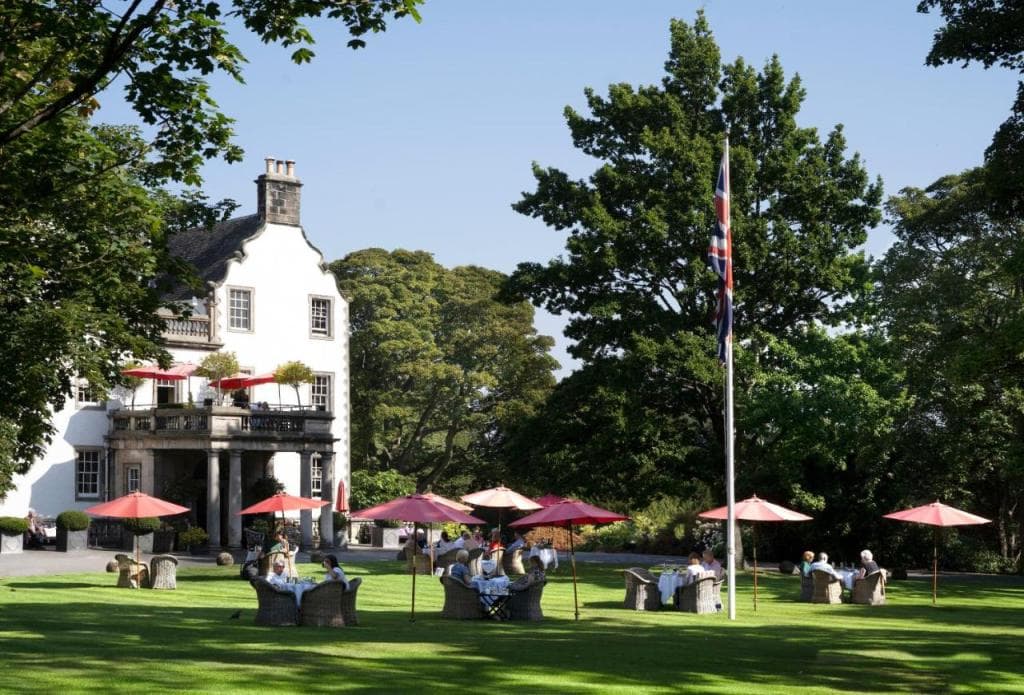
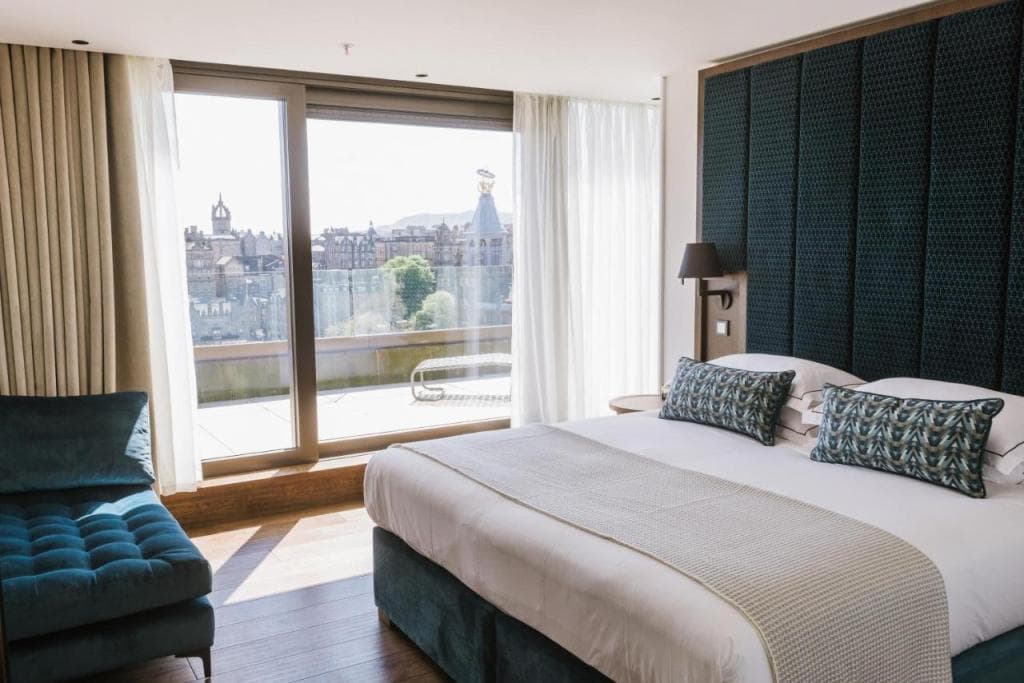
View is a functional consideration, not a cosmetic one. Suites facing Edinburgh Castle command premium positioning for a reason: the castle's floodlit presence at night and its commanding silhouette by day create a persistent visual anchor that shapes the entire stay. Suites facing private gardens offer a different quality, one of enclosure and green quiet that is particularly valued in August when the city is at its most dense.
Suite size should be evaluated against programme. Edinburgh rewards walking, and a traveler filling days with gallery visits, whisky experiences, and long meals will spend relatively little time in the suite during daylight hours. For those planning more residential stays, particularly over Hogmanay or during the Festival, a suite with a separate sitting room and dining capacity for private entertaining becomes operationally significant.
Proximity to specific institutions matters. The Scottish National Portrait Gallery, the Royal Scottish Academy, and the City Art Centre are not interchangeable with each other, and travelers with specific cultural itineraries should map suite location accordingly.
Why a curated selection by La Suite is the most efficient approach
Edinburgh has a relatively concentrated luxury hotel market compared to London or Paris, but the variation within that market is significant. Properties range from converted Georgian townhouses on quiet squares to former railway hotels on Princes Street, to design-led boutique addresses in Leith. Each category offers a fundamentally different experience, and the difference is not legible from a standard booking interface.
La Suite's curation applies editorial judgment to this selection: which properties have suites with genuine architectural distinction, which have service infrastructure that matches the room quality, and which offer the kind of cultural positioning that a discerning traveler expects. The result is a filtered shortlist that removes the noise of undifferentiated inventory and surfaces the addresses where Edinburgh's particular character is most fully expressed from within a luxury suite.