Where to stay in London for a luxury suite experience
Mayfair and St James's
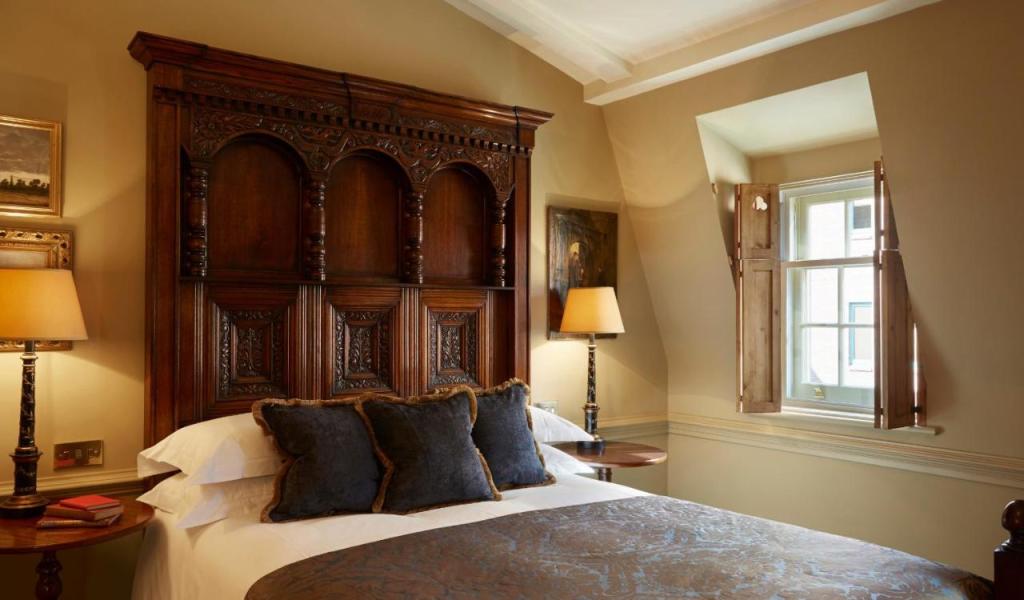
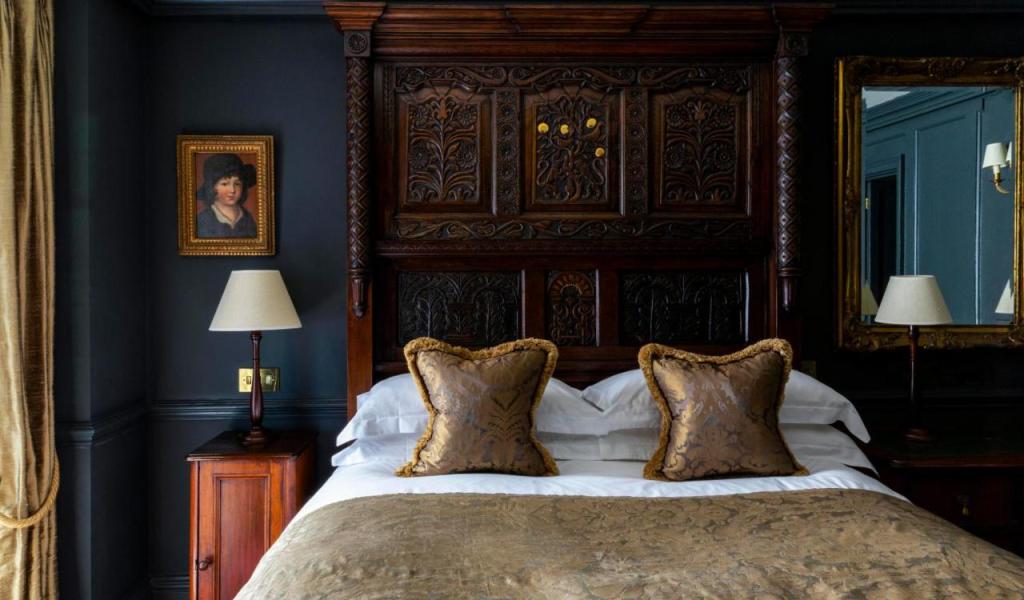
This is the canonical address for high-end travel in London. The streets between Grosvenor Square and Piccadilly represent one of the most concentrated accumulations of fine hotels in Europe. Georgian townhouse conversions sit alongside purpose-built grand hotels, and the suites here tend toward the formal: high ceilings, antique furnishings, and windows that frame a city operating at its most composed. Proximity to Cork Street galleries, private members' clubs, and the boutiques of Mount Street makes this a logical base for travelers whose itinerary combines culture with commerce.
Knightsbridge and Chelsea
Residential in character, this stretch of southwest London carries a quieter confidence. The luxury hotel offer here skews toward discretion: smaller room counts, attentive staffing ratios, and suites that prioritise domestic comfort over theatrical scale. Travelers who prefer a sense of neighbourhood over the spectacle of a grand lobby will find this corridor suits them well. Access to the Chelsea Physic Garden, the Saatchi Gallery, and the Royal Hospital grounds adds a particular texture to days spent here.
The South Bank and Southwark
A different proposition entirely. The regeneration of London's south bank has produced a hospitality landscape that leans into industrial heritage: converted printworks, former power stations, and Victorian warehouses now house some of the city's most architecturally interesting hotel projects. Suites in this zone tend toward the contemporary, with views across the Thames toward St Paul's and the City skyline. The Tate Modern, Borough Market, and Shakespeare's Globe are within walking distance, making this a compelling choice for culturally focused stays.
The City and Shoreditch
For travelers whose London is defined by the financial and creative industries, the corridor running from the Square Mile into Shoreditch offers a concentrated version of the city's current energy. Hotels here have emerged relatively recently and bring a design-forward sensibility. Suites tend to be modern in execution, with an emphasis on workspace functionality alongside aesthetic ambition. The evening offer, from the restaurant scene around Spitalfields to the cocktail bars of Hoxton, is dense and serious.
When to visit London for a suite stay
London functions year-round as a luxury destination, but the experience varies considerably by season.
Spring, from March through May, offers the city at its most visually resolved: the parks come into form, the cultural calendar fills, and hotel rates have not yet reached their summer peak. This is a period of particular value for suite bookings, with availability typically broader than in the high summer months.
Summer, from June through August, brings international demand to its highest point. Wimbledon, the Chelsea Flower Show, Glyndebourne, and the summer exhibition season at the Royal Academy all compress availability at the top end of the market. Suite rates at the finest addresses rise accordingly, and advance booking becomes a practical necessity rather than a preference.
Autumn, from September through November, represents a second inflection point. The art fair season, led by Frieze London in October, draws a specific and high-spending audience. Hotels in Mayfair and Regent's Park proximity see particular demand during this period. The light and temperature of early autumn also make this among the most pleasant periods to move through the city on foot.
Winter, from December through February, carries its own logic. The Christmas and New Year period sees central London hotels at capacity, while January and February offer the city in a more contemplative register, with rates softer and the museum and theatre offer as strong as at any point in the year.
Understanding London's luxury hotel standards
London does not operate the French Palace designation system, but the market has its own hierarchy, legible to those who know how to read it.
The Forbes Travel Guide five-star rating and the AA five-red-star designation function as the primary quality benchmarks at the top of the market. Beyond these formal certifications, London's finest hotels are often defined by tenure: properties that have maintained consistent standards across decades carry a form of institutional authority that newer openings must work to establish.
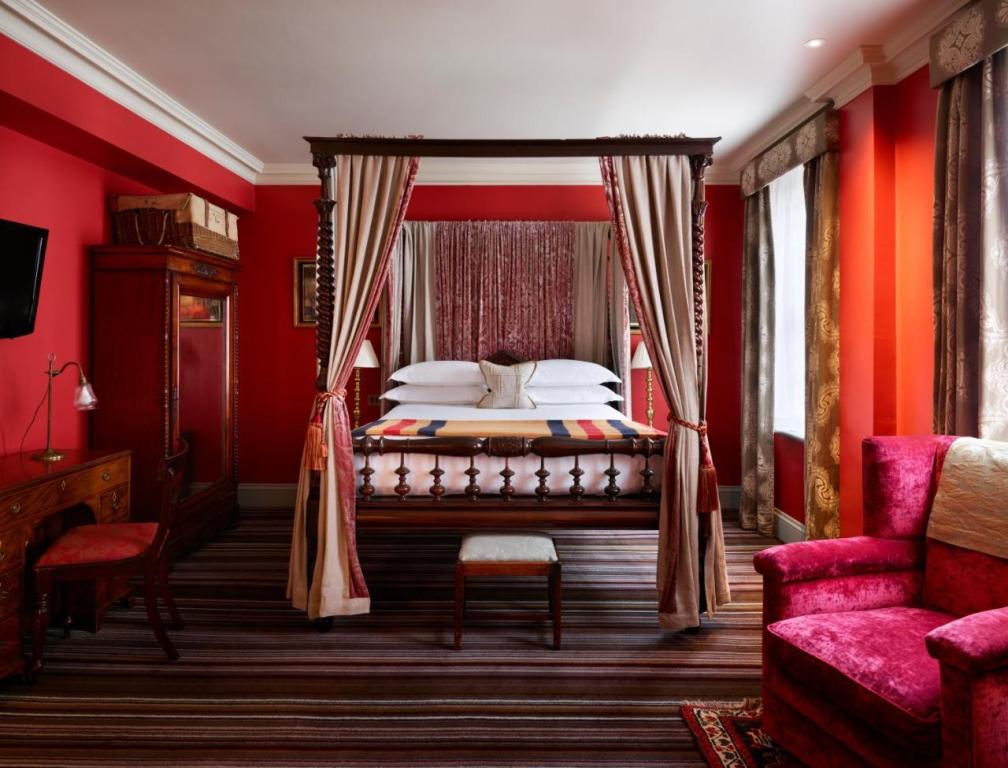
The concept of the London suite has its own internal grammar. At the historic grand hotels, suites frequently occupy corner positions with dual-aspect views, and the dimensions reflect Victorian and Edwardian proportions that modern construction rarely replicates. At newer design-led properties, suites are more likely to foreground technology integration, custom furniture commissions, and a deliberate curation of local art.
Butler service remains a genuine differentiator at the city's most serious addresses. In London's top-tier hotels, this means not simply in-room dining coordination but active anticipation of guest requirements: theatre reservations, specialist procurement, and the kind of institutional knowledge that only sustained investment in staff development produces.
How to choose the right suite in London
The first consideration is architectural preference. London's hotel stock spans roughly two centuries of construction, and the choice between a Georgian townhouse conversion, a Victorian grand hotel, an Edwardian palace-format property, and a twenty-first century design hotel is fundamentally a question of spatial sensibility. Each typology offers a different relationship between guest and city.
The second consideration is location relative to purpose. London is a large and complex city, and the friction of movement between districts is real. A suite in Mayfair is not equivalent to a suite in Shoreditch for a traveler whose time is split between the two: the geography imposes costs. Selecting an address with genuine proximity to the activities that matter most to a specific trip is a more reliable path to satisfaction than defaulting to a prestigious postcode.
The third consideration is suite category. London's major hotels typically offer a range from junior suites through to signature and penthouse configurations. The difference in spatial experience between a junior suite and a one-bedroom suite is significant: the latter introduces genuine living room separation, which transforms the quality of a multi-day stay.
Why a curated selection matters in London
London lists more hotels than any traveler can evaluate independently, and the marketing language across the sector has become increasingly uniform. The practical challenge is not finding a luxury hotel. It is identifying which properties, at which suite category, genuinely deliver what they represent.
La Suite approaches London with a framework built on direct knowledge of properties rather than aggregated review data. The curation reflects specific criteria: architectural integrity, spatial generosity, service consistency, and the degree to which a suite functions as a coherent private environment rather than an elaborated hotel room.
For travelers whose time and expectations are both finite and precise, this distinction carries weight. The curated selection by La Suite removes the noise from a market that produces considerable noise, and replaces it with a set of addresses that have earned their place through criteria that align with how a discerning traveler actually experiences a stay.