Why Mayfair remains London's most deliberate address for suite travel
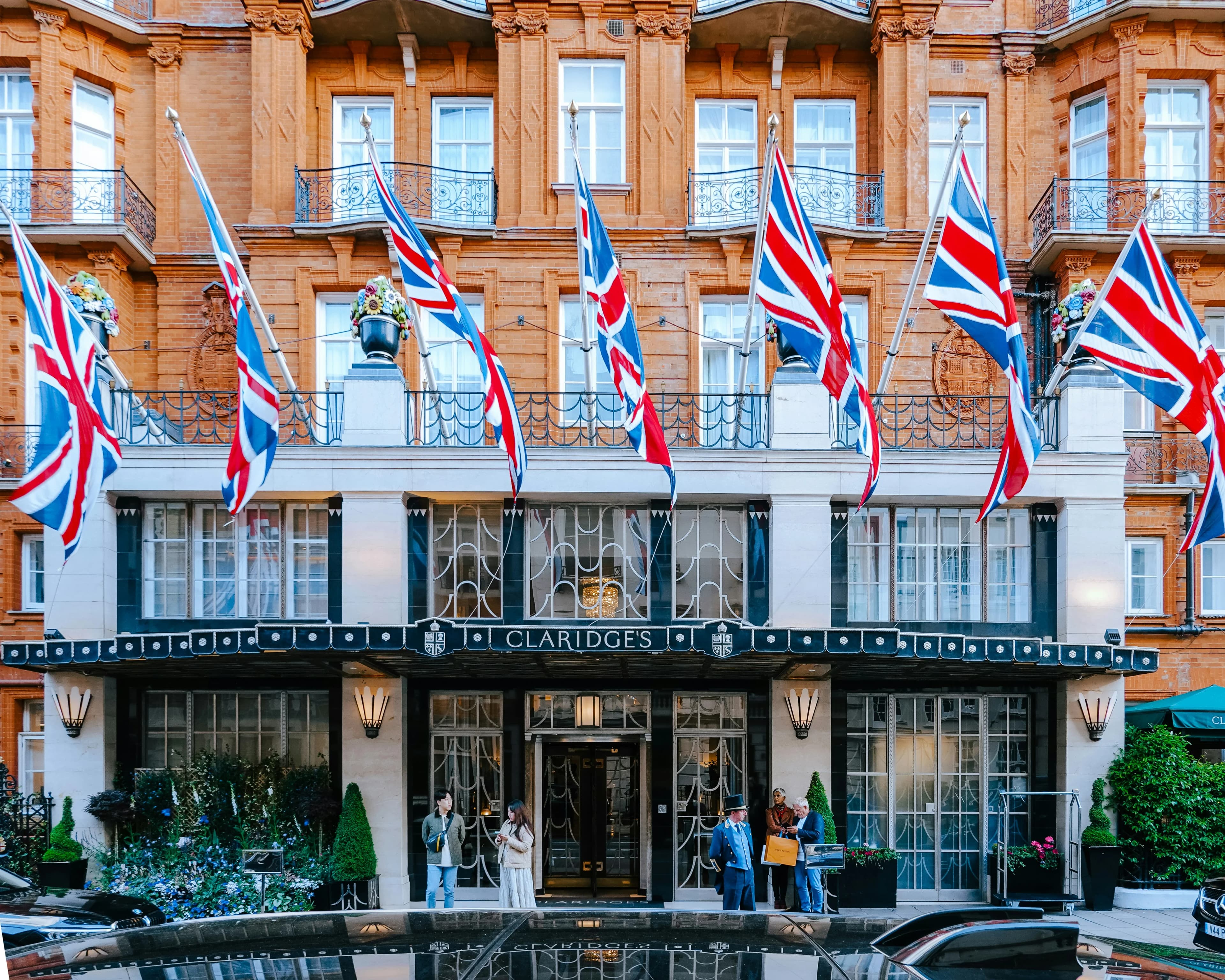
The neighbourhood's residential character also means that hotel density is lower than in areas like Covent Garden or South Bank. Properties here tend to be smaller, more considered and more attentive to the individual guest. A luxury suite in Mayfair is rarely anonymous. The ratio of staff to guests, the calibre of in-room materials and the discretion of service all reflect a local tradition of accommodating people who value privacy as a primary luxury.
Distinct areas within Mayfair: where to position yourself
North Mayfair: Grosvenor Square and the American district
The northern section of Mayfair, centred on Grosvenor Square, carries a more institutional weight. Wide streets, significant architecture and proximity to Oxford Street give this zone a slightly more open character. Hotels here tend to suit travelers who want scale alongside discretion, and who appreciate the easy access to both the West End and the business district of the City.
South Mayfair: Curzon Street, Shepherd Market and the quieter core
South Mayfair is arguably the district's most residential pocket. Shepherd Market, a small enclave of narrow lanes and 18th-century buildings, retains a pace entirely at odds with central London's general velocity. Curzon Street connects this area to the broader neighbourhood's gallery and dining culture. A luxury hotel suite positioned here places the guest within a five-minute walk of both Michelin-starred restaurants and the relative silence of streets that see little tourist traffic.
East Mayfair: Berkeley Square and Cork Street
Berkeley Square, with its famous plane trees and the surrounding concentration of art galleries on Cork Street, defines Mayfair's cultural and commercial centre. This is where the neighbourhood's reputation for understated connoisseurship is most legible. Properties on or near Berkeley Square offer proximity to London's primary contemporary art market, to private auction rooms and to a cluster of dining rooms that attract a genuinely international clientele.
When to stay in Mayfair: seasons and the London luxury calendar
London operates year-round as a destination, but Mayfair follows a more specific rhythm rooted in the traditional social calendar. The late spring and early summer period, broadly from May through July, corresponds to what was historically the London Season. During this time, the neighbourhood reaches peak animation: art fairs including Frieze London (held in October) and major auction weeks at Sotheby's and Christie's on New Bond Street draw serious collectors. The Royal Academy Summer Exhibition, which opens in June, is a consistent fixture for culturally engaged visitors.
September and October represent a secondary peak, with the return of the cultural season after August. Hotels in Mayfair during these months are in strong demand from international business travelers, art buyers and those attending the London Film Festival. Winter, by contrast, offers a different quality of stay. The neighbourhood quiets considerably, prices for luxury hotel suites tend to be more negotiable, and the experience of walking the quiet squares in December carries its own particular atmosphere.
High summer in August is when Mayfair is most noticeably emptied of its resident population, which can translate to a calmer, more private experience for visitors, though some of the more intimate restaurants and clubs reduce their service during this period.
Understanding London's luxury hotel standards in a Mayfair context
The United Kingdom does not operate a formal Palace designation in the manner of France's official classification. However, London's luxury hotel market has its own internal hierarchy, and Mayfair sits at its apex. Properties here are assessed against global standards of service and design, and the district's historic buildings impose their own constraints and opportunities on interior design.
Many of Mayfair's finest hotels occupy converted Georgian or Edwardian townhouses, which means that luxury suites are often configured around original architectural features: high ceilings, deep sash windows, original cornicing and fireplaces that have been carefully integrated into contemporary interiors. This produces a particular aesthetic register that is distinct from the glass-and-steel luxury of newer global developments. The best suites in Mayfair tend to balance historical structure with modern material quality, combining period proportions with current standards in bathroom specification, climate control and connectivity.
Travelers accustomed to the vertically stacked suites of New York or Dubai should approach Mayfair's luxury hotel offer with adjusted expectations. The experience here is horizontal rather than vertical, intimate rather than monumental, and deeply embedded in the fabric of a living neighbourhood.
How to choose the right suite in Mayfair
Given the district's compact geography, position within Mayfair matters less than it might in a sprawling city. The primary consideration for suite selection here is architectural context. A guest who values the sensory experience of historical interiors will prioritise differently from one who requires the clean spatial logic of contemporary design. Both exist within Mayfair, often within a few streets of each other.
Secondary considerations include proximity to specific interests. Travelers focused on art and auction will orient toward the Berkeley Square and New Bond Street axis. Those prioritising dining will find the Curzon Street and Shepherd Market area more immediately rewarding. For guests whose primary focus is Hyde Park access, the western edge of the district, near Park Lane, offers direct connectivity to one of London's largest green spaces.
Suite size in Mayfair is worth examining carefully. The Georgian building stock imposes ceiling heights and floor plate dimensions that differ from purpose-built hotels. A suite described as large within a converted townhouse may still feel more intimate than an equivalent designation in a newer property. This is not a limitation. For many guests, it is precisely the quality they are seeking.
Why a curated selection by La Suite changes the decision
Mayfair contains a concentration of luxury hotel properties that is high relative to its geographic footprint. The density of options, combined with the significant variation in architectural context, service philosophy and interior approach, makes the selection process genuinely complex for even experienced travelers.
La Suite applies a consistent editorial framework to this market. Each property in our Mayfair selection is assessed against criteria that go beyond star ratings and square footage: the quality of natural light in suite interiors, the coherence of service across different hours, the calibre of in-room material choices and the degree to which a property understands its own neighbourhood. The result is a curated selection that removes the noise and surfaces the suites that will actually deliver against the expectations of a discerning traveler. This is the specific value La Suite brings to one of London's most competitive and consequential luxury markets.