Where to stay in Northern Ireland for a high-end suite experience
The Causeway Coast and Glens of Antrim
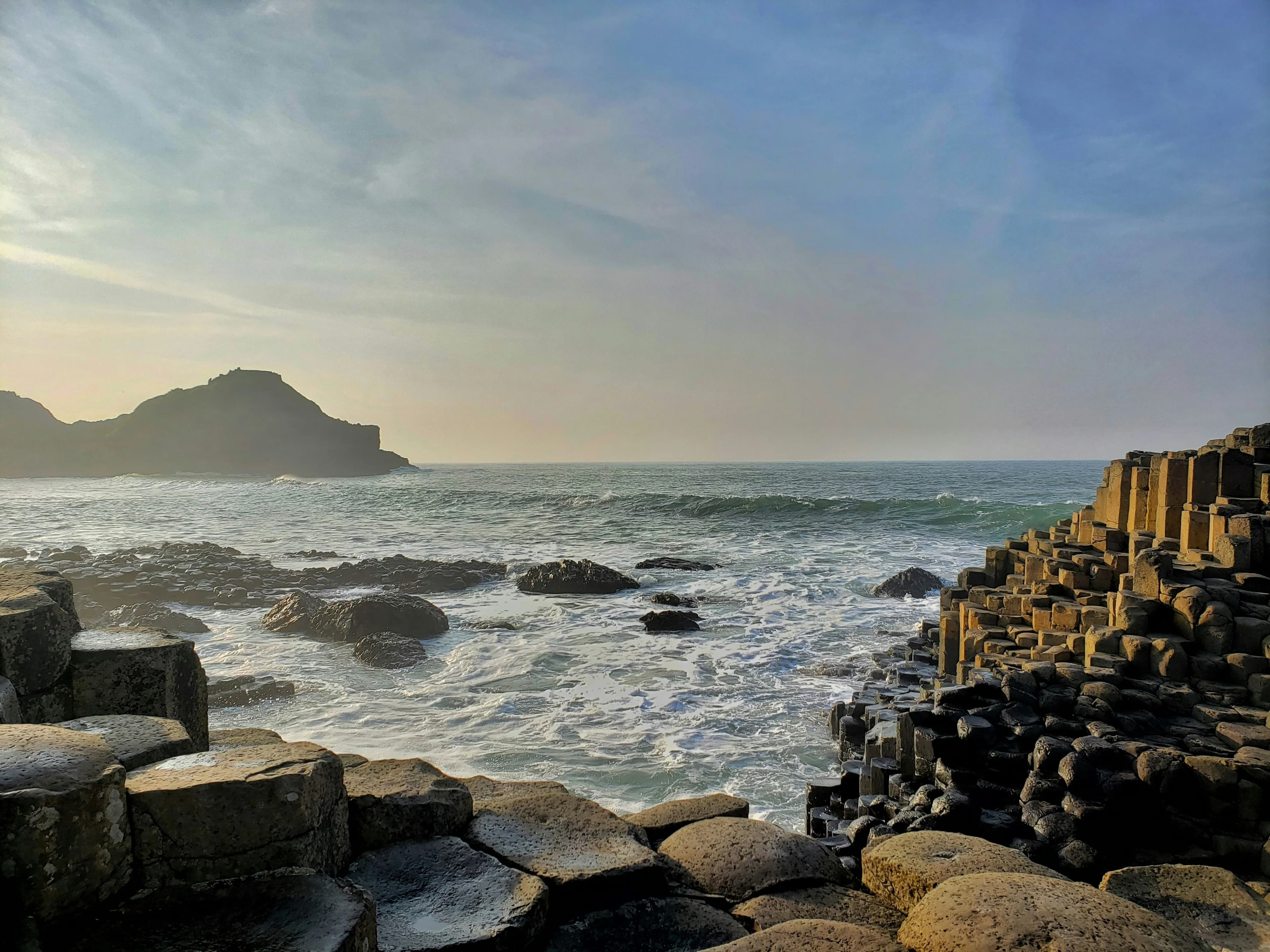
The northeast coastline is the region's most architecturally dramatic corridor. The Giant's Causeway, a UNESCO World Heritage Site of approximately 40,000 interlocking basalt columns formed by volcanic activity some 50 to 60 million years ago, anchors the area geographically and reputationally. Country house hotels and coastal estate properties in this zone tend to occupy elevated positions above the Atlantic, with sightlines that reward the selection of a suite with considered fenestration. The Glens of Antrim, nine distinct valleys running down to the sea, provide a quieter counterpoint and attract properties oriented around land, walking, and the slower rhythms of rural County Antrim.
Belfast and its immediate surrounds
Belfast has undergone a serious architectural and cultural reorientation since the early 2000s. The city's Victorian industrial heritage, including its linen warehouses, shipyards, and civic institutions, now provides the structural shell for several high-specification hotel conversions. Suites in this context are often characterised by ceiling heights, original ironwork, and a material palette that references the city's manufacturing past. The Cathedral Quarter and the Titanic Quarter are the two primary concentrations of design-forward hospitality. For travelers who prefer urban density alongside access to the countryside, Belfast's position as a gateway to both the Antrim coast and the Mourne Mountains makes it a logical operational base.
County Fermanagh and the Lakelands
The southwest of Northern Ireland, centred on Lower and Upper Lough Erne, represents the region's most secluded luxury proposition. Country house hotels here are typically set within working or former-working estates, some spanning several hundred acres. The spatial generosity of Fermanagh, where the landscape is defined by interconnecting waterways rather than roads, lends itself to a mode of travel that is deliberately slow. Suite guests here are often drawn by access to private fishing, boat transport across the lough, and a calibre of quiet that is genuinely difficult to source elsewhere in the British Isles.
When to visit Northern Ireland for a luxury suite stay
Northern Ireland operates on an Atlantic climate, meaning the weather is mild, changeable, and rarely extreme in either direction. This has practical consequences for suite selection and trip planning.
Late spring, specifically May and June, offers the most consistent light and the lowest rainfall averages for the coast. The long northern evenings extend usable daylight well past nine o'clock, which materially alters the experience of coastal properties. Summer (July and August) is peak season for the Causeway Coast, and the most sought-after suites in coastal properties typically require early reservation, often six to twelve months in advance for peak weekends.
Autumn is underappreciated. September and October bring lower occupancy, reduced rates at many estate properties, and a quality of ochre-toned landscape light that is particularly relevant for the Glens and Fermanagh. The grouse and pheasant seasons, which run from August and October respectively, draw a specific demographic of estate travelers to properties with shooting rights.
The Open Championship is held at Royal Portrush Golf Club, located on the Antrim coast, on a rotating schedule. When the tournament returns, it generates significant demand compression across the entire north coast corridor, and suite availability at leading properties becomes extremely limited.
Understanding luxury standards in Northern Ireland
The United Kingdom does not operate a nationally standardised luxury classification system equivalent to France's Palace designation. Quality assurance is primarily handled through VisitEngland, VisitScotland, and in Northern Ireland's case, Tourism Northern Ireland, which administers the Quality Grading Scheme. The five-star rating from this body, or from AA Hospitality, represents the benchmark for top-tier properties.
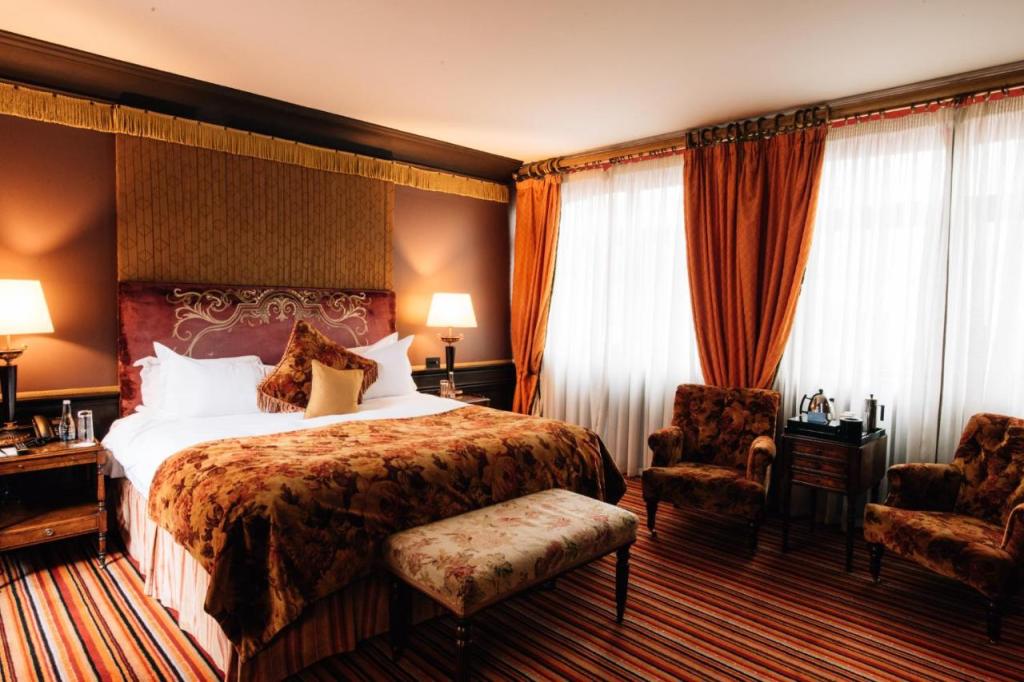
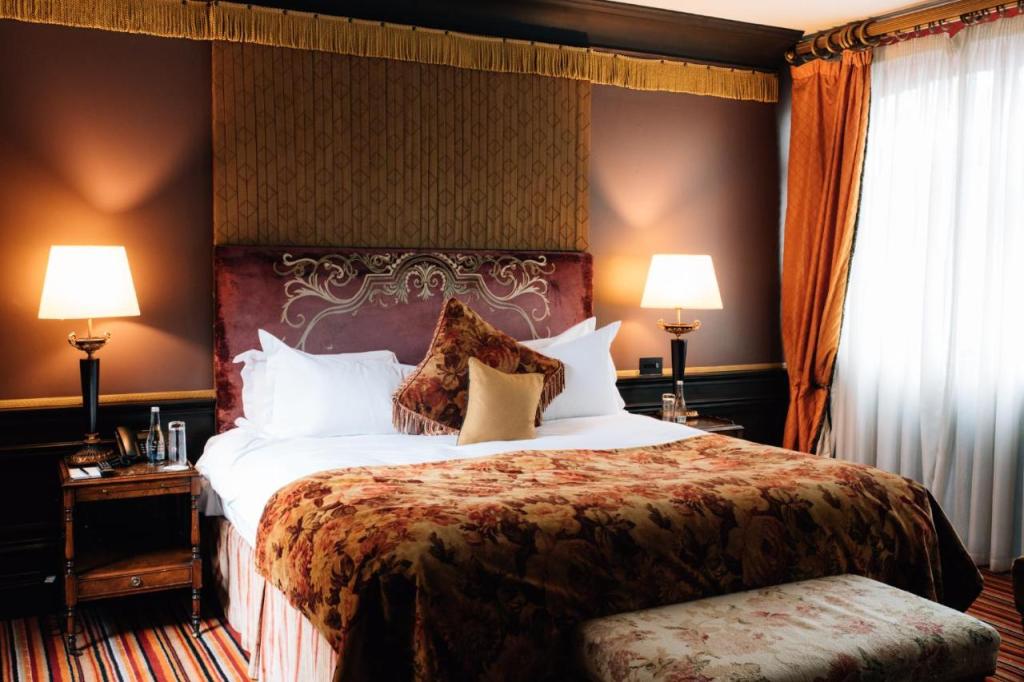
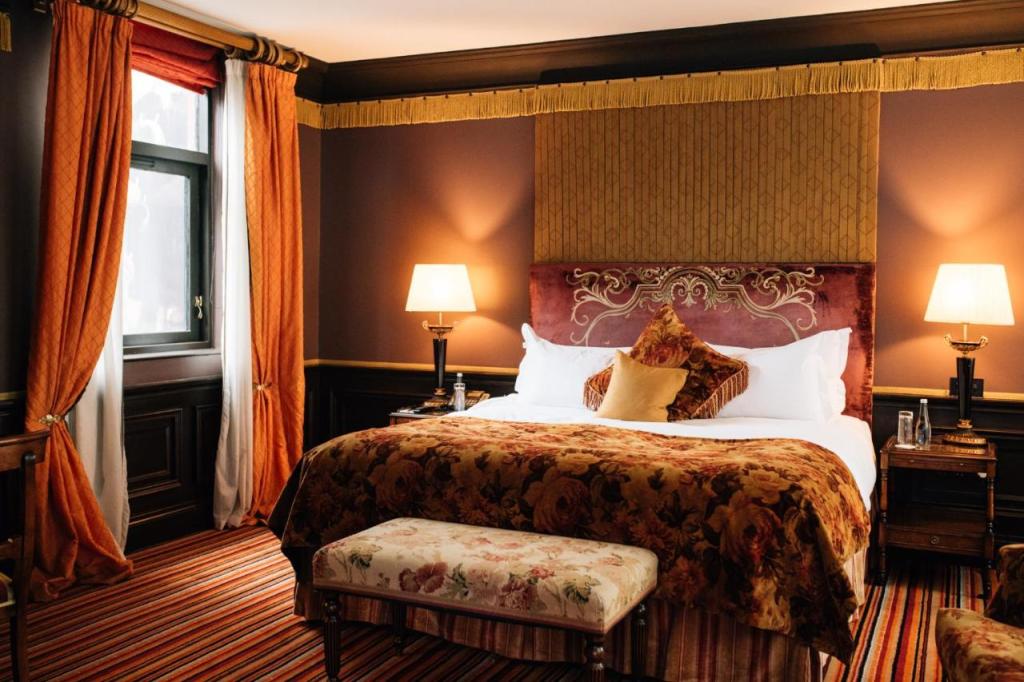
In practice, the most discerning luxury travelers use classification as a starting filter rather than a definitive guide. The characteristics that distinguish a genuinely high-specification suite in Northern Ireland include: room dimensions that reflect either original estate proportions or deliberate architectural investment; access to private outdoor space such as a terrace, walled garden, or lough-facing veranda; bespoke service structures rather than standardised turndown protocols; and sourcing relationships with local producers for food and drink. Irish linen, still produced in Northern Ireland and historically central to the regional economy, appears in the suite textiles of properties that take materials seriously. This is one small but reliable indicator of a property's commitment to local provenance.
How to choose the right suite in Northern Ireland
The primary structural distinction to resolve before selecting a suite is the question of setting: coastal, urban, or inland estate. Each produces a fundamentally different stay, and Northern Ireland's relatively small geographic footprint (approximately 14,000 square kilometres) means that day travel between these zones is entirely feasible. The choice of base therefore involves both the character of the suite itself and the kind of access it enables.
For coastal properties, orientation matters significantly. North-facing suites on the Antrim coast capture the quality of light that arrives off the sea rather than the direct sun, which can be relevant for extended stays. For estate properties in Fermanagh, the question of lough access versus garden access is worth resolving directly with the property before booking, as both exist within the same grounds at several leading hotels.
Architectural context is a further variable. Northern Ireland has a complex built heritage: Plantation-era architecture from the seventeenth century, Georgian country houses built during the eighteenth-century estate period, and Victorian civic and commercial buildings that have since been converted. Each presents a different spatial logic within a suite. High ceilings, original fireplaces, and deep-silled windows are features of the older stock. Contemporary design interventions within these shells vary widely in quality and intentionality.
Finally, it is worth noting that some of the most architecturally interesting suite accommodations in Northern Ireland sit outside the conventional five-star hotel classification. Privately owned castle conversions, smaller country house properties, and restored demesne houses operate at a high standard without necessarily carrying a formal rating. These require a more research-intensive selection process, which is where curation becomes directly useful.
Why curated selection matters for Northern Ireland
The Northern Ireland luxury accommodation market is smaller in absolute terms than comparable UK regions such as the Scottish Highlands or the Cotswolds. The total number of properties operating at genuine top-tier suite standard is finite, and the gap in quality between a well-regarded four-star hotel and a genuinely exceptional suite property is significant. Generic booking platforms aggregate both without meaningful differentiation.
La Suite's curated selection for Northern Ireland focuses exclusively on properties where the suite itself, not merely the hotel category, merits the stay. This means applying editorial criteria to room dimensions, material quality, service architecture, and setting before a property appears in the selection. For a market of this size, that filtering process removes considerable noise and allows travelers to make decisions based on experience rather than marketing.