Understanding Kosovo as a luxury travel destination
Travelers arriving with expectations shaped by more established European luxury markets will find Kosovo operates on a different register. The luxury offering here is still maturing, but the hotels that have invested in high-specification suites tend to do so with a considered seriousness. The result is often a more personal, less formulaic suite experience than those found in saturated markets.
Where to stay in Kosovo: distinct areas for suite travelers
Pristina
The capital functions as Kosovo's primary entry point for international visitors and its most developed hospitality hub. The city's architectural landscape is layered: socialist-era concrete coexists with Ottoman-period mosques and assertively contemporary glass buildings. The National Library of Kosovo, designed by Andrija Mutapčić, is one of the most architecturally discussed buildings in the Balkans. Suite travelers based in Pristina have access to the city's gallery scene, its diplomatic quarter, and an increasingly refined restaurant culture that draws on Albanian, Turkish, and broader Balkan culinary traditions.
Prizren
Prizren is widely considered Kosovo's most culturally coherent city. Positioned along the Bistrica River at the base of the Sharr Mountains, it preserves a dense concentration of Ottoman-era architecture: hans, mosques, stone bridges, and hammams. The Prizren Fortress offers panoramic orientation over a skyline that has changed less dramatically than Pristina's. For suite travelers seeking a slower, more historically textured experience, Prizren represents the clearest expression of Kosovo's pre-modern identity. Boutique properties in the old city tend to operate within renovated Ottoman structures, which gives accommodations here a specific material character.
The Rugova Valley and Sharr Mountains
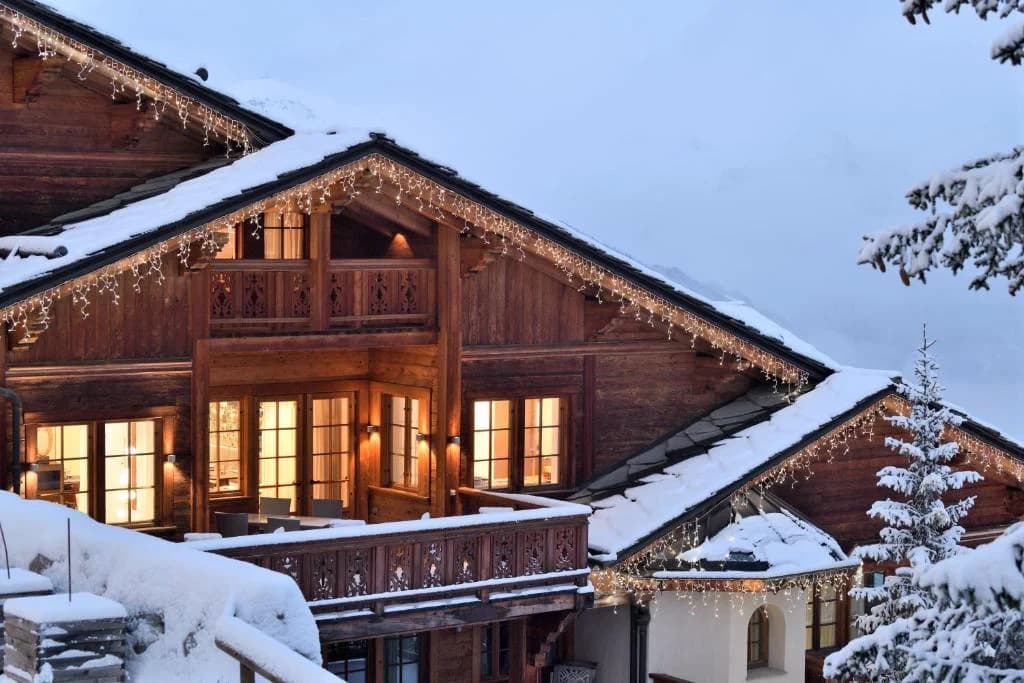
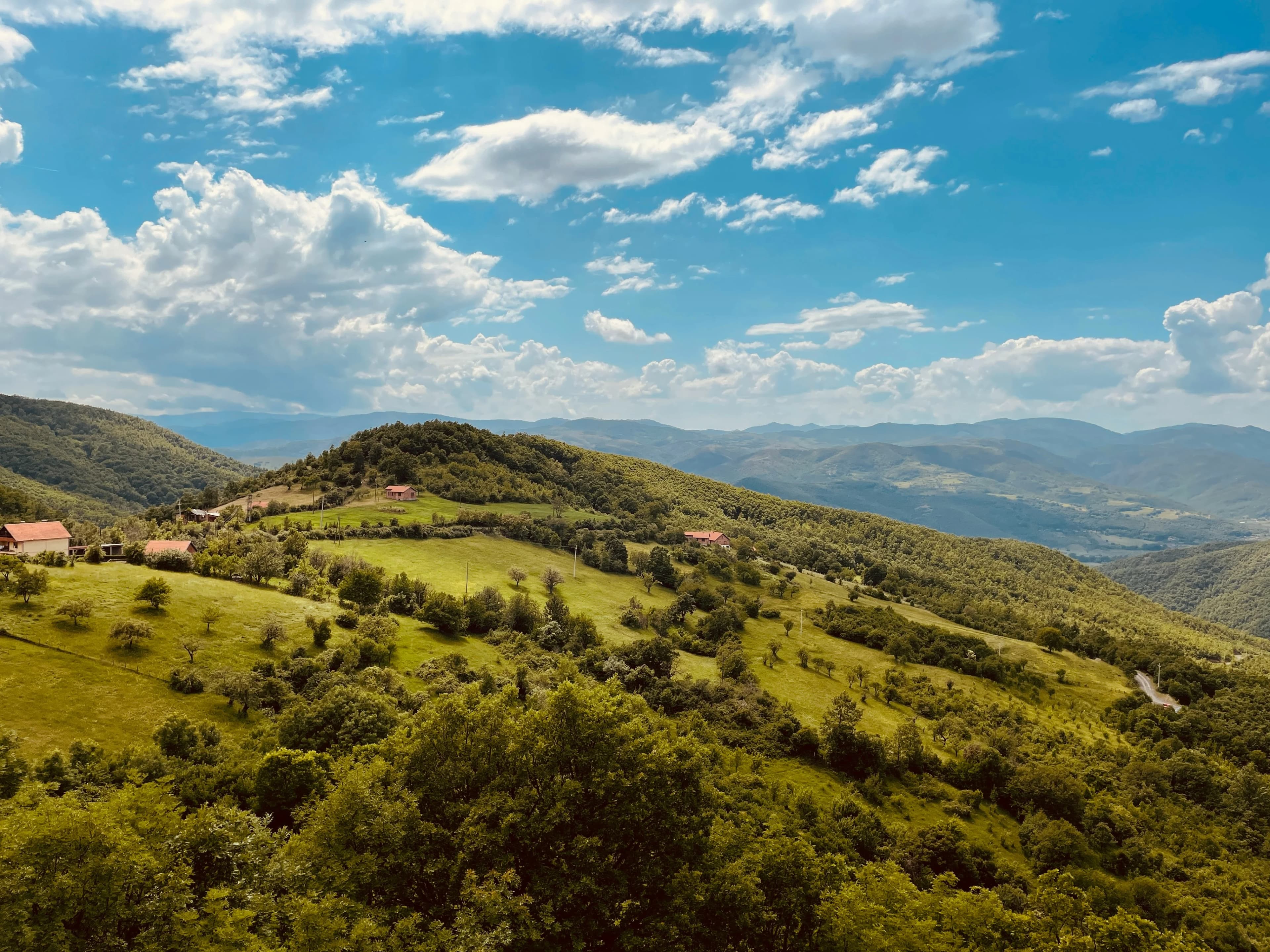
Kosovo's western and southern mountain zones attract a quieter category of traveler. The Rugova Canyon near Peja is one of the deepest canyons in the Balkans and a base for hiking, climbing, and winter sports. The Sharr Mountains, extending toward the Macedonian border, offer a more remote setting for properties that position themselves around landscape access rather than urban cultural programming. Suite accommodations in these zones tend to prioritise views, material warmth, and direct access to terrain.
When to visit Kosovo for a suite stay
Kosovo's climate is continental, with warm summers and cold winters. The optimal window for cultural travel falls between late April and October, when the mountain routes are accessible and the outdoor dining culture of Prizren and Pristina is fully operational. July and August bring the highest visitor volumes, particularly around the Dokufest documentary film festival in Prizren, which has established itself as one of the Balkans' most respected cultural events and draws a design-literate international audience.
Winter travel to Kosovo is primarily driven by skiing in the Brezovica area of the Sharr Mountains, historically one of the most discussed ski resorts in the former Yugoslavia and currently undergoing redevelopment. Suite travelers interested in mountain stays in colder months should monitor property openings in that corridor, as investment has been active in recent years.
Spring, particularly May and June, offers the clearest atmospheric conditions for landscape travel and the lowest occupancy pressure across the country's better properties. This is the period in which suite availability and attentiveness of service tend to be strongest.
Local hospitality standards and what to expect from top-tier suites
Kosovo does not yet operate under a formal luxury hotel classification system equivalent to France's Palace designation or Italy's five-star-L category. Properties are rated under the standard European star system, but the relationship between rating and actual suite quality can vary considerably. The most reliable indicator of suite quality in Kosovo is the property's alignment with international management or design standards, its investment in spatial generosity, and the sourcing of its materials.
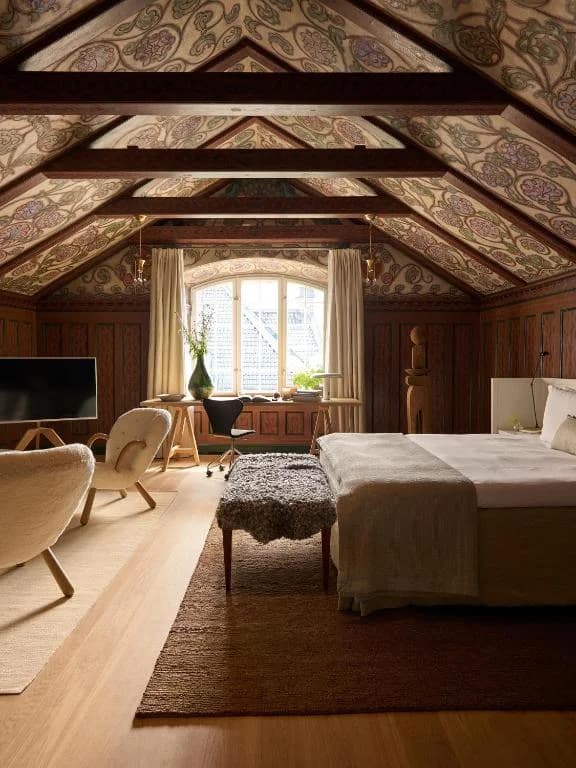
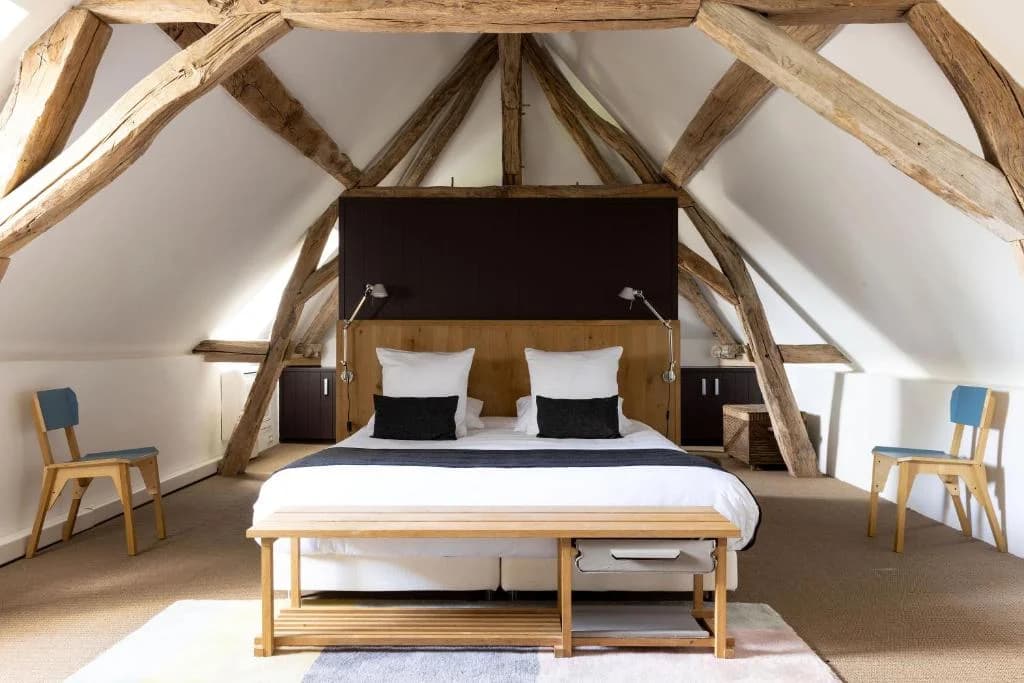
The best suites in Kosovo tend to reflect either a contemporary international aesthetic calibrated for a global business traveler, or a more locally inflected design approach that draws on Balkan stone, copper detailing, and Ottoman spatial proportion. The latter category is more particular to the region and tends to offer the more memorable stay for culturally engaged guests.
Hospitality culture in Kosovo is shaped by the Albanian concept of besa, a code of honor that places extraordinary weight on the treatment of guests. This cultural substrate translates, in practice, into a warmth and attentiveness of service that is not performative but structural. It is one of the more distinctive characteristics of the Kosovo hotel experience at the upper end of the market.
How to choose the right suite in Kosovo
The primary decision for suite travelers in Kosovo is geographic: Pristina for urban immersion and cultural access, Prizren for historical depth and architectural coherence, or the mountain zones for landscape-first stays. Each zone requires a different type of property and a different set of suite priorities.
In Pristina, look for suites with strong soundproofing and generous workspace, as the city is a functioning business capital with an active diplomatic community. In Prizren, prioritise properties that have made considered choices about preserving original architectural fabric while integrating contemporary infrastructure. In mountain properties, the suite's relationship to its view and its access to outdoor programming are the critical variables.
Travelers should also assess connectivity. Kosovo is served by Pristina International Airport Adem Jashari, with direct connections to major European hubs including London, Vienna, Zurich, and Istanbul. Transfer times to Pristina's center are short, and road connections to Prizren and the mountain zones are functional, if sometimes demanding in winter conditions.
Why curated selection matters in an emerging market
In destinations where the luxury hospitality infrastructure is still consolidating, the gap between a property that describes itself as a luxury hotel and one that genuinely delivers at that level is wider than in established markets. Kosovo is precisely this kind of destination. The marketing language used by Balkan properties can overstate the suite experience, and the absence of a dense critical review culture in the region makes independent verification more difficult.
This is the specific context in which La Suite's curation adds measurable value. Rather than navigating a market where star ratings and self-description are unreliable proxies for quality, travelers working with La Suite's curated selection encounter only properties that have been assessed against consistent standards of spatial quality, service architecture, and design coherence. In Kosovo, where the best properties are genuinely distinguished but not always easy to identify from the outside, that filter is a functional tool rather than an editorial luxury.