Toronto's distinct neighbourhoods for luxury suite stays
Yorkville remains the most concentrated node of high-end hospitality in the city. Originally a bohemian enclave in the 1960s, it has consolidated over decades into the city's primary luxury retail and dining corridor. Proximity to the Royal Ontario Museum, the Gardiner Museum, and the cluster of galleries along Cumberland Street gives suites in this area a cultural density that justifies the address. The architecture tends toward the contemporary, with glass-and-steel construction dominating the skyline.
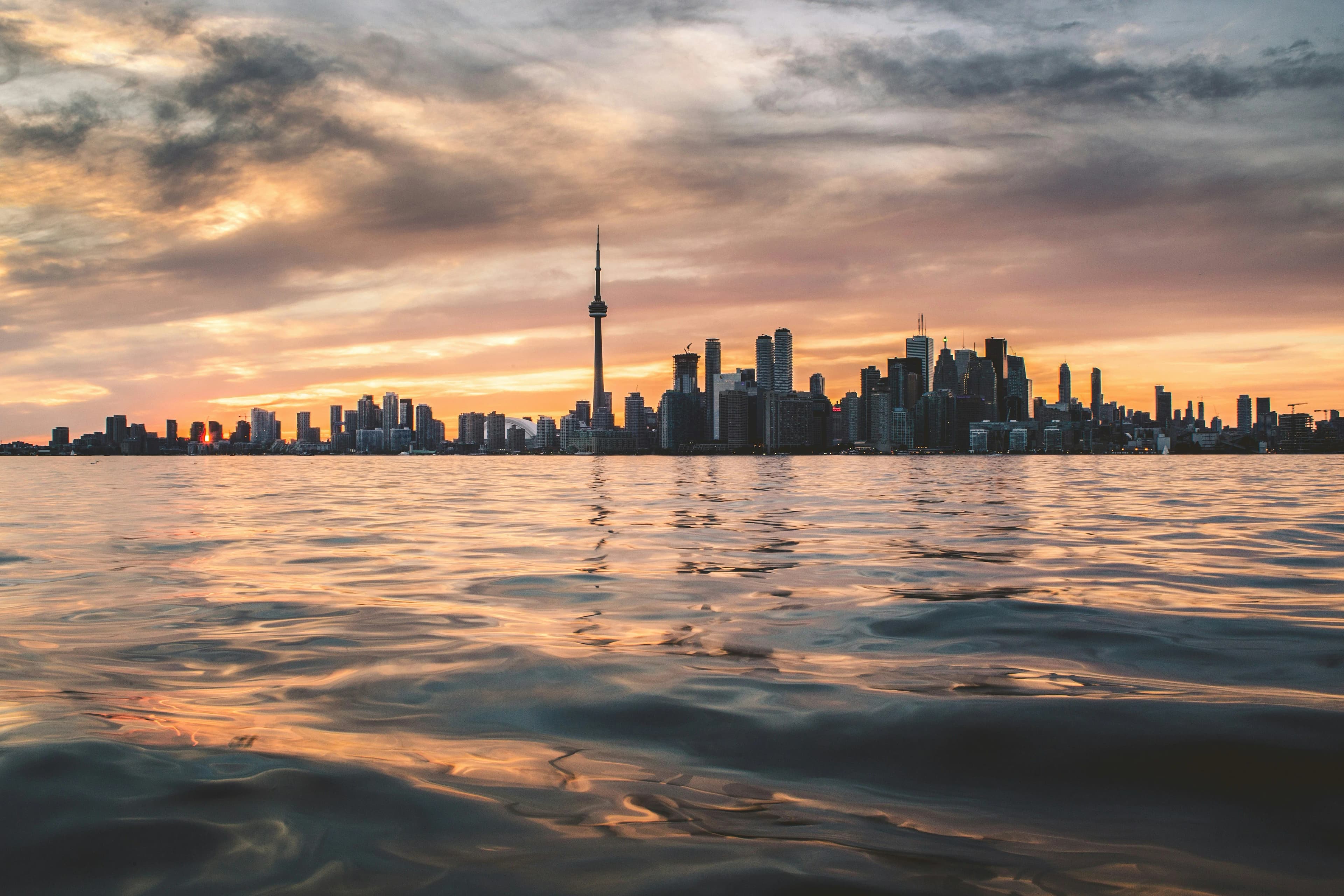
The Financial District and the adjacent King West corridor offer a different proposition: suites positioned within the vertical density of downtown Toronto, where the city's skyline becomes an active element of the interior experience. Upper-floor suites in this zone deliver uninterrupted sightlines across Lake Ontario and the Toronto Islands, a geographical relationship that few North American city centres can offer.
The Distillery District, with its restored Victorian industrial architecture, provides a more textured urban environment. The scale is pedestrian, the materials are brick and cast iron, and the rhythm of the neighbourhood is slower. Hotels operating in or adjacent to this area often work within heritage constraints that produce architecturally specific suite configurations.
Midtown and the stretch along Avenue Road toward Forest Hill offer a quieter, more residential luxury register for those who prefer distance from the core without sacrificing access to the city's cultural institutions.
When to visit Toronto for a luxury suite stay
Toronto operates as a year-round destination, but the city's character shifts substantially across seasons, and those shifts have direct implications for the suite experience.
Late spring through early autumn, from May to October, represents the period of highest demand. The Toronto International Film Festival, held each September, is among the most significant cultural events on the North American calendar. During TIFF, the city's best suites are absorbed months in advance by studios, distributors, and talent management. If TIFF aligns with your schedule, plan allocation well ahead. If it does not, the weeks immediately before and after the festival offer full suite availability with the city in an animated, culturally charged state.
Summer in Toronto is warm and sociable. The waterfront activates, the restaurant terraces operate at full capacity, and the city's park infrastructure, including High Park and the Toronto Islands, becomes fully accessible. Suites with outdoor terraces or significant window exposure gain measurably during this period.
Winter, from December through February, is cold and stark but carries its own architectural logic. The city's PATH network, an underground pedestrian system connecting much of downtown Toronto, makes suite stays in the Financial District genuinely practical during deep winter. The city's restaurant culture, theatre season, and art programming continue without interruption. January and February tend to offer the most competitive suite rates of the calendar year.
Understanding Toronto's luxury hotel standards
Canada does not operate a formal state-endorsed hotel classification equivalent to France's Palace designation or Italy's leading regional categories. Toronto's luxury hotel market is instead structured around international brand positioning, independent design-led properties, and the historical prestige of certain addresses.
The city has a small number of properties with genuine historical weight, including grand early-twentieth-century railway hotels whose architecture and public spaces have been maintained or restored to a standard that justifies their continued positioning at the top of the market. These properties typically offer suite configurations that reflect the spatial generosity of their original construction, with ceiling heights, corridor widths, and room proportions that contemporary builds rarely replicate.
Contemporary luxury in Toronto is defined by design ambition, material quality, and the precision of service programming. The city's best suites are often found within mixed-use towers where the hotel occupies the upper floors, resulting in suite configurations that prioritise views and ceiling height. In-room technology, private dining infrastructure, and access to spa facilities are considered baseline expectations at this tier.
Toronto's hospitality market is also shaped by the city's food culture, which has developed into one of the more serious dining environments in North America. A luxury hotel suite in Toronto should be evaluated in part by its proximity to, or integration with, the city's restaurant infrastructure.
How to choose the right luxury suite in Toronto
The primary decision variable in Toronto is neighbourhood. The city's geography means that a suite in Yorkville and a suite in the Financial District are not interchangeable propositions. They offer different urban textures, different morning routines, and different access to the city's cultural and commercial infrastructure.
The second variable is architectural register. Toronto offers both restored heritage buildings and contemporary high-rise construction, and the suite experience differs substantially between the two. Heritage properties offer material depth: stone, oak, plaster detailing, and the spatial proportions of an earlier architectural era. Contemporary towers offer altitude, transparency, and the visual relationship with the lake and skyline that the city's geography enables.
Consider the nature of your visit. A stay oriented around the arts, dining, and cultural programming favours a Yorkville or Midtown base. A stay structured around business, finance, or access to the Metro Toronto Convention Centre favours the Financial District. A stay oriented around slower urban exploration, independent food culture, and architectural texture may favour the east end of downtown, toward the Distillery District and Corktown.
Suite size and configuration matter differently in Toronto than in resort destinations. The city does not demand a private pool or a terrace as a luxury baseline. What it demands is spatial quality, privacy, and the ability to operate your suite as a functional base for a high-density urban schedule.
Why a curated selection by La Suite is the right approach for Toronto
Toronto's luxury hotel market contains genuine quality but also considerable noise. The city's growth over the past two decades has added significant hotel inventory, and not all of it operates to a standard consistent with the definition of a true luxury suite experience. Marketing language in this market tends to inflate expectations, making independent curation particularly valuable.
La Suite filters Toronto's suite inventory against a set of criteria that prioritise spatial integrity, design coherence, service standard, and locational logic. The result is a selection that removes the friction of navigating an opaque and sometimes overheated market. For the traveler arriving in Toronto with specific expectations around privacy, material quality, and the precision of the suite environment, a curated selection by La Suite is the most efficient path to the right decision.