Where to stay in Alaska: understanding the territory's distinct zones
Southeast Alaska and the Inside Passage
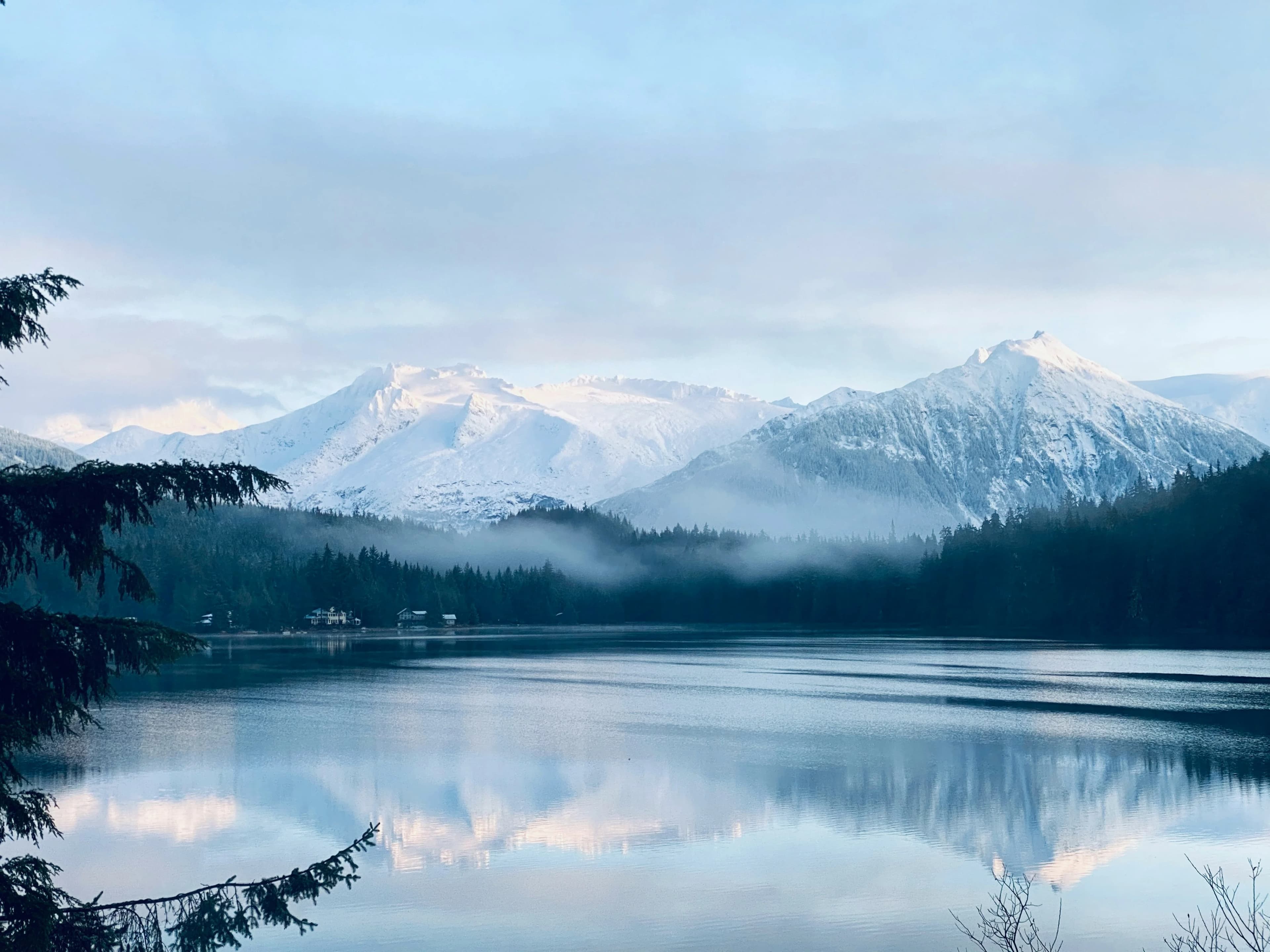
The panhandle region, stretching from Ketchikan northward to Skagway, offers the most temperate climate in the state. This is rainforest Alaska: dense Sitka spruce, fjords carved by glacial retreat, and small port towns with a preserved Victorian architectural character inherited from the Gold Rush era. Properties here tend toward the intimate side, often occupying converted historic structures or purpose-built lodges positioned for direct water access. The pace is measured, the scale human.
Southcentral Alaska and the Gulf Coast
Anchored by the state's largest city, this region functions as the primary gateway for most international travelers. The Kenai Peninsula extends southward with dramatic mountain and coastal scenery. Cook Inlet and Prince William Sound define the eastern margins. This zone contains the highest concentration of established hotel infrastructure in the state, including properties capable of delivering suite-level service with genuine consistency. The Alaska Range is visible from much of this region on clear days, providing a constant geographic reference point.
Interior Alaska and the Alaska Range
Dominated by boreal forest and the broad Tanana River valley, the interior is the Alaska of extreme continental climate: winters of sustained cold, summers of near-continuous daylight. Denali, North America's highest peak at 20,310 feet, sits at the center of this zone. Travelers drawn specifically to wilderness proximity and the phenomenon of the midnight sun concentrate here. Accommodation options are more limited, but the experiential intensity is proportionally higher.
Arctic Alaska
Beyond the Brooks Range, the landscape flattens into tundra that extends to the Arctic Ocean. This is the most remote and operationally demanding zone. Travel here requires specific planning, and luxury infrastructure is sparse. For travelers with the appetite for true edge-of-map experiences, this region offers encounters that are genuinely without parallel in the continental travel lexicon.
When to visit Alaska for a luxury suite experience
Alaska's seasons are sharply defined, and the timing of a visit determines the nature of the experience entirely.
Summer: late May through early September
This is peak season, and for valid reasons. Temperatures across most of the state reach comfortable levels, wildlife activity is at its highest, and the extended daylight creates an atmosphere that feels physiologically altered. The phenomenon of the midnight sun, in which the sun does not fully set for weeks at a time in northern latitudes, produces an unusual quality of light that has attracted artists, photographers, and writers for generations. Suite demand is at its highest during this window, and properties with the most considered design and service standards fill accordingly. Early reservation is advisable.
Autumn: September and October
This window is underutilized relative to its merits. The tundra colors shift through gold, crimson, and amber across vast horizontal distances. Wildlife, particularly brown bear and moose, is highly active in preparation for winter. The aurora borealis becomes visible from mid-September onward. Crowd density drops considerably, and the quality of light in the lower angle of the autumn sun produces photographic conditions that summer cannot replicate.
Winter: November through March
Alaska in winter is a self-selecting proposition. Temperatures in the interior can sustain prolonged periods well below freezing. The reward is the aurora borealis at its most reliable and dramatic, a phenomenon that operates on its own schedule but reaches peak activity during the equinox periods of September-October and February-March. A limited number of properties specifically design their suite experiences around winter access and aurora viewing, with architectural orientations and private terrace configurations calibrated for cold-sky observation.
Understanding Alaska's luxury standards and accommodation typology
Alaska does not operate within the European palace hotel tradition, nor does it carry the resort infrastructure density of tropical destinations. The prestige markers here are different in kind, and recognizing them is important for travelers accustomed to more conventional luxury benchmarks.
The defining luxury currency in Alaska is access. A suite positioned on a private lake accessible only by floatplane, or a lodge situated within a wildlife refuge boundary, carries a form of exclusivity that square footage alone cannot provide. The most considered properties in Alaska are those that have resolved the tension between comfort and environmental integrity: insulation standards, building orientation, material selection, and waste management all carry specific significance in a context where the infrastructure margins are narrower than in urban hotel environments.
The concept of the wilderness lodge, operating as a self-contained property with all meals, guiding, and transfers included, is the Alaskan equivalent of the European resort hotel. The best examples of this type offer suite-level accommodation with the operational depth to support demanding itineraries. Fly-in lodges, accessible only by small aircraft, represent the apex of this category in terms of both access control and landscape immersion.
How to choose the right suite in Alaska
Several considerations specific to Alaska should inform the selection process.
Orientation matters more here than in most destinations. A suite with unobstructed north-facing windows in a northern latitude property transforms into an aurora viewing platform during winter months. East-facing orientations capture the quality of early morning light over water or mountain terrain that defines the aesthetic character of the Alaskan landscape at its most articulate.
The relationship between indoor and outdoor space deserves particular attention. In a climate that can shift rapidly, the transition zone between suite interior and exterior, whether a covered terrace, a heated observation deck, or a private hot spring access point, determines how much of the landscape the guest actually inhabits rather than simply observes.
Service logistics also carry unusual weight. Properties at greater distances from urban supply chains operate on tighter margins. The most reliable luxury experiences in remote Alaska are those where the property has invested in operational depth: experienced guides, consistent food sourcing, and communication infrastructure that functions when the weather does not.
The value of a curated selection by La Suite in Alaska
Alaska's accommodation market contains significant variation in quality, and the marketing language surrounding wilderness lodges and remote properties is not always calibrated to the standards that discerning suite travelers require. Properties that present effectively online do not always translate to the experience on the ground.
The curated selection by La Suite applies consistent editorial criteria across properties in Alaska, focusing on the specific qualities that matter at this level: architectural considered-ness, service depth, landscape relationship, and the degree to which the suite itself functions as an experiential instrument rather than simply a comfortable room. In a destination where the variables are this numerous and the logistical stakes this high, a curated framework is not a convenience. It is a practical necessity.