Best areas in Arizona for luxury suite stays
Scottsdale and the Sonoran Desert corridor
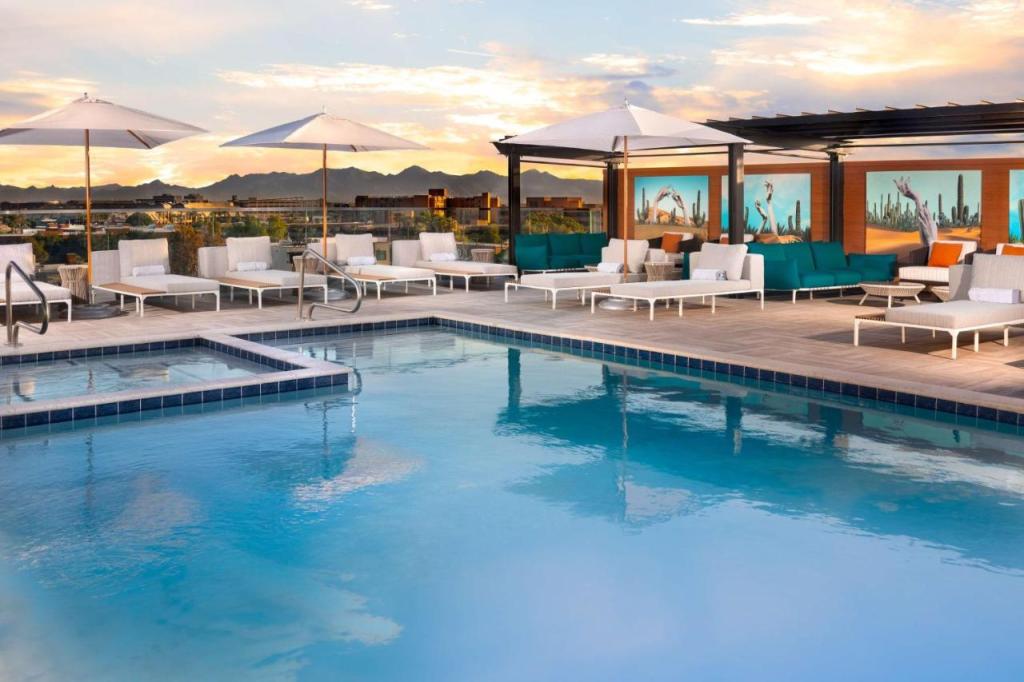
Scottsdale functions as Arizona's primary luxury hospitality hub. The city's desert perimeter is where the most architecturally considered properties sit, designed to respond to the Sonoran landscape rather than impose upon it. Low-profile structures, desert-native planting, and open-air circulation corridors define the aesthetic here. Suites in this corridor typically feature private plunge pools, extended terraces, and direct sightlines to the McDowell Mountains. The area also concentrates the highest density of destination spa facilities in the American Southwest, a factor that draws a significant share of wellness-oriented luxury travelers.
Sedona and the Red Rock country
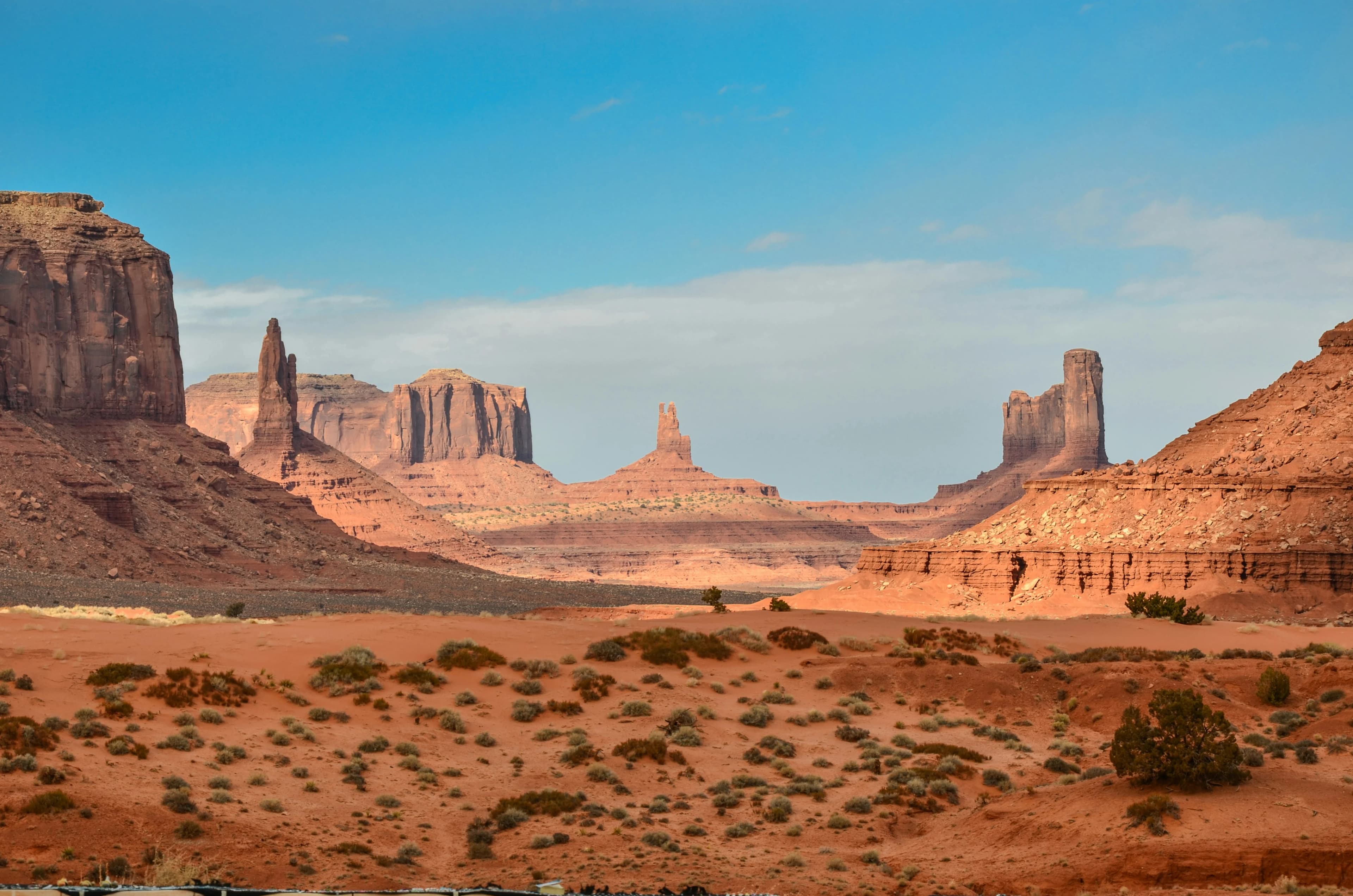
Sedona operates on a different frequency. The scale of the surrounding rock formations, Courthouse Butte, Cathedral Rock, Bell Rock, creates an overwhelming sense of verticality and enclosure. Luxury properties here tend to be smaller in scale, more intimate in program, and oriented almost entirely around view capture. The quality of a suite in Sedona is often determined by how precisely it frames the red rock panorama rather than by the breadth of its facilities. This is a destination for travelers who prioritize silence, landscape, and considered design over social programming.
Tucson and southern Arizona
Southern Arizona presents a quieter, less curated luxury proposition that rewards travelers willing to move away from the established circuits. The Saguaro-studded Sonoran Desert here has a rawer character, and properties tend toward the resort ranch model, large land holdings with equestrian programs, immersive nature experiences, and a pace that is deliberately unhurried. Tucson itself carries a distinct cultural texture, shaped by its proximity to the Mexican border and by a deep Indigenous heritage that surfaces in local architecture, cuisine, and design references.
Sedona to the Grand Canyon corridor
The stretch of northern Arizona connecting Sedona with the South Rim of the Grand Canyon is less developed in terms of luxury accommodation, which makes the properties that do exist here notable precisely for their isolation. Staying at elevation in this region, amid ponderosa pine forest rather than open desert, offers a counterpoint to the thermal intensity of the lower desert zones. Suite availability is more limited, and advance planning is structurally necessary.
When to visit Arizona for a luxury hotel stay
The seasonal calculus in Arizona is more consequential than in most American destinations. Temperature differentials between summer and winter are extreme at lower elevations, and this directly shapes both property programming and suite pricing.
The optimal window for the Scottsdale and Tucson areas runs from October through April. During these months, daytime temperatures are consistently mild, outdoor dining is viable, and the full suite experience, including terraces, pools, and exterior circulation, is accessible at all hours. January and February see the highest occupancy rates across premium properties, and suite rates reflect this. The Barrett-Jackson Collector Car Auction in Scottsdale each January draws a specific affluent demographic and places additional pressure on top-tier inventory.
Sedona is navigable year-round, but spring (March to May) delivers the most photogenic light conditions and the most comfortable temperatures for hiking and outdoor engagement. Summer monsoon season, running roughly from July through September, brings dramatic afternoon storms that transform the red rock landscape and create a particular atmospheric intensity that some travelers seek out deliberately.
The Grand Canyon South Rim is accessible year-round but sees its heaviest visitation between May and September. Travelers seeking a more solitary engagement with the canyon should consider shoulder months or the less-visited North Rim, which operates on a compressed seasonal schedule.
Local luxury standards in Arizona: what to expect from top-tier suites
Arizona does not operate within a formally codified luxury classification system in the way that France's Palace designation functions. Quality signals here are largely market-driven, filtered through Forbes Travel Guide ratings, AAA Five Diamond assessments, and the reputational standing of the major hospitality groups operating in the region.
The defining characteristic of the best luxury hotel suites in Arizona is spatial generosity calibrated to the landscape. A suite rated at the highest tier in Scottsdale or Sedona will typically offer a private terrace or courtyard of substantial size, often equal to or larger than the interior footprint. Plunge pools or soaking tubs positioned for view capture are standard at the top of the market. Interior materials tend toward local referencing: limestone, rammed earth, textured plaster, and hand-crafted ceramic details that ground the space in its geographical context.
Spa facilities at Arizona's leading resorts are among the most developed in the country. Several properties operate destination spas that draw guests independently of the hotel program, and treatment menus frequently incorporate Indigenous botanical traditions and desert-derived ingredients. This is not incidental to the luxury proposition; in Arizona, the spa is often the central amenity rather than a secondary offering.
Butler service and dedicated suite host programs are available at a select number of properties, primarily within the Scottsdale luxury corridor and at the flagship resort properties in Sedona. These services tend to be more activity-coordination oriented than the European model, reflecting the experiential emphasis of the destination.
How to choose the best luxury suite in Arizona
Several practical considerations shape the suite selection process in Arizona that are specific to this destination.
Orientation matters more here than almost anywhere else in the American hotel market. In Sedona, a suite positioned without a direct rock formation view is a categorically different product from one that frames the landscape as its primary feature. Confirming the precise view exposure before booking is essential, not a matter of preference. The same principle applies in Scottsdale, where mountain-facing suites command a meaningfully different experience from those oriented toward the resort grounds or urban perimeter.
The distinction between a standalone suite within a hotel building and a casita or villa structure is significant in the Arizona market. Many of the top properties are configured as low-density compounds rather than vertical towers, and the private casita suite, a freestanding or semi-detached unit with its own entrance and outdoor space, delivers a level of physical privacy that a corridor-accessed hotel suite cannot replicate.
Seasonal service calibration is also worth noting. Some properties reduce programming, staffing, and facility access during the peak summer months when occupancy drops at lower elevations. Travelers visiting between June and September should verify which amenities remain fully operational during their stay.
Why curation matters for luxury suite travel in Arizona
The Arizona luxury hotel market contains a wide range of properties marketed under the same general premium positioning. The gap between a property described as a luxury resort and one that genuinely delivers at the level a discerning traveler requires is significant and not always legible from marketing materials alone.
La Suite applies a consistent editorial framework to assess and select properties where the suite experience itself, not merely the brand affiliation or the facilities list, meets the standards that define this category. In a market as varied as Arizona, where the landscape sets an extraordinarily high baseline for sensory experience, the quality of the architecture, the precision of the service model, and the integrity of the interior design are the variables that separate the exceptional from the merely adequate. The curated selection by La Suite identifies exactly this tier.