Where to stay in Aspen: understanding the town's distinct zones
The Roaring Fork Valley extends beyond downtown toward Snowmass Village, roughly twelve miles to the northwest. Snowmass operates as a self-contained resort with direct ski-in and ski-out access, larger floorplates, and a more family-oriented character. Travelers who prioritise mountain access over cultural proximity and require significant square footage will find Snowmass a credible alternative base. The two areas are connected by a reliable free transit system, making a split approach viable for longer stays.
The West End neighbourhood, a residential area of Victorian and early twentieth-century homes, sits immediately adjacent to the Aspen Institute campus and the Benedict Music Tent. Properties here offer a quieter residential register and proximity to the summer cultural calendar. For travelers attending the Music Festival or the Ideas Festival, this zone provides both convenience and a certain architectural coherence with the town's intellectual identity.
When to visit Aspen for a luxury suite stay
Aspen divides cleanly into two primary seasons, each with its own logic and its own demand pressures on accommodation inventory.
Winter season: December through March
Peak ski season runs from late November through mid-April, with the Christmas and New Year period representing the tightest inventory window of the year. Presidents' Day weekend in February is a secondary peak. During these periods, luxury suite availability contracts significantly and rates reflect the compression. Travelers with flexibility in their dates will find late January and early March offer better suite options at more considered price points without meaningful sacrifice in snow conditions. Aspen Mountain typically receives between 300 and 350 inches of snowfall annually, and the ski area's vertical drop of 3,267 feet provides technical terrain that justifies the trip on purely sporting grounds.
Summer season: June through September
The Aspen Food and Wine Classic takes place annually in June and draws a concentrated audience of culinary and beverage professionals alongside an affluent consumer base. The Aspen Music Festival runs from late June through August and brings internationally recognised performers to the Benedict Music Tent in a setting of considerable intimacy. The Ideas Festival, convened by the Aspen Institute, typically occurs in late June and attracts a global roster of speakers from policy, business, and culture. These events individually exert significant pressure on suite inventory. Travelers attending any of them should approach booking with a lead time of several months.
The shoulder periods of May and October offer a quieter Aspen with accessible inventory, moderate pricing, and the particular quality of light that the Elk Mountains produce at altitude in spring and autumn. These months are underutilised by most international visitors and represent a legitimate opportunity for travelers who understand the destination beyond its peak calendar.
Local luxury standards: what defines a high-end suite in Aspen
The United States does not operate a formal national hotel classification system equivalent to France's Palace designation or the UK's AA star ratings. In Aspen, the relevant quality markers are a combination of brand affiliation, independent reputation, architectural distinction, and the specific character of the suite offer itself.
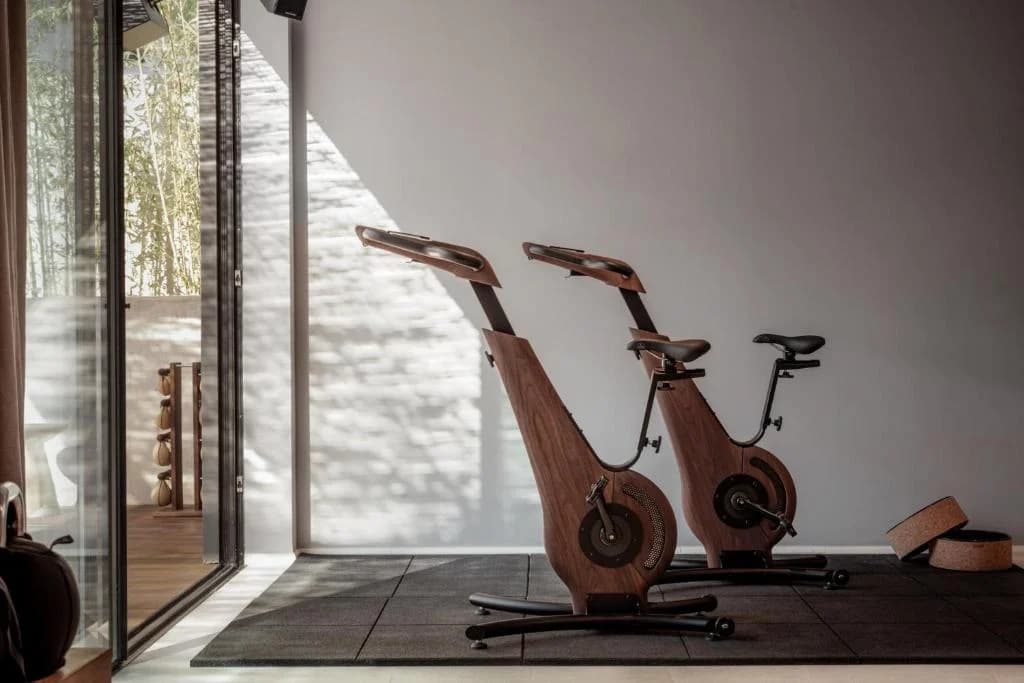
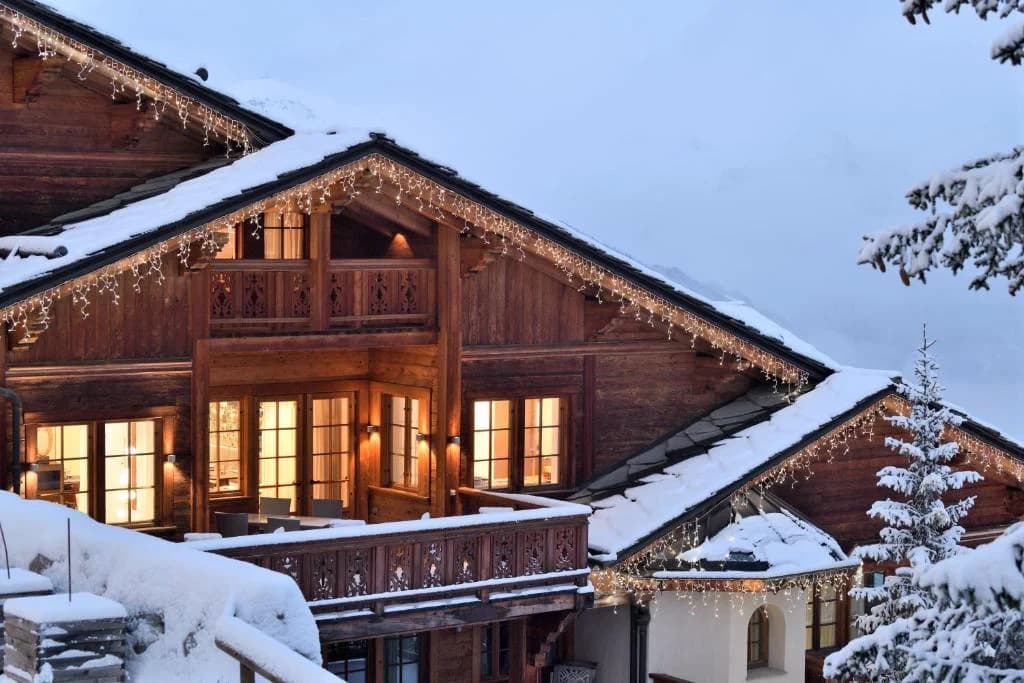
The most significant suites in Aspen are defined less by their square footage and more by their relationship to the mountain. Fireplace presence, ski storage with dedicated service, altitude-conscious spa programming, and proximity to specific lift infrastructure are the criteria that separate genuinely considered accommodation from standard luxury hotel inventory. At this altitude, thoughtful properties address the physiological realities of acclimatisation: room oxygen systems, hydration protocols, and adapted fitness programming represent a level of operational care that distinguishes serious operators from those simply applying luxury finishes to mountain architecture.
Aspen's suite market also includes private residence clubs and whole-ownership properties that sit adjacent to the hotel category. For travelers considering extended stays of a week or more, these hybrid models offer domestic scale and privacy that a conventional hotel suite cannot replicate. La Suite focuses on the hotel suite category specifically, where curation and service infrastructure are part of the proposition.
How to choose the best luxury suite in Aspen
The primary decision axis for a luxury hotel suite in Aspen is the trade-off between ski access and cultural proximity. These are not mutually exclusive but they do pull in opposite geographic directions. A suite with true ski-in and ski-out access to Aspen Mountain will sit at a different elevation and orientation to the downtown core. A suite within the historic district offers walkability to restaurants, galleries, and performance venues but may require a short transfer to the mountain.
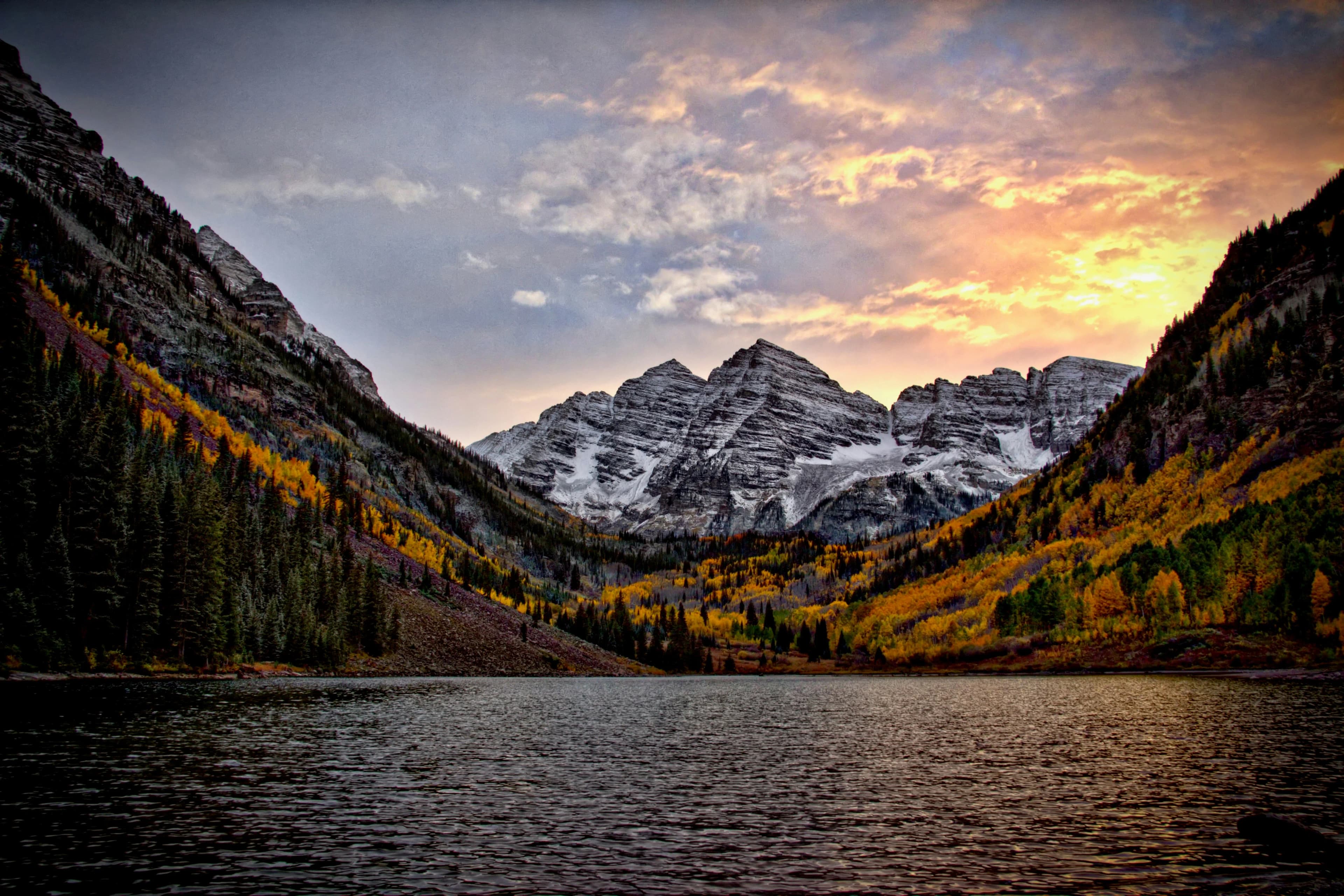
Elevation within the property matters in a way that has no equivalent in urban hotel stays. Suites on upper floors in Aspen provide mountain sightlines that are architecturally consequential. The view from a suite at this altitude, looking across the Elk Mountains to the Maroon Bells formation or toward Independence Pass, is not a cosmetic amenity. It is a fundamental component of the spatial experience.
Service expectations in Aspen's top-tier properties include ski concierge with equipment fitting and storage, in-suite dining calibrated to the culinary standards the town sets, and access to spa facilities designed for post-exertion recovery at altitude. Travelers should assess whether a property's suite tier includes access to these services as standard or whether they are structured as supplementary.
Historical versus contemporary architecture
Aspen's building stock ranges from carefully maintained Victorian commercial architecture in the downtown grid to contemporary mountain construction on the approaches to the ski areas. Properties occupying historic structures offer a specific material quality, particularly in their use of brick, timber, and ironwork that contemporary construction cannot replicate. Properties built or substantially renovated in the past decade tend to prioritise open-plan suite configurations, floor-to-ceiling glazing oriented toward the mountains, and integrated technology. Neither approach is categorically superior. The choice reflects a travel sensibility rather than a quality differential.
Why curation matters in Aspen's suite market
Aspen's accommodation market is small relative to its global profile. The number of properties operating at a genuine luxury hotel suite standard is limited, and the differences between them are consequential rather than marginal. In a market of this scale, the cost of a poor decision is high and the alternatives are few. Generic booking platforms aggregate inventory without editorial judgment, presenting options without the contextual framework that allows a traveler to match a specific suite to a specific travel intention.
La Suite approaches Aspen as it approaches every destination in its curation: with an assessment of the suite itself, the service infrastructure surrounding it, and the relationship between the property and the specific qualities of the place. The curated selection by La Suite reflects properties where these three factors align at the level this audience expects. In a town where reputation and repeat visitation drive the accommodation economy, independent editorial curation provides a reference point that neither brand marketing nor aggregated review data can replicate.