Where to stay in Big Sky: understanding the territory
Mountain Village and the ski perimeter
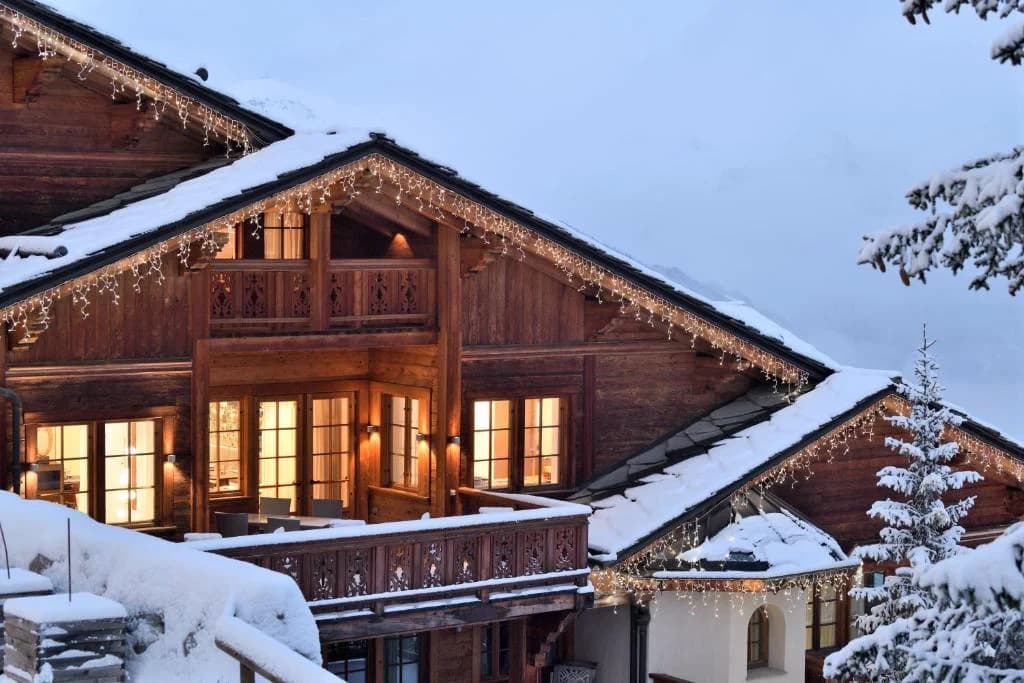
The Mountain Village area sits at the base of Big Sky Resort, the largest ski area in the United States by acreage. Properties here offer ski-in, ski-out access and a direct relationship with Lone Mountain. In winter, this proximity is decisive. In summer, the same terrain opens to hiking and mountain biking with immediate trailhead access. Suites in this zone prioritize views and verticality. Expect high ceilings, wall-to-wall glazing oriented toward the peak, and interiors designed to frame the outdoors rather than compete with it.
Meadow Village and the valley floor
Lower in elevation and more dispersed, Meadow Village follows the Gallatin River corridor. The landscape here is flatter, the light different, and the pace slightly removed from the mountain's intensity. Properties along this stretch tend toward a ranch-influenced aesthetic: timber, stone, and materials that reference the Northern Rockies without resorting to theme. For travelers combining a Big Sky stay with fly-fishing the Gallatin or day trips into Yellowstone, positioning here offers a practical and atmospheric advantage.
Remote and private ranch settings
Beyond the established resort areas, a number of private ranches and lodge properties occupy working land in the broader Madison and Gallatin valleys. These are not hotels in the conventional sense. They operate on all-inclusive or limited-occupancy models, offering curated access to wilderness that public properties cannot replicate. A luxury suite within a private ranch context here means something closer to sovereign space: a dedicated structure, personal guides, and an agenda that is entirely your own.
When to visit Big Sky for a luxury suite stay
Big Sky operates across two distinct high seasons, each with its own character and demand profile.
Winter season: December through March
The primary ski season runs from late November through early April, with peak demand concentrated between Christmas and New Year and the month of February. Big Sky Resort regularly records over 400 inches of annual snowfall, and its scale, over 5,800 acres of skiable terrain, means even peak weeks feel less crowded than comparable resorts in Colorado or Utah. For suite availability, booking three to six months in advance for the holiday window is standard practice. The quality of light in winter Montana, low-angle and blue-toned for much of the afternoon, gives interiors a particular atmosphere that rewards properties with considered lighting design.
Summer season: June through September
Summer is increasingly the preferred season for design-literate travelers who prioritize landscape over sport. Wildflower meadows at elevation peak in July. The Gallatin River runs clear and cold for fly-fishing. Yellowstone National Park, roughly 50 miles south, is accessible without the extreme crowds of a pure national park itinerary. Rates in summer are generally lower than winter peak, and suite availability is wider. For families traveling with children, the summer window offers structured outdoor programming at most properties without the logistical complexity of ski gear and mountain safety protocols.
Shoulder seasons: April to May and October to November
These windows see the fewest visitors and offer the most direct access to the landscape in transition. Spring brings snowmelt and wildlife movement in the valleys. Autumn turns the aspen groves along the river corridors to amber. Some properties reduce operations or close entirely during these periods, so verifying availability in advance is necessary.
Luxury standards in Big Sky: what to expect from the finest suites
Big Sky does not have a formal classification system equivalent to France's Palace designation or Switzerland's Leading Hotels of the World criteria. Quality here is assessed through a different lens: acreage, exclusivity of access, materiality, and the ratio of staff to guests.
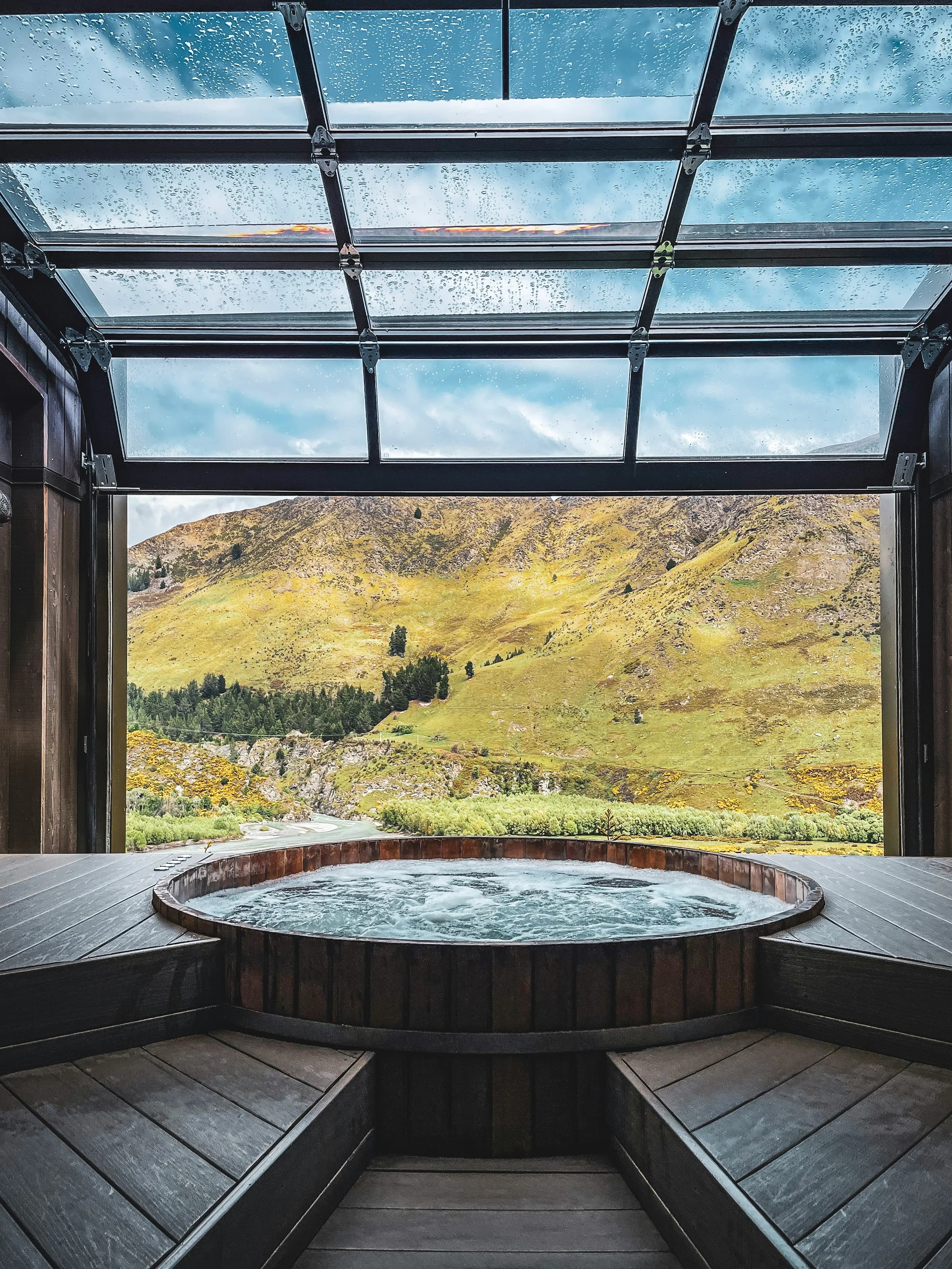
The finest suites in Big Sky share several consistent characteristics. Fireplaces are not decorative. At this altitude and latitude, a wood-burning or gas fireplace in the main living space is a functional and atmospheric anchor. Outdoor access, whether a private deck, a soaking tub with mountain orientation, or direct trail access, is a primary differentiator. Properties that position suites with unobstructed sightlines toward Lone Mountain or the surrounding ridgelines are operating at the top of the category.
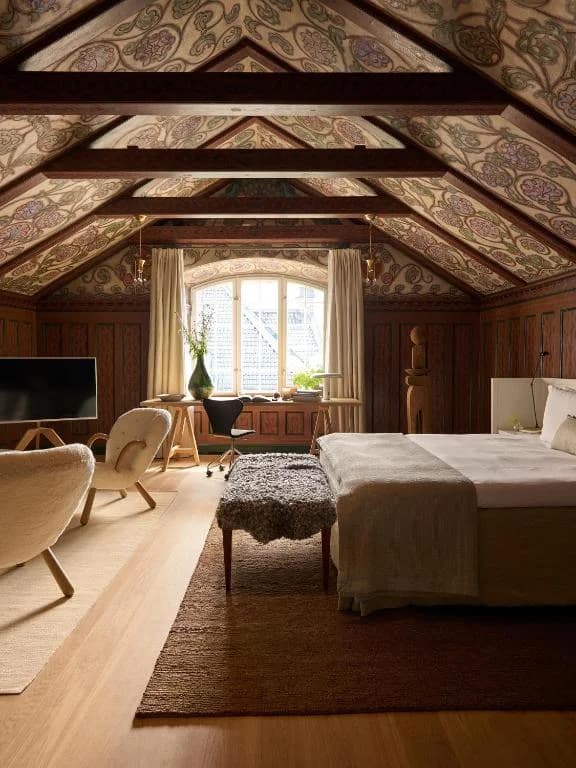
Materials matter at this level of the market. Reclaimed Montana timber, hand-laid stonework, and custom textiles sourced from regional craftspeople signal a property that has invested in a sense of place rather than a generic mountain aesthetic. The distinction between a suite that photographs well and one that sustains a week-long stay is most visible in these details.
How to choose the right luxury suite in Big Sky
Several practical considerations shape the suite selection process in this specific destination.
Season and activity alignment
A ski-in, ski-out suite is a specific product with a specific value proposition. If your visit is oriented around skiing, the reduction in transfer time and the ability to return to the suite mid-afternoon without logistical friction is worth the premium. If your visit is summer-focused, that same location may offer less advantage, and a property closer to the river or with private land access may serve better.
Group size and privacy requirements
Many of Big Sky's finest accommodations are structured for multi-room occupation. Presidential suites, lodge suites, and private cabin configurations accommodate families or small groups without the disconnected feel of adjacent hotel rooms. Confirming the floor plan and the relationship between sleeping and living spaces before committing is always worthwhile.
Service model and inclusions
All-inclusive ranch properties operate on a fundamentally different model from hotel suites. Understanding what is included, guided activities, meals, ground transfers, and what is not, affects the total cost calculation significantly. A suite priced higher at an all-inclusive property may represent better value than a nominally cheaper room at a property with extensive a la carte fees.
Why a curated selection by La Suite matters in Big Sky
Big Sky's luxury accommodation market is smaller and more specialized than comparable mountain destinations. The number of properties operating at genuine top-tier quality is limited, and the differences between them are often invisible from a standard booking interface. La Suite's curation approach focuses on firsthand property assessment, spatial quality, and the specific match between a traveler's priorities and what a suite actually delivers on the ground. In a destination where the wrong choice means 45 minutes of transfer in snow rather than 4 minutes on skis, that precision has direct value. Browse the curated selection by La Suite and identify the suite that fits the trip you intend to take.