Why Big Sur defines a particular kind of American luxury
Best areas to stay in Big Sur
The northern approach: Carmel Highlands to Point Sur
The northern section of Big Sur offers the easiest access from Carmel-by-the-Sea and Monterey, making it the most logistically convenient part of the corridor. The cliffs here are dramatic and relatively accessible. Properties in this zone tend to attract guests who want the Big Sur atmosphere without full isolation, combining coastal proximity with a short drive to Carmel's galleries, restaurants, and wine culture.
The central corridor: Pfeiffer Big Sur and the redwood interior
The heart of Big Sur, centred around Pfeiffer Big Sur State Park and the Big Sur River valley, is where the landscape becomes most layered. Old-growth redwoods sit minutes from coastal bluffs. Properties here offer a genuine sense of immersion, sheltered from both road noise and direct ocean exposure. For travellers who want a balance of forest and sea, this stretch represents the most textured version of a Big Sur stay.
The southern approach: toward Lucia and Esalen
Further south, the coast becomes wilder and less trafficked. The Lucia area and the territory approaching the Esalen Institute carry a more remote quality. Accommodation here tends to cater to guests seeking genuine disconnection. Suite-level stays in this zone are rare precisely because development has been intentionally limited, which gives any property that does exist here a particular scarcity value.
When to visit Big Sur for a luxury suite stay
Big Sur's climate is characterised by what locals call the marine layer: a persistent coastal fog that typically burns off by midday during spring and summer. The clearest, most reliably sunny conditions occur from late August through October, which is also when visitor pressure peaks and suite availability tightens considerably. Planning several months in advance for this window is not optional at most properties.
Winter months, from December through February, bring higher rainfall and occasional road closures on Highway 1, which has historically been vulnerable to landslides and washout. However, winter also brings the fewest visitors, lower rates at certain properties, and a dramatically different atmospheric quality: the coast under storm light and low cloud has a severity that appeals to a specific type of traveller. Spring, particularly April and May, offers wildflower bloom across the hillsides, moderate temperatures, and shorter booking lead times than high summer.
There are no significant luxury hospitality events in Big Sur in the convention sense. The region's cultural calendar is anchored by the Henry Miller Memorial Library, which hosts literary and musical events year-round, and by the natural calendar of whale migration and seasonal wildlife movement along the coast.
Understanding the local luxury standard in Big Sur
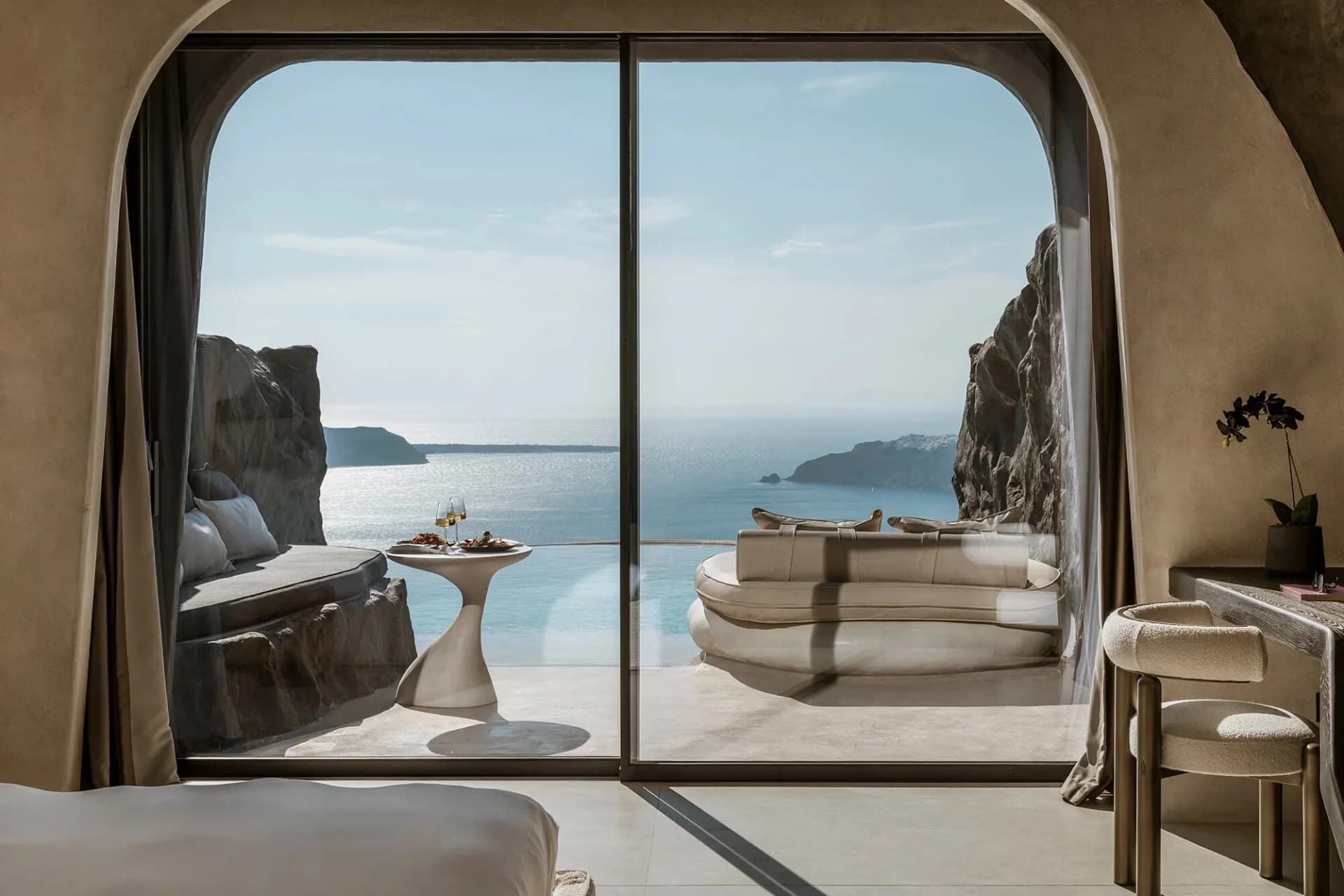
Big Sur does not operate within conventional hotel rating systems in the way that urban markets do. The relevant standard here is not a star category or a palace designation. It is, more precisely, the degree to which a property has resolved the tension between high-end hospitality and the natural environment. The most respected accommodations in this corridor have invested heavily in architecture that defers to the landscape, using local stone, reclaimed timber, and glass to create interior spaces that frame the exterior rather than compete with it.
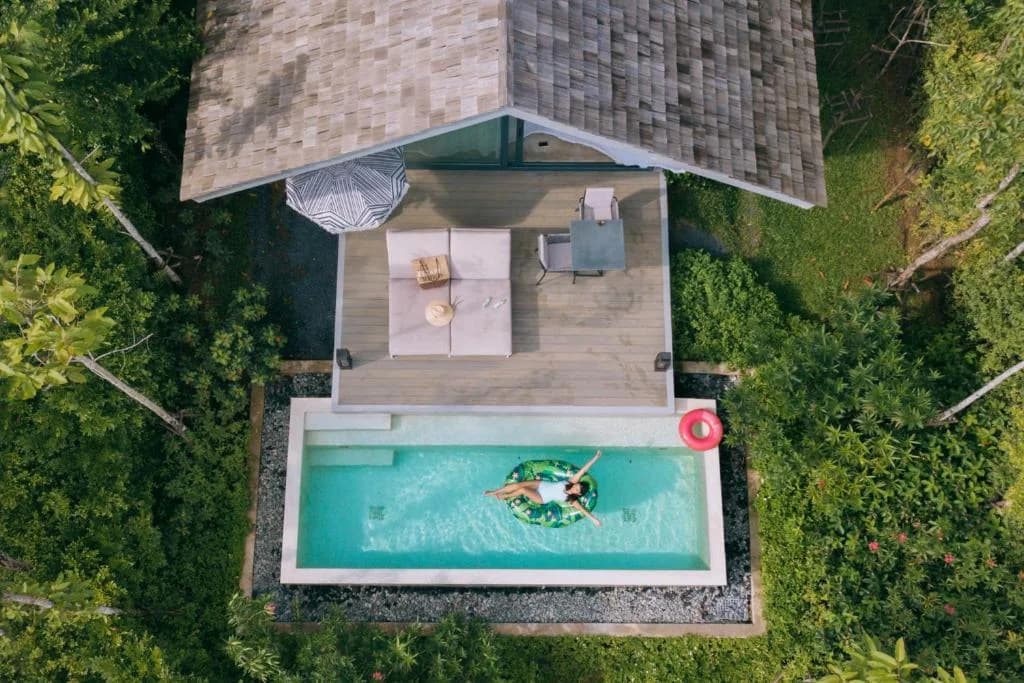
Suite-level accommodation in Big Sur typically means one of two things: a standalone structure with its own deck and uninterrupted views, or a larger room category within a small lodge-format property where the distinction between interior and exterior has been carefully managed. Neither model resembles the suite offering of a major urban hotel. Square footage is rarely the primary metric. The quality of the view, the acoustic privacy, the quality of light at different hours, and the functional outdoor space matter more here than conventional amenity checklists.
Some properties operate on a semi-inclusive basis, with meals and activities bundled into the rate. This model is common in Big Sur partly because the nearest restaurants and services are often many miles away. Understanding the full scope of what a suite rate covers is an essential part of evaluating value in this market.
How to choose the right suite in Big Sur
The first consideration is orientation. An ocean-facing suite on the western side of Highway 1 will deliver direct sunset views and the full Pacific exposure that defines the Big Sur visual register. Suites on the inland side, whether in a canyon or beneath the redwood canopy, offer a completely different sensory experience: darker, cooler, more enclosed. Neither is objectively superior, but they attract different temperaments.
The second consideration is access. Big Sur has no airport, no train service, and limited cellular coverage across much of the corridor. Guests arrive by car, almost without exception. Suite selection should account for the practicalities of driving Highway 1, which is a genuinely demanding road in low light or wet conditions, particularly for guests unfamiliar with its character.
Third, consider the service model. The smallest properties operate with minimal staffing and a philosophy closer to the retreat model than to conventional hotel hospitality. If 24-hour concierge service, on-demand dining, or extensive spa infrastructure are requirements, the suite selection narrows quickly. Big Sur's finest accommodations offer depth of experience rather than breadth of service.
The value of a curated selection by La Suite in Big Sur
Big Sur presents a specific curation challenge. The number of genuinely high-quality suite offerings along this corridor is limited by design. Development constraints, environmental regulations, and the sheer difficulty of building in the Santa Lucia Mountains have kept the inventory small. Within that small inventory, the variation in quality, positioning, and experiential logic is significant.
La Suite's approach to this territory is to identify the properties where suite-level accommodation genuinely reflects the landscape rather than simply existing within it. That means evaluating not just room specifications but architectural intention, view orientation, acoustic character, and the coherence of the overall property experience. For travellers who visit Big Sur once and want that visit to be precise, the curated selection by La Suite removes the interpretive work that this particular corridor otherwise demands.