The distinct geography of Cape Cod and where to stay
The Upper Cape, the area closest to the mainland, encompasses towns such as Falmouth and Sandwich. This zone is the most accessible and the most architecturally layered, with colonial-era buildings sitting alongside estates developed during the late nineteenth century. Properties here tend to be larger in footprint, with grounds that offer genuine seclusion. The demographic skews toward families and those seeking a quieter proximity to Boston or Providence.
The Mid Cape, centered around Hyannis and Barnstable, functions as the administrative and commercial core of the peninsula. Hyannis carries its own cultural weight, associated with the Kennedy family compound and the specific vernacular of East Coast patrician leisure. Hotels in this zone tend toward full-service models, and luxury suite availability here is more consistent across seasons.
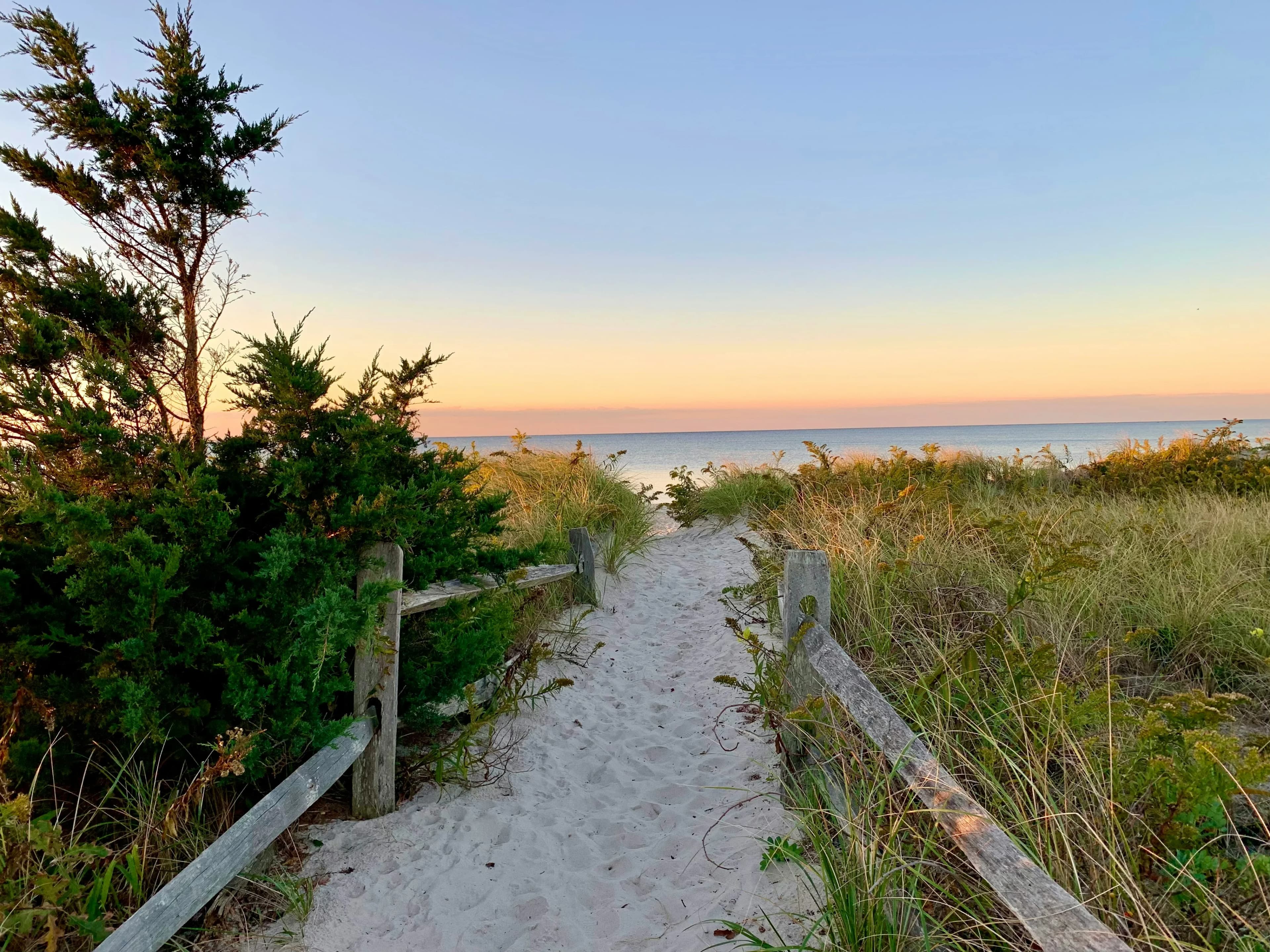
The Outer Cape, stretching from Wellfleet toward Provincetown, is where the landscape becomes most elemental. Dunes managed by the Cape Cod National Seashore, salt pond systems, and an art colony history that dates to the early twentieth century define its identity. Accommodations here are fewer and often smaller in scale, but the spatial quality and proximity to protected land make it a compelling choice for travelers whose priority is environmental immersion.
Provincetown itself, at the peninsula's tip, operates as a cultural enclave with a distinct identity: a working fishing port that has absorbed successive waves of artists, writers, and LGBTQ+ communities. Its hospitality infrastructure reflects that layering, with boutique properties that prioritize design literacy over conventional luxury signaling.
When to visit Cape Cod for a luxury suite experience
The Cape's hospitality calendar is compressed in ways that differ significantly from year-round luxury destinations. Peak season runs from late June through Labor Day in early September, during which suite availability tightens considerably and rates reach their annual ceiling. Booking a luxury hotel suite during this window, particularly in July and August, requires significant lead time, often six months or more for properties with limited inventory.
The shoulder seasons offer a genuinely different proposition. Late May and early June bring cooler temperatures, cleaner light, and a quieter landscape that many experienced visitors prefer. The herring runs in spring and the annual Daffodil Festival in Nantucket (a short ferry crossing from Hyannis) mark cultural moments that draw a specific, culturally engaged traveler.
September and October represent perhaps the most architecturally and atmospherically rewarding period. The tourist volume drops sharply after Labor Day, foliage begins to shift by mid-October, and the quality of late-afternoon light along the Atlantic-facing shores becomes particularly precise. Many properties offer more competitive suite rates during this window while maintaining full service levels.
Winter on the Cape is largely dormant from a hospitality standpoint. A number of properties close entirely between November and April, and those that remain open do so with reduced amenities. For travelers specifically seeking isolation and raw coastal atmosphere, a winter stay can be compelling, but suite options narrow considerably.
Understanding luxury standards in Cape Cod's hotel landscape
Cape Cod does not operate within a European-style classification system for prestige hospitality. There is no formal equivalent of the French Palace designation or Italy's historic relais network. The markers of quality here are more contextual and require a different reading framework.
The dominant architectural vernacular is the shingle style: cedar-clad exteriors that weather to silver-grey, steeply pitched roofs, and a deliberate restraint that reads as confidence rather than modesty. The finest luxury suites in this context are those that amplify this material language rather than import incongruous international hotel aesthetics. Rooms with direct ocean or salt marsh sightlines, generous terrace or porch access, and interior material choices that reference the local palette (driftwood tones, linen, matte stone) represent the highest expression of suite design in this geography.
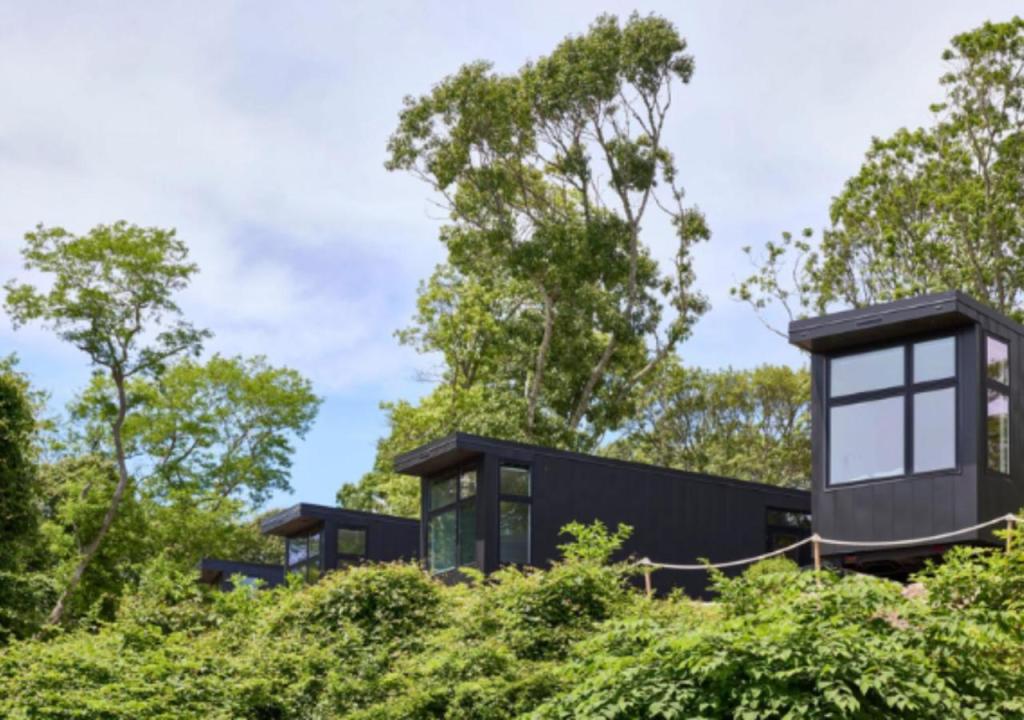
Full-service luxury hotels on the Cape are fewer in number than in comparable coastal destinations of equivalent prestige. Many of the most considered properties operate as boutique hotels or historic inns that have been comprehensively renovated rather than purpose-built luxury towers. This means that suite configurations often reflect the spatial logic of a converted historic structure, with the attendant character and occasional idiosyncrasy that implies.
Spa facilities, fine dining, and concierge infrastructure at Cape Cod properties tend toward the curated and local rather than the internationally branded. A kitchen sourcing directly from Wellfleet oyster beds or Chatham fishing boats, for instance, is a more reliable signal of quality than a celebrity chef affiliation.
How to choose the right luxury suite in Cape Cod
The primary decision axis for a luxury suite on the Cape is orientation: Atlantic-facing properties on the Outer Cape offer a rawer, more elemental relationship with the ocean, characterized by long dune sightlines and persistent wind. Bay-facing properties on the north shore of the peninsula, particularly around Brewster and Dennis, offer calmer water, warmer swimming temperatures, and a more sheltered aesthetic.
A second consideration is the balance between privacy and access to cultural infrastructure. A suite positioned near Provincetown or Chatham places the traveler within walking or short driving distance of galleries, independent restaurants, and seasonal programming. A more remote property, particularly on the Outer Cape near the National Seashore, offers near-complete seclusion but demands a car and a degree of intentionality about daily logistics.
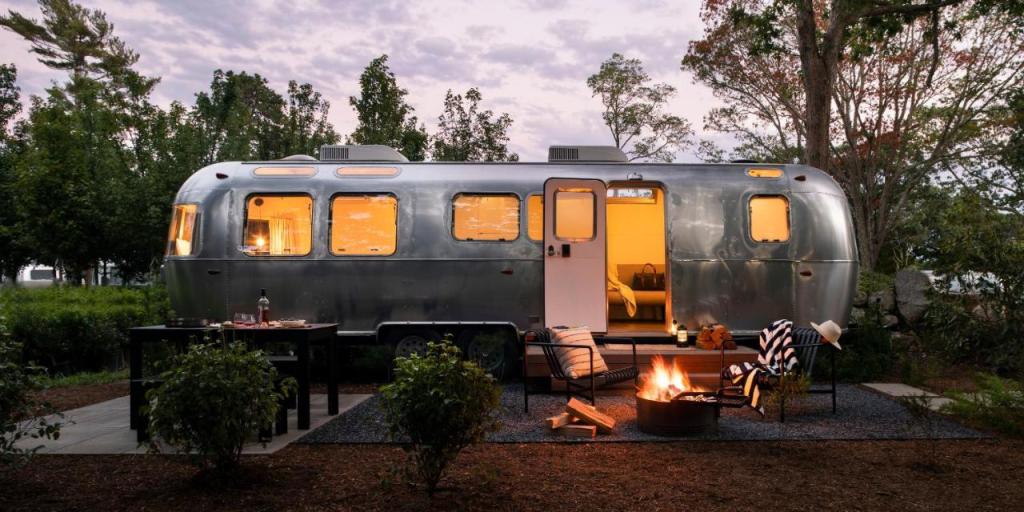
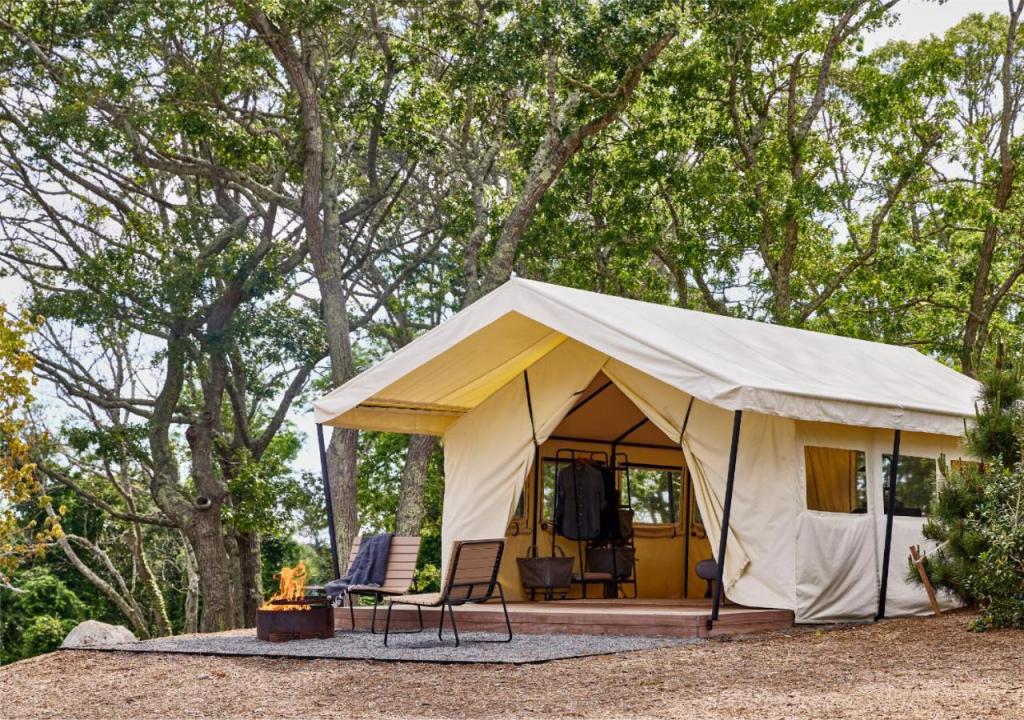
Travelers with families should weigh suite footprint carefully. Properties that offer connected suites or private cottage configurations adjacent to a main hotel provide both family spatial flexibility and access to hotel-level service, a combination that is not universal across the Cape's inventory.
For those prioritizing design coherence, the renovation history of a property is worth examining. Cape Cod has seen a meaningful wave of boutique hotel investment in the past decade, and properties that have undergone recent comprehensive refits tend to offer a more resolved interior experience than those relying on incremental updates to older stock.
Why curation matters for Cape Cod suite selection
Cape Cod's luxury hospitality landscape is smaller and more specific than major international destinations, which creates a particular challenge: the volume of genuinely exceptional suites is limited, and the gap between a well-marketed property and a truly considered one can be significant. Generic booking platforms aggregate inventory without the editorial intelligence to distinguish between these categories.
La Suite approaches Cape Cod with the same curatorial discipline applied to comparable coastal territories globally, identifying suites on the basis of spatial quality, material integrity, service architecture, and sightline value rather than star ratings or promotional positioning. For a destination where the right suite can define the entire tenor of a stay, that selectivity is not a convenience but a functional advantage. The curated selection by La Suite reflects properties where the suite itself is a considered object, not merely an upgraded room.