Best areas in Colorado for a luxury suite stay
The central mountain corridor
Stretching roughly from Vail through Aspen and into the Roaring Fork Valley, this corridor represents the most internationally recognised tier of Colorado luxury travel. The towns here have been shaped by decades of ski culture, second-home ownership, and a design aesthetic that sits somewhere between mountain vernacular and contemporary minimalism. Suites in this zone tend toward high ceilings, fireplace architecture, and unobstructed mountain sightlines. The altitude, consistently above 7,900 feet in the valley floors and considerably higher on the passes, creates a physical environment that encourages slowing down. The best properties understand this and design their common spaces accordingly.
The San Juan Mountains and the southwest
Telluride anchors this corner of the state with a compressed, theatrical intensity. The town sits at the end of a box canyon, and the surrounding peaks reach above 14,000 feet. The luxury properties here are fewer in number but more idiosyncratic in character. This is a destination for travelers who want isolation as a feature rather than an inconvenience. Further south and west, the Four Corners region introduces a different cultural layer entirely, one shaped by centuries of Indigenous Pueblo architecture and a landscape vocabulary that has little in common with the alpine north.
Denver and the Front Range
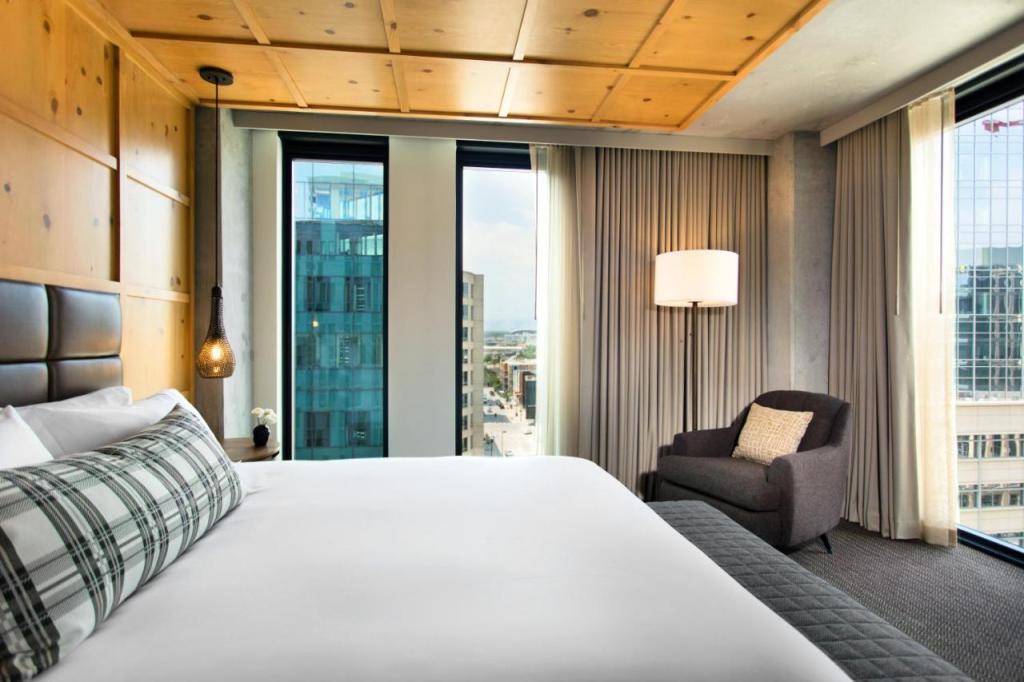
The Front Range, running along the eastern base of the Rockies from Fort Collins through Denver and Colorado Springs, operates at a different register. Denver in particular has invested significantly in its cultural infrastructure over the past two decades: museums, a substantial gallery district, a James Beard-recognised dining scene, and a renovation cycle that has brought several historic properties back to a credible standard. Suites here tend to be urban in format, with city and mountain views functioning as the primary spatial amenity.
Western Slope and canyon country
The Grand Valley around Grand Junction and the canyon systems feeding into the Colorado River offer a third distinct register. Red rock, high desert, and a growing wine industry built around the unique microclimate of the Palisade area. Luxury accommodation here is sparser, but the properties that exist tend to be architecturally responsive to the landscape in ways that more saturated markets rarely require.
When to visit Colorado for a luxury hotel stay
Colorado has two primary peak seasons and two shoulder periods, each with its own logic for the suite traveler.
Winter, from late November through March, drives the mountain corridor. Ski season determines availability, pricing, and the social texture of the major resort towns. Aspen's Food and Wine Classic in June, the Telluride Film Festival in September, and the Aspen Ideas Festival in late June and early July mark the cultural calendar of the summer season. Summer in the mountains runs compressed: roughly mid-June through Labor Day, with wildflower bloom at its peak from mid-July through August. Temperatures at elevation rarely exceed the mid-70s Fahrenheit, making July and August the most physically comfortable months for guests who want to spend significant time outdoors.
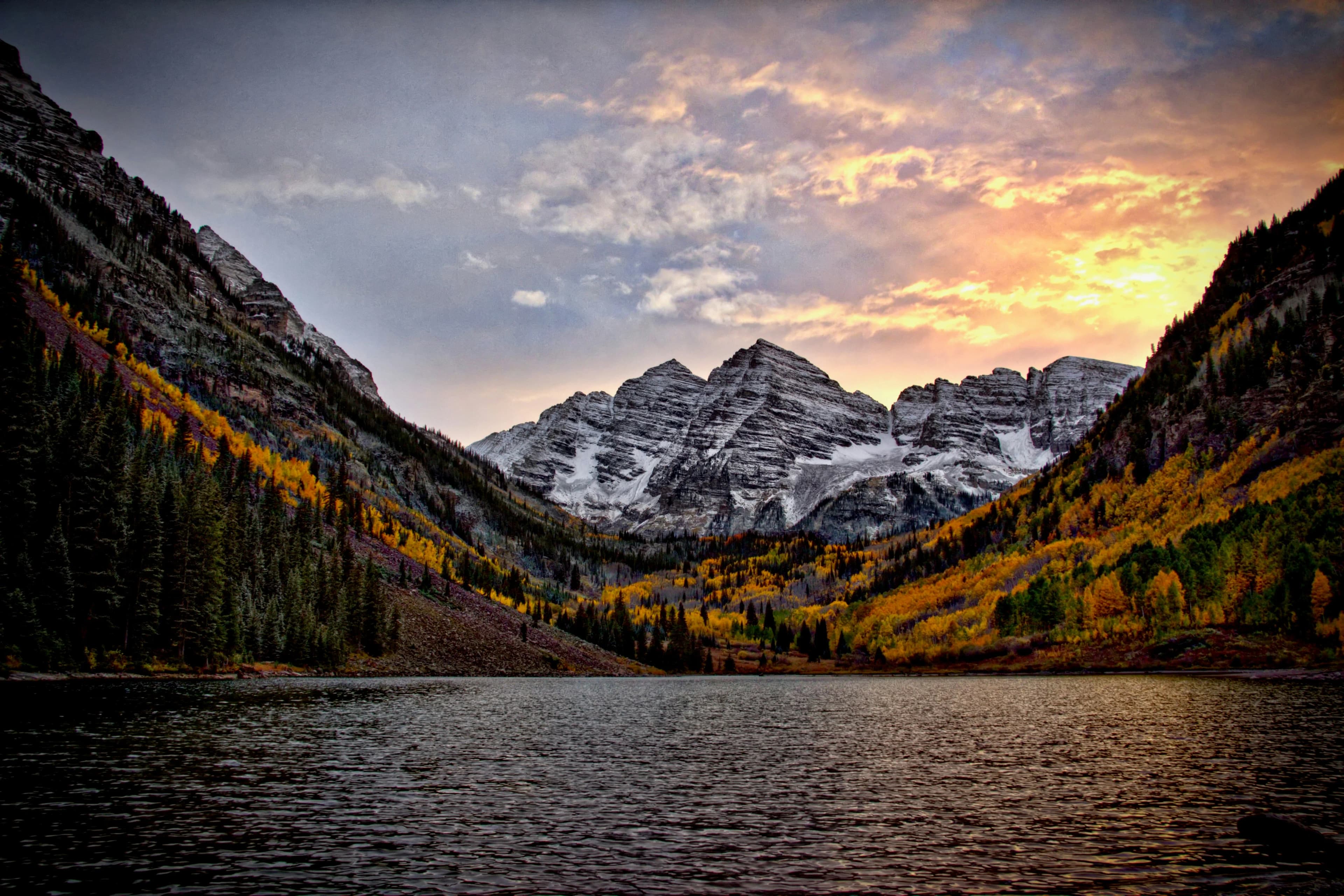
The shoulder seasons, April through May and October through November, are structurally quieter. Many resort properties close for maintenance, but those that remain open often offer their most competitive rates and their lowest occupancy. October in particular is worth consideration: the aspen groves at altitude turn gold typically in the last two weeks of September through mid-October, and the light at this time of year has a particular quality that photographers and designers consistently cite.
Understanding luxury standards in Colorado
Colorado does not use a formal prestige designation equivalent to France's Palace classification. The relevant quality signals here are largely market-driven: Forbes Travel Guide ratings, Relais and Chateaux membership, and in some cases the operational standards set by the major international luxury hotel groups who have entered the market.
The most meaningful distinction in the Colorado context is between ski-in, ski-out access as a suite amenity and properties that require shuttle or driving access to the mountain. For winter travel, this single variable can define the practical quality of the stay more than any interior specification. In summer, the equivalent variable is direct trail access versus requiring vehicle transport to trailheads.
Colorado suites at the top tier typically include altitude-specific features: extra humidification systems, supplemental oxygen availability at the highest elevation properties, and fireplaces treated as functional rather than decorative elements. Guest kitchens or kitchenettes appear more frequently here than in comparable urban luxury markets, reflecting the reality that guests often arrive with specific dietary needs or simply prefer to control their schedule across multi-day mountain stays.
How to choose the best luxury suite in Colorado
The first consideration is altitude and its physical effects. Properties in Aspen, Telluride, and Breckenridge sit above 8,000 to 9,000 feet. Guests who have not spent time at elevation before should account for one to two days of acclimatisation, and the suite itself matters here: generous square footage, good air circulation, and ideally access to supplemental oxygen or on-call wellness services make a material difference to the first 48 hours of a stay.
The second consideration is the relationship between the suite and the outdoors. In a mountain context, a terrace or private deck is not an amenity add-on; it is the primary reason to select one property over another. The orientation matters: south-facing terraces in winter capture warmth and direct mountain light; east-facing orientations offer the most architecturally precise morning views of the high peaks.
The third consideration is the property's service model during the relevant season. Some Colorado luxury properties operate with a full-service model year-round; others scale down significantly in shoulder periods. For guests planning to use concierge, spa, and dining services as integral parts of the stay rather than occasional supplements, confirming seasonal operating levels before booking is essential.
Why curated selection matters in Colorado
Colorado's luxury hotel market has expanded significantly in the past decade, and the marketing language used across the sector has become correspondingly less precise. Properties present themselves with a vocabulary of altitude, wilderness, and exclusivity that is often aspirational rather than descriptive. La Suite applies an editorial standard to this selection: only properties where the suite itself, not merely the surrounding landscape, justifies the classification are included in the curated collection.
For a destination where the natural environment does a significant portion of the atmospheric work, this distinction is critical. A suite that frames a mountain view competently but fails on spatial logic, material quality, or service consistency does not belong in a curated selection regardless of its postcode. La Suite's role is to make that distinction on behalf of the traveler, so that the choice becomes a question of which property fits the specific trip rather than which property is adequately acceptable.