Where to stay in Delaware for a luxury suite experience
The Brandywine Valley and northern Delaware
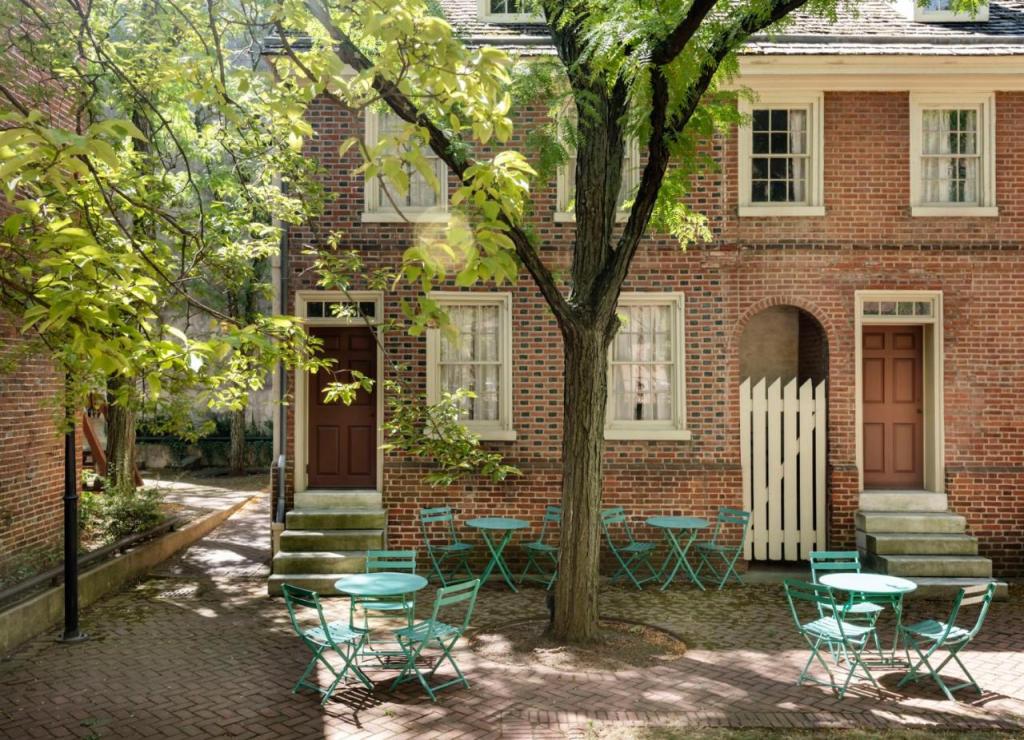
The northern corridor, anchored by Wilmington and extending into the Brandywine Valley, is Delaware's most culturally dense zone. This is the territory of the du Pont family legacy: the Winterthur Museum with its collection of American decorative arts spanning three centuries, Longwood Gardens with its formal landscape architecture, and Hagley Museum occupying the original du Pont gunpowder mills along Brandywine Creek. Suites in this zone tend toward historic estates, converted manor properties, and boutique hotels that position themselves near these cultural institutions. The atmosphere is measured, residential, and intellectually oriented. Travelers who prioritize museum access and garden culture over beach proximity belong here.
The Chesapeake and Delaware Canal corridor
The narrow middle section of the state, cut through by the Chesapeake and Delaware Canal, functions largely as a transit corridor, but it carries its own quiet interest for travelers seeking waterway-adjacent properties. The landscape here is flat, agricultural, and understated. Properties in this zone tend to serve a more functional purpose, though the canal itself provides a distinctive visual context for morning walks and photography.
Delaware's Atlantic coast and the Rehoboth Beach area
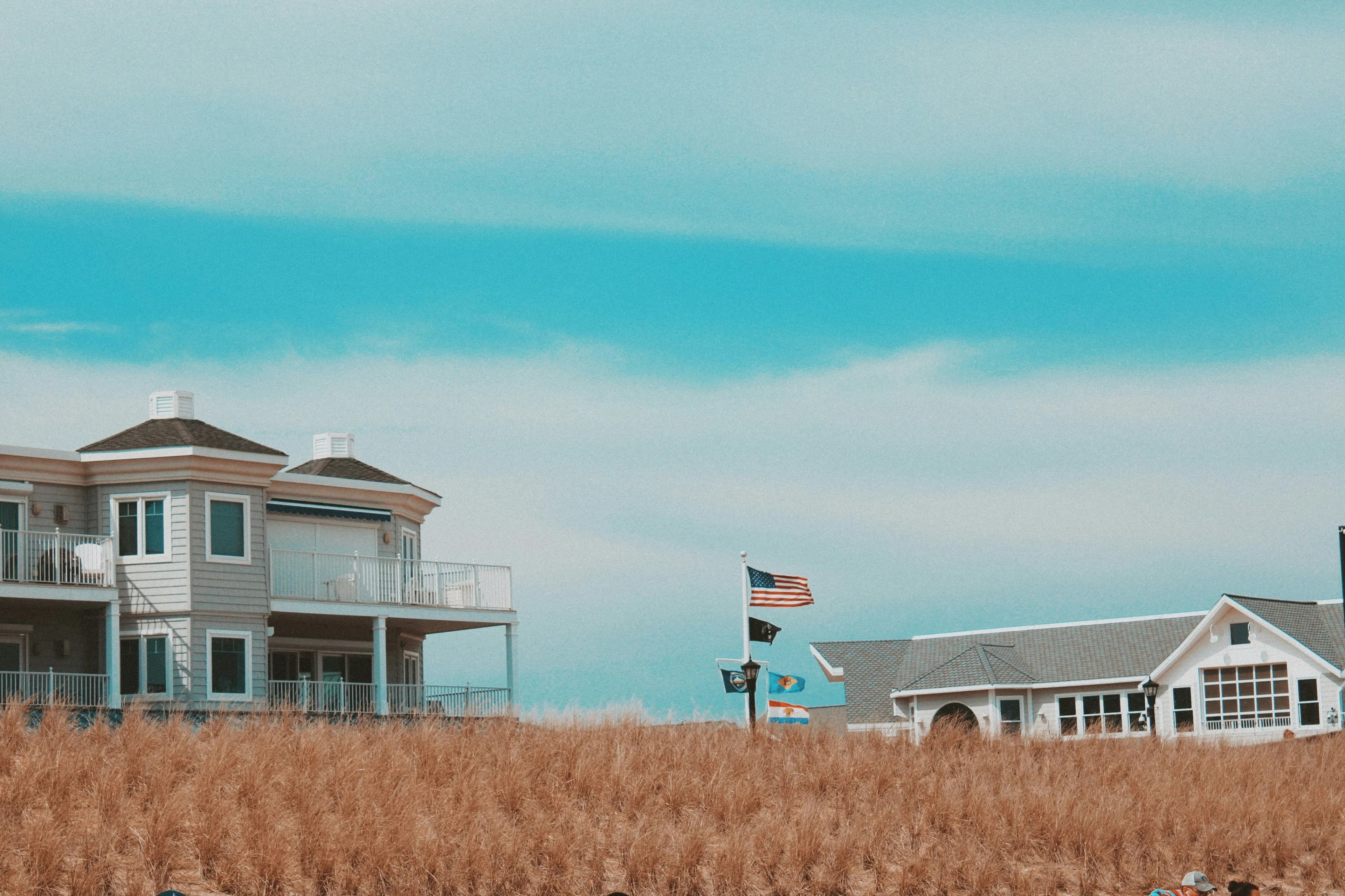
The southeastern corner of Delaware, where the Atlantic coastline runs through Rehoboth Beach, Dewey Beach, Lewes, and Bethany Beach, constitutes the state's most active leisure zone. Rehoboth Beach has long attracted Washington D.C. professionals and political figures seeking coastal distance from the capital. The town maintains a structured, walkable character with independent restaurants, galleries, and a boardwalk that avoids the commercial excess of comparable New Jersey beach towns. Lewes, just north of Rehoboth, offers a more architectural and historically grounded experience, with colonial-era streetscapes and proximity to Cape Henlopen State Park. Suites along this coast range from boutique inn-style properties to newer resort developments. The scale remains human; this is not a destination of high-rise hotel towers.
When to visit Delaware for the finest suite experience
Delaware's climate follows a Mid-Atlantic pattern: four distinct seasons with warm, humid summers and cold but manageable winters. Each season carries a different logic for the suite traveler.
Late spring, specifically May and early June, represents the optimal window for the Brandywine Valley. Longwood Gardens reaches peak bloom during this period, and the surrounding countryside holds its most photogenic condition before summer heat sets in. Hotel availability is generally strong and pricing remains below peak summer levels.
Summer, from late June through August, concentrates activity on the Atlantic coast. Rehoboth Beach sees its highest occupancy during this period, and suite rates at coastal properties peak accordingly. Travelers who prefer coastal stays should book well in advance for July and August, particularly over Fourth of July weekend, which brings the highest demand of the year to Delaware's beach towns.
Autumn is arguably Delaware's finest season for the unhurried traveler. October brings consistent color to the Brandywine Valley and moderate temperatures across the state. Cultural institutions maintain full schedules, and coastal properties transition into a quieter, more intimate mode. Suite availability improves and pricing moderates significantly after Labor Day.
Winter in Delaware offers the clearest opportunity for true solitude, particularly along the coast. Lewes and Rehoboth shed their seasonal populations, and the Atlantic landscape takes on a spare, architectural quality that appeals to a specific type of traveler. Some boutique properties close seasonally, so advance research is necessary.
Understanding luxury standards in Delaware
Delaware does not carry a formal prestige classification system comparable to France's Palace designation or Italy's Leading Hotels category. The state's luxury hospitality market is smaller in scale and more intimate in character than neighboring Maryland or Pennsylvania. What Delaware offers instead is a concentrated set of properties with genuine architectural identity, often connected to historic estates or significant landscapes.
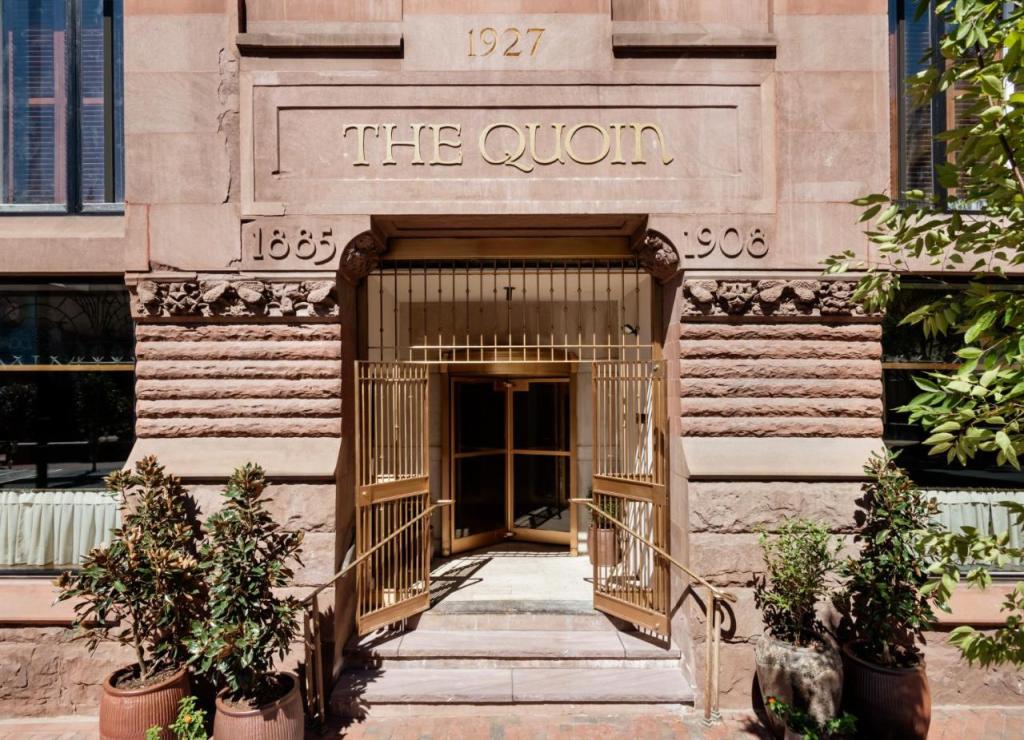
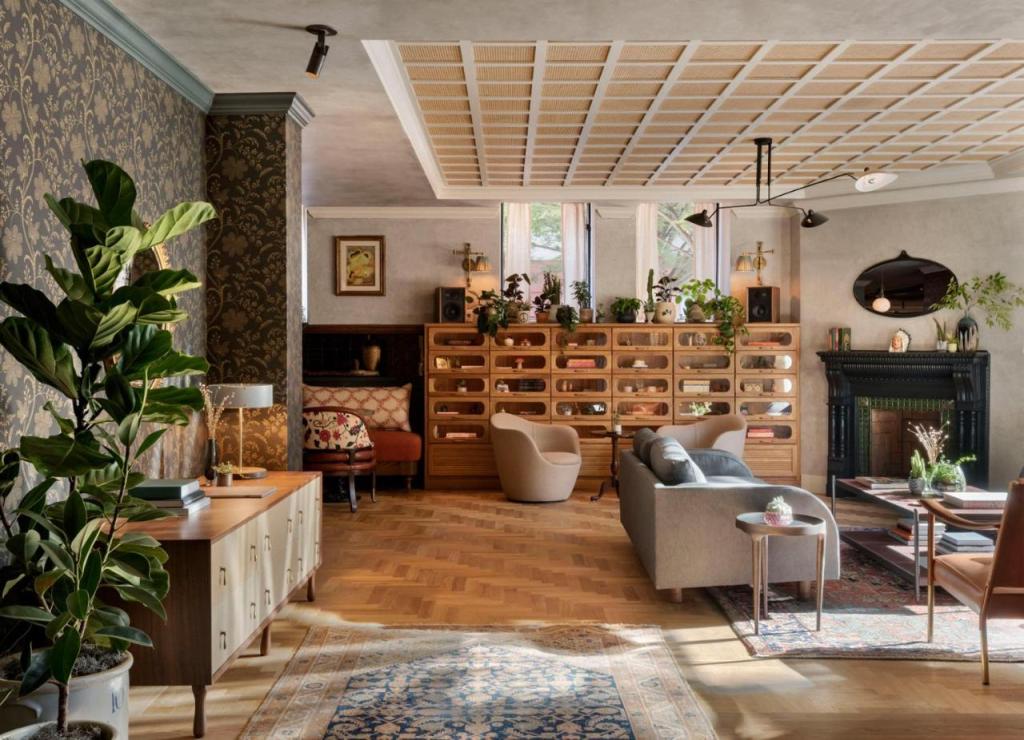
The most relevant quality markers for suites in Delaware include: genuine historical provenance (properties with verifiable connections to significant American history or architecture), landscape position (proximity to Brandywine Creek, the Atlantic shore, or significant garden estates), and interior quality that reflects the decorative arts tradition the region carries. Delaware's finest suites tend to emphasize residential scale over hotel grandeur. Expect high ceilings, original architectural details, curated furnishings, and a staff-to-guest ratio that allows for personalized service without formality.
The Brandywine Valley, given its association with the du Pont family and institutions like Winterthur, maintains a particular standard of curatorial attention that influences the better properties in the area. Travelers familiar with properties in the English countryside or the Hudson Valley will find a comparable sensibility here.
How to choose the right suite in Delaware
The primary decision for any luxury suite traveler in Delaware is geographic: coast or valley. These are not complementary experiences easily combined in a single short stay. The Atlantic coast and the Brandywine Valley sit approximately 90 miles apart and represent fundamentally different trip architectures.
For cultural travelers, the northern zone offers the clearest value proposition. Access to Winterthur, Longwood Gardens, and the Delaware Art Museum (which holds a significant collection of Pre-Raphaelite works) constitutes a serious cultural itinerary. Suites in this zone should be evaluated on proximity to these institutions and on the quality of the property's own architectural and interior narrative.
For coastal travelers, the key differentiator between Delaware's beach towns is rhythm and scale. Rehoboth Beach carries more energy and a wider dining scene. Lewes operates at a slower register with more architectural character. Bethany Beach sits quieter still. Suite selection should match the intended pace.
Practical considerations specific to Delaware include: the state has no sales tax, which affects retail and some service pricing; the coastline is accessible primarily by car, as public transport connections are limited; and many of the finest smaller properties require direct communication for suite-specific requests rather than relying on third-party booking channels.
Why a curated selection by La Suite serves the Delaware traveler
Delaware's luxury suite market is small but precise. The challenge for the discerning traveler is not abundance but signal clarity: identifying which properties genuinely deliver on the promise of space, privacy, and experience rather than simply applying luxury-tier pricing to standard accommodations.
La Suite approaches Delaware with the same editorial standard applied to larger, more widely covered destinations. The curated selection focuses on properties where the suite itself constitutes a meaningful part of the trip, not merely a place to sleep. This includes attention to architectural integrity, service quality, landscape position, and the coherence between the property's identity and the surrounding cultural environment.
For a state as precisely scaled as Delaware, curation is not a convenience. It is the most efficient path to the right property.