Best areas to stay in Denver for a luxury suite experience
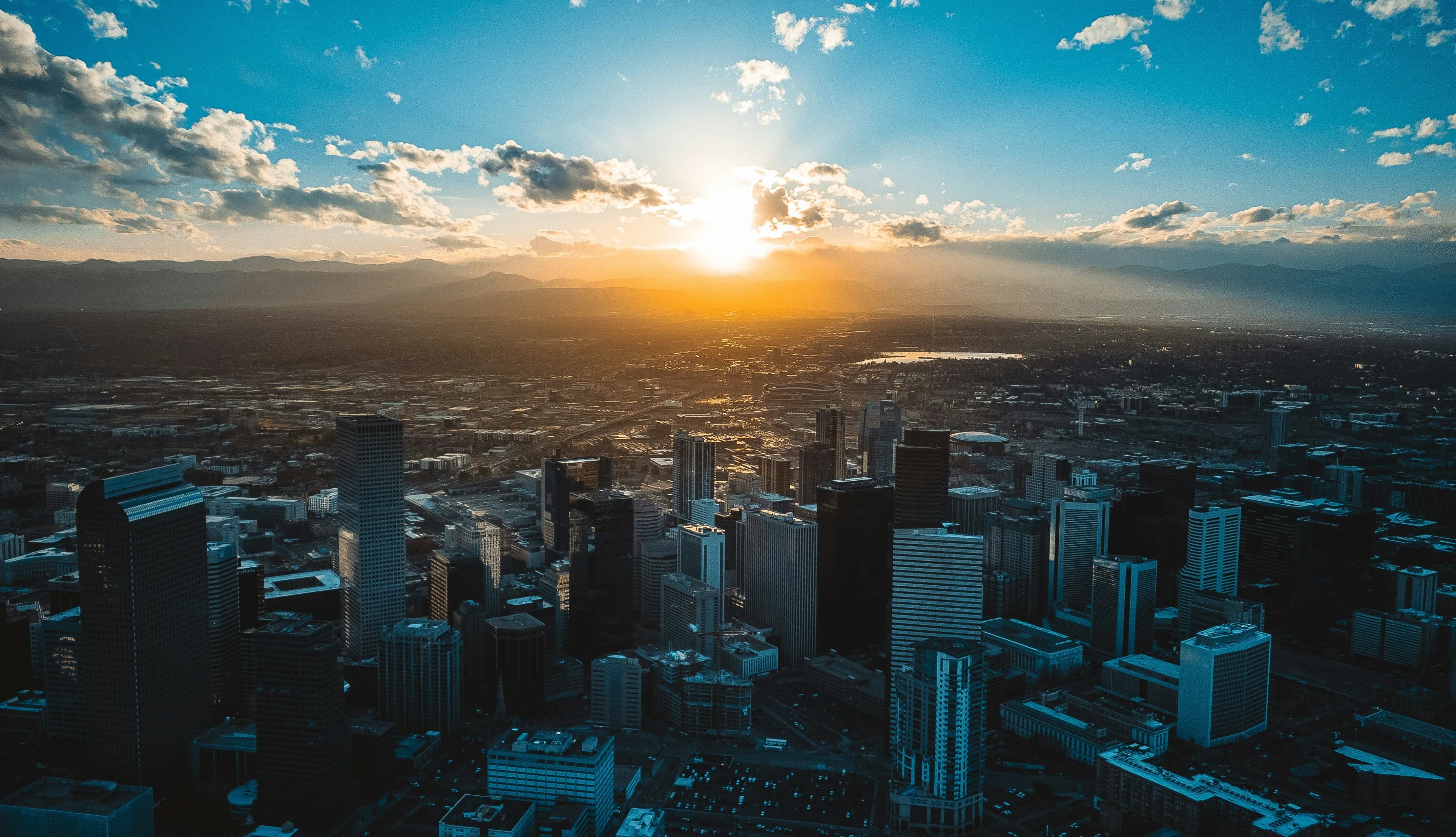
Lower Downtown, widely known as LoDo, anchors the city's most concentrated luxury hotel presence. The district's 19th-century brick warehouses, converted industrial lofts, and proximity to Union Station create a dense, walkable environment where a top-tier suite offers genuine proximity to the city's most considered dining and cultural infrastructure. Colfax Avenue and the Capitol Hill corridor present a different register: broader, more historically layered, with proximity to the Colorado State Capitol and the Denver Art Museum's Frederick C. Hamilton Building, designed by Daniel Libeskind.
Cherry Creek, situated southeast of downtown, operates as the city's primary luxury retail and residential corridor. The neighborhood draws a clientele oriented toward privacy and space, with less street-level noise than LoDo and closer access to curated boutiques and independent galleries. Suites in this area tend to privilege residential scale over spectacle.
The RiNo Arts District, north of downtown, represents an emerging position for design-forward travelers. The district has attracted significant gallery investment and a concentration of architect-led renovation projects. Hotels here are fewer but often more architecturally specific.
When to visit Denver for a premium suite stay
Denver's climate operates with notable consistency: the city records over 300 days of sunshine annually, which shapes both the outdoor culture and the quality of light available from upper-floor suites. Thermal contrasts are sharp, with warm afternoons and cool evenings persisting well into autumn.
Spring and early summer (April through June) represent the most temperate window for travel. Snow has largely receded from the city itself, though the mountain passes remain accessible for those extending into the Rockies. Late September through October offers the additional dimension of aspen color across the foothills, drawing a significant volume of high-end visitors to properties with mountain views.
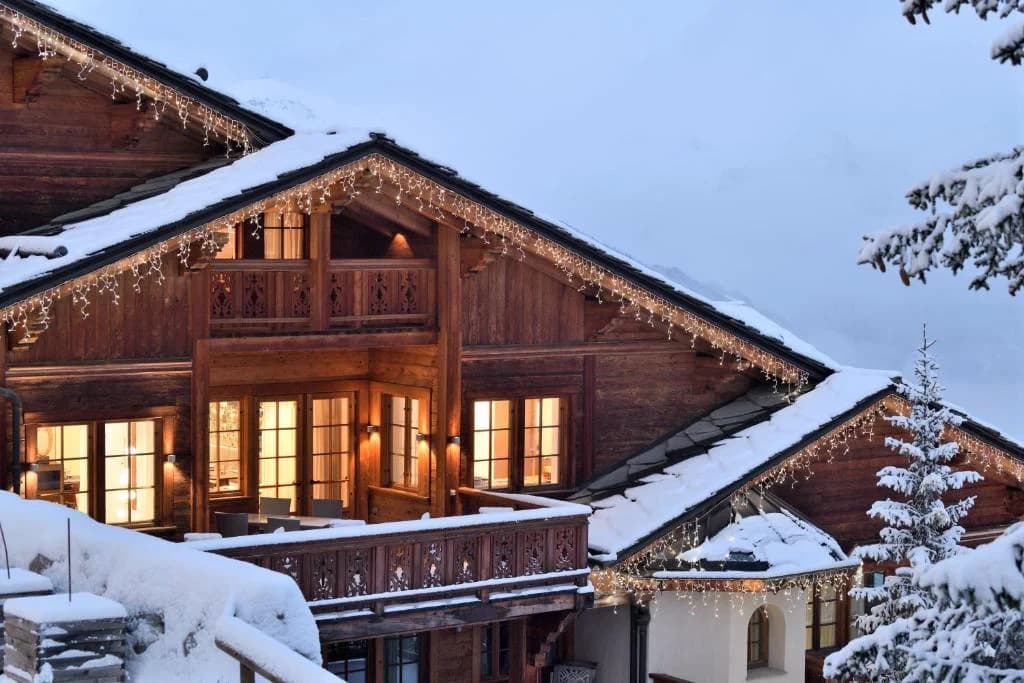
Winter travel to Denver is shaped heavily by ski season. The city functions as a primary gateway to resorts including Vail, Breckenridge, and Aspen. Luxury hotel suites during December through March command premium rates and earlier reservation windows. The National Western Stock Show in January, one of the largest livestock and rodeo events in the United States, brings a particular demographic concentration that affects suite availability downtown.
Summer (July through August) is active but manageable. Altitude affects heat differently here: temperatures rarely exceed the mid-90s Fahrenheit, and evening temperatures drop reliably. Outdoor festivals and the Denver Performing Arts Complex's summer programming keep cultural activity high.
Local luxury standards: what to expect from Denver's top hotel suites
Denver does not operate within a single prestige framework comparable to France's Palace designation or Japan's ryokan tradition. The city's luxury hotel market is defined instead by a combination of national brand flagship presence and a smaller number of independently positioned properties that reflect the Mountain West's specific aesthetic sensibility.
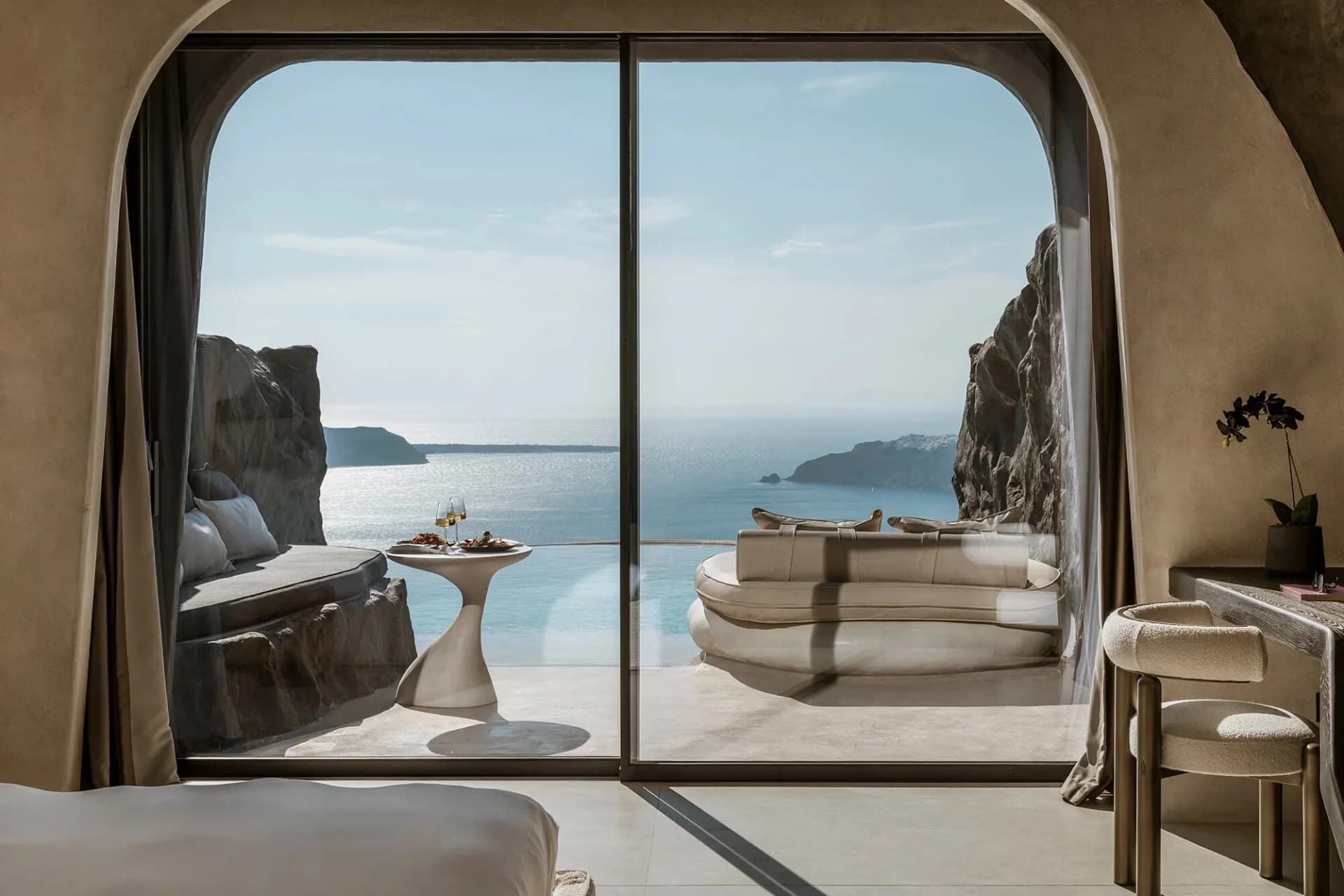
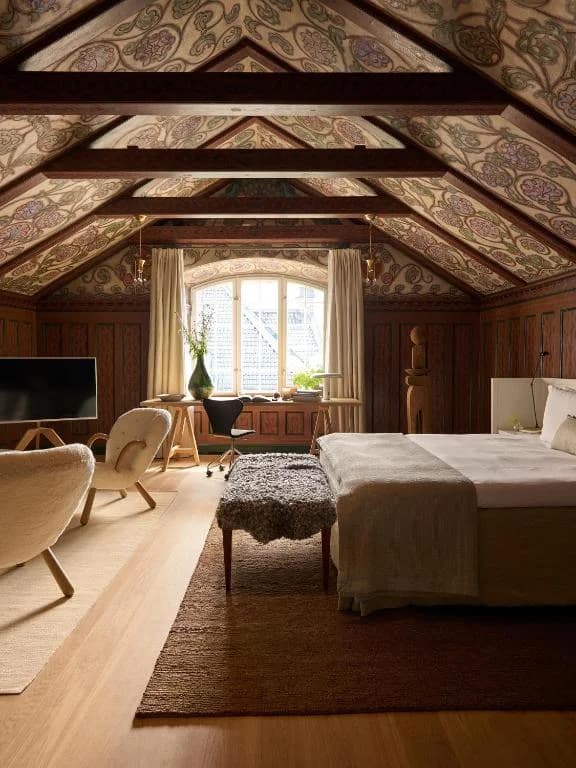
The local standard draws from natural material palettes: stone, reclaimed timber, leather, and muted earth tones derived from the high desert and alpine environments that frame the city. Suites at the upper tier typically prioritize panoramic window framing, often oriented toward the Front Range of the Rocky Mountains. A well-positioned suite can offer uninterrupted sightlines to peaks exceeding 14,000 feet.
Service culture in Denver's luxury tier tends toward directness and functional precision rather than the formal European model. This is not a reduction in quality but a regional character: guests are treated as capable adults with specific preferences, and properties tend to deliver personalized service without excessive ceremony.
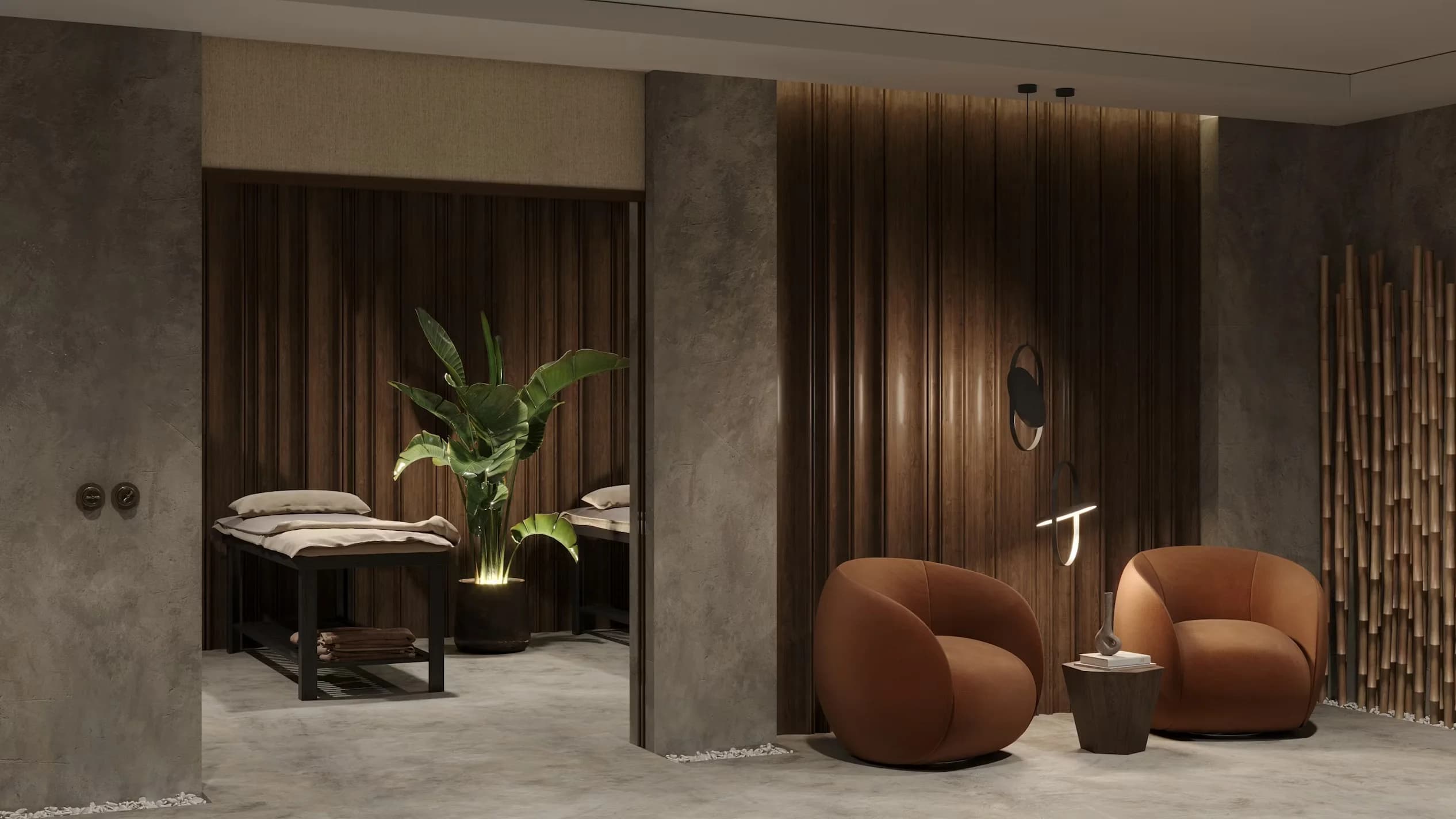
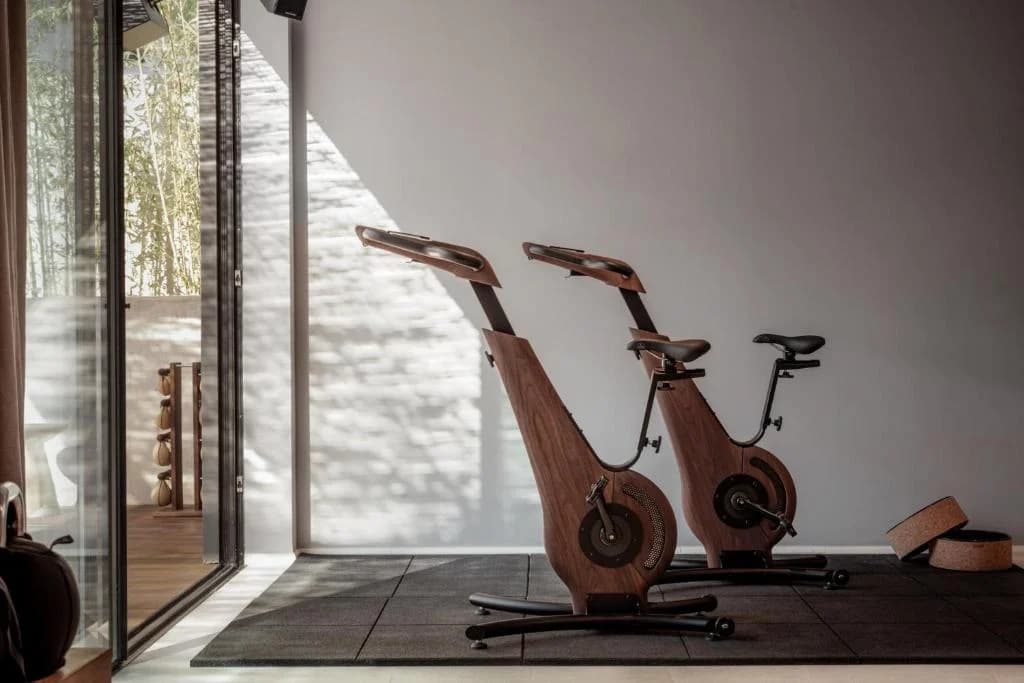
Amenities in top-tier suites frequently include private terraces designed for the city's outdoor orientation, curated local bar programs featuring Colorado spirits and craft producers, and fitness infrastructure that acknowledges the altitude-aware guest. Spa facilities at leading properties often incorporate wellness programming connected to the city's elevation and the broader Rocky Mountain health culture.
How to choose the best luxury suite in Denver
Several structural considerations apply specifically to suite selection in Denver.
Floor orientation matters significantly. Suites positioned on the western and northwestern faces of a building offer mountain views; eastern and southeastern orientations prioritize city skyline and plains panoramas. Both have merit, but the choice is a fundamental one that shapes the daily experience of the space.
Architectural character divides broadly between historic conversion properties in LoDo, where exposed brick and original industrial detailing define the suite's material quality, and contemporary glass-and-steel towers where spatial volume and elevation are the primary assets. Neither category is superior in absolute terms, but they represent different experiential propositions that should align with a traveler's specific priorities.
Altitude acclimatization is a practical consideration for first-time visitors. Denver sits at exactly one mile above sea level. Properties that offer in-suite hydration programs, adjusted minibar curation, and spa services designed for altitude recovery reflect a sophistication about the guest experience that distinguishes them from properties that simply note elevation as a curiosity.
Proximity to Denver International Airport (DIA) is worth examining carefully. The airport sits approximately 25 miles northeast of downtown, a distance that adds meaningful transfer time. Properties that offer dedicated car service or maintain clear transport logistics for early departures reduce the friction that can affect the beginning and end of a stay.
Why a curated selection by La Suite matters in Denver
Denver's luxury hotel market is not large by global-city standards, but it is uneven. The gap between a property that markets itself as luxury and one that consistently delivers it at the suite level is significant. The most important variables (suite orientation, material quality, altitude-specific service protocols, and access to mountain experiences) are not consistently communicated in standard booking interfaces.
La Suite approaches Denver's suite inventory with the same editorial discipline applied to every city in the platform's curation. Properties are assessed on spatial quality, service consistency, design integrity, and the degree to which they genuinely serve the needs of a traveler for whom the suite is the primary reason for the choice of property.
For travelers approaching Denver as a destination in its own right, as a pre- or post-ski base, or as a connecting point for broader Rocky Mountain travel, La Suite's curated selection provides the clarity that the market itself does not always offer.