Where to stay in Idaho for a luxury suite experience
Sun Valley and the Wood River Valley
Sun Valley remains Idaho's most internationally recognized luxury address. Built around a ski resort commissioned in 1936 by Averell Harriman for Union Pacific Railroad, it has evolved into a year-round destination for those who equate altitude with discretion. The surrounding Wood River Valley offers mountain terrain that is simultaneously accessible and austere. Properties here tend toward the architectural languages of alpine modernism and Western ranch vernacular, with suites that are calibrated for guests arriving after a day on the mountain or on the trail. The social rhythm is understated: film festivals, classical music programming, and competitive cycling events structure the calendar without overwhelming the prevailing quiet.
Coeur d'Alene and the Idaho Panhandle
The northern panhandle presents a different register entirely. Lake Coeur d'Alene, one of the largest natural lakes in the Pacific Northwest, anchors a region where water defines the experience as completely as rock defines the central highlands. The panhandle's proximity to Spokane gives it a degree of urban connectivity unusual for this state, while its forested shorelines maintain genuine separation. Luxury accommodations here prioritize lake access, boating, and the particular quality of light that comes off a large body of fresh water at elevation.
The Sawtooth Wilderness and central Idaho
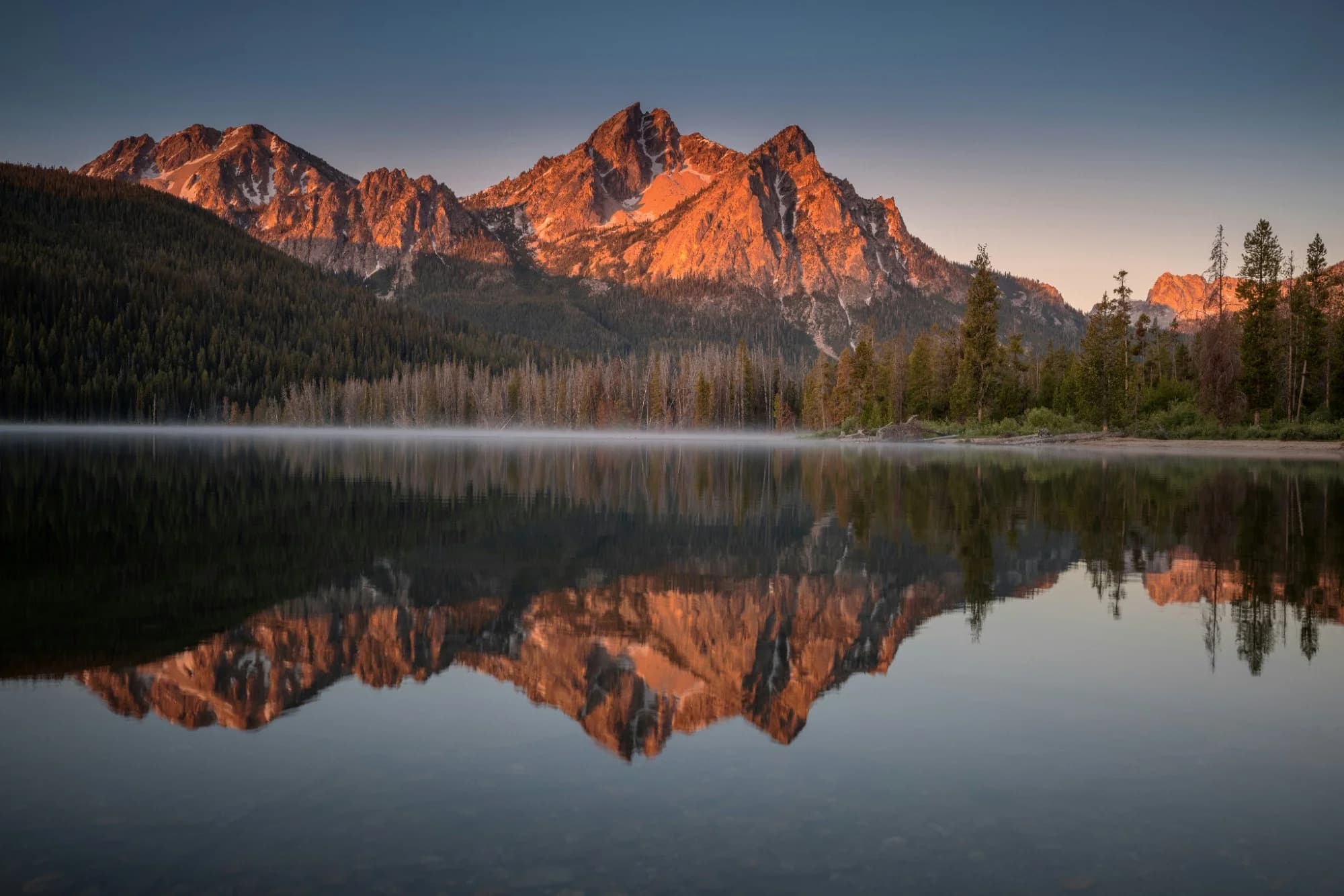
Central Idaho is the least compromised part of the state. The Frank Church River of No Return Wilderness, the largest contiguous wilderness area in the lower 48 states, occupies much of this zone. Access is intentionally difficult. Fly-in lodges and remote outpost properties define the luxury tier here, where the proposition is radical removal rather than amenity accumulation. A suite in this context means something different: it means a considered interior against a backdrop of near-total silence.
Boise foothills and the high desert
The state capital sits at the edge of the high desert, where the Boise foothills rise sharply from an urban grid that has matured considerably in the past decade. For travelers whose itinerary mixes cultural engagement with outdoor access, this corridor offers a pragmatic base. The culinary and arts infrastructure has developed to a standard that makes it a credible starting point for deeper exploration of the state's interior.
When to visit Idaho for a luxury hotel stay
Idaho's seasons are pronounced, and the optimal timing depends entirely on the nature of the experience being sought.
Winter, from December through March, is the canonical season for Sun Valley. Snow depth and light quality during this period are consistent with the best alpine destinations in North America. Suite availability at the premier properties compresses significantly around the holiday period and during major competitive skiing events, so advance planning is not optional at this tier.
Summer, from late June through September, is when central and northern Idaho open fully. River flows on the Middle Fork of the Salmon peak in late June and July, making this the preferred window for white-water travel. The Sawtooth Valley reaches its brief, brilliant warmth in July and August. The Sun Valley Summer Symphony, held annually in August, draws a culturally engaged audience that fills the best rooms in the valley.
Shoulder seasons, particularly September and October, offer a compelling case for the informed traveler. Autumn color in the high country arrives early, crowds thin after Labor Day, and the ranching calendar produces its own particular atmosphere. Spring, while variable, offers wildflower sequences in the Snake River Canyon and the Owyhee highlands that are largely undocumented by mass tourism.
Understanding luxury standards in Idaho
Idaho does not operate within a European framework of palace hotels or historic grand establishments. The luxury standard here is defined by different criteria: acreage, access, and the quality of the natural interface.
The most respected properties in the state tend to be private ranch resorts, fly-in wilderness lodges, and purpose-built mountain retreats. The distinction between a high-end suite and a standard room in this context often comes down to orientation: which direction the windows face, whether a private deck overlooks the river or a service road, and whether the interior materials reflect the surrounding landscape or contradict it.
Service in Idaho's top-tier properties follows the American West convention of informed informality. Staff are frequently expert guides, naturalists, or former competitive athletes. The hospitality is substantive rather than ceremonial. Guests at this level should expect comprehensive activity programming, private access to wilderness areas, and culinary programs built around regional sourcing: Snake River trout, Wagyu from local ranches, and a wine list that pulls from the growing Snake River Valley appellation.
How to choose the best luxury suite in Idaho
The primary decision axis in Idaho is between accessibility and remoteness. A suite at a Sun Valley property or a Coeur d'Alene lakeside hotel is bookable and reachable by commercial flight with a single connection from most major US cities. A suite at a central Idaho wilderness lodge may require a charter flight from a small regional airport and a commitment to a fixed itinerary.
Architecture is a secondary consideration with real consequences. Properties built in the ranch tradition prioritize horizontal mass, natural materials, and the integration of interior and exterior space. More recent constructions in the Sun Valley corridor have introduced a cleaner modernist vocabulary, with larger glass surfaces and more restrained material palettes. Neither is superior in absolute terms; the choice depends on whether the traveler is seeking immersion in Western historical identity or a more contemporary formal experience.
Suite size in Idaho's best properties is generally generous by any comparison point. The spatial standard reflects the logic of the landscape: compression feels out of place here. Private outdoor areas, whether decks, hot tubs, or direct access to a river, are a meaningful differentiator at the top tier.
Why a curated selection matters in Idaho
Idaho's luxury hotel market is smaller and less codified than comparable Western destinations. The properties that genuinely meet the standard for a discerning traveler are not always the ones with the highest profile marketing. Some of the most considered suites in the state belong to properties that operate with deliberate discretion, relying on repeat guests and qualified referrals rather than broad distribution.
La Suite applies a consistent editorial standard to the selection of properties in Idaho, evaluating each against criteria that include spatial quality, service depth, architectural integrity, and the specificity of the natural experience on offer. The curated selection by La Suite is not a directory. It is a considered editorial position on where the standard is genuinely met in this state.