Where to stay in Kansas for a high-end experience
The Flint Hills corridor
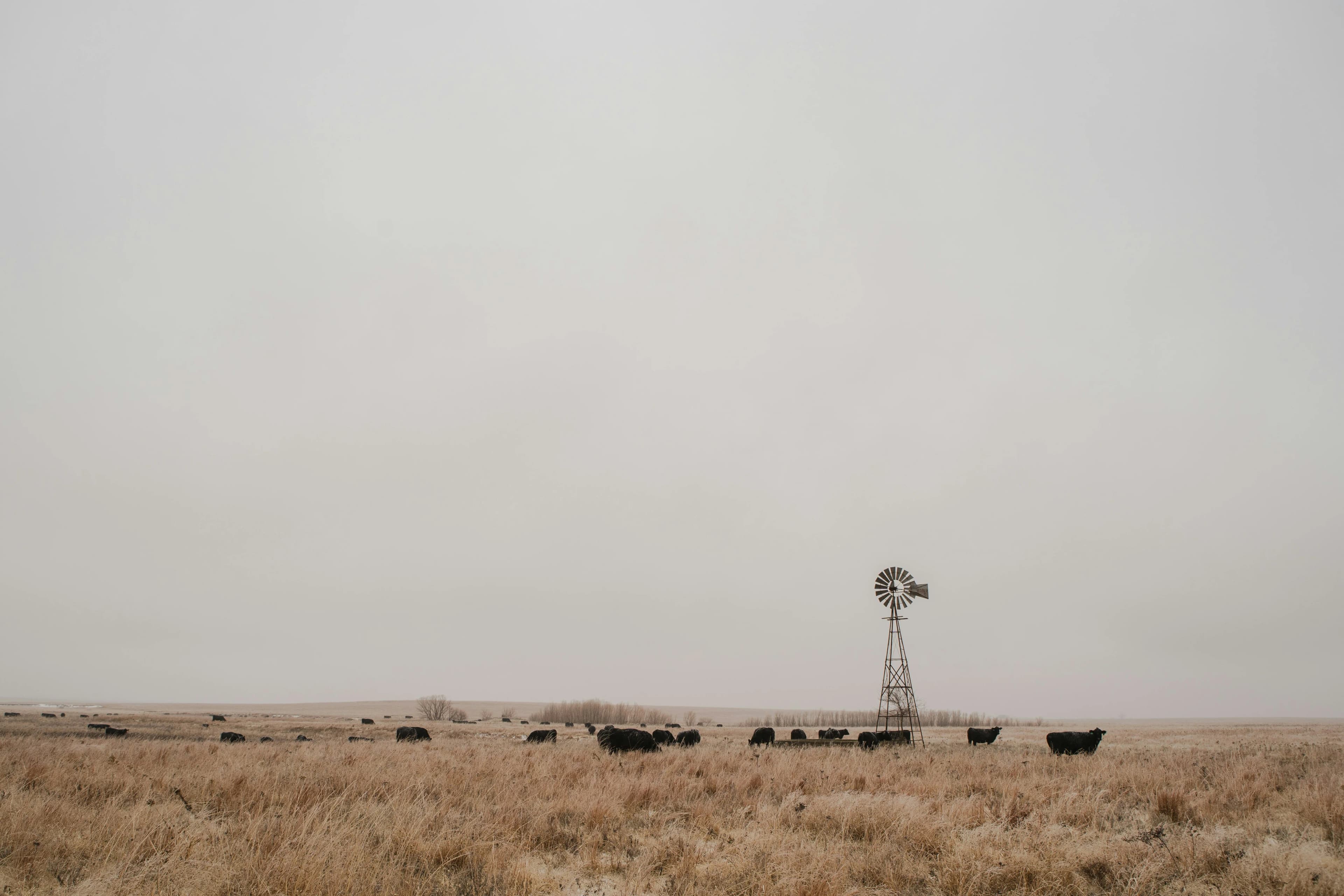
The Flint Hills represent one of the last intact tallgrass prairie ecosystems in North America. The light here at dusk is particular: a low amber wash across unbroken grass that recalls the aesthetic of abstract landscape painting. Properties positioned near this corridor offer a form of solitude that is genuinely rare. Suites in this zone tend to prioritize expansive views, natural materials, and a measured quietness that aligns with the surrounding environment.
Wichita and the urban interior
Wichita functions as the state's commercial and cultural center. It carries an underappreciated design heritage rooted in its aviation industry history and its mid-century civic architecture. Hotels here tend toward the contemporary, with suites that reflect a more urban sensibility: clean lines, deliberate materiality, and proximity to the Arkansas River corridor and the growing arts district.
Kansas City metropolitan edge
The eastern edge of Kansas, adjacent to Kansas City, offers access to one of the Midwest's most culturally layered metropolitan areas. The Kansas-side suburbs and the broader metro present properties that blend proximity to cultural institutions, dining, and live music with the spatial generosity that suite travelers require.
When to visit Kansas for a luxury stay
Kansas operates on a continental climate, which means the visit window matters more than in more temperate destinations.
Late April through early June represents the most considered time to visit. The tallgrass prairie greens fully, temperatures are moderate, and the Flint Hills burn season (typically late March to early April) has passed, leaving the landscape at its most visually composed. This period also coincides with regional arts programming and agricultural events that give cultural texture to a stay.
September and October offer a second window. The light becomes lower and more directional, the heat of the summer has lifted, and the prairie transitions into its autumn palette. Suite availability tends to be more flexible in these shoulder months, which can allow for more favorable positioning at the better properties.
Summer in Kansas runs hot, with temperatures regularly exceeding 35 degrees Celsius in July and August. Winter brings wind and, occasionally, significant snowfall. Neither season is inhospitable, but both require deliberate planning, particularly for travelers who intend to engage with the outdoor landscape.
Understanding luxury standards in Kansas
The luxury hotel market in Kansas operates differently from coastal American destinations. There is no equivalent of New York's legacy palace hotels or Los Angeles's design-driven boutique circuit. What exists instead is a more localized definition of prestige, one built on spatial generosity, service attentiveness, and an authentic connection to regional identity.
Top-tier suites in Kansas tend to emphasize square footage and quietness over decorative elaboration. The better properties invest in high-quality linens, locally sourced food programming, and staff ratios that allow for genuine personalization. In ranch and prairie settings, the suite experience may extend outdoors through private terraces, fire features, or direct access to the surrounding land.
The concept of the boutique historic property is gaining traction in several Kansas towns, particularly those with preserved Victorian or early 20th-century commercial architecture. These conversions, when executed well, offer a suite experience with genuine material character: exposed brick, original millwork, and ceiling heights that feel architectural rather than merely adequate.
How to choose the right suite in Kansas
The primary decision for a high-end traveler in Kansas is environmental: do you want the open landscape or the urban context? This single choice shapes almost every other aspect of the stay.
For those drawn to the prairie, the relevant criteria are view orientation, proximity to protected land, and the quality of the property's relationship to the outdoors. A suite that faces east toward a sunrise over tallgrass is a materially different experience from one that faces a parking structure, and the better-curated properties understand this distinction.
For urban stays, the considerations shift toward architecture, neighborhood positioning, and food and beverage quality. Wichita in particular has developed a credible dining scene, and proximity to it from your suite is a practical factor worth weighing.
Travelers should also assess seasonal programming. Some properties in the Flint Hills organize guided prairie experiences, stargazing sessions (the light pollution in western Kansas is among the lowest in the contiguous United States), or connections to regional ranching culture. These offerings elevate a suite stay from comfortable accommodation to genuine experience.
Why curation matters in Kansas
Kansas presents a particular challenge for the independent traveler: the signal-to-noise ratio in hotel search is poor. Aggregator platforms surface properties by volume metrics rather than quality criteria, and the state's most interesting suite experiences are frequently underrepresented or misclassified in standard search results.
La Suite approaches Kansas with the same editorial discipline applied to Paris or Kyoto. The selection process focuses on properties where the suite product is genuinely considered, where the architecture or landscape context is specific, and where the service culture matches the spatial investment. In a destination where the category is less densely populated, that curation carries particular weight.
A curated selection by La Suite in Kansas is not a compromise. It is a commitment to finding the properties that have earned a place in the conversation about serious suite travel, regardless of the destination's coordinates.