Where to stay in Massachusetts: distinct areas for luxury suite travel
Boston and its historic core
Boston functions as the state's gravitational center, and its Back Bay and Beacon Hill neighborhoods contain the highest concentration of full-service luxury hotels. The architecture here is predominantly Victorian brownstone and Federal-period brick, and the best properties have either preserved or referenced this vocabulary in their interiors. Proximity to the Isabella Stewart Gardner Museum, the Boston Symphony Orchestra, and the dining corridor of the South End gives a Boston suite cultural density that is unusual for an American city of its size. For travelers prioritizing walkability, institutional culture, and urban refinement, the Boston core remains the clearest choice.
Cambridge and the academic corridor
Across the Charles River, Cambridge offers a quieter register. The presence of Harvard and MIT shapes the local culture toward intellectual seriousness, and the hotel landscape reflects this: smaller inventories, more considered design, and a guest profile that tends toward academics, executives, and cultural visitors rather than leisure tourism. A luxury suite in Cambridge trades the energy of downtown Boston for proximity to some of the finest university museums and libraries in the country.
The Berkshires
In the western part of the state, the Berkshires represent Massachusetts at its most pastoral. The region is anchored by Tanglewood, the summer home of the Boston Symphony Orchestra, and a constellation of contemporary art institutions including Mass MoCA and the Clark Art Institute. Properties here lean toward converted estates and inn-format hotels set within forested landscape. The seasonal rhythm is pronounced: summer and autumn draw the largest volumes of culturally motivated travelers, while winter offers a quieter, more private experience for those who seek it.
Cape Cod, Martha's Vineyard, and Nantucket
The coastal southeastern corner of Massachusetts operates on its own logic. Cape Cod provides a more accessible introduction to the region's Atlantic character, while Martha's Vineyard and Nantucket, accessible only by ferry or small aircraft, offer a more controlled and deliberate experience. Nantucket in particular has developed a luxury hospitality identity built on restraint: grey-shingled architecture, curated interiors, and a near-total absence of the commercial sprawl found on the mainland. Suite inventory on the islands is limited and demand is concentrated in the summer months, making advance planning essential.
When to visit Massachusetts for a luxury suite experience
Massachusetts has four genuinely distinct seasons, each of which produces a different quality of experience. Summer, from late June through August, is the peak period for coastal properties and island travel, with Nantucket and the Vineyard operating at full capacity. Autumn, specifically the period from mid-September through late October, is widely regarded as the state's most atmospheric season: the foliage across the Berkshires and the Connecticut River Valley reaches its full intensity, and hotel rates in inland properties are typically at their highest. Spring arrives gradually, with April and May offering a less congested experience in Boston and Cambridge. Winter reduces tourist volume significantly, and several coastal and island properties close entirely from November through March, a practical consideration when planning around these areas.
Cultural events that drive suite demand include the Tanglewood Music Festival (July and August), the Boston Marathon (third Monday in April), and the various graduation ceremonies concentrated at Boston and Cambridge institutions in late May and early June. These windows compress suite availability considerably and should be factored into planning timelines.
Understanding luxury standards in Massachusetts
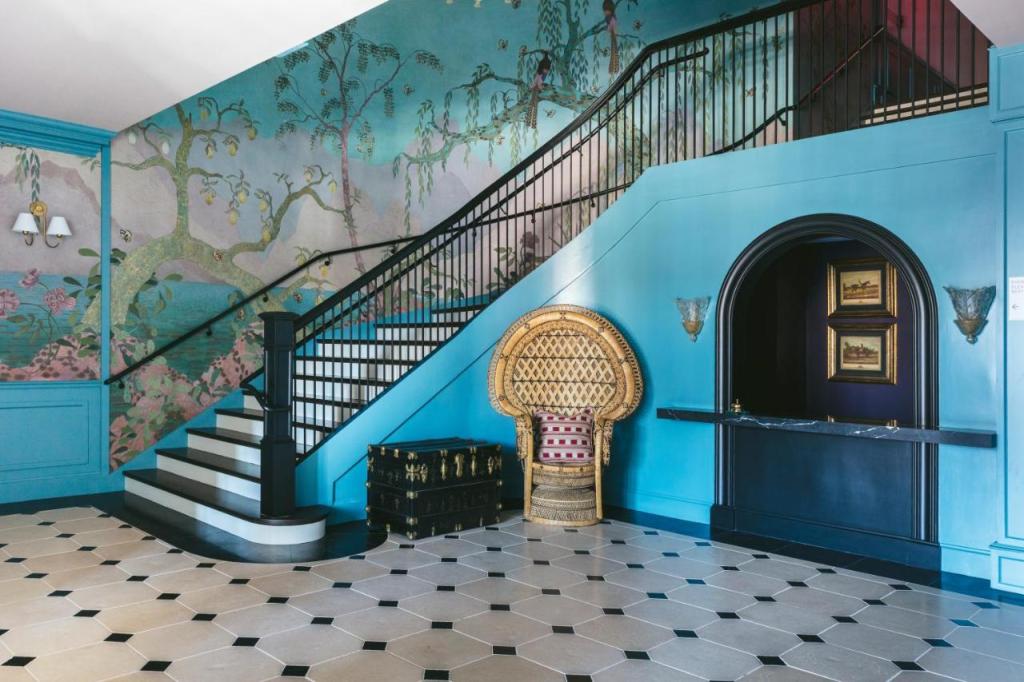
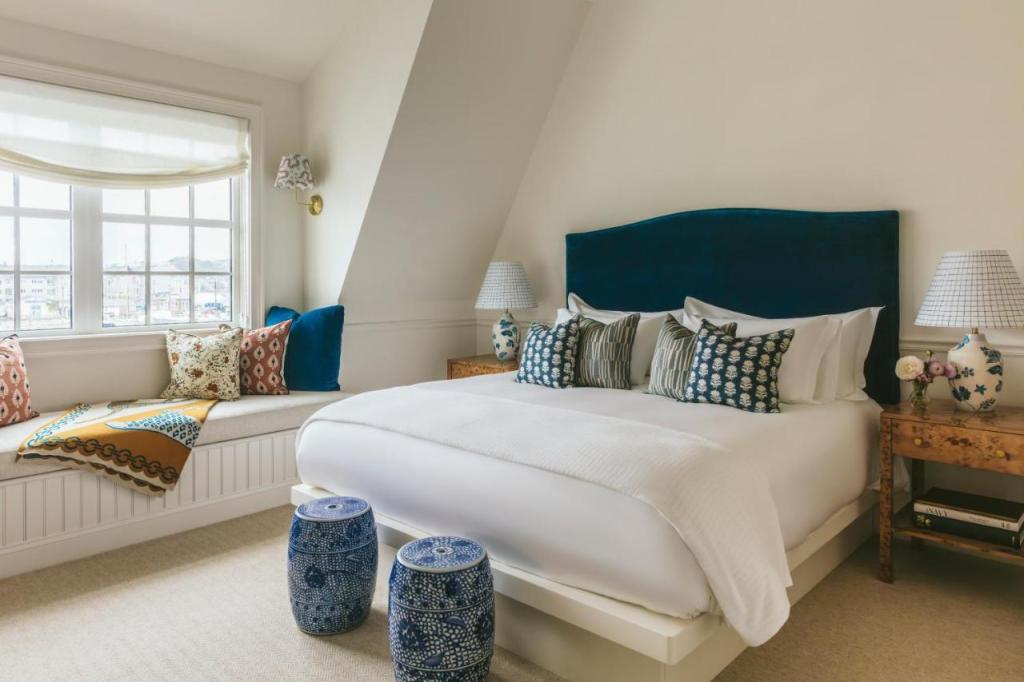
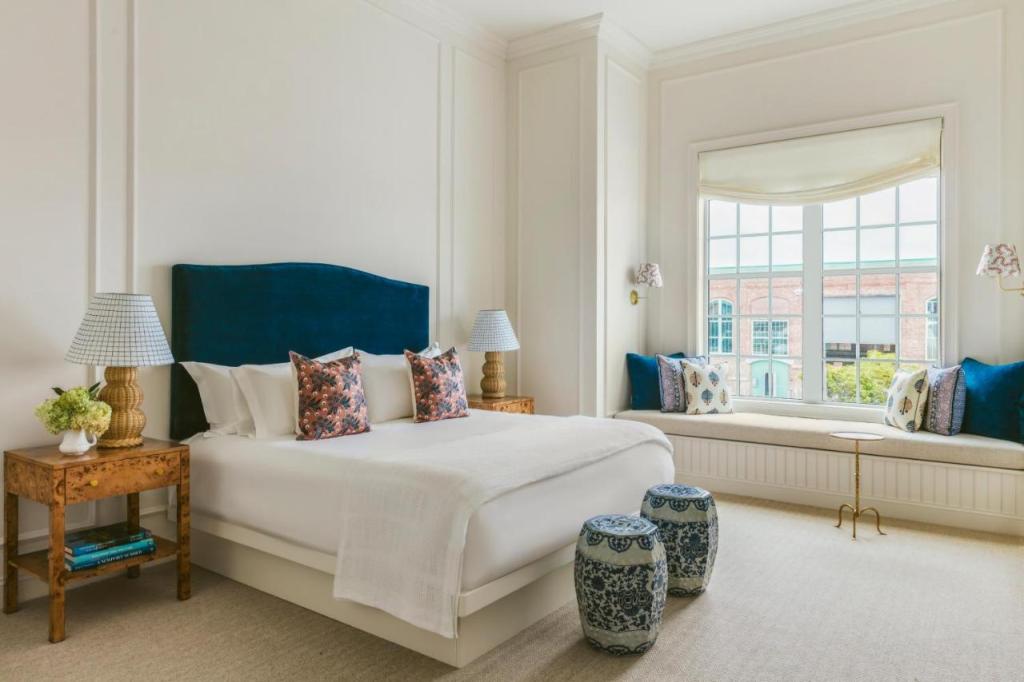
The United States does not operate a government-administered hotel classification system equivalent to France's Palace designation. Quality assessment here relies primarily on the Forbes Travel Guide star ratings, AAA Diamond ratings, and the curation of platforms with direct market knowledge. In Massachusetts, the highest-performing properties in terms of suite quality tend to cluster around two distinct typologies: the full-service urban hotel, offering multiple food and beverage outlets, spa facilities, and large-format suites with city views; and the country house or coastal inn format, which trades the breadth of urban amenities for intimacy, architecture, and landscape access.
Within the luxury tier, travelers should pay attention to suite orientation and floor position in urban properties, where views of the Charles River, the Public Garden, or the Boston Harbor carry a meaningful premium in experience terms. In coastal and rural properties, the relationship between the suite's interior and its immediate natural surroundings, whether a private terrace, a direct beach access, or a view line across open water, is the primary quality differentiator.
How to choose the right luxury suite in Massachusetts
Several practical considerations are specific to Massachusetts and should inform the selection process. First, the state's geography rewards combining stays: a night or two in Boston followed by a coastal or rural retreat is a coherent itinerary that uses the state's compactness to advantage. Second, island properties on Nantucket and Martha's Vineyard require logistical planning that mainland stays do not: ferry schedules, vehicle or bicycle transport, and seasonal operating windows all affect the practicality of a given property. Third, the distinction between a suite in a converted historic building and one in a purpose-built contemporary hotel is more consequential in Massachusetts than in many destinations. The state's architectural heritage means that historic properties can offer spatial character and material quality that newer construction rarely replicates, but they may also carry constraints in terms of room dimensions or acoustic separation.
Travelers with specific priorities, such as proximity to a particular cultural institution, direct water access, or a preference for contemporary versus period design, should treat these as primary filters rather than secondary considerations. Massachusetts is a state where the gap between the right property and an adequate one is perceptible in daily experience.
Why curated selection matters in Massachusetts
Massachusetts presents a specific curation challenge: the state's reputation as a premium destination has produced a wide range of properties that use the vocabulary of luxury without consistently delivering on it. The distance between a well-marketed boutique hotel and a property with genuine suite-level quality in terms of space, service infrastructure, and design coherence can be significant and is not always visible from standard booking interfaces.
La Suite applies direct editorial judgment to this market, identifying the properties where suite quality is consistent and verifiable. For a state with this level of geographic and typological diversity, that curatorial function removes the friction of comparison and ensures that the selected properties reflect the actual standards that define the luxury suite category. The curated selection by La Suite for Massachusetts is assembled with that standard as its only criterion.