Understanding Miami Beach as a luxury destination
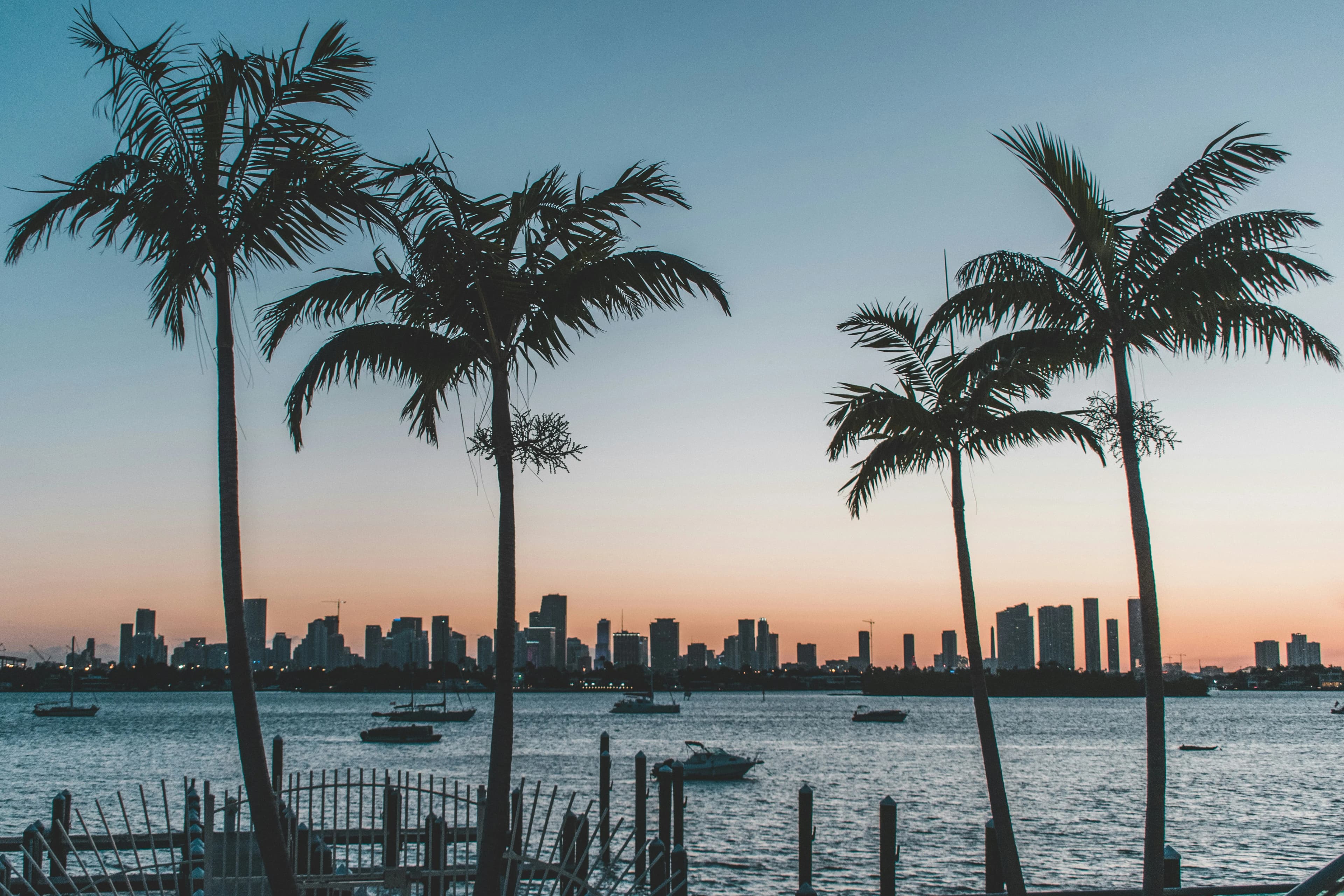
The city's appeal to affluent travelers is rooted in a specific combination: tropical climate, a concentrated arts and design culture, and a hospitality infrastructure that has matured considerably over the past two decades. The result is a destination where serious architecture, serious food, and serious leisure coexist within a few walkable blocks.
Best areas to stay in Miami Beach
South Beach
South Beach, roughly from 1st Street to 23rd Street, is where the city's identity is most legible. The Art Deco Historic District, listed on the National Register of Historic Places, gives the area a coherent visual language: pastel facades, eyebrow windows, neon signage restored to period accuracy. Luxury hotel suites in this district tend to occupy buildings that balance preservation requirements with contemporary interior standards. The tradeoff is proximity to the city's nightlife corridor, which requires properties with genuine acoustic separation and controlled access.
Mid-Beach and the Faena District
The stretch between 26th and 44th Streets, anchored by the Faena District, represents Miami Beach's most considered attempt at curated urban luxury. The Faena complex, developed with involvement from designer Len Blavatnik and art director Ruy Ohtake, functions as a self-contained cultural precinct. Suites in this corridor typically offer wider floor plates, direct beach access through more manageable property footprints, and a guest profile that skews toward collectors, creative directors, and long-stay visitors.
North Beach and Surfside
North of 63rd Street, the island changes register entirely. Surfside and Bal Harbour offer a quieter, more residential form of luxury, with lower building density and a proximity to Bal Harbour Shops, one of the highest-grossing retail centers per square foot in the United States. Suite travelers seeking privacy over spectacle often anchor here, accepting a slightly longer transfer to South Beach in exchange for a materially calmer environment.
When to visit Miami Beach
Miami Beach operates on an inverted seasonal logic relative to most North American destinations. The premium period runs from November through April, when temperatures sit between 65 and 80 degrees Fahrenheit, humidity is controlled, and the cultural calendar reaches full density. This is also when suite availability tightens most sharply and rates reflect the concentration of demand.
Art Basel Miami Beach, held annually in early December, is the single most significant event on the luxury traveler's calendar here. The fair draws gallery directors, collectors, and institutional curators from across the world, and its satellite events extend across the Design District, Wynwood, and the beach hotels themselves. Booking suite inventory during Art Basel week requires a lead time of six months or more for the most sought-after properties.
Design Miami runs concurrently with Art Basel and focuses on collectible design objects, attracting a slightly more architecturally oriented audience. The two weeks surrounding these events represent Miami Beach's cultural peak.
Summer months, June through September, bring heat, humidity, and afternoon thunderstorms. Rates drop considerably, and the city operates at a lower register. For travelers who tolerate the climate and prefer solitude over social density, this window offers meaningful value in suite categories that would otherwise be unavailable on shorter notice.
Local luxury standards: what to expect from top-tier suites
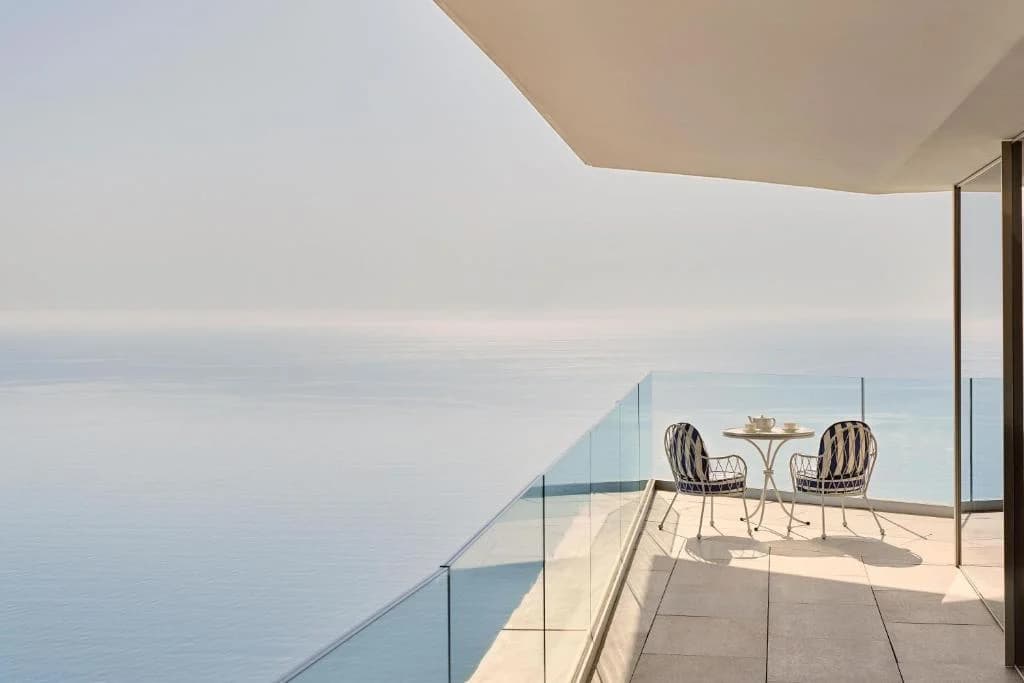
Miami Beach does not operate within a formal prestige classification system equivalent to France's Palace designation. The standard is instead set by a combination of brand positioning, architectural provenance, and the operational standards of the individual property. In practical terms, this means the top tier of suites in Miami Beach is defined by floor plate size, private terrace or balcony access with an unobstructed water or ocean view, butler or dedicated concierge service, and interior programs executed by internationally recognized designers.
The city has attracted significant investment from global hotel groups and independent developers over the past decade, resulting in a suite offering that ranges from restored Art Deco buildings with historically sensitive interiors to purpose-built contemporary towers with raw concrete and custom furniture. Both typologies can reach the same functional standard; the choice between them is primarily aesthetic.
Penthouse and top-floor suites in oceanfront properties command a premium that reflects both the view and the acoustic separation from lower floors and pool decks. Corner suites with dual exposure, capturing both ocean and bay or city views, are among the most architecturally interesting configurations available on the island.
How to choose the right suite in Miami Beach
The primary consideration is orientation. An oceanfront suite on Collins Avenue places you within direct visual and acoustic range of the Atlantic but also within range of the beach's ambient activity. A bay-facing suite offers calmer water views and sunset exposure, often at a lower price point with a different set of sensory conditions. Neither is categorically superior; the choice depends on whether your priority is the ocean or the quiet.
The second consideration is building typology. A suite within a preserved Art Deco structure will have lower ceiling heights and smaller window openings than a contemporary tower, but may offer a spatial intimacy and historical texture that modern construction cannot replicate. Contemporary towers in the Faena District or along the northern reaches of Collins Avenue typically offer larger floor plates, floor-to-ceiling glazing, and more flexible suite configurations.
Service architecture matters as much as physical space. The best suites in Miami Beach are supported by staff ratios and operational protocols that allow for genuinely personalized service: pre-arrival customization, in-suite dining executed to restaurant standard, and access management that controls who reaches your floor. These are not universal; they require selection.
Why curation matters in Miami Beach
Miami Beach has a large and uneven hospitality market. The volume of hotels operating under luxury or boutique positioning is significant, and the gap between marketed promise and delivered experience is wider here than in destinations with stricter institutional quality controls. A curated selection by La Suite filters this market against consistent criteria: spatial standard, service architecture, design integrity, and guest experience as reported and verified over time.
For travelers arriving during peak periods, particularly Art Basel or the winter season, the cost of a misaligned choice is material. Suite categories vary enormously in what they actually deliver, and brand recognition alone is not a reliable proxy for quality at the room level. The La Suite edit focuses on properties where the suite product, specifically, meets the standard, not merely the lobby or the restaurant.