Where to stay in Montana for a luxury suite experience
Glacier Country and the northern Rockies
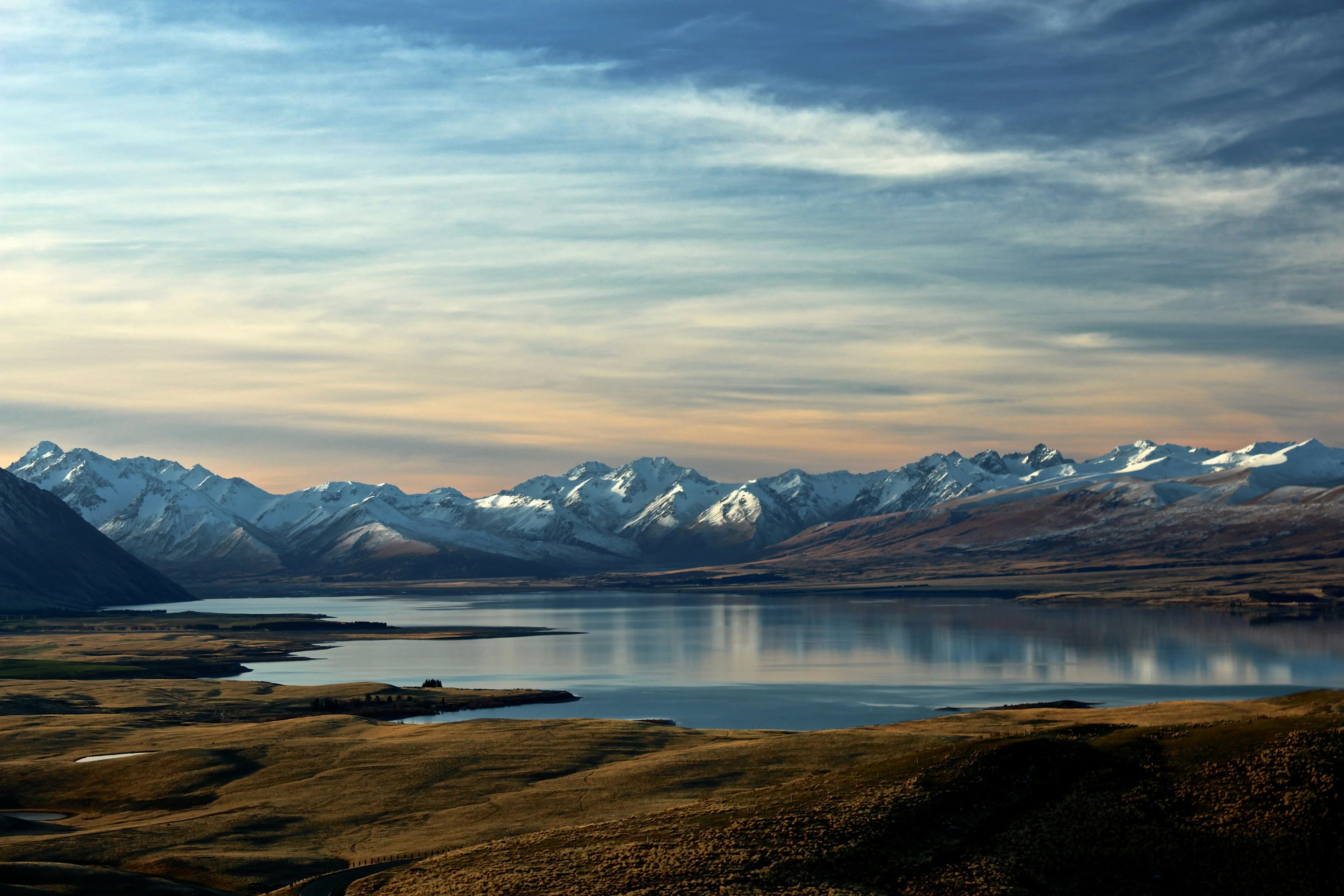
The northwestern corridor anchored by Glacier National Park represents Montana at its most architecturally dramatic. Properties in this zone tend to favor a national-park lodge aesthetic: heavy timber construction, stone fireplaces, and suites oriented toward mountain or lake views. The Going-to-the-Sun Road corridor defines the visual context here. Whitefish, the closest town of consequence, supports a small but serious hospitality infrastructure. Suites in this area reward travelers willing to engage directly with the landscape rather than observe it at a remove.
The Yellowstone gateway: Paradise Valley and Big Sky
The southern portion of the state, running from Bozeman through Paradise Valley and into the Yellowstone ecosystem, has attracted significant investment in high-end accommodations over the past two decades. Big Sky Resort anchors the ski season, with properties offering ski-in, ski-out suite configurations and access to one of the least crowded major ski mountains in North America. Paradise Valley, flanked by the Absaroka and Gallatin ranges, supports a number of fly-fishing and ranch properties where suite design tends toward the warm and materially considered. Bozeman itself, while a small city, now hosts properties that would hold their own in larger metropolitan contexts.
Western Montana valleys and the Bitterroot
The Bitterroot Valley south of Missoula and the broader Flathead Lake region offer a quieter register. Lake-facing suites here trade altitude for water proximity, with Flathead Lake being one of the largest natural freshwater lakes in the western United States. Properties in this zone attract travelers who prefer extended stays and a rhythm shaped by the lake rather than the mountain.
Eastern Montana: solitude and the high plains
East of the Continental Divide, Montana becomes a different country entirely. The scale of the plains, the absence of light pollution, and the proximity to genuine working ranch culture define this zone. Luxury here is expressed through exclusivity and silence rather than architectural elaboration. Properties operating as guest ranches provide a curated entry point into a landscape that most travelers never access.
When to visit Montana for the best suite experience
Montana is a four-season destination, but each season carries distinct conditions that affect the suite experience materially.
Summer (June through August)
Summer represents peak season. Glacier National Park reaches full accessibility by mid-July when the Going-to-the-Sun Road opens completely. Suite availability tightens sharply, particularly in July and August, and advance booking windows of six to twelve months are standard for premier properties. This is the season for fly-fishing the blue-ribbon trout streams of the Madison, Gallatin, and Yellowstone rivers. Light persists well into the evening, extending the usable day considerably.
Fall (September through October)
September and early October constitute what many repeat visitors consider the optimal window. Crowds recede, aspen and larch turn gold across the mountain slopes, and the weather remains stable enough for extended outdoor engagement. Elk rutting season draws a specific category of traveler. Suite rates begin to ease, though the most sought-after properties maintain premium pricing through October.
Winter (December through March)
The winter season bifurcates between ski country, where Big Sky and Whitefish drive strong demand from December through March, and the rest of the state, which becomes genuinely remote. Suite travelers seeking isolation and stillness find this season particularly rewarding. Snowshoeing, Nordic skiing, and wildlife observation in the Yellowstone ecosystem reach their most concentrated form in midwinter.
Spring (April through May)
Spring is transitional and logistically complex. High passes remain closed, rivers run with snowmelt, and many properties operate on reduced schedules. It is, however, the season for grizzly bear emergence in the Yellowstone corridor and for certain migratory bird concentrations. Travelers who accept its constraints find spring pricing and availability highly favorable.
Local luxury standards: what defines a high-end suite in Montana
Montana does not operate within a European-style classification system. There is no national equivalent to the French Palace designation or a formal tiering specific to the state. Quality here is assessed through a different set of criteria, and understanding them is essential for travelers accustomed to urban luxury standards.
The leading properties in Montana tend to operate as destination lodges or guest ranches rather than conventional hotels. The suite proposition is built around spatial scale, natural material quality, and access rather than F&B elaboration or spa programming, though the better properties offer these as secondary amenities. A well-configured Montana suite will typically provide a private deck or porch oriented toward the landscape, a fireplace functioning as an architectural centerpiece, and bathroom fittings sourced from regional stone or reclaimed timber.
The ranch-stay model deserves specific mention. Properties operating under a guest ranch framework often require minimum stays and operate on an all-inclusive basis. The suite within this context is less a hotel room than a private accommodation within a curated private territory. Staff-to-guest ratios are high, and programming is personalized in a way that urban hotel infrastructure rarely achieves.
How to choose the best suite in Montana: practical considerations
The first question is landscape orientation. Suite travelers should determine whether their priority is mountain proximity, water access, or open-plains solitude, as the experience differs substantially. A suite on Flathead Lake operates on entirely different sensory terms than a suite in a Big Sky ski lodge or a working ranch in the Centennial Valley.
The second consideration is seasonality and access. Some of the most architecturally considered properties in Montana become physically inaccessible in shoulder and off seasons, or require four-wheel-drive access. Confirming logistics before booking is not a secondary detail.
Minimum stay requirements are common in this market, particularly for peak summer and holiday periods. Properties operating on a weekly basis during summer are standard practice among guest ranches. Travelers should plan around this rather than against it.
Finally, the question of programming matters more in Montana than in most destinations. A suite at a fishing lodge without guided access is a fundamentally different proposition than the same room with full guiding infrastructure. The suite itself is the accommodation; the surrounding programming is the experience.
Why curated selection by La Suite matters in Montana
Montana's hospitality market is less transparent than those of more densely developed destinations. The highest-quality properties are often not heavily marketed, operate with limited inventory, and are known primarily through word of mouth and specialist channels. Aggregator platforms surface volume rather than caliber, and the visual language of Montana properties varies widely, making quality assessment from photographs alone unreliable.
La Suite applies a consistent editorial standard to this market: spatial quality, material coherence, landscape orientation, and the integrity of the suite experience as a discrete proposition. The curated selection by La Suite removes the research burden and directs the traveler immediately toward properties that justify the category.