The distinct areas of Napa Valley and where to stay
Moving north through Yountville and Oakville, the valley floor narrows and the concentration of both wine prestige and hospitality investment intensifies. This central corridor is where some of the most architecturally considered properties in California wine country are located, drawing guests who expect proximity to destination dining alongside genuine privacy. St. Helena sits at the valley's cultural and viticultural midpoint, retaining a historical Main Street character that contrasts usefully with the more contemporary resort vocabulary found nearby.
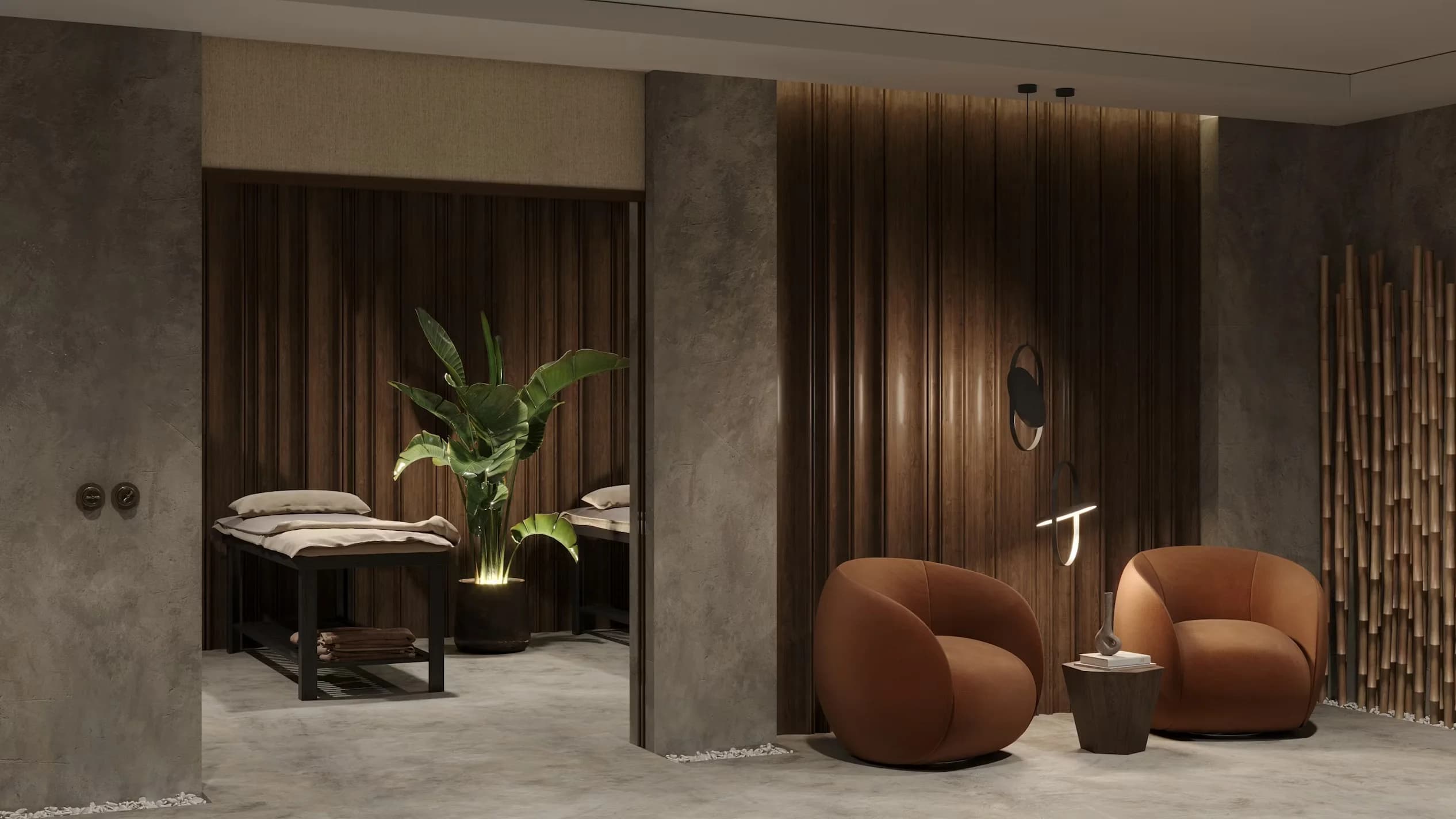
Calistoga, at the northern tip, carries a distinct identity built around geothermal activity and a long tradition of mineral spring bathing. Properties here tend to orient themselves around wellness more deliberately than those further south, and the surrounding mountains provide a sense of enclosure that feels removed from the valley's commercial axis. For travelers whose itinerary balances wine exploration with physical restoration, the northern end of Napa Valley presents a coherent and unhurried proposition.
When to visit Napa Valley for a suite stay
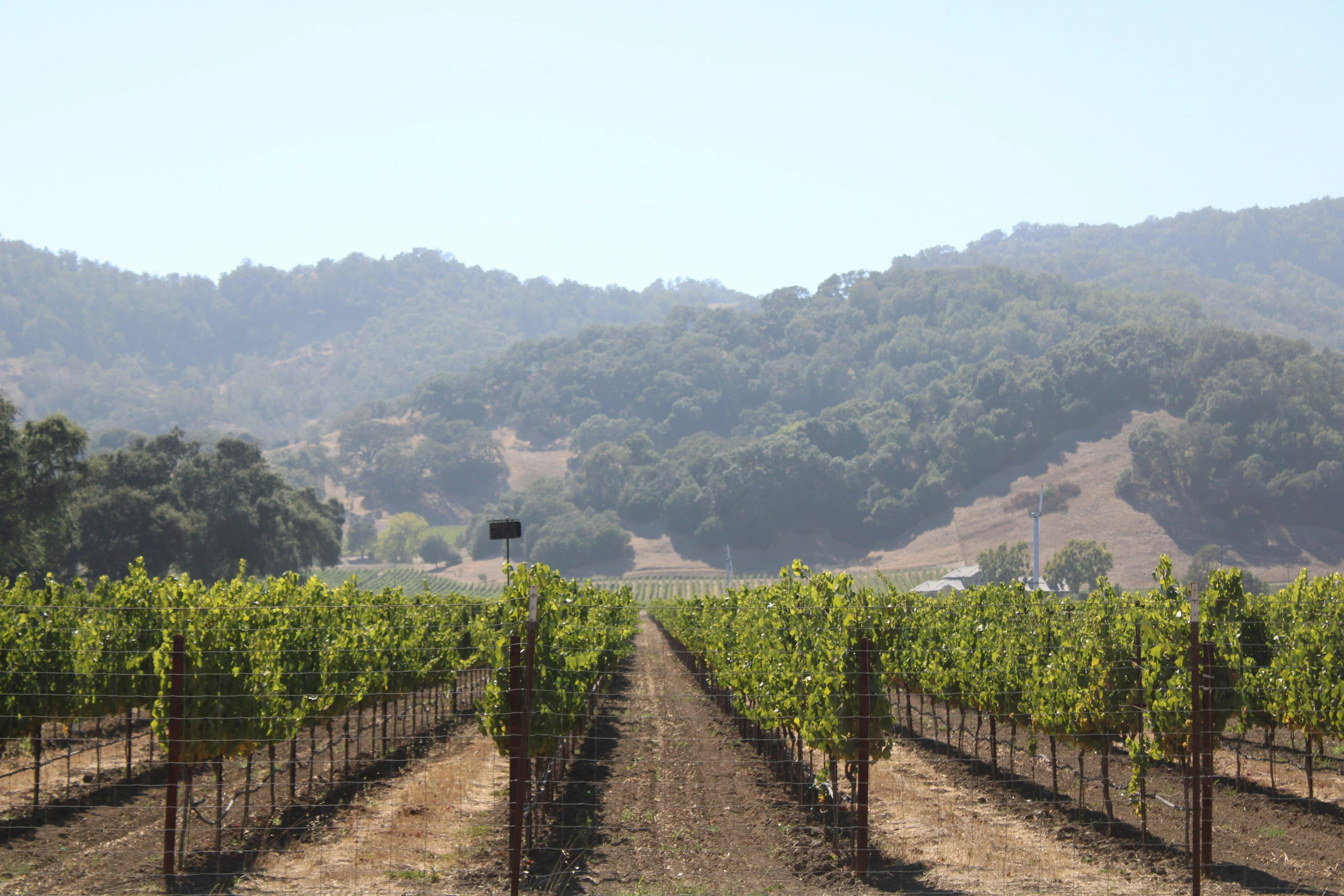
The valley's Mediterranean climate means that the practical window for travel is broad, but the texture of each season is meaningfully different. Spring, from March through May, delivers flowering mustard between the vine rows, moderate temperatures, and a relative calm before the main visitor season accelerates. Harvest, running from late August through October depending on varietal and vintage conditions, is the most kinetic period in the valley's calendar. Crush season brings an energy to the region that is specific and unrepeatable: the smell of fermenting fruit, the activity in winery yards, and a heightened social calendar across restaurants and estates.
Suite availability tightens considerably during harvest weekends, and rates at the most sought-after properties reflect that demand. Travelers with flexibility are well served by targeting the weeks immediately before or after peak harvest activity, typically late September into early October, when conditions remain ideal but the crowd density has softened. Winter, from November through February, is quieter and considerably more affordable. The landscape shifts to bare vines and low-angle light, and several of the valley's best restaurants operate with shorter hours, but the intimacy of the off-season has its own appeal for guests seeking genuine solitude.
The Auction Napa Valley event, typically held in late spring, and the Bottlerock music and food festival in late May represent the valley's largest concentrated demand periods outside of harvest. Booking suite accommodations for these windows well in advance is essential.
Local luxury standards: what defines a top-tier suite in Napa Valley
California does not operate a formal hotel classification system equivalent to France's Palace designation, but Napa Valley has developed its own recognizable vocabulary of prestige. The region's top properties tend to combine agricultural setting with interior design that references the valley's material culture: reclaimed wood, local stone, custom ceramics, and art commissions from California-based artists. The standard at this level is high enough that the distinction between a well-executed suite and an exceptional one lies in specificity rather than category.
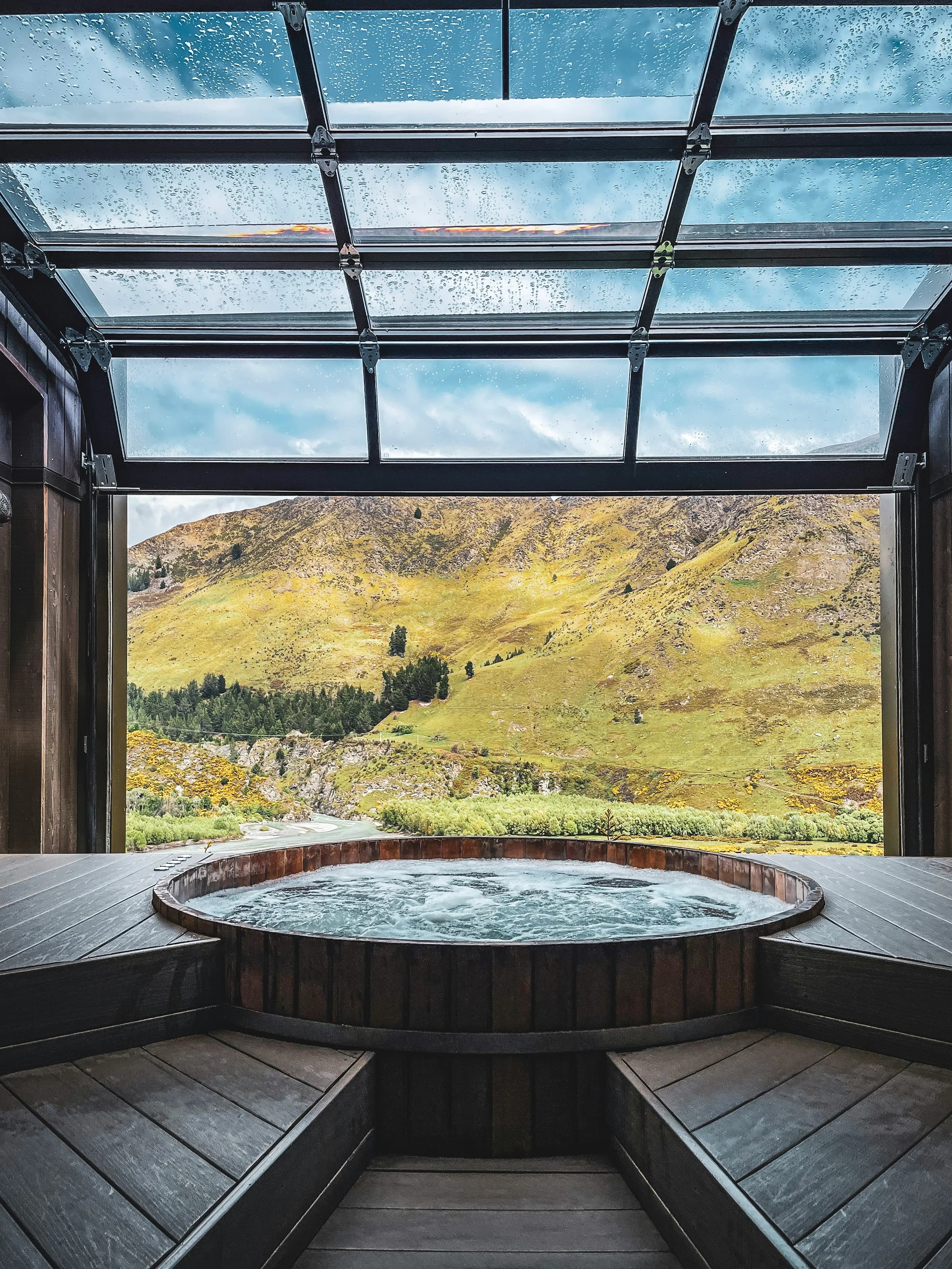
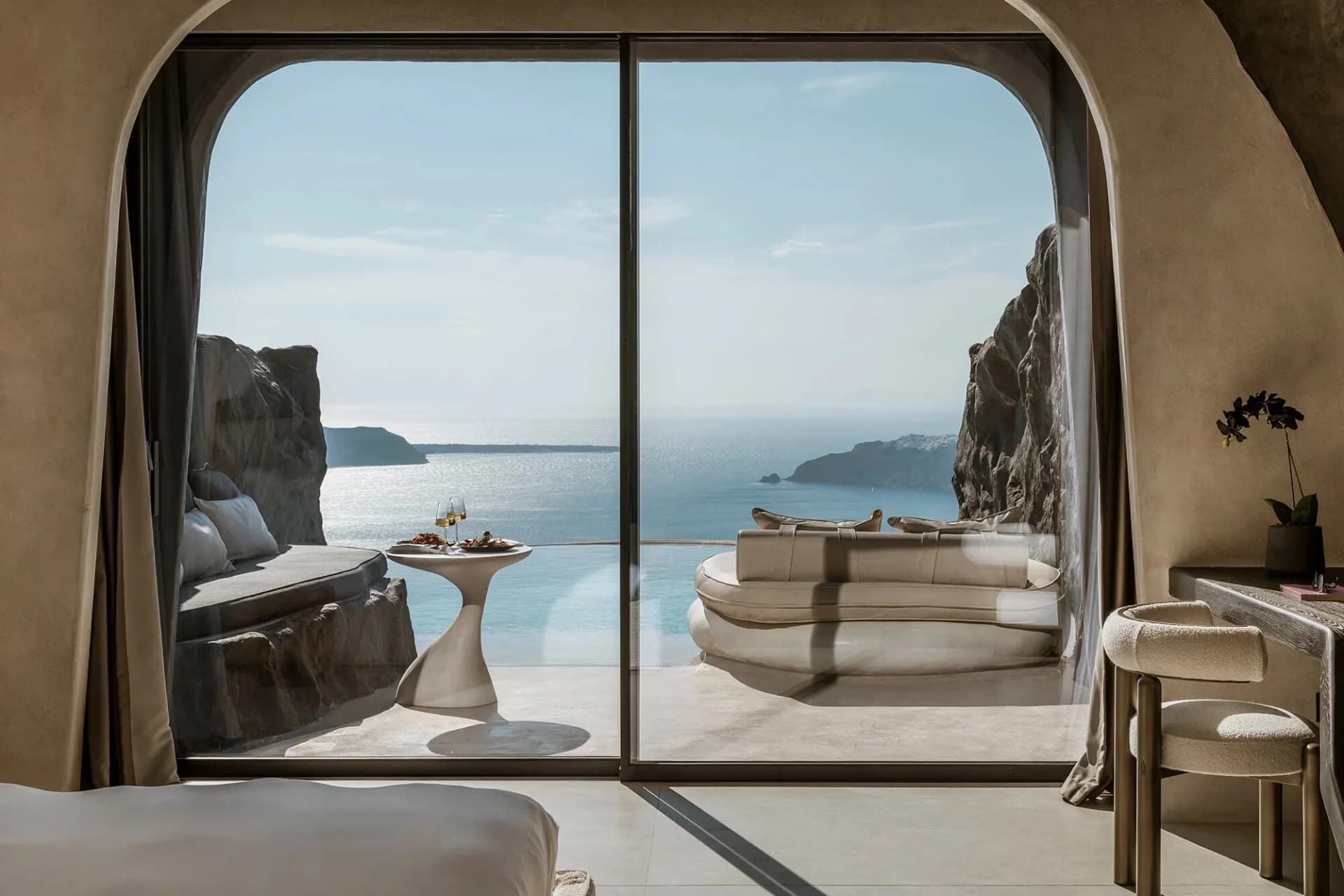
Private plunge pools or soaking tubs oriented toward vineyard views are a consistent feature of the valley's leading suites. Outdoor fireplaces, heated terraces, and the ability to receive in-suite wine service from the property's own cellar are markers of the highest tier. Several of the valley's landmark hotels operate on-site wineries, and access to private barrel tastings or library wine pours directly from a suite experience represents a form of exclusivity that cannot be replicated elsewhere in the United States.
Culinary integration is another defining dimension. The density of Michelin-starred and Michelin-recognized restaurants in the valley is exceptional for a region of its size. Properties that offer direct access to acclaimed dining, either on-site or through genuine concierge relationships with neighboring establishments, represent a meaningfully different proposition from those that do not.
How to choose the right suite in Napa Valley
The first decision is one of orientation: vineyard-facing rooms command a premium and deliver the most direct engagement with the landscape, but properties on valley-facing hillsides offer longer sightlines and a different quality of morning light. For guests whose primary interest is in the thermal and wellness traditions of the region, positioning closer to Calistoga's geothermal springs reduces travel time and allows the itinerary to breathe more naturally.
Architectural character varies considerably across the valley's top-tier inventory. Some properties draw on mission revival and Spanish colonial precedents that align with the broader California historical register. Others operate in a language of contemporary minimalism, using glass and steel to dissolve the boundary between interior and vineyard. Neither approach is inherently superior, but travelers with strong aesthetic preferences will find that matching suite architecture to personal sensibility significantly affects the quality of the stay.
Scale is also worth considering. Smaller boutique properties with limited suite inventory deliver a higher staff-to-guest ratio and a more bespoke experience, but may offer fewer on-site amenities. Larger resort properties provide a wider range of activities, dining options, and spa facilities, but the experience can feel less singular. The right calibration depends on whether the stay is framed as a private retreat or as a base for active exploration of the valley.
Why a curated selection by La Suite matters in Napa Valley
The accommodation market in Napa Valley is crowded at every price point, and the gap between a well-photographed property and one that genuinely delivers at the suite level is wider than it appears from standard booking platforms. La Suite approaches Napa Valley with the same editorial rigor applied to every destination on the platform: every property in the curated selection is assessed on architectural quality, suite-specific experience, privacy standards, and the coherence of the overall guest proposition.
For travelers committing significant time and budget to a Napa Valley stay, the cost of a poor suite choice extends beyond the nightly rate. It affects the rhythm of the entire visit. The curated selection by La Suite removes that friction by presenting only the properties that meet a defined and consistent standard, allowing the decision to rest on personal preference rather than probabilistic filtering through hundreds of undifferentiated options.