Where to stay in Nevada: distinct territories for the suite traveler
Las Vegas and the southern corridor
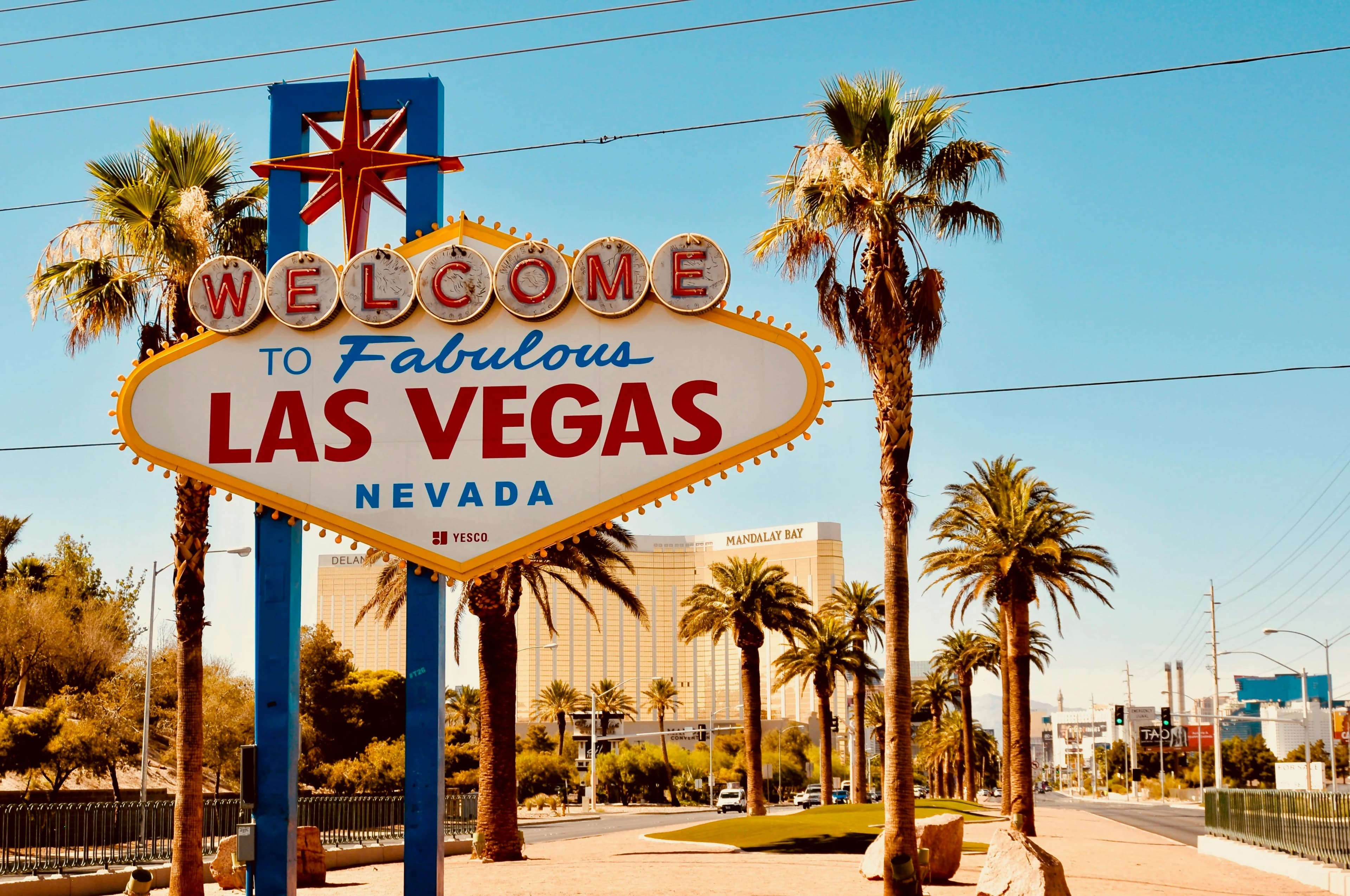
The Las Vegas Strip and its surrounding districts represent one of the most concentrated accumulations of large-scale luxury hotel product anywhere in the world. The properties here are not boutique. They are architectural statements: towers with thousands of rooms, where suite floors operate as near-separate establishments above the general resort. Sky villas, penthouse configurations, and wraparound terrace suites offer genuine spatial separation from the resort population below. The Strip itself runs along Las Vegas Boulevard South, flanked by properties that have invested heavily in suite-tier differentiation, from private butler service to dedicated elevator access and in-suite pool decks. Beyond the Strip, the Downtown Arts District and areas adjacent to Fremont Street are seeing a secondary wave of considered hospitality, with smaller-scale properties offering a more architectural and less spectacle-driven approach to luxury accommodation.
Reno and northern Nevada
Reno operates on a different frequency entirely. The city sits at approximately 4,500 feet elevation in a high desert valley bordered by the Sierra Nevada to the west, giving it a physical drama that Las Vegas does not possess. The casino-hotel model is present here too, but at a reduced scale, and the surrounding terrain, including Lake Tahoe's Nevada shore, creates a context for suite travel that foregrounds landscape over entertainment. Properties near the lake combine alpine architecture with elevated service standards, appealing to travelers whose priority is access to terrain rather than to nightlife.
The rural high desert
Nevada contains some of the least-populated land in the contiguous United States. The Great Basin, which covers the eastern and central portions of the state, has historically offered limited luxury accommodation, but this is changing. Ranch-format retreats and remote desert properties have begun attracting a clientele seeking radical privacy. These are not resort experiences in the conventional sense. They offer space, silence, and a direct encounter with a landscape that most travelers never see. For the suite traveler motivated by geography rather than amenity density, this territory is increasingly significant.
When to visit Nevada for a luxury suite stay
Nevada's climate varies considerably by region and elevation, and timing matters more here than in many other American states.
Las Vegas operates year-round, but the optimal windows for suite travel are October through early December and mid-February through April. Summer temperatures in the Mojave regularly exceed 110 degrees Fahrenheit, compressing outdoor activity and concentrating guests indoors. Winter brings mild days and cold nights, and room rates across the luxury tier can soften considerably outside major event weekends. The city's event calendar, including major boxing and UFC events at the T-Mobile Arena, Formula 1 races (the Las Vegas Grand Prix returned to the calendar in 2023 as a street circuit), and the Consumer Electronics Show in January, drives significant suite demand and pricing spikes. Planning around or deliberately for these events requires different booking logic.
In northern Nevada and the Lake Tahoe region, the calendar splits between ski season (December through March) and summer, when the lake is navigable and trail access opens. Shoulder seasons, particularly May and October, offer the most favorable conditions for suite availability at properties that serve both seasonal markets.
The Burning Man festival, held annually in the Black Rock Desert in late August and early September, creates an unusual demand pattern for Reno-area properties. Some suite travelers use Reno as a base for the event; others specifically avoid the region during that window.
Understanding Nevada's luxury hospitality standards
Nevada does not operate a state-level prestige classification equivalent to France's Palace designation. The American hotel rating landscape relies primarily on Forbes Travel Guide star ratings and AAA Diamond classifications at the formal end, and on brand reputation at the market end. Nevada's luxury hotel market has several properties that hold Forbes Five-Star ratings, concentrated almost entirely in Las Vegas.
The dominant format in Nevada's luxury tier is the casino-integrated resort. Understanding what this means practically is important. These properties generate significant revenue from gaming, which funds extraordinary levels of suite investment. A major Las Vegas resort may offer suite configurations that would be financially impossible to maintain in a purely room-revenue model: multiple bedrooms, private pools, home theater setups, and dedicated concierge floors. The trade-off is scale: these are large buildings, and the suite experience involves navigating a resort environment that is designed to maximize guest contact with gaming and dining revenue centers.
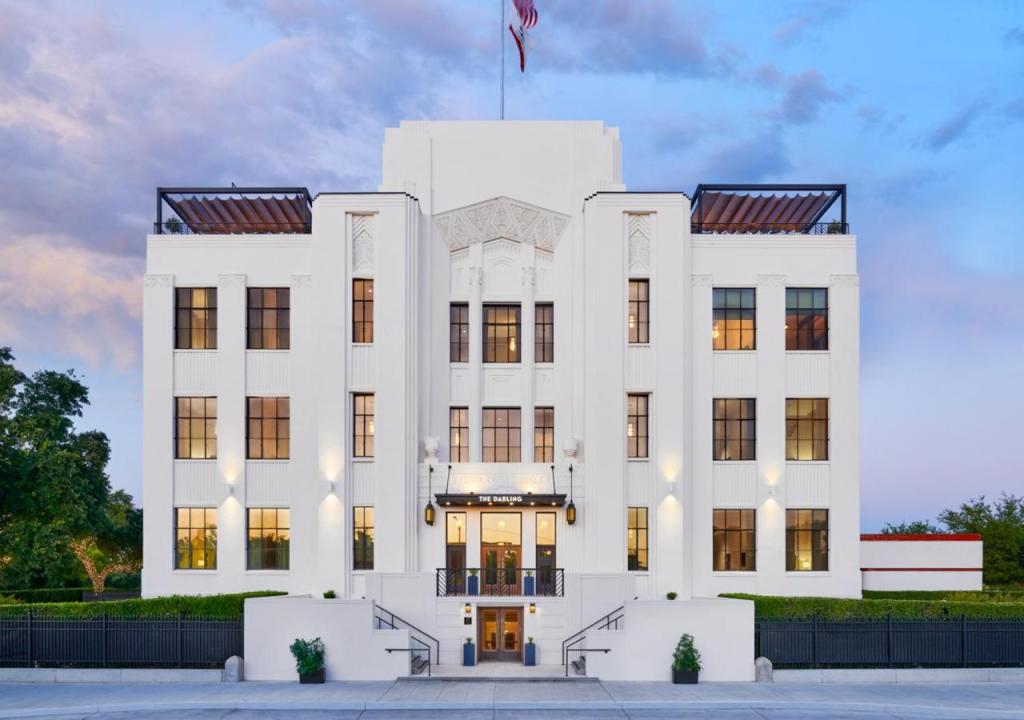
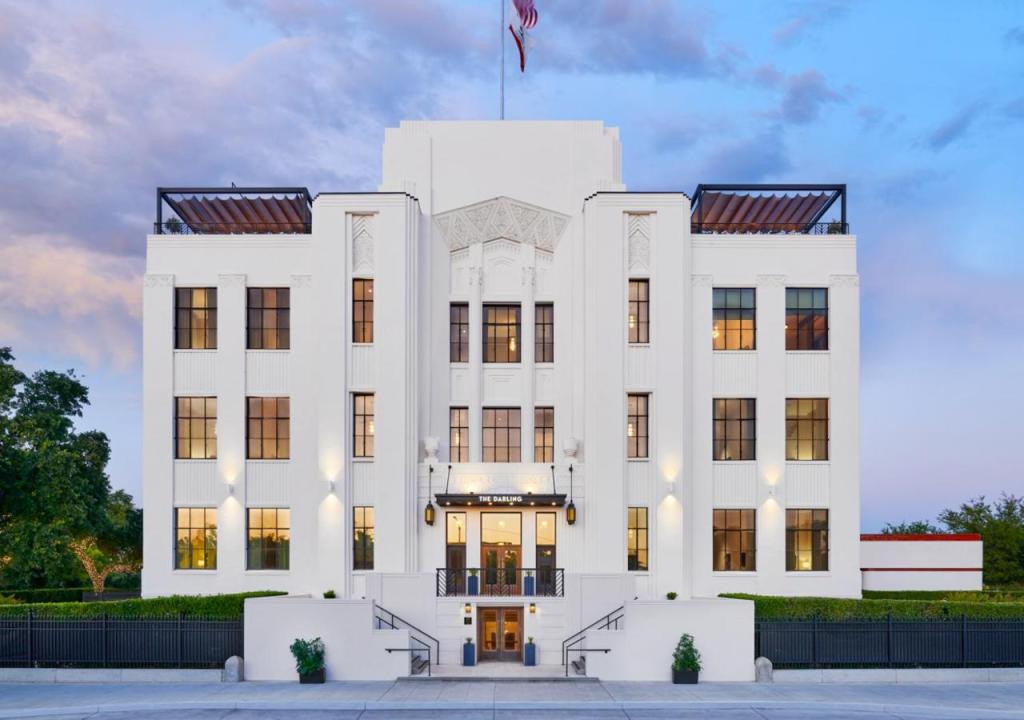
An alternative current is developing. Non-gaming boutique hotels have expanded their presence in Las Vegas, particularly in areas like the Arts District. These properties offer a quieter model, closer in spirit to the urban luxury hotel of a major European capital, with suite counts in the single digits and a more considered service ratio.
How to choose the right luxury suite in Nevada
Several practical considerations govern suite selection in this state specifically.
Floor elevation matters in a way that it does not in most destinations. In Las Vegas tower hotels, the difference between a suite on the 20th floor and one on the 50th is not merely symbolic. Views, noise isolation, and the psychological experience of separation from the resort floor all change significantly with height. High-floor suites with city or mountain views toward the Spring Mountains to the west, or toward the desert horizon, deliver a spatial quality that lower-floor configurations cannot replicate.
Orientation is a related consideration. East-facing suites receive morning light across the desert valley. West-facing rooms capture sunset across the Spring Mountains. Knowing which orientation matches your daily rhythm is worth specifying at the point of selection.
For travelers focused on the Lake Tahoe corridor, the choice between Nevada-side and California-side properties involves a regulatory difference: Nevada permits casino operations on its shore, California does not. The Nevada shore at Stateline offers lakefront suite options with gaming access; properties further north on the Nevada side tend to be quieter and more resort-focused.
Privacy infrastructure matters at the suite level in Nevada. Properties with dedicated suite check-in, private elevator banks, and in-suite dining that bypasses the public restaurant circuit offer materially different experiences from those where suite guests share all amenities with the general hotel population.
Why curated selection by La Suite matters in Nevada
Nevada presents a paradox for the luxury suite traveler. The sheer volume of high-end inventory, particularly in Las Vegas, can make the selection process feel less like curation and more like navigation through an oversupplied market. Every major Strip resort markets its suites aggressively, and the terminology, penthouse, sky villa, grand suite, signature suite, is not standardized. The same label can describe dramatically different spatial and service realities across properties.
La Suite applies a consistent editorial standard across this inventory, identifying the configurations that deliver on the architectural, spatial, and experiential criteria that define genuine luxury at the suite level. The goal is not to present every option but to isolate the ones that reward the investment of time and money. In a state where the gap between marketing and reality can be significant, that editorial discipline is the most useful thing a curation platform can offer.