Where to stay in North Carolina: distinct areas for luxury suite travel
The Blue Ridge Mountains and western highlands
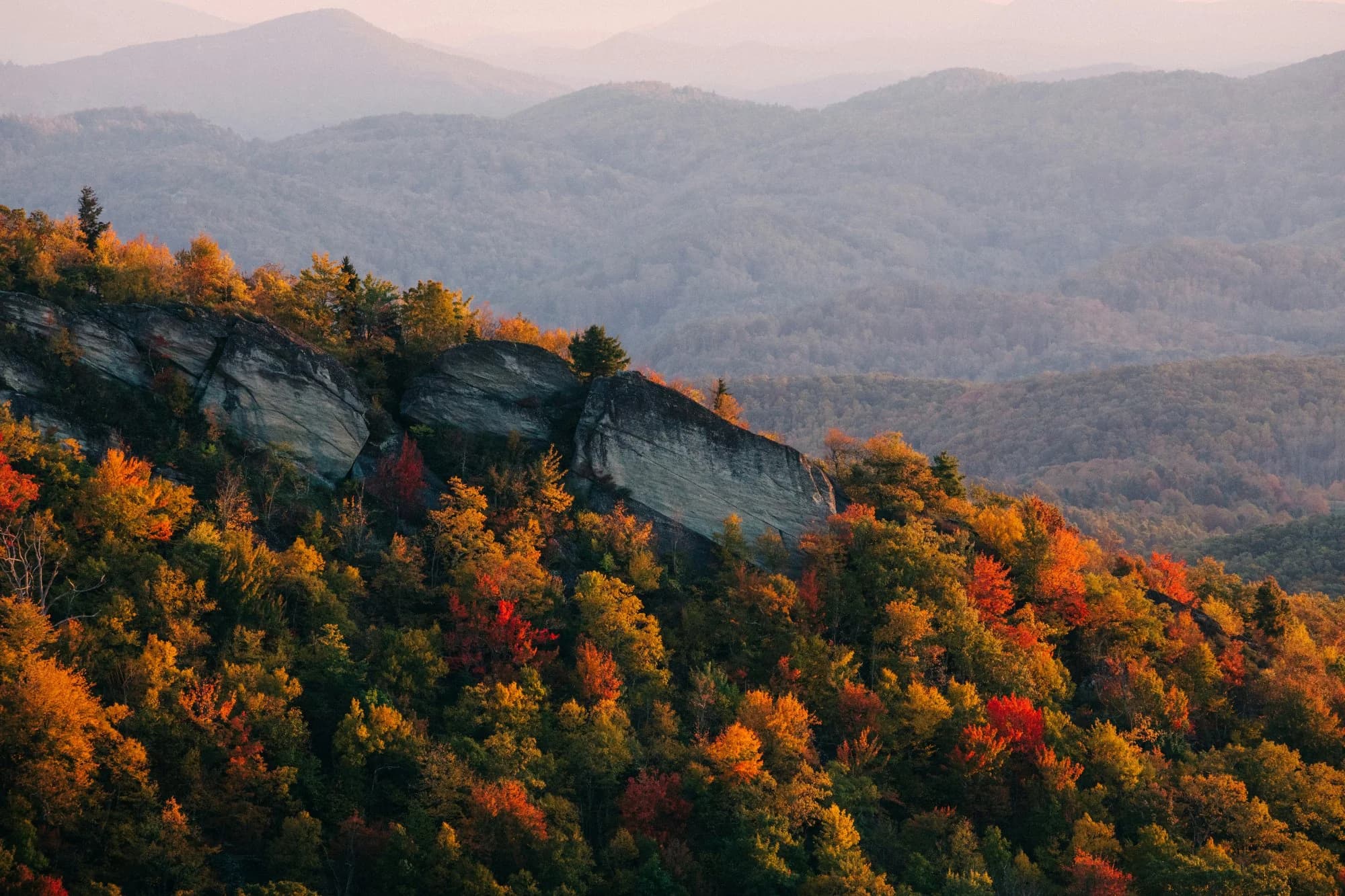
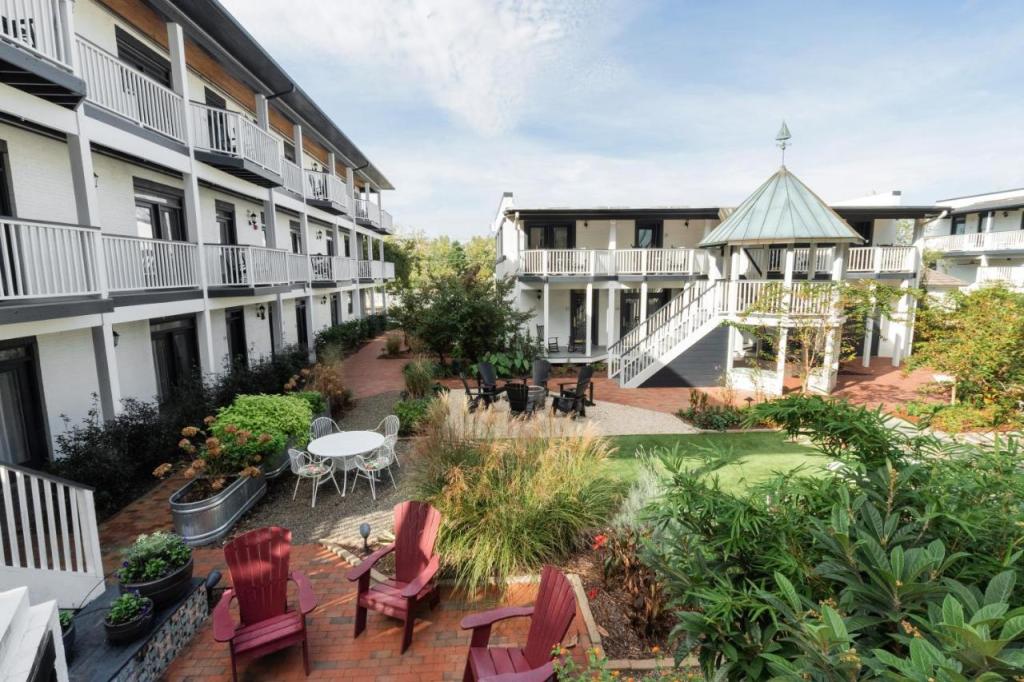
The western edge of the state, anchored by Asheville and the surrounding Blue Ridge Parkway corridor, has developed into one of the most architecturally interesting lodging zones in the American South. The area attracts travelers who prioritize altitude, forest canopy, and the visual grammar of Arts and Crafts architecture. Properties here tend to emphasize material quality, stone masonry, timber framing, and elevated terraces designed to frame the Appalachian ridgeline. Suites in this zone often prioritize indoor-outdoor continuity, with private decks, wood-burning fireplaces, and soaking tubs positioned to engage the natural landscape directly. The cultural infrastructure is also notable: independent galleries, farm-to-table culinary culture, and a craft beverage scene that has genuine national standing.
The Piedmont and Research Triangle
The central Piedmont, including the Research Triangle cities and the Charlotte metropolitan area, represents the state's commercial and institutional center. Luxury accommodations here lean toward contemporary architecture and business-facing amenities, though a smaller number of historic properties, including converted textile mills and antebellum estates, offer a more layered experience. Travelers drawn to this zone typically combine suite stays with access to the state's performing arts institutions, fine dining, and corporate headquarters culture. The suite product in this area tends toward clean modernism and generous square footage rather than landscape immersion.
The Outer Banks and coastal plain
The barrier islands of the Outer Banks and the broader coastal plain represent a very different register of luxury. The geography here is fragile and specific: narrow strips of land between Pamlico Sound and the Atlantic, where light, weather, and water proximity define the guest experience far more than architectural gesture. Suites in this zone reward guests who value seclusion and marine light over formal grandeur. The coastline running south through Wilmington and toward the Brunswick Islands adds a warmer, more garden-like character, with properties set among live oak canopies and tidal marshes.
When to visit North Carolina for luxury suite travel
North Carolina's climate varies significantly between its mountain and coastal zones, which affects suite availability and the quality of the experience across seasons.
The western mountains perform best from late spring through mid-autumn. The period from late September through October is particularly well-regarded for foliage along the Blue Ridge Parkway, and suite inventory at the most selective properties is absorbed quickly during these weeks. Summer in the highlands offers cooler temperatures than the Piedmont and coast, making it a preferred period for travelers seeking relief from southeastern heat.
The Outer Banks and coastal properties reach peak demand between Memorial Day and Labor Day. For travelers who prefer a quieter experience, the shoulder periods of April through early June and September through October offer favorable conditions: manageable crowds, lower ambient humidity, and more negotiable availability at premium properties.
The Piedmont maintains relatively consistent demand year-round, with spikes around major academic and cultural events. The state hosts several events with national profiles, including the Asheville cultural calendar in autumn and the Charlotte arts season.
Understanding luxury standards in North Carolina
The American luxury hotel classification system does not operate on the same formal institutional framework as the French Palace designation or the Italian regional quality consortiums. In North Carolina, travelers rely primarily on Forbes Travel Guide star ratings, AAA Diamond ratings, and the editorial judgment of specialized platforms to identify which properties meet a genuine luxury threshold.
Several local hospitality typologies are worth understanding. The mountain lodge tradition in western North Carolina draws from a specific American vernacular: the Great Camp aesthetic developed in the Adirondacks in the late nineteenth century, adapted here to Appalachian materials and scale. Properties of this type at the top of the market offer suites that function almost as self-contained residences, with private entrance, full kitchen facilities, and design details that reference the regional craft tradition.
On the coast, the plantation-era architecture that characterizes parts of coastal South Carolina does not have the same presence here, and the luxury product is more contemporary in its reference points. The best coastal suites in North Carolina tend toward a restrained beach modernism, prioritizing views, natural ventilation, and proximity to water over formal architectural gesture.
Service culture in North Carolina is notably personal in character. At the top tier of mountain and coastal properties, guest-to-staff ratios are high and the interaction style is direct and unhurried, which suits travelers who find the formal European-hotel register unnecessarily stiff.
How to choose the right luxury suite in North Carolina
The first variable is the landscape relationship. Mountain suites and coastal suites ask fundamentally different things of their guests. A suite designed around a ridgeline view and a wood-burning fireplace is a different instrument entirely from one designed around tidal water and morning Atlantic light. Clarifying which landscape suits the purpose of the trip is more productive than evaluating amenity lists in isolation.
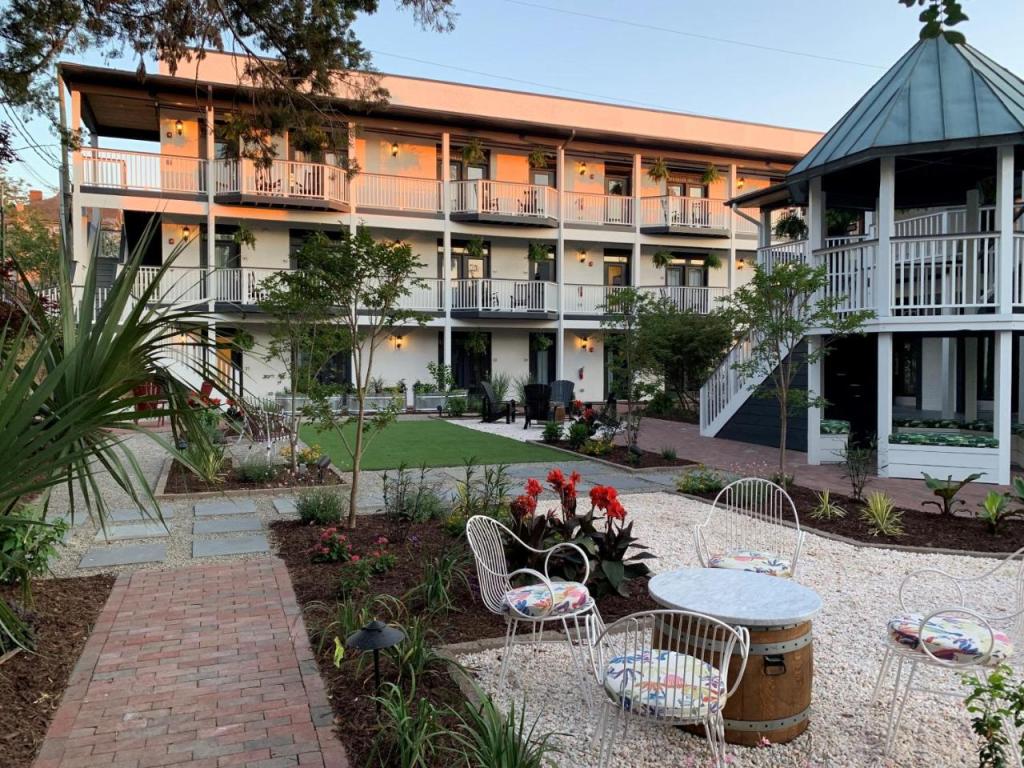
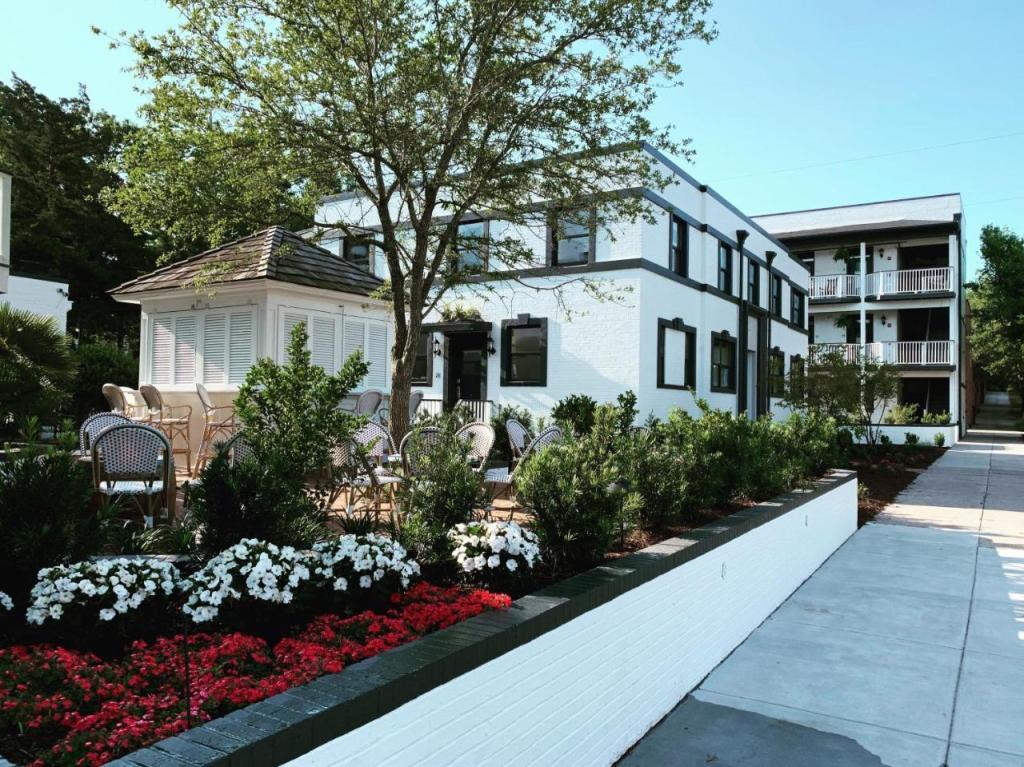
The second variable is architectural character. North Carolina's luxury market includes both historic properties, many of them associated with the Gilded Age resort tradition, and contemporary buildings designed by architects of national standing. Historic properties offer patina, spatial idiosyncrasies, and a sense of institutional continuity. Contemporary properties tend to offer cleaner thermal performance, more considered acoustics, and suite layouts that reflect current preferences for open-plan living areas and spa-caliber bathrooms.
The third variable is proximity to cultural infrastructure. Travelers who plan to engage with the state's arts, dining, and outdoor programming should map suite location against specific itinerary priorities. The distances between the mountain zone and the coast are not trivial: a property in the highlands is effectively a different trip from one on the Outer Banks, and combining both in a single visit requires deliberate planning.
Finally, seasonality should be built into the selection process, not treated as an afterthought. Suite inventory at the most considered properties in western North Carolina during peak foliage season or along the coast during summer is constrained, and the properties that maintain genuine quality standards do not inflate that inventory to meet demand.
The value of a curated selection by La Suite
North Carolina does not lack for accommodation options, but the volume of choice across the state's three distinct zones creates a real editorial problem for travelers who are selecting on quality rather than price or availability. The market includes properties that perform well at the brand level but deliver inconsistently at the suite level, and others that are less commercially visible but operate at a higher standard of spatial and material finish.
La Suite's curation methodology applies consistent criteria across both historic and contemporary properties, across mountain and coastal zones, and across the full range of suite typologies available in the state. The result is a selection that removes the decision fatigue inherent in researching a geographically diverse destination and surfaces only the properties where the suite experience is the genuine proposition, not an ancillary offering.
For travelers approaching North Carolina as a deliberate luxury destination rather than an incidental stop, the curated selection by La Suite represents the most direct path to the properties that genuinely reward that level of attention.