Where to stay in Pennsylvania: distinct territories for suite travelers
Philadelphia and its immediate surroundings
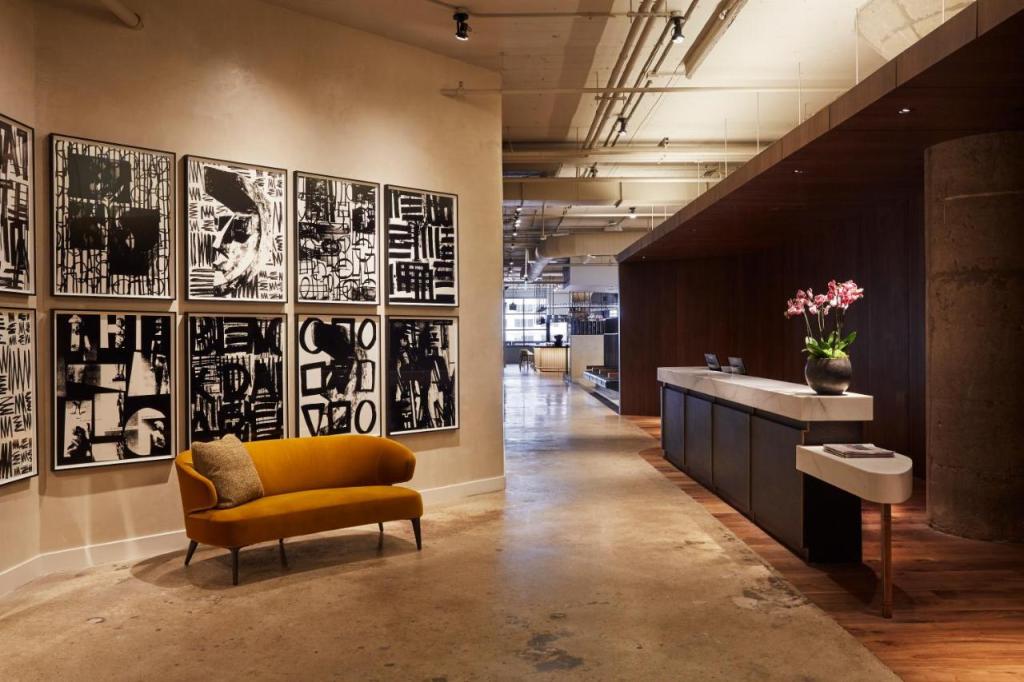
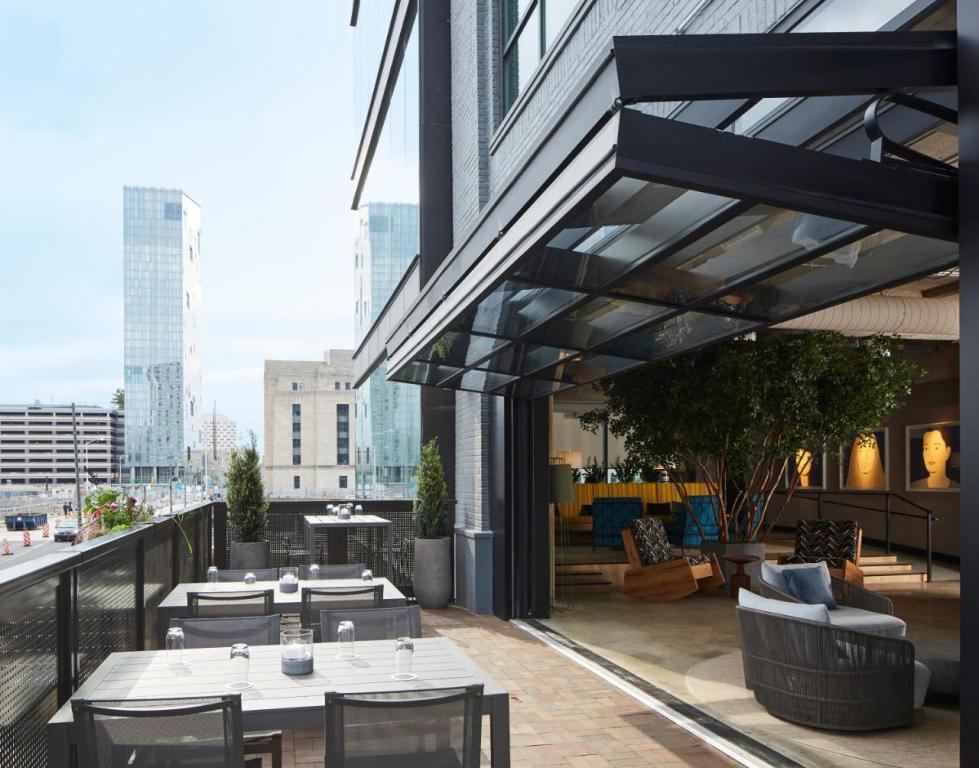
Philadelphia is the civic and architectural anchor of the state. Its Center City grid contains some of the oldest continuously occupied streetscapes in the United States, and the hotels that operate within it tend to reflect that density of history. Converted bank buildings, Beaux-Arts structures repurposed as full-service hotels, and a handful of purpose-built contemporary properties define the accommodation landscape. For suite travelers, Philadelphia rewards those who prioritize urban proximity: walkability to cultural institutions, access to some of the country's most serious restaurant kitchens, and the particular atmosphere of a city that has never fully resolved its tension between tradition and reinvention. The Main Line suburbs to the west extend that experience into a quieter register, with estate-style properties set on manicured grounds that draw on the region's long association with old American wealth.
The Pocono Mountains and northeastern Pennsylvania
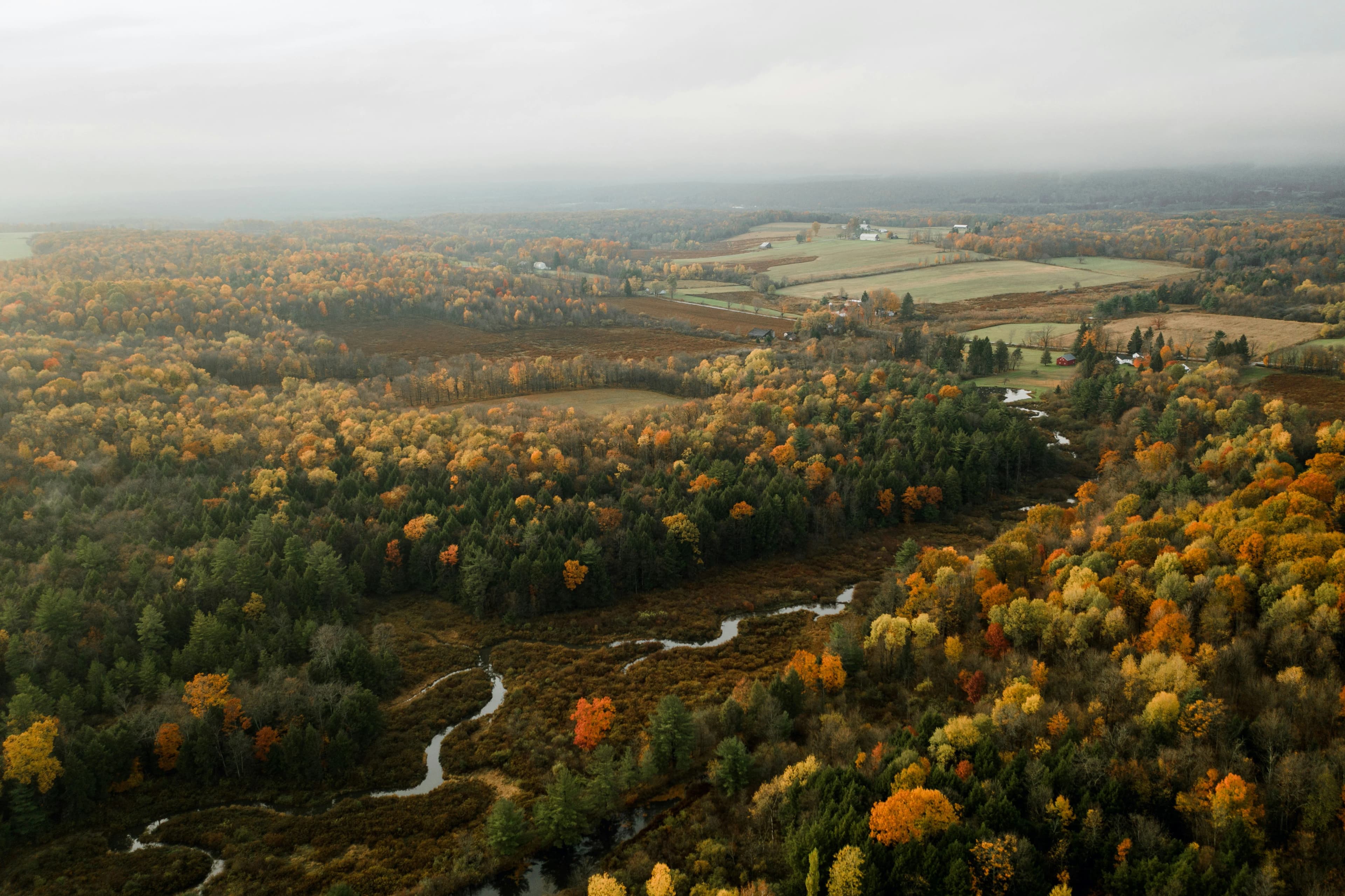
The Pocono plateau has historically served as a retreat zone for the Northeast corridor, and its elevation and forest cover give it a climatic and atmospheric distance from the cities to its south and east. Suite travelers here are generally seeking separation: from urban density, from schedule, from the performative aspects of city travel. Properties in this zone tend toward the resort model, with suites that prioritize interior volume, fireplace access, and immediate contact with the surrounding landscape. The Delaware Water Gap area, at the eastern edge of the plateau, adds a riparian dimension to that offer.
Lancaster County and the Pennsylvania Dutch Country
Lancaster County operates on a different register entirely. The density of working Amish and Mennonite farmland gives the landscape an almost anachronistic calm, and the best accommodation in the region reflects that pace. Boutique inns and converted farmhouses occupy positions within the agricultural grid that offer genuine seclusion. For the design-conscious traveler, this area is increasingly interesting: a growing number of properties combine serious interior design with proximity to the county's distinctive food culture, which has become a genuine culinary destination in its own right.
Pittsburgh and western Pennsylvania
Pittsburgh's reinvention over the past two decades has been well-documented. The city's industrial infrastructure, its river confluences, and its hillside neighborhoods create an urban texture that is genuinely unlike anything else in the American Northeast. Suite travelers here find a smaller selection than Philadelphia but one that is increasingly curated: adaptive reuse projects that convert industrial buildings into hotel spaces, properties positioned to take advantage of the city's striking topography, and a cultural scene anchored by serious museum collections and a restaurant landscape that has moved well beyond its blue-collar past.
When to visit Pennsylvania for a luxury suite experience
Pennsylvania's four seasons are genuinely distinct, and each creates a different context for suite travel.
Spring, from April through early June, is the most broadly favorable period. Temperatures across the state are moderate, the landscape transitions from bare to fully foliated, and the cultural calendar in both Philadelphia and Pittsburgh is active without the compression of peak summer demand. Suite availability tends to be stronger in spring than in summer, and rates are frequently more negotiable.
Summer draws families to the Poconos and cultural travelers to Philadelphia's outdoor programming, but it also represents peak demand and peak pricing across the state's best properties. Travelers who prefer quieter, less contested environments may find summer the least favorable season for a certain kind of suite experience.
Autumn is, by most measures, the optimal season for Pennsylvania suite travel. The foliage across the Pocono plateau and the ridge-and-valley terrain of central Pennsylvania is among the most consistent in the Northeast. The harvest context of Lancaster County becomes particularly acute in October, and both Philadelphia and Pittsburgh enter a cultural season that tends to be their most dense and serious. Demand at the best properties rises accordingly, and forward booking is essential.
Winter offers a more selective proposition. The Poconos support winter sports infrastructure, and properties oriented toward that market maintain strong occupancy. Philadelphia's cultural institutions and restaurant scene operate without interruption, and the city's architecture takes on a different quality in low winter light. For travelers who find the quieter, less populated version of a destination more interesting, January and February in Pennsylvania can be genuinely rewarding.
Understanding luxury standards in Pennsylvania
The United States does not operate a formal national classification system for luxury hotels equivalent to France's Palace designation or Italy's five-star L rating. In practice, the luxury tier in Pennsylvania is defined by a combination of brand affiliation, independent reputation, physical plant quality, and the depth of service infrastructure.
At the upper end, Pennsylvania's best hotels operate within the Forbes Travel Guide and AAA Diamond rating frameworks, and the Five-Star and Five-Diamond designations remain meaningful proxies for suite quality. Beyond those formal markers, the state's most compelling luxury properties tend to be distinguished by the specificity of their architectural identity: a suite in a converted historic building carries a different character than one in a purpose-built contemporary tower, and that distinction matters to the traveler who is choosing accommodation as part of a broader experiential logic rather than simply as a functional necessity.
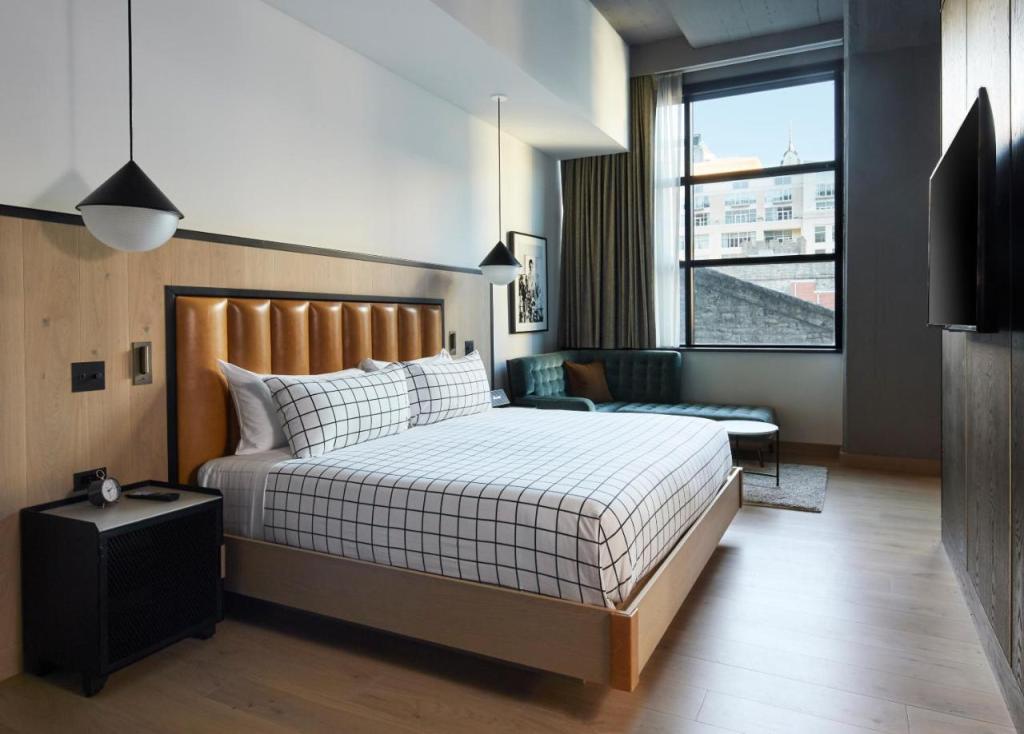
Suite typologies in Pennsylvania range from urban penthouse configurations with skyline exposure in Philadelphia and Pittsburgh to multi-room resort suites in the Poconos with private outdoor access and fireplaces, to intimate inn suites in Lancaster County that prioritize stillness and agricultural context over square footage. Each typology corresponds to a different travel intention, and understanding those distinctions is essential to making the right selection.
How to choose the best luxury suite in Pennsylvania
The first consideration is alignment between the suite's character and the traveler's primary motivation. A Philadelphia suite in a historic Beaux-Arts hotel delivers urban access, architectural texture, and proximity to cultural programming. A Pocono resort suite delivers seclusion, landscape immersion, and physical separation from the city. A Lancaster County inn suite delivers agricultural calm and food-culture proximity. These are not interchangeable propositions, and conflating them produces disappointing experiences.
The second consideration is the relationship between interior and exterior. Pennsylvania's best suites are designed in dialogue with their specific environments: the river views from a Pittsburgh suite, the forest canopy visible from a Pocono terrace, the farmland framing a Lancaster bedroom window. Travelers should ask specifically about that relationship when selecting a property.
The third consideration is seasonality. Suite pricing and availability in Pennsylvania follow the patterns described above, and the traveler who books six to eight weeks in advance during peak autumn or summer periods will have meaningfully better options than one who approaches the market at shorter notice.
Why a curated selection by La Suite matters in Pennsylvania
Pennsylvania's luxury accommodation market is geographically dispersed and categorically varied. Without a structured curation framework, the process of identifying which properties actually deliver at the suite level, rather than simply marketing at it, requires a disproportionate investment of time and research. La Suite applies a consistent editorial standard across the full range of Pennsylvania's luxury hotel offering, distinguishing between properties that perform at the suite level and those that fall short of it. The result is a selection that reflects genuine quality rather than marketing volume, and that allows the traveler to make a decision with confidence rather than uncertainty.