Best areas in Rhode Island for a luxury suite stay
Newport
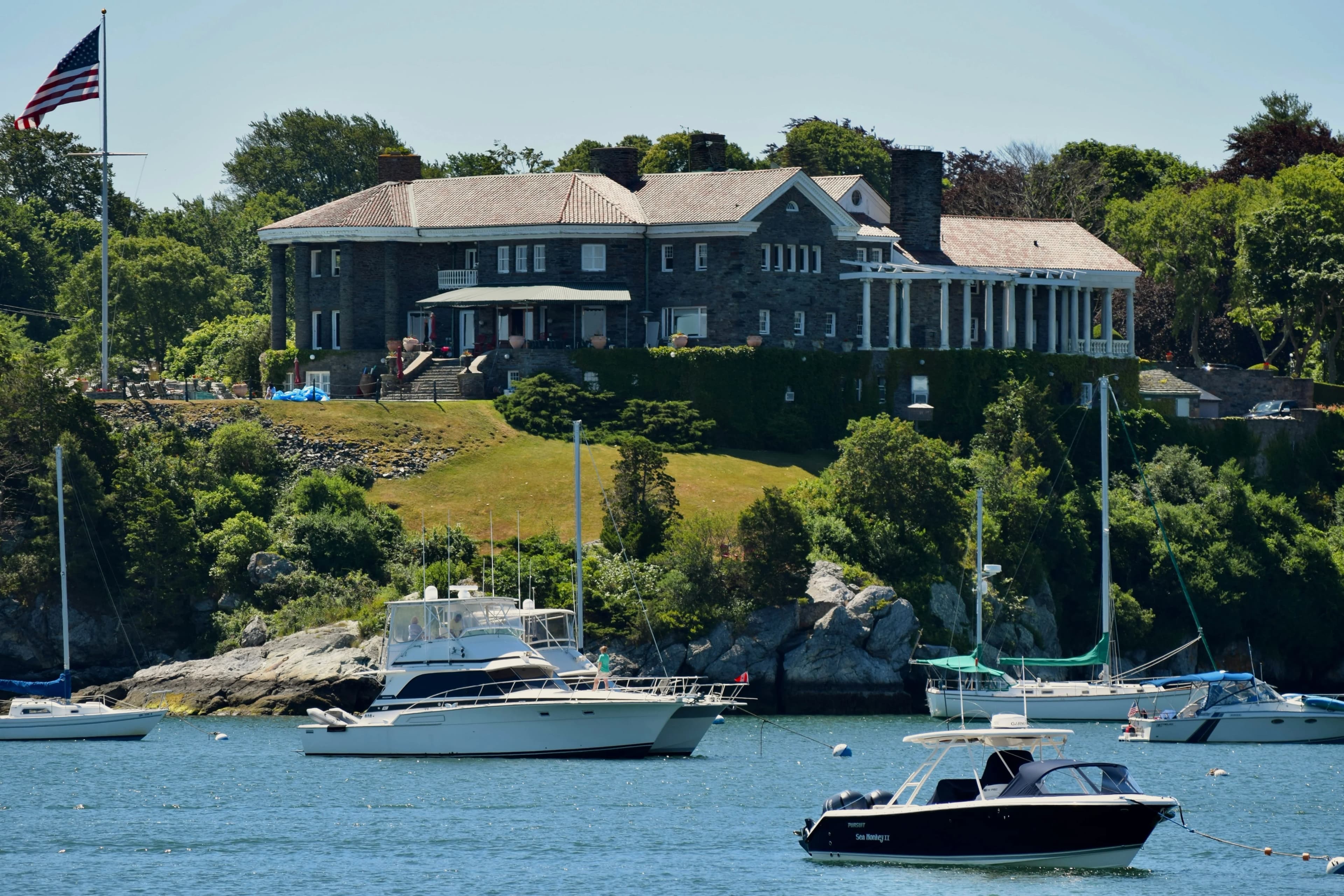
Newport is the gravitational center of Rhode Island's luxury hospitality landscape. The Gilded Age left a physical record here that few American cities can match: mansion-lined Bellevue Avenue, the Breakers, and a working harbor that still hosts competitive sailing events. A luxury hotel suite in Newport carries the weight of that architectural inheritance. The best properties in the area occupy restored estates or period-appropriate buildings, and the quality of the rooms reflects an expectation calibrated by generations of high-net-worth visitors. Newport is not a city that performs luxury; it simply maintains it.
Providence
Rhode Island's capital operates on a different register. Providence is a university city with a serious culinary culture, a respected arts scene, and a compact downtown that rewards slow, deliberate exploration. The luxury hotel options here tend toward refined urban properties rather than resort-scale offerings. For the traveler who prefers a suite that functions as a private residence within walking distance of culture, Providence delivers that proposition with consistency.
South County and Watch Hill
The southern coastline, anchored by Watch Hill and the Narragansett shore, represents Rhode Island at its most quietly exclusive. Watch Hill in particular carries a reputation for understated privilege: the architecture is shingled and restrained, the beaches are wide and uncrowded by comparison to other northeastern destinations, and the seasonal rhythm is governed by those who return year after year rather than first-time visitors. A luxury suite in this part of the state is less about amenity lists and more about access to a particular quality of stillness.
Block Island
Situated twelve miles off the coast, Block Island operates outside the mainland's pace entirely. The island has no traffic lights, and its Victorian architecture and protected open space give it a physical character that resists the homogenization common to resort islands. For travelers willing to accept the ferry crossing, the reward is a degree of isolation that is increasingly difficult to find in the northeastern United States.
When to visit Rhode Island for a luxury hotel suite
Rhode Island's peak season runs from late June through Labor Day, when Newport's social calendar is at its densest and South County's beaches are in full use. Suite availability at premium properties during this window requires planning well in advance, and rates reflect the concentration of demand. The Newport Folk Festival in late July and the Newport Jazz Festival in early August draw a culturally specific audience that further tightens inventory.
September and October represent the period that many experienced travelers prefer. The summer crowds recede, the light changes character, and the coastal landscape takes on the precise quality of early autumn in New England. Hotel pricing adjusts accordingly, and the traveler who moves in this shoulder season often secures superior accommodations at rates that reflect the reduced competition for rooms.
Winter in Rhode Island is not a conventional tourist season, but it carries its own logic for the traveler seeking privacy above all else. Newport in January is a different place: the mansions are quieter, the harbor is raw, and the few properties that remain open operate with an attentiveness that the summer season does not always permit.
Local luxury standards: what to expect from top-tier suites in Rhode Island
Rhode Island does not operate within a formal prestige classification system in the manner of France's Palace designation. Instead, quality is signaled through a combination of AAA Diamond ratings, Forbes Travel Guide recognition, and the accumulated reputation of individual properties. The highest-tier suites in the state tend to share certain characteristics: architectural integrity, proximity to water or significant cultural sites, and a level of spatial generosity that distinguishes them from standard hotel rooms.
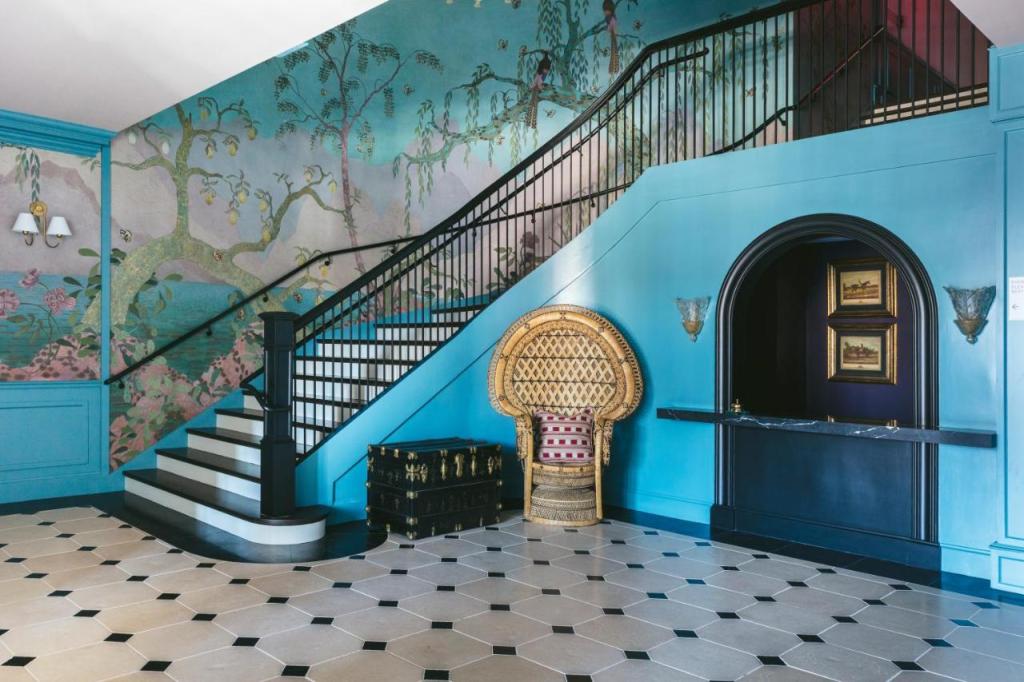
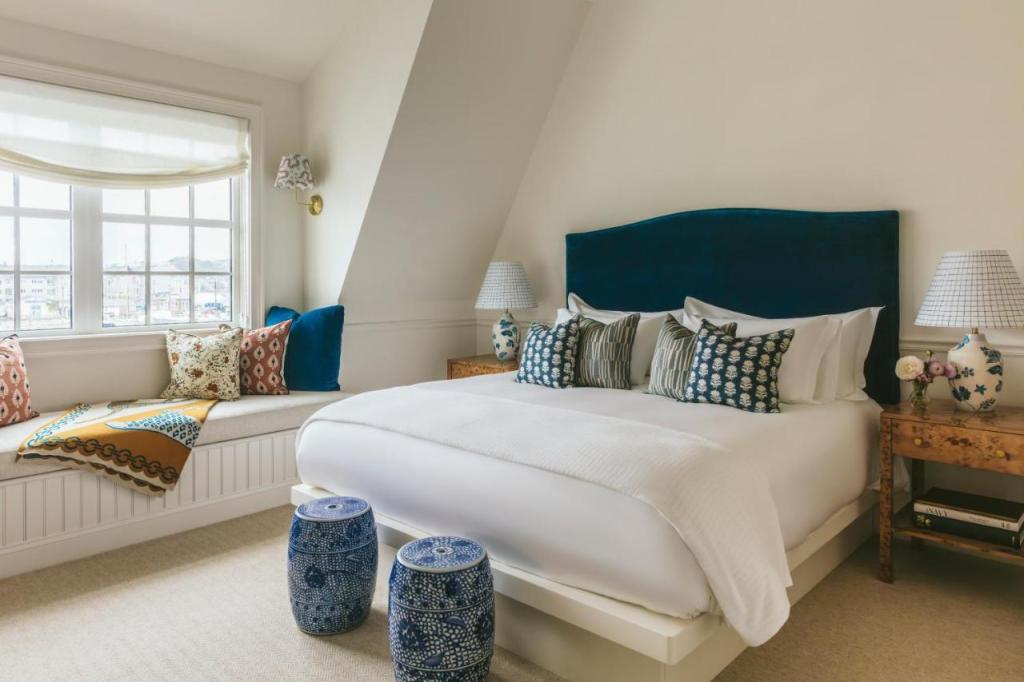
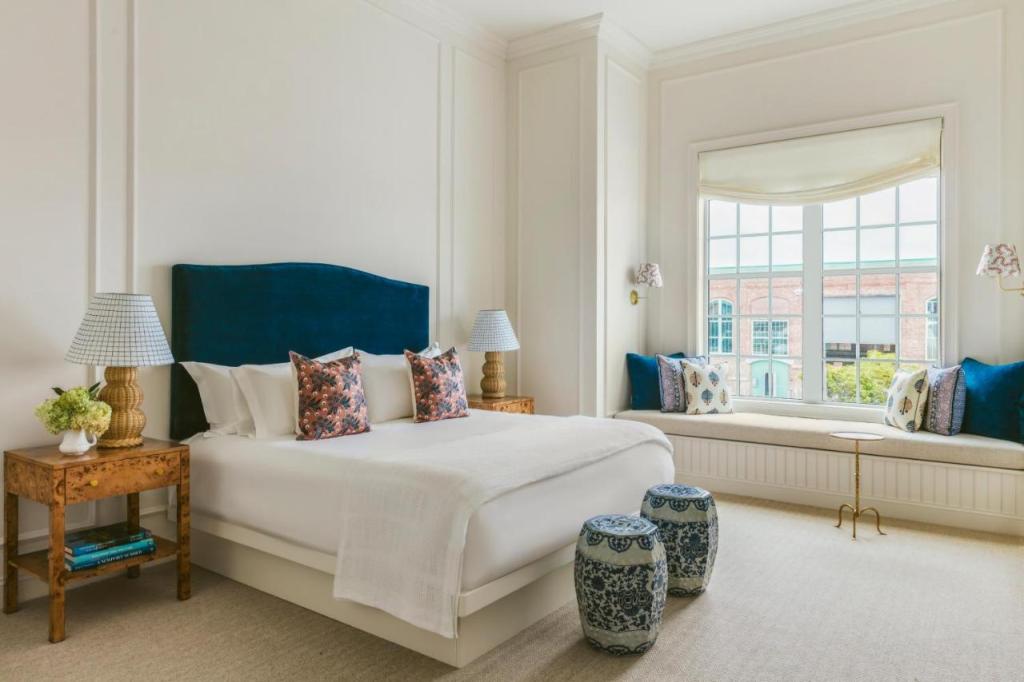
The luxury hotel suite market in Rhode Island skews toward the boutique and the historic rather than the large-format resort. Properties in Newport and Watch Hill often occupy buildings with genuine provenance, and the interior design in the best examples reflects a considered relationship with that history rather than a generic luxury template. Thread counts, service ratios, and kitchen facilities in top suites are consistent with international luxury hotel standards, but the overall atmosphere tends toward the residential rather than the theatrical.
For travelers accustomed to resort destinations in the Caribbean or Mediterranean, Rhode Island's luxury offering may initially read as restrained. That restraint is not a deficit; it is a defining characteristic of New England's approach to high-end hospitality, where quality is expressed through precision and understatement rather than scale.
How to choose the best luxury suite in Rhode Island
The primary decision in Rhode Island is geographic. The state is small enough that Newport, Providence, and Watch Hill could theoretically be visited from a single base, but the experience of each area is sufficiently distinct that the choice of location should be made with clarity about what the trip is actually for.
Travelers prioritizing maritime atmosphere, historic architecture, and social density should orient toward Newport. Those seeking urban culture and culinary engagement will find Providence the more coherent choice. Families or couples for whom privacy and natural landscape take precedence should consider South County or Block Island.
Within the suite category, the distinction between historic properties and contemporary hotels is meaningful here in a way that it may not be in newer resort destinations. A suite in a converted mansion carries spatial idiosyncrasies, such as irregular floor plans and period details, that a purpose-built luxury hotel does not. Neither is superior in absolute terms, but the preference is worth establishing before booking.
Seasonal considerations are also practically relevant. Some smaller Rhode Island properties close partially or entirely outside the summer season. Confirming operating schedules and full service availability before selecting a suite for an autumn or winter visit is a concrete step that prevents disappointment.
Why a curated selection by La Suite matters in Rhode Island
Rhode Island's luxury hotel market is compact, which creates a false impression of simplicity. In practice, the difference in quality between the upper tier and the merely adequate is significant, and the marketing language used across the category is not always a reliable guide to the actual suite experience. A property that presents well in photographs may deliver a different reality in terms of noise levels, service consistency, or the actual condition of a heritage building.
La Suite approaches this territory with the same editorial discipline applied to destinations of greater geographic scale. The curated selection for Rhode Island identifies suites that meet a specific threshold across spatial quality, design integrity, and service standard. For the traveler arriving in the Ocean State with limited time and precise expectations, that pre-qualified shortlist removes the friction that undifferentiated search results consistently introduce. The curation is not exhaustive by design; it is selective by conviction.