Understanding Santa Monica as a luxury suite destination
For travelers selecting a luxury hotel suite here, the choice is not simply about accommodation. It is about positioning within a city that rewards spatial thinking. A suite with ocean-facing exposure operates differently from one oriented toward the Santa Monica Mountains or the urban grid of downtown. Understanding this geography is the first decision a discerning traveler must make.
Key areas within Santa Monica for high-end stays
The beachfront corridor
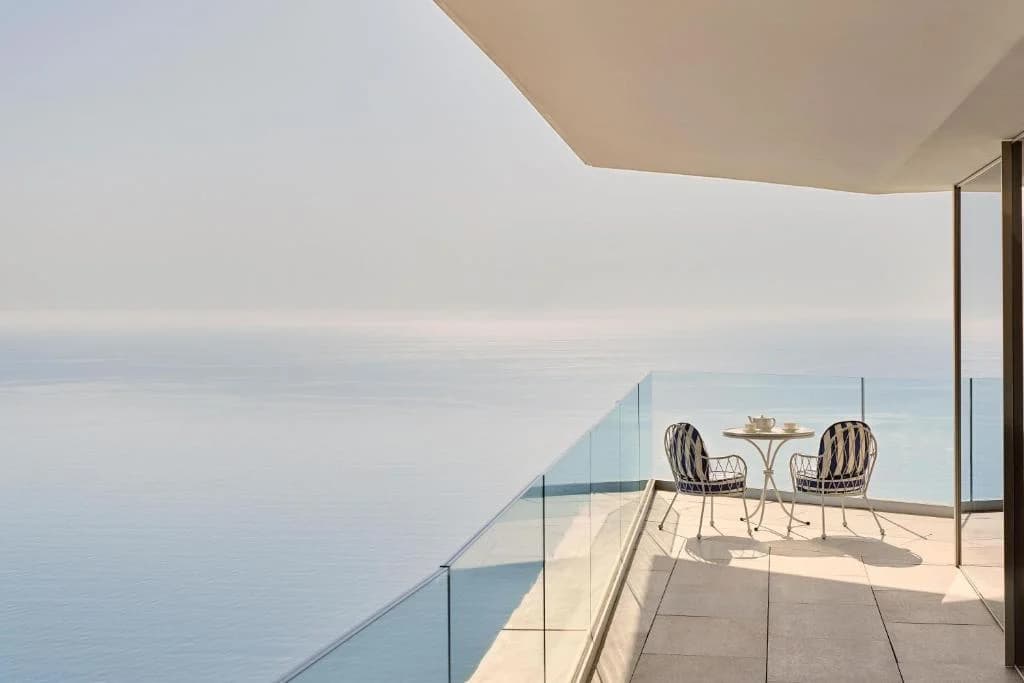
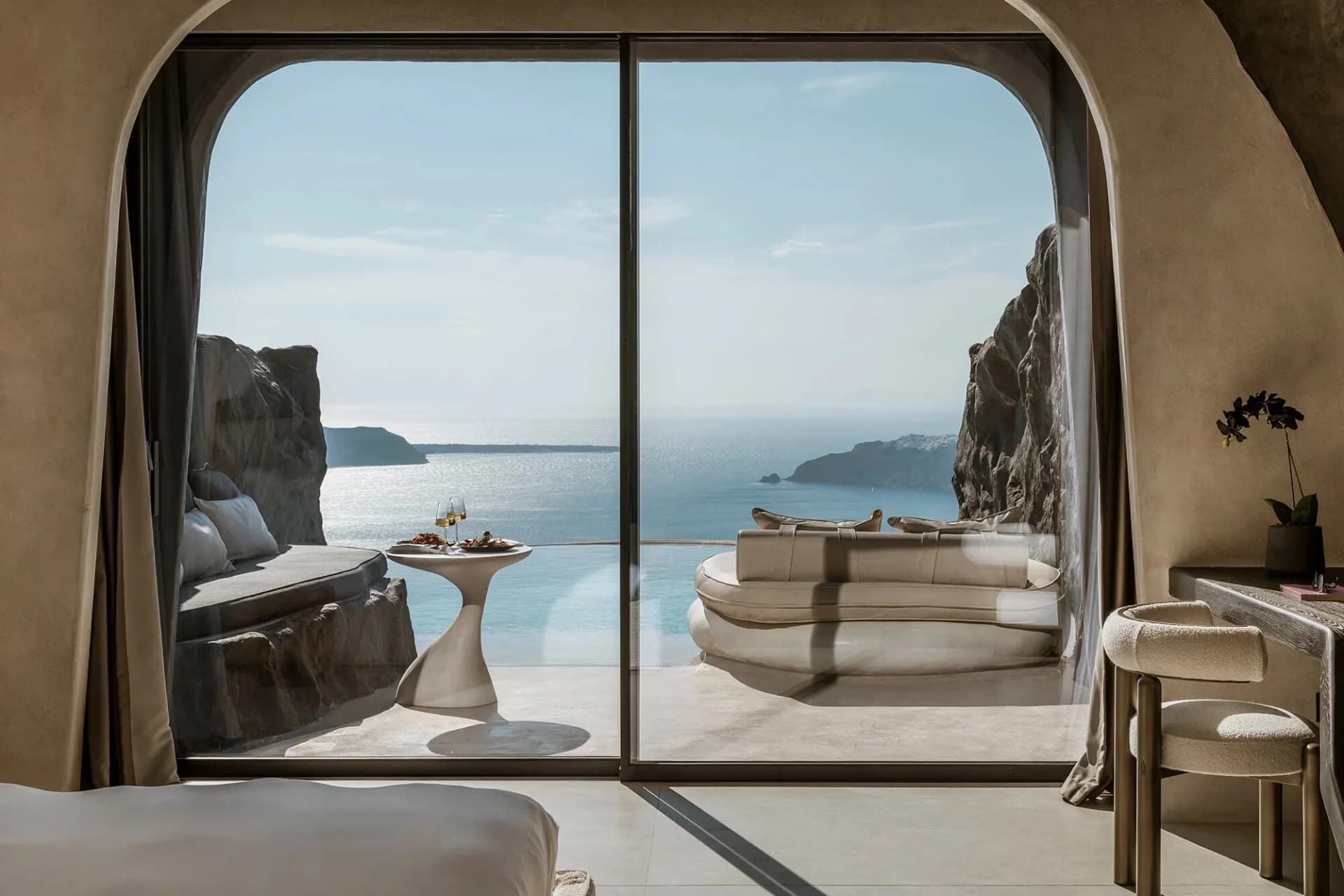
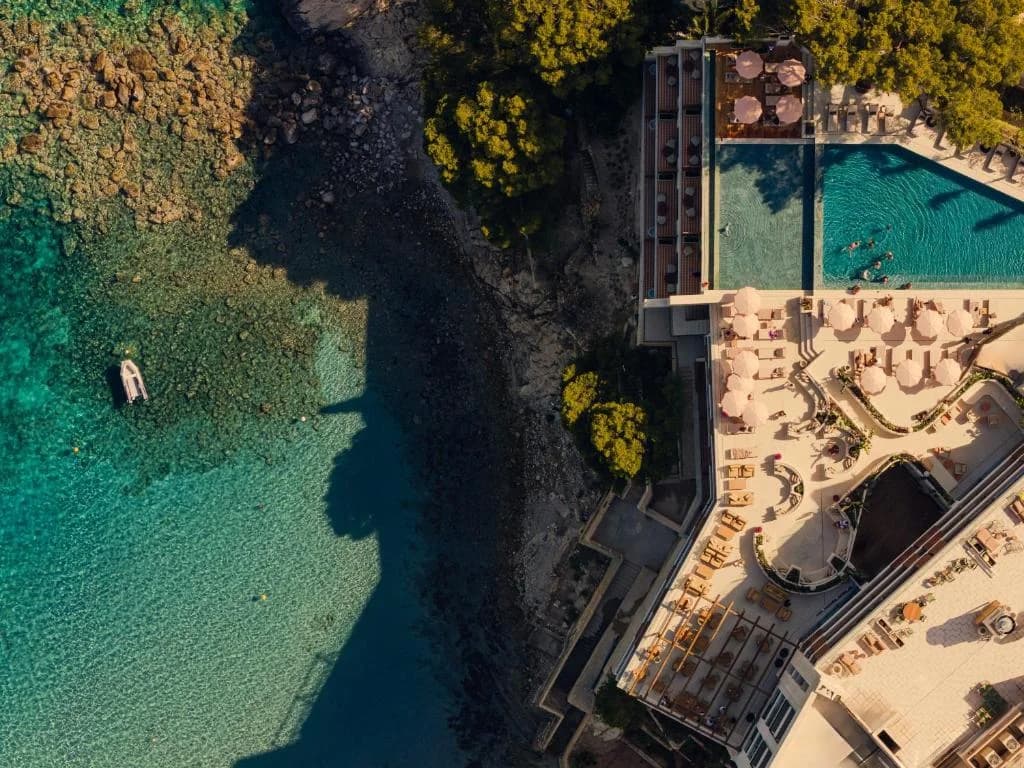
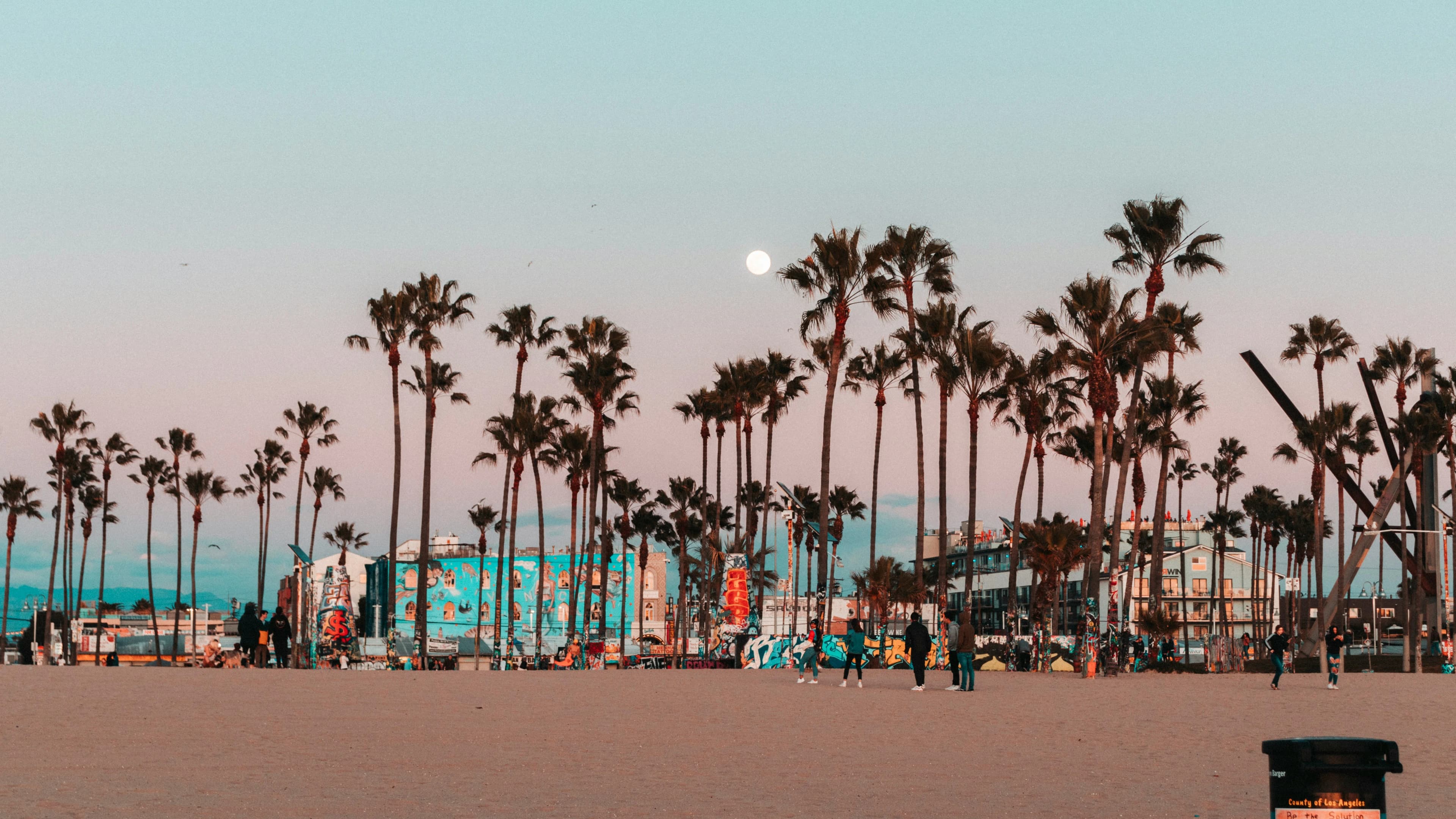
The stretch along Ocean Avenue and the immediate beachfront represents the most direct engagement with Santa Monica's defining asset: the Pacific. Hotels positioned here offer suites where the ocean is not a backdrop but a structural presence. Morning light from this orientation is among the most architecturally interesting on the West Coast, and the acoustic quality of rooms facing the water is markedly different from those facing inland. This is the area for travelers whose primary intention is to exist in proximity to the coast.
Downtown Santa Monica and the Third Street Promenade area
The blocks surrounding the Third Street Promenade and the Santa Monica Place retail complex offer a different quality of luxury. Here, suites exist within a context of walkable access to independent restaurants, design-forward retail, and cultural venues. This area suits travelers who value urban texture alongside the comforts of high-end accommodation. The architectural character of hotels here tends toward contemporary, with design languages that reflect California modernism.
The Montana Avenue corridor
Montana Avenue, running east from the northern end of the beachfront, is one of the most precisely calibrated luxury residential and retail streets in Los Angeles County. Boutique properties in this area benefit from a quieter, more residential atmosphere while maintaining proximity to the water. For travelers seeking discretion and a sense of local integration rather than the visibility of the main beachfront, this corridor offers a compelling alternative register.
When to visit Santa Monica for a luxury suite experience
Santa Monica operates within a climate that is genuinely mild across most of the calendar year. The coastal marine layer, known locally as June Gloom, affects mornings from late May through early July, creating overcast conditions that clear by midday. This is worth considering when selecting a suite: ocean-view rooms lose some of their visual return during this period in the morning hours. The clearest, most photogenically accurate representation of Santa Monica's coastal character occurs from late August through November, when warm days, low humidity, and extended golden-hour light define the atmosphere.
December through March brings cooler temperatures and periodic Pacific storms that can be architecturally dramatic when experienced from a well-positioned suite, though pool and outdoor terrace use is reduced. Spring, from March to May, offers moderate conditions and lower hotel rates relative to the peak summer season, making it a practical window for travelers who prioritize suite quality over seasonal visibility.
Major events that affect suite availability include the Los Angeles Marathon in March, which routes through Santa Monica, and the Concours d'Elegance events that draw a particular tier of traveler to the region in autumn. The summer period, particularly July and August, sees the highest occupancy rates and the most pronounced pricing across the luxury hotel segment.
Local luxury standards: what to expect from top-tier suites in Santa Monica
The United States does not operate with a formal national prestige designation equivalent to the French Palace classification. In Santa Monica specifically, the most reliable quality indicators are the Forbes Travel Guide star ratings, AAA Diamond ratings, and the membership of properties within established luxury collections such as The Leading Hotels of the World or Preferred Hotels and Resorts.
At the top tier, suites in Santa Monica are characterized by generous square footage, direct or framed ocean views, and a design sensibility that draws on California residential architecture rather than the generic international luxury aesthetic. Expect materials like white oak, polished concrete, and linen in properties that are doing this well. Service architectures at this level include dedicated concierge access, in-suite dining drawn from kitchen programs of genuine caliber, and room configurations that allow for both work and genuine relaxation without compression.
The bathroom in a serious Santa Monica suite is typically a spatial statement in itself: freestanding tubs, walk-in rainfall showers, and products sourced from California or regional suppliers rather than the standard international hotel amenity brands. These details are useful quality signals when comparing properties.
How to choose the right luxury suite in Santa Monica
The primary axis of choice in Santa Monica is orientation: ocean-facing versus city-facing. This is not a trivial distinction. An ocean-facing suite at the right property delivers a fundamentally different sensory experience throughout the day, from the quality of morning light to the acoustic texture of the space in the evening. It also commands a meaningful price premium. The question is whether the traveler's primary use of the suite aligns with that premium.
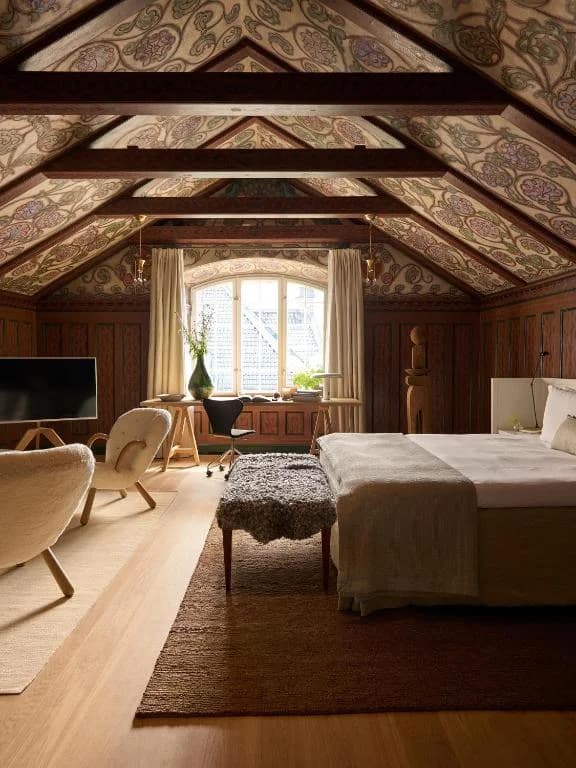
The secondary axis is architectural character: contemporary versus heritage. Santa Monica has relatively fewer historic grand hotel buildings than cities like New York or San Francisco, but several properties carry architectural histories that translate into suite configurations of particular interest, including higher ceilings, larger floor plates, and design details that are specific rather than generic.
Suite size and configuration matter considerably for travelers arriving with family members or using the suite as a working base. A junior suite in the Santa Monica market may offer limited separation between sleeping and living areas. Travelers with specific spatial requirements should prioritize properties that offer true multi-room suite configurations with defined living rooms, separate bedrooms, and in some cases private terraces or balconies.
Why curated selection by La Suite changes the decision
Santa Monica presents a market where the price differential between a genuinely exceptional suite and an overpriced standard room is not always legible from hotel websites alone. Room photography is often manipulated to maximize apparent space, and rate structures across the luxury segment can obscure what is actually included in the suite experience.
La Suite approaches Santa Monica with the same editorial framework applied to every destination in its portfolio. The selection criteria prioritize spatial quality, service architecture, design integrity, and the coherence of the overall experience rather than brand recognition alone. For a traveler allocating a meaningful portion of a travel budget to accommodation, this filtering removes the principal risk: arriving in a room that does not deliver what its presentation promised.
The curated selection by La Suite in Santa Monica reflects the actual landscape of high-end suite availability in this market, presented with the context necessary to make a decision that matches the traveler's specific intentions for their stay.