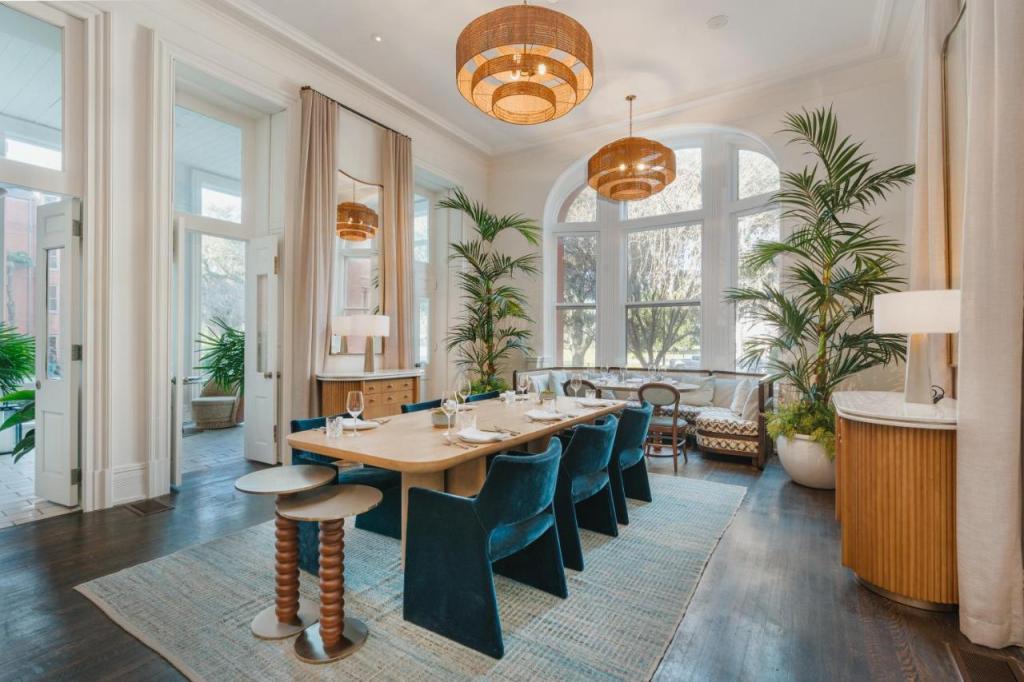
Where to stay in South Carolina: understanding the distinct luxury zones
The Low Country coastline, stretching from Hilton Head Island through Beaufort and into the ACE Basin, is defined by marsh light, live oak canopies draped in Spanish moss, and a quietude that feels deliberately preserved. Luxury properties here tend toward plantation-era aesthetics, deep verandas, and private access to tidal waterways. This is the zone for travelers who equate privacy with proximity to the natural world.
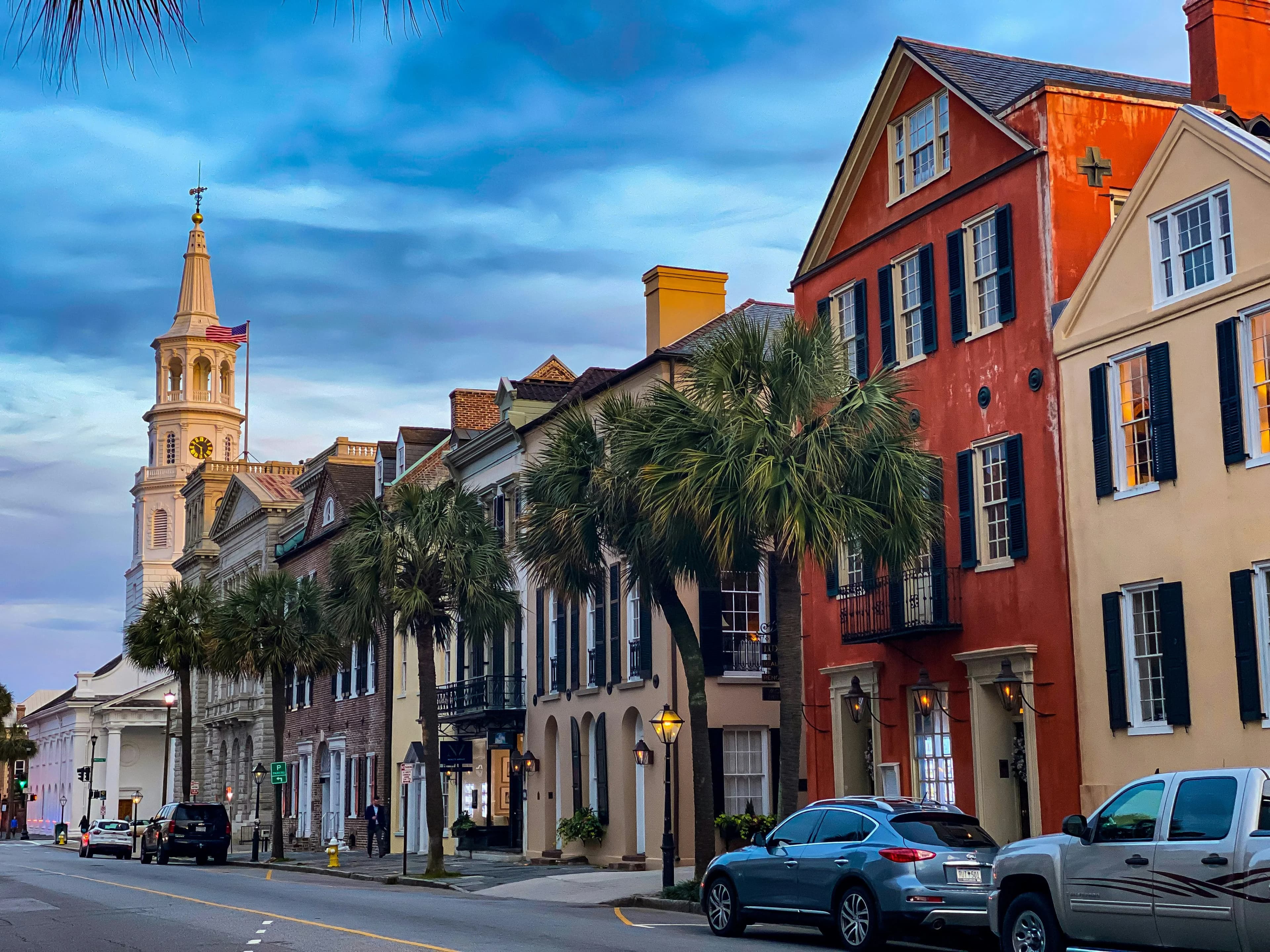
Charleston and its immediate surroundings represent the state's most architecturally dense luxury corridor. The peninsula city contains one of the most intact collections of antebellum and colonial architecture in the United States, with its distinctive single-house typology and cobblestone streets. Historic inns and boutique hotels occupy restored townhouses and carriage houses, placing guests within walking distance of the French Quarter, the Battery, and the city's serious restaurant scene.
Kiawah Island and Seabrook Island offer a more resort-oriented model. These private barrier islands are governed by conservation covenants that limit development, resulting in a low-density, golf-forward luxury environment with significant ocean frontage. Suite experiences here tend toward contemporary interior design set against deliberate natural landscaping.
The Upstate region, anchored by the Greenville metropolitan area and bordered by the Blue Ridge Escarpment, represents South Carolina's quietest luxury frontier. Boutique inns and converted mill properties have emerged here alongside a growing arts and culinary scene. For travelers who prioritize mountain light over coastal humidity, this corner of the state offers a genuinely different register.
When to visit South Carolina for a luxury suite experience
South Carolina's climate is subtropical, which creates a distinct seasonality that informed suite booking should account for.
Spring, from March through May, is broadly considered the optimal window. Temperatures across the Low Country settle between 60 and 80 degrees Fahrenheit, the azaleas and wisteria are in full cycle, and the historic house and garden tours in Charleston draw a culturally attentive crowd. Availability tightens in April, particularly around the Cooper River Bridge Run and the Charleston Wine and Food Festival, which falls in early March.
Summer is the most complex season. Hilton Head and the barrier islands reach peak occupancy in June and July, driven by domestic family travel. Heat and humidity are substantial facts of life in the Low Country between June and September. Suite pricing reflects demand rather than experience quality, and discerning travelers who have flexibility often redirect toward fall.
Fall, from October through November, is the season most likely to satisfy a traveler optimizing for atmosphere. Temperatures moderate, the Spoleto Festival USA successor events and Southeastern Wildlife Exposition in November anchor the cultural calendar, and the landscape transitions with a subtlety specific to the coastal South.
Winter along the coast remains mild by national standards, with daytime highs often in the 50s and 60s. January and February represent the lowest-demand window, offering stronger suite availability and rate negotiability, particularly in Charleston, where the restaurant scene operates year-round without seasonal interruption.
Understanding luxury standards in South Carolina's hotel market
South Carolina does not operate within a European-style palace classification system. The American luxury hotel market is defined instead by brand flags, Forbes Travel Guide ratings, and the positioning of independent properties within the AAA Five Diamond framework.
Within the state, the most prestigious designations belong to Forbes Four and Five Star properties, of which South Carolina holds a small and selective number concentrated in Charleston and on Kiawah Island. The distinction matters because it signals a consistent service architecture: dedicated concierge teams, suite butler programs, and culinary operations with independent identity rather than branded standardization.
The local luxury hospitality vocabulary also includes the historic inn category, a distinctly Southern American form in which antebellum or colonial structures have been meticulously restored and converted into small, highly curated properties with between ten and forty rooms. These properties frequently offer suites that exceed larger hotel counterparts in terms of architectural character, even if their service infrastructure is more intimate in scale.
Plantation-style resorts, particularly on the barrier islands, represent a third typology. These properties are defined by acreage rather than height, with suites often configured as detached cottages or villa-style units set within managed natural environments. The luxury signal here is horizontal space, both within the suite and across the property grounds.
How to choose the right luxury suite in South Carolina
The most productive question to ask before selecting a suite in South Carolina is whether the trip is organized around a landscape or a city. The answer determines nearly everything else.
Travelers drawn to marshland, ocean frontage, and physical stillness will find their best options on the barrier islands or in the ACE Basin corridor. In these environments, suite selection should prioritize outdoor living space, specifically private screened porches or balconies oriented toward water. Interior square footage matters less than the quality of the threshold between inside and outside.
Travelers organizing their visit around Charleston's architecture, restaurants, and cultural institutions should prioritize location within the historic peninsula. A suite inside the French Quarter or below Broad Street places the entire experiential program within walking distance, which in a city of this scale and humidity is a material consideration. Parking and urban density are real friction points; properties with valet infrastructure and central placement resolve both.
For Upstate travel, the relevant variable is proximity to the Blue Ridge Escarpment trails and the Table Rock or Caesars Head state park corridors. Suite properties here are fewer and more boutique in character. Prioritize properties that demonstrate genuine engagement with the regional landscape rather than generic resort positioning.
Across all zones, suite travelers should verify whether the property operates a dedicated food and beverage program year-round, as seasonal closures in resort environments can materially affect the on-property experience.
Why a curated selection matters in South Carolina
South Carolina's luxury accommodation market is smaller and more geographically dispersed than comparable American destinations. The state does not have a dense urban luxury corridor equivalent to Manhattan or Beverly Hills. What it has instead is a set of highly specific, context-dependent properties whose quality is not legible from standard booking platforms.
The distinction between a genuinely considered suite in a restored Charleston single house and a generic hotel upgrade in a chain property near the convention center is significant. It is not always visible in photography or star ratings. It requires editorial judgment grounded in architectural literacy, service standards knowledge, and an understanding of what this particular landscape asks of its best accommodations.
The curated selection by La Suite applies exactly that judgment to South Carolina's suite inventory, isolating the properties and room categories that deliver an experience proportionate to the investment and coherent with the destination's actual character.