Best areas in Texas to stay in a luxury suite
The Hill Country
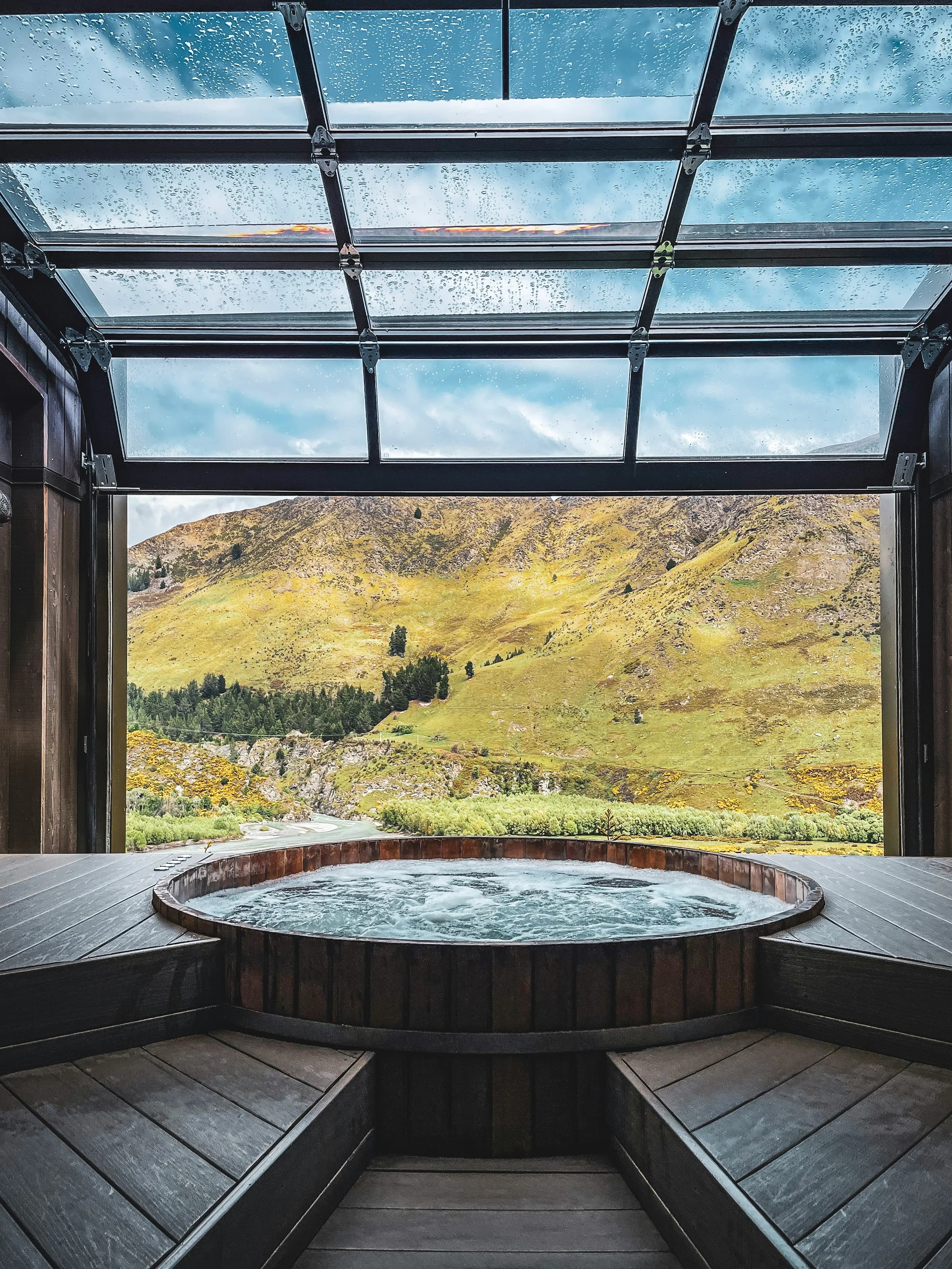
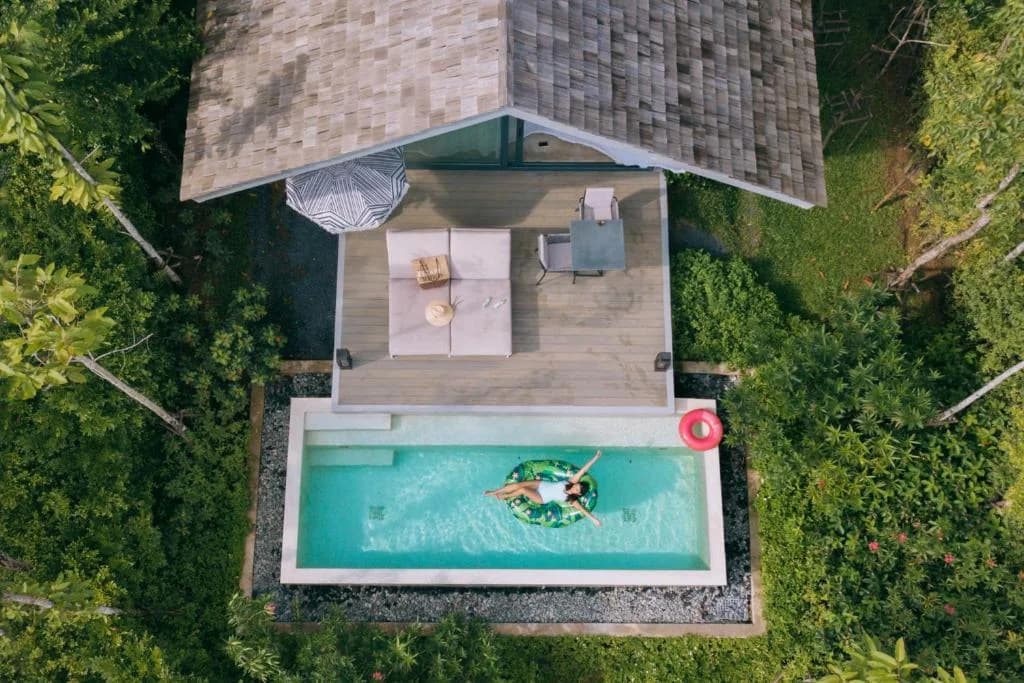
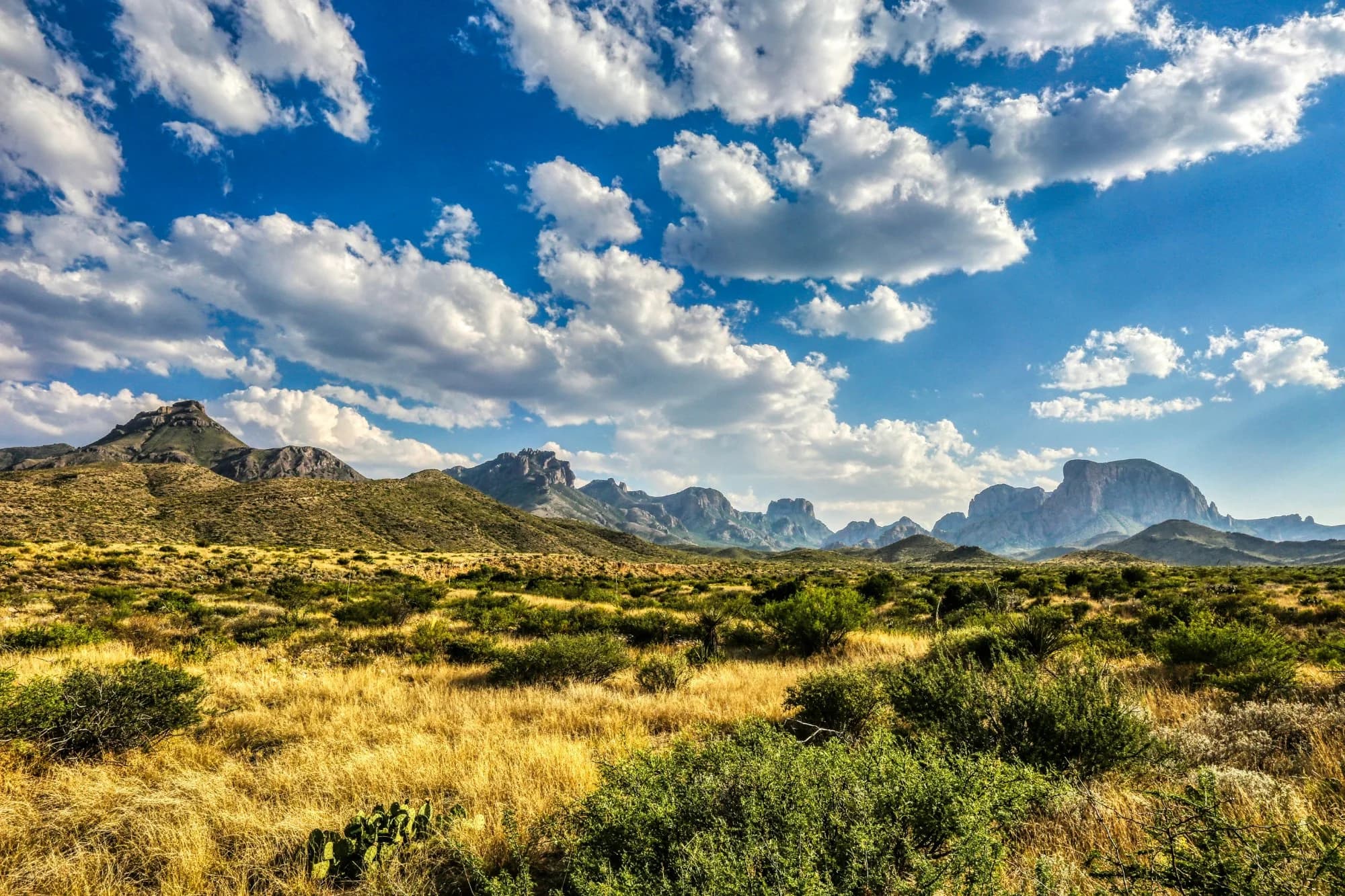
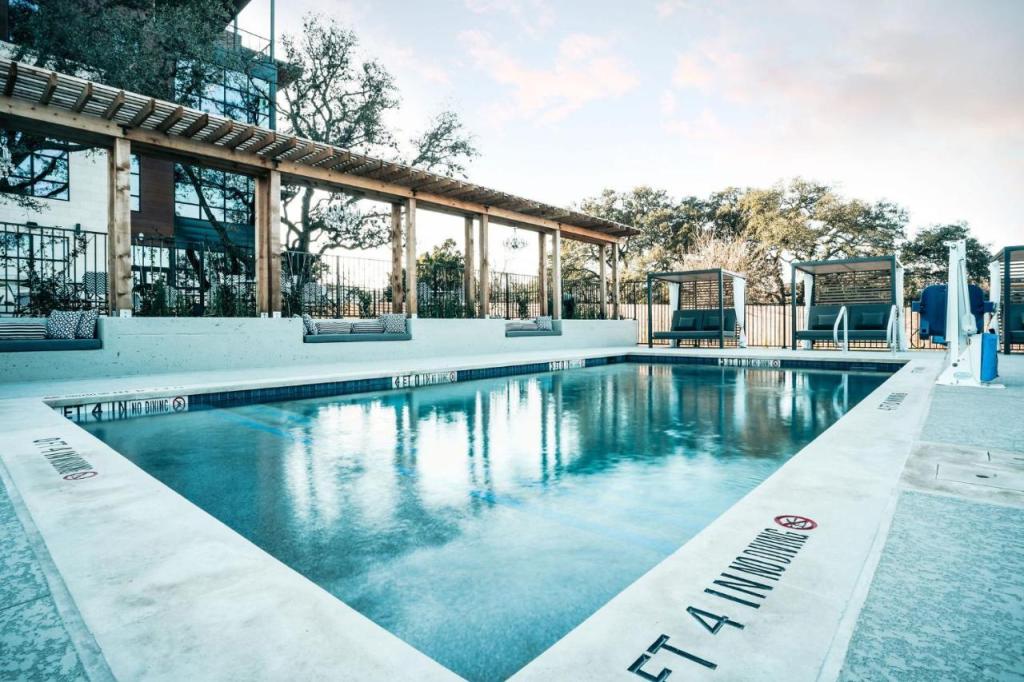
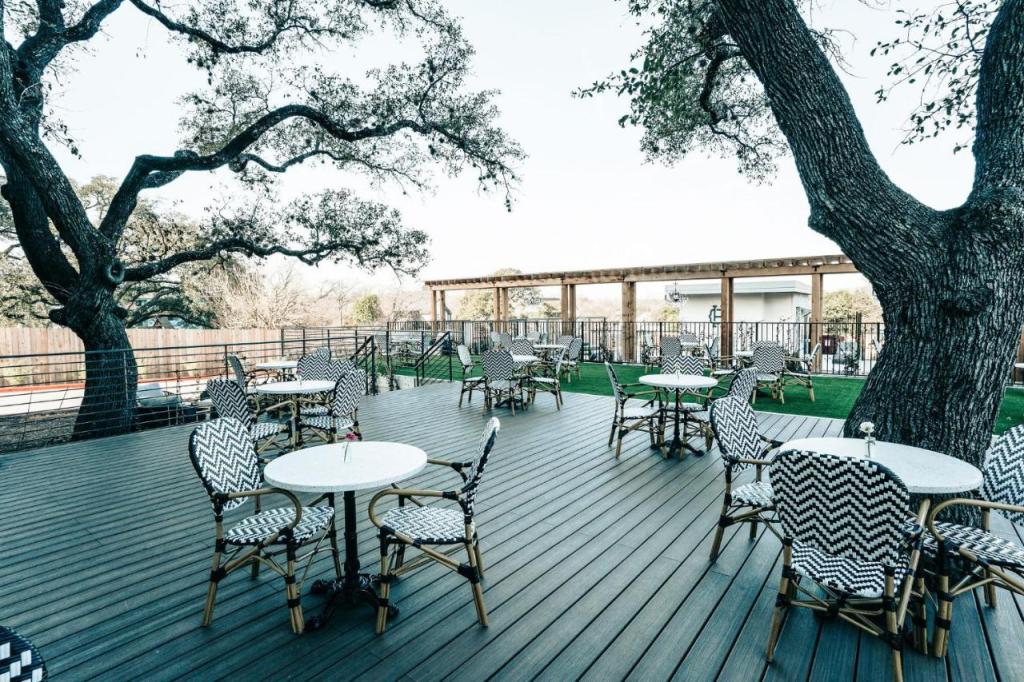
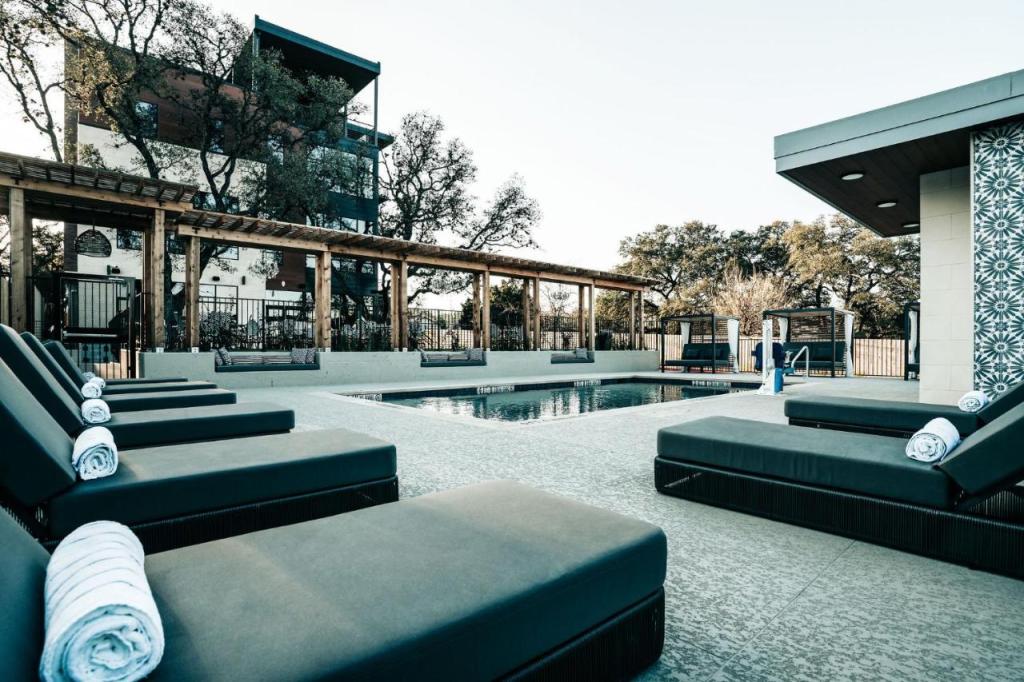
Centred around the corridor between Austin and San Antonio, the Hill Country offers a particular kind of understated privacy. The terrain, defined by limestone outcroppings, live oak groves, and spring-fed rivers, has attracted a cluster of high-end retreat properties that favour horizontal architecture and direct engagement with the landscape. Suites here tend toward private plunge pools, outdoor bathing, and long sightlines across ranching land. It is the part of Texas most aligned with the contemporary wellness-and-seclusion model of luxury travel.
Houston
Houston presents a more urban proposition. As one of the most culturally complex cities in the United States, it supports a hotel market that reflects its density of international business, medical research, and serious art collecting. The Museum District and the Galleria corridor anchor the luxury hotel geography here. Suites in Houston reward those who value proximity to private dining, art institutions, and the city's sophisticated restaurant culture.
Dallas and Fort Worth
The Dallas-Fort Worth metroplex carries a long association with American wealth and a particular aesthetic confidence. Uptown Dallas and the Arts District define the upper end of the accommodation market, with properties that take their interior design seriously. The energy here is formal in a Texan register: expansive, detail-oriented, and image-conscious. Suites in this corridor suit travelers who want full-service luxury within an urban framework.
The Gulf Coast
The Texas Gulf Coast, particularly around Galveston Island and the South Padre Island area, operates on a different register entirely. Coastal suites here prioritise water access and marine sightlines. The market is less dense than the urban centres but includes properties designed around the pace of a coastal stay: fishing, sailing, and extended time outdoors.
When to visit Texas for a luxury suite stay
The thermal reality of Texas is not incidental to trip planning. Summers are genuinely extreme, with temperatures in the interior regularly exceeding 38 degrees Celsius from June through August. This shapes both availability and experience.
Spring (March through May) is widely considered the most considered time to visit. Temperatures are moderate, wildflower season in the Hill Country (particularly bluebonnets in April) draws significant attention, and hotel programming tends to be at its most active. Suite availability at premium properties can tighten during peak bloom weekends, making early reservation discipline essential.
Autumn (October through November) offers a second optimal window. Temperatures moderate, the summer crowds dissipate, and the Hill Country takes on a different quality of light. Cultural calendars in Houston and Dallas are typically at their richest in this period, with gallery openings, opera seasons, and major dining events concentrated in the fall.
Winter in Texas is mild by northern standards. December through February in the Hill Country and coastal areas remains accessible, and properties often offer reduced rates and greater suite availability. The exception is the Christmas and New Year period, which draws domestic travel and compresses inventory at the most sought-after properties.
Local luxury standards: what to expect from top-tier suites in Texas
Texas does not follow European hotel classification conventions. There is no state-administered prestige designation equivalent to the French Palace label or the Italian five-star superior category. Quality assessment relies on internationally recognised systems: Forbes Travel Guide stars, AAA Diamond ratings, and the positioning of individual properties within global luxury hotel groups.
The physical standard of top-tier suites in Texas reflects the state's spatial logic. Square footage is typically generous by global standards, and the expectation of separate living areas, private terraces, and butler or concierge services at full-service properties is well established. Many of the most respected properties in the Hill Country operate as resort compounds rather than traditional hotels, offering a model closer to a private estate than a conventional room inventory.
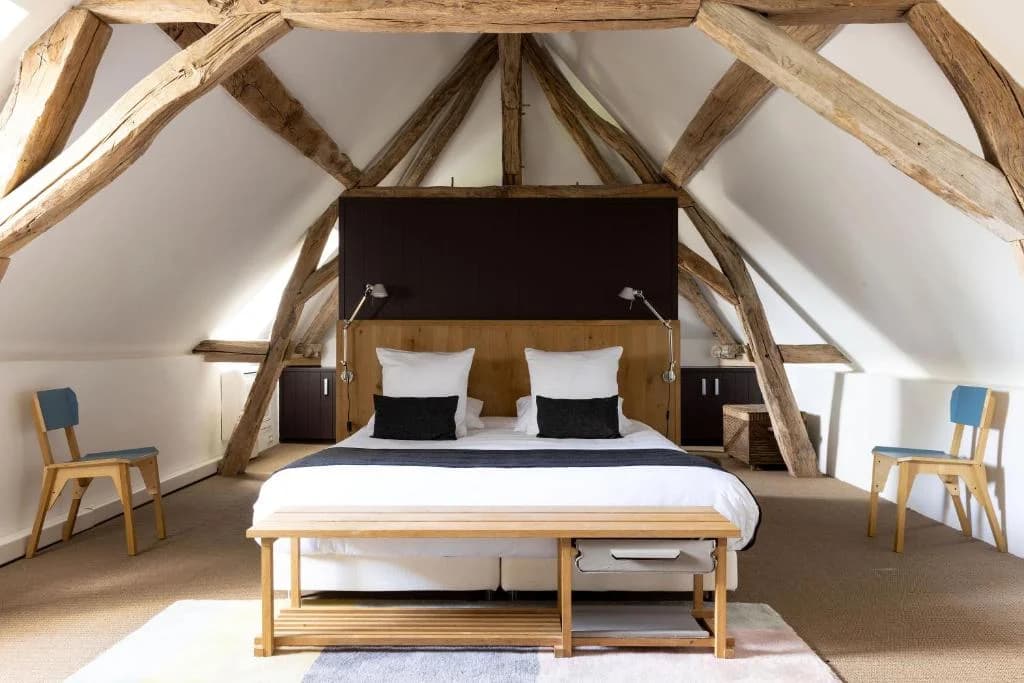
Texas also has a specific relationship with ranch-style luxury, a local vernacular that combines natural materials (limestone, cedar, reclaimed wood) with precision amenity programming. This aesthetic is coherent and considered, and the best examples execute it with genuine architectural intention rather than decorative gesture.
How to choose the best luxury suite in Texas
The first consideration is whether the purpose of the trip is urban or landscape-oriented. Texas supports both, but the experience is sufficiently distinct that conflating them leads to a stay that satisfies neither intention. A Hill Country retreat and a Dallas city suite are not interchangeable propositions.
Within the urban category, proximity to specific cultural institutions and dining destinations matters considerably. Houston's best suites are positioned relative to the Museum District and the city's serious restaurant geography. Dallas suites worth selecting are those within the Arts District or Uptown, where walkability to cultural programming is a genuine differentiator.
For landscape-oriented stays, the relationship between the suite and the natural environment is the primary variable. Key questions: Does the suite open directly to outdoor space? Is there acoustic privacy from other guests? Is the property's land holding large enough to provide genuine visual seclusion? These are not supplementary considerations; they are the functional definition of what a Texas ranch-style luxury suite is designed to deliver.
Service model also varies significantly. Full-service luxury hotels in the urban centres offer the standard architecture of concierge, room service, and on-site dining. Boutique Hill Country properties may deliver a more intimate but less comprehensive service structure. Neither is superior in absolute terms; the right choice depends on the traveler's priorities for that particular stay.
Why a curated selection by La Suite matters in Texas
The Texas luxury hotel market is large, geographically dispersed, and commercially marketed with varying degrees of precision. The gap between a property that presents as luxury and one that genuinely delivers at that standard is wider than in more concentrated markets like New York or Paris.
La Suite's curation applies consistent editorial criteria across the full geographic spread of the state. The result is a selection that removes the noise of marketing language and surfaces the properties where suite quality, spatial integrity, and service architecture meet the standard that discerning travelers actually require. For a territory this size, that filtering function is not a convenience; it is a necessary instrument of intelligent travel planning.