Where to stay in Utah for a luxury suite experience
Southern Utah: canyon country and desert architecture
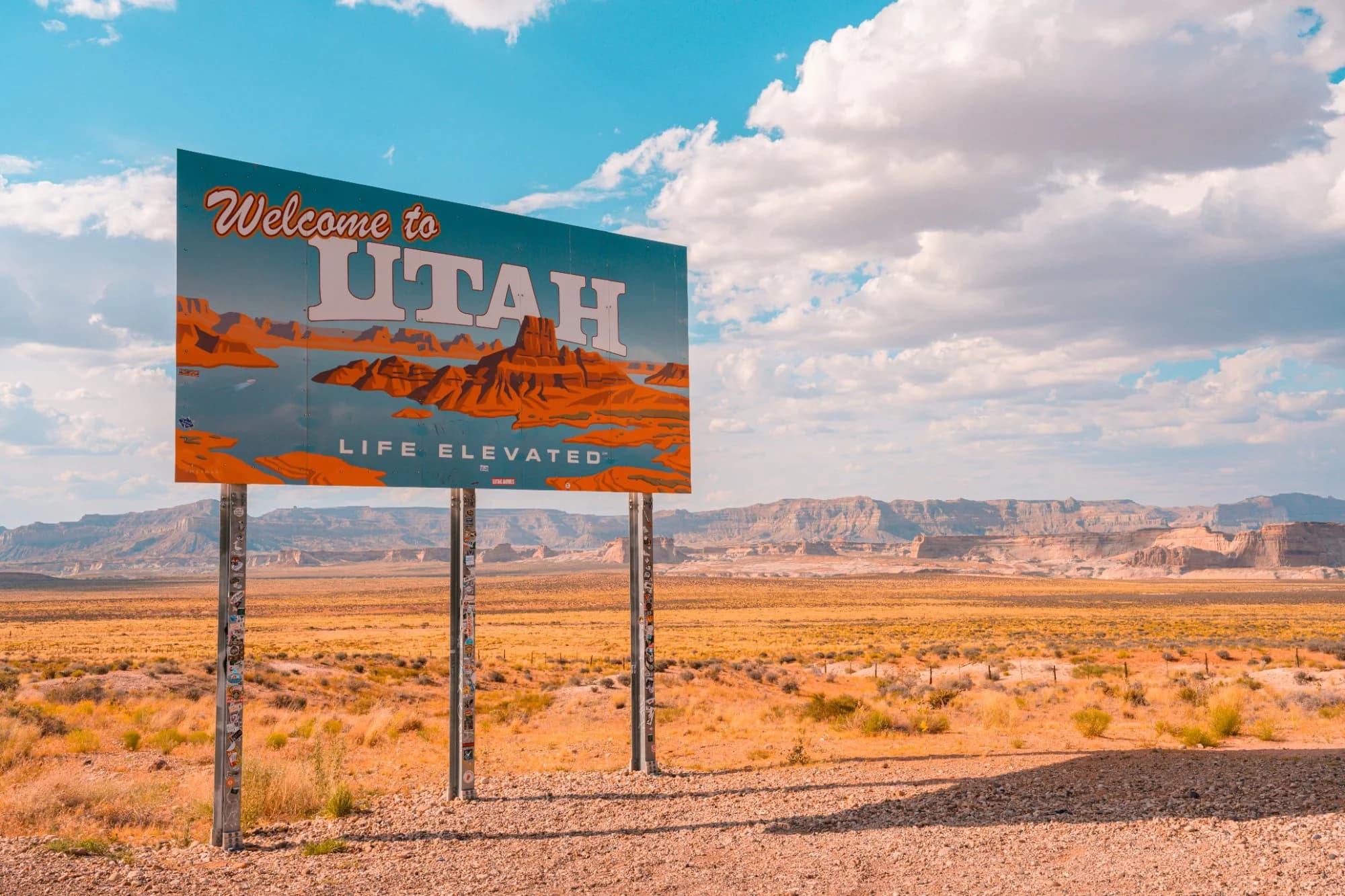
The Colorado Plateau dominates the southern half of the state, encompassing the areas surrounding Zion, Bryce Canyon, Capitol Reef, Canyonlands, and Arches. This corridor is where the landscape is most cinematically extreme, and where the best luxury properties respond architecturally to their surroundings. Expect suites built low into the terrain, oriented toward mesa views, and designed with natural stone and locally sourced timber. The best properties in this corridor offer genuine seclusion: not a marketing claim, but a measurable fact of distance from roads and other structures. Moab, as a regional hub, has attracted a higher concentration of design-forward properties than most comparable towns in the American West.
Park City and the Wasatch Range
At the northern end of Utah's luxury spectrum sits Park City, a former silver-mining town that has evolved into the state's most internationally recognized resort destination. The Wasatch Range here receives some of the driest, lightest snowfall in North America, a climatic fact that drives a serious winter hospitality economy. Luxury suites in this corridor tend toward alpine sophistication: fireplaces, ski-in access, and the kind of spa infrastructure typically associated with European mountain resorts. The Sundance Film Festival brings a particular cultural energy to the region each January, making it one of the few mountain destinations in the US where creative industry and outdoor sport overlap at the highest level.
Salt Lake City and surroundings
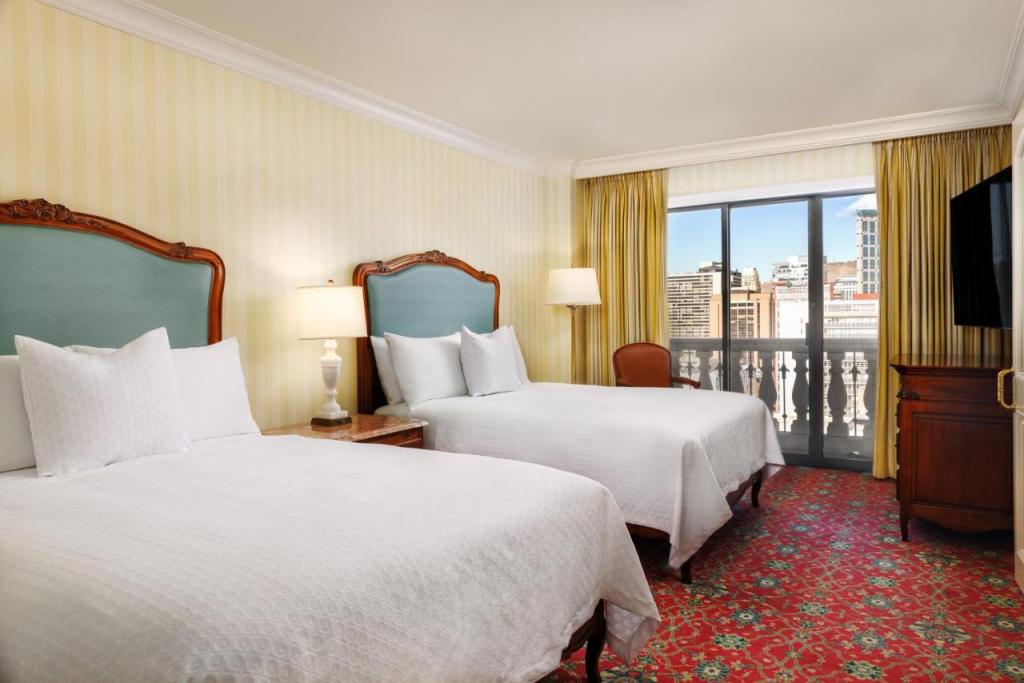
Utah's capital functions as the primary arrival point for most international visitors. While it does not carry the same resort-destination identity as Park City or the southern canyon country, Salt Lake City has developed a small number of urban luxury properties that serve as logical base camps before or after wilderness itineraries. The proximity of the Wasatch canyons to the city center is closer than most first-time visitors expect, making a well-positioned urban suite a practical choice for travelers combining city access with day-range outdoor activities.
When to visit Utah for a luxury suite stay
Utah's seasons are distinct enough to require deliberate planning, and the optimal travel window depends entirely on which part of the state the itinerary prioritizes.
Southern Utah and the canyon country are most accessible and most comfortable from mid-March through May, and again from September through early November. Summer temperatures in Zion and Arches can exceed 100 degrees Fahrenheit, which concentrates visitors at trail access points before dawn and makes afternoon hours largely unworkable for outdoor activity. Shoulder seasons offer cooler temperatures, longer usable daylight, and considerably better availability at premium properties.
Park City and the ski resorts of the Wasatch operate at peak capacity between December and March. The snowfall in this region is reliably above-average by North American standards, and the resort infrastructure is calibrated for high-volume winter demand. Visitors seeking suite availability during the Sundance Film Festival window (typically late January) should expect high demand and early booking requirements. Summer in Park City has grown steadily as a travel season, with mountain biking, hiking, and a full calendar of outdoor events replacing the winter ski economy.
Spring and autumn represent the clearest value proposition for the traveler seeking both quality and availability: rates at premier properties tend to ease, the landscape in the canyon country is at its most photogenic, and the extreme temperatures of midsummer are absent.
Local luxury standards: what to expect from Utah's top hotel suites
Utah does not operate within a formal luxury classification system equivalent to France's Palace designation or Italy's Leading Hotels of the World criteria. However, the state's top-tier properties have developed their own language of prestige, one rooted in spatial generosity, landscape integration, and experiential programming rather than formality or decorative opulence.
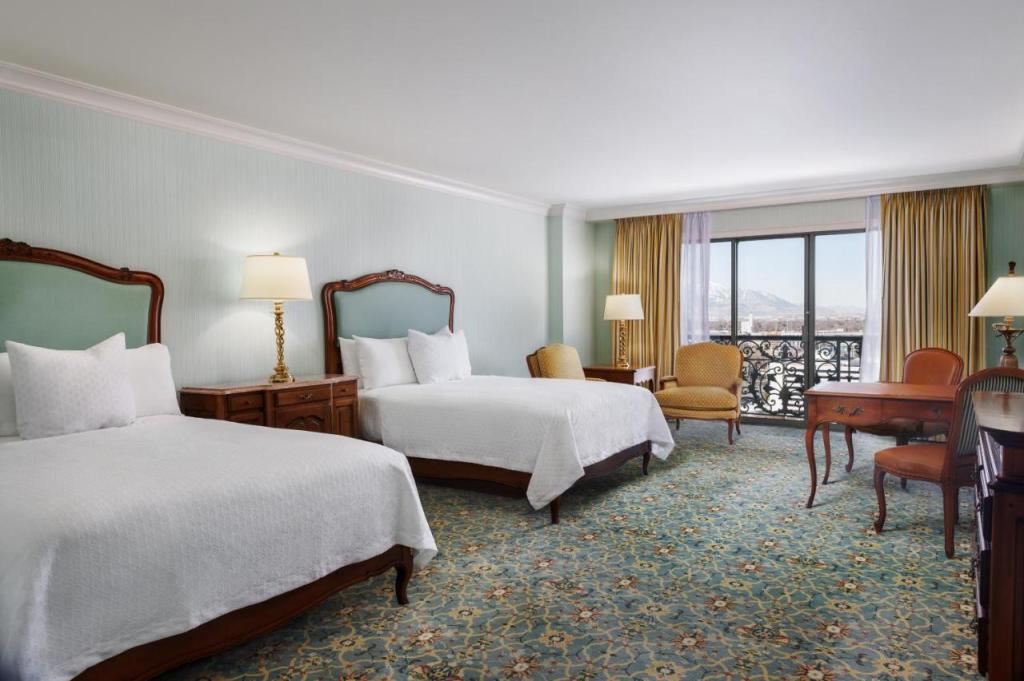
The defining characteristic of Utah's finest suites is orientation. The best properties are designed around a specific view, a particular geological feature, or a directional relationship with light at a given time of day. This is architecture functioning as curation. A suite that frames a sandstone butte at sunrise is not offering the same product as one that faces a parking structure, regardless of the thread count on the sheets.
Spa and wellness infrastructure at Utah's leading properties tends to be serious rather than decorative. Given the state's proximity to extreme outdoor environments, recovery-focused treatments, altitude-aware programming, and outdoor bath facilities are common features at the upper end of the market.
Private guide access and curated outdoor programming are standard offerings at the most considered properties. The top suite tier frequently includes access to experiences that are not available to general resort guests: private canyon access, helicopter transfers to remote trailheads, or guided sunrise sessions at locations that would otherwise require significant logistical effort.
How to choose the best luxury suite in Utah
The most important variable in selecting a Utah luxury suite is the relationship between the property and the landscape. This is not an aesthetic preference. It is a practical determination: a suite in the canyon country that lacks outdoor space or direct sightlines to the terrain is a categorically different product from one that opens directly onto the desert.
Consider the architecture. Utah's best properties divide broadly between those that use vernacular materials (red sandstone, reclaimed wood, rammed earth) to integrate with the landscape, and those that pursue a more contemporary design vocabulary of glass, steel, and minimal intervention. Both approaches are valid; the choice should reflect the traveler's relationship to design.
Consider the season and the elevation. Properties at higher elevation, particularly in the Wasatch Range, operate with different logistics in winter than canyon-country properties in summer. Accessibility, road conditions, and the available activity calendar all shift significantly by season.
Consider the scale of the property. Utah's most exclusive experiences are frequently found at smaller, lodge-format properties rather than large resort hotels. A 20-room property in the canyon country may offer a level of privacy and staff-to-guest attention that a 300-room resort in Park City structurally cannot replicate, regardless of how the marketing positions either.
Why a curated selection by La Suite matters in Utah
Utah's luxury hospitality market is uneven. The national parks draw enormous visitor numbers, and the pressure to capture that demand has produced a wide range of properties that market themselves as premium without delivering the spatial quality, design coherence, or service depth that the designation implies. Distinguishing between a genuinely exceptional suite and a competently marketed average one requires either extensive firsthand knowledge or a reliable curatorial framework.
La Suite applies consistent criteria across the properties it lists: spatial quality, design integrity, service architecture, and the specificity of the experience offered. In a market like Utah, where the landscape itself is the primary draw, these criteria are applied with particular attention to how a property positions itself in relation to that landscape. A suite that does not meaningfully engage with its setting is not a luxury product in any meaningful sense, regardless of its rate.
The La Suite selection for Utah is built for travelers who approach a trip as they would any other considered decision: with clear priorities, a preference for accuracy over aspiration, and no interest in discovering on arrival that the experience does not match the representation.