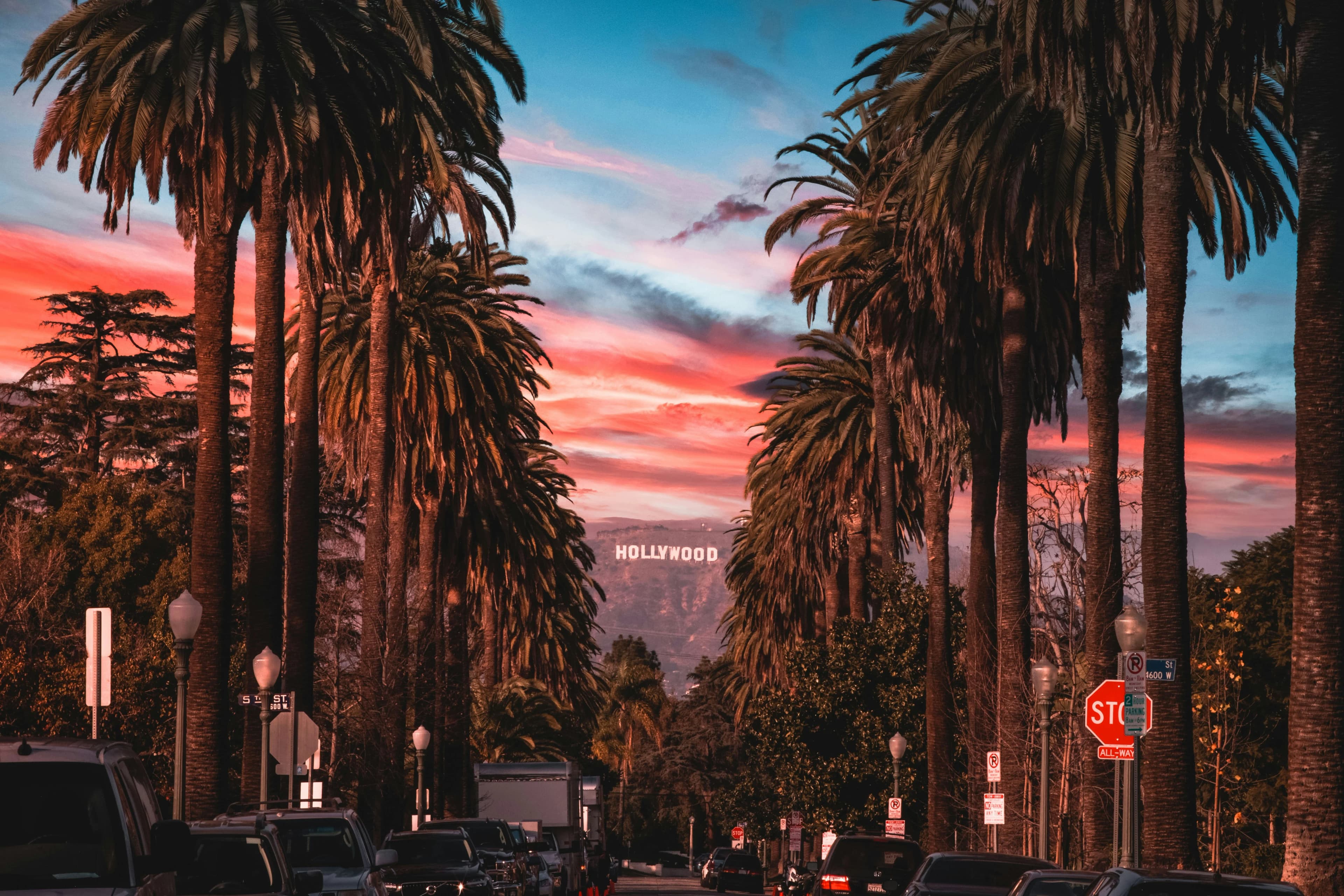
1 Hotel West Hollywood, West Hollywood
Set in Los Angeles, 984 feet from Sunset Strip, 1 Hotel West Hollywood offers rooms with air conditioning and free WiFi. The property is around 2.4 mi from Dolby Theater, 2.4 mi from Hollywood Walk of

West Hollywood is not a neighborhood within Los Angeles. It is its own incorporated city, governed independently, with a civic identity built around progressive urban policy, design culture, and a hospitality economy that has attracted some of the most architecturally considered hotels in California. For the traveler arriving with specific expectations around privacy, aesthetics, and proximity to the city's cultural infrastructure, West Hollywood offers a concentration of quality that few American cities of its size can match.
9 hotels available

Set in Los Angeles, 984 feet from Sunset Strip, 1 Hotel West Hollywood offers rooms with air conditioning and free WiFi. The property is around 2.4 mi from Dolby Theater, 2.4 mi from Hollywood Walk of

Just steps away from the famous Sunset Boulevard, the Chamberlain West Hollywood offers accommodations in the heart of West Hollywood. Guests can enjoy the on-site restaurant & rooftop pool that featu

The Chateau Marmont was built as the first deluxe high-rise apartment complex on Sunset Boulevard, opening its doors in February of 1929. Its gothic charm and old-world European flair were inspired by

Located in Los Angeles, 2.5 miles from Petersen Automotive Museum, Hotel 850 SVB, West Hollywood, a Member of Design Hotels has accommodations with free bikes, private parking, a shared lounge and a t

Sofitel Los Angeles at Beverly Hills is a stunning 4-diamonds AAA hotel in LA offering elegant luxury accommodations and dramatic decor with an ambiance that combines see-and-be-seen excitement and th

This artisan hotel is located on a tree-lined side street in West Hollywood's Design District. It offers an on-site restaurant and a pool for guest relaxation. Guest bathrobes are provided in each roo

The Sunset Tower Hotel hotel is located in West Hollywood on the Sunset Strip, 2.5 mi from the Hollywood Walk of Fame. It features a rooftop pool that provides panoramic city views and a full-service

Steps from Beverly Hills and Rodeo Drive shopping, this boutique West Hollywood hotel features a rooftop with cabanas and a restaurant that serves a daily complimentary à la carte breakfast menu. Gues

Elegant Accommodations The Sun Rose West Hollywood in Los Angeles offers luxurious rooms with air-conditioning, private bathrooms, and city views. Each room includes a work desk, mini-bar, and fre
The luxury hotel market here operates on a different register than downtown Los Angeles or Santa Monica. Properties on and around the Sunset Strip are designed to function as social and cultural venues in their own right, not merely as places to sleep. Rooftop spaces, ground-floor restaurants with serious culinary programs, and lobby environments that attract a local creative clientele give these hotels a lived-in energy that larger resort properties rarely achieve. A well-chosen luxury suite in this city functions as a base camp for a particular kind of West Coast life.
The northern corridor of West Hollywood, running along Sunset Boulevard between Doheny Drive and Laurel Canyon, is the city's most historically charged address. The Strip carries decades of rock music mythology, film industry folklore, and architectural experimentation. Hotel properties here tend toward bold design statements, with suites offering city-facing terraces and a direct connection to the street-level culture below. The elevation above the Los Angeles basin provides clear sightlines south toward the city grid, and on clear days, toward the Pacific.
The southern and eastern edges of West Hollywood transition into the Pacific Design Center's immediate vicinity, where the city's relationship with interior design, art galleries, and high-end retail becomes most concentrated. Hotels in this zone attract travelers with a stronger interest in architecture and material culture. The pace is quieter than the Strip, and suites here tend to prioritize interior quality and residential proportion over spectacle.
Running east to west through the city's geographic center, Santa Monica Boulevard anchors a district with strong independent restaurant culture, bookshops, and a walkable residential character unusual for this part of Los Angeles County. Properties along and adjacent to this corridor offer a more grounded West Hollywood experience, with suites that appeal to travelers who want proximity to daily life rather than the heightened atmosphere of the Strip.
West Hollywood operates on a near-year-round hospitality calendar, given Southern California's consistently temperate climate. Rainfall is concentrated between November and March, and even then it rarely disrupts travel plans in any meaningful way. The clearest, driest conditions arrive from April through early June and again in September and October, when the city's characteristic light is at its most architectural.
The award season calendar, running from late January through early March, brings a significant increase in demand across all hotel categories, and luxury suites book far in advance during this period. The same applies to major art fair weekends, particularly when Los Angeles-area events draw international collectors and curators. Travelers who prefer a quieter city should consider visits in July and August, when many local industry figures are traveling and the hotel environment is slightly more relaxed despite the summer heat.
California does not operate on a formal hotel classification system equivalent to France's Palace designation or Italy's Relais and Chateaux standards, but the West Hollywood market has developed its own informal hierarchy built on design reputation, editorial recognition, and the clientele properties consistently attract. The most sought-after suites in the city are typically found in boutique and lifestyle hotel brands that have invested heavily in architectural identity and service precision.
Expect suite inventories that emphasize indoor-outdoor flow, a design priority rooted in the California climate. Private terraces, retractable glass walls, and plunge pools in upper-category suites are common in properties built or significantly renovated in the past fifteen years. Interior material quality in West Hollywood's leading hotels tends toward a calibrated restraint: custom furnishings, artisan finishes, and art programs that reflect genuine curatorial decisions rather than decorative afterthought.
Service culture here is less formal than comparable suites in New York or London, but attentiveness is expected and generally delivered. The city's hospitality workforce has a long relationship with high-profile guests and the discretion that accompanies that relationship is embedded in the operational culture of better properties.
The first consideration is purpose. West Hollywood suites occupy very different experiential registers depending on location and property design. A Strip-adjacent penthouse suite with a terrace facing the Los Angeles basin is a fundamentally different proposition from a courtyard suite in a design-focused property near the Pacific Design Center. Neither is superior in the abstract. The question is which architecture of experience serves the specific visit.
For travelers arriving on industry business, proximity to the major studio campuses to the east and the agency offices concentrated in Century City to the west is worth factoring into the decision. For those visiting primarily for cultural and culinary reasons, walkability and the quality of the property's own food and beverage program carry more weight.
Suite size and configuration matter considerably in West Hollywood, where the gap between a standard king room and a genuine suite can be dramatic. Properties in this city often reserve their most considered design work for upper-category accommodations, meaning the suite product frequently justifies the differential in ways that are immediately apparent on arrival.
The West Hollywood hotel market is dense with strong branding and confident marketing, which can make independent research a time-consuming and occasionally misleading exercise. Properties that have invested in genuine suite quality are not always those with the largest media presence, and the gap between a well-curated luxury suite and a generically upgraded room can be significant in practice.
La Suite approaches this market with the same editorial discipline applied to every destination in its portfolio. The curated selection by La Suite identifies properties where the suite product delivers on the specific criteria that matter to design-literate, privacy-conscious travelers: spatial quality, architectural coherence, service precision, and a genuine sense of place. In a city where image and substance do not always align, that distinction is worth making clearly.

West Hollywood is an independently incorporated city with its own distinct hotel culture, operating separately from the City of Los Angeles. Its concentrated geography, walkable design districts, and a hospitality market built around creative and entertainment industry clientele give its luxury suites a specificity of atmosphere that larger Los Angeles neighborhoods rarely replicate. The city's scale also means that the best properties are genuinely close to the cultural infrastructure that makes the destination worth visiting.
The Sunset Strip elevation provides the most consistent city views in West Hollywood, with suites on the upper floors of properties along Sunset Boulevard offering sightlines across the Los Angeles basin. On clear days, particularly in the autumn months, visibility can extend toward the Pacific Ocean. Properties in the lower-lying Design District and Santa Monica Boulevard corridor prioritize interior quality and courtyard settings rather than panoramic outlooks.
Late spring, specifically April through early June, and early autumn in September and October offer the clearest weather and relatively more accessible suite availability compared to the award season peak in late January through March. July and August see reduced local industry presence, which can ease demand at certain properties, though summer heat is a factor to consider for travelers sensitive to temperature.
West Hollywood's leading hotel properties have a long institutional history with high-profile guests from the entertainment and creative industries, and discretion is embedded in the operational culture of better properties. Many luxury suites in the city are designed with private entrances, dedicated elevator access, and configurations that minimize contact with general hotel circulation, making them well suited for guests with specific privacy requirements.
Top-tier suites in West Hollywood commonly feature private terraces oriented toward city views or landscaped courtyards, indoor-outdoor living configurations that reflect the California climate, and interior design programs developed with named architects or designers. Plunge pools and day beds on terraces are standard in upper-category accommodations at the leading properties. In-suite dining programs are generally of a high standard given the culinary quality of the hotels' own restaurant operations.
Beverly Hills and West Hollywood represent adjacent but distinct luxury hotel cultures. Beverly Hills properties tend toward a more formal, traditional hospitality register with larger resort-scale footprints and established brand legacies. West Hollywood's luxury suite market is generally more design-forward and architecturally contemporary, attracting a clientele that prioritizes aesthetic specificity and cultural proximity over the more classical prestige signifiers associated with Beverly Hills addresses.
West Hollywood is notably more walkable than most parts of Los Angeles County, with a city planning orientation that has prioritized pedestrian infrastructure relative to its neighbors. The Santa Monica Boulevard and Melrose Avenue corridors support genuine on-foot exploration of restaurants, galleries, and retail. The Sunset Strip is more car-dependent for practical navigation, though the immediate surroundings of Strip hotels are walkable for evening dining and entertainment.
Suite rates in West Hollywood's leading properties vary considerably by category and season, with entry-level luxury suites typically beginning in the range of 800 to 1,200 US dollars per night at well-regarded boutique and lifestyle hotels. Penthouse and signature suite configurations at top properties frequently command rates above 3,000 dollars per night, particularly during award season and major cultural event periods when demand is concentrated.
Several of West Hollywood's most recognized luxury hotels operate restaurant programs that function as genuine culinary destinations independent of their accommodation offering. The city has a long history of hotel restaurants that attract a strong local clientele, which is generally a reliable indicator of kitchen quality. For travelers whose culinary experience is integral to the stay, the food and beverage program of a given property is worth evaluating as carefully as the suite specification itself.
La Suite applies a consistent editorial framework to every property in its portfolio, evaluating suite-level accommodations on spatial quality, architectural and design coherence, service precision, and the degree to which the property delivers a genuine sense of its specific location. In a market as image-driven as West Hollywood, the distinction between a property with strong branding and one with genuinely exceptional suite product requires close assessment. The curated selection by La Suite exists to make that distinction clear for travelers with specific and considered expectations.