Where to stay in São Paulo for a luxury suite experience
Jardins and Jardim Paulista
The Jardins district, particularly the streets radiating from Avenida Paulista and into Jardim Paulista, represents the most established luxury corridor in the city. Galleries from the Pinacoteca to smaller private spaces, flagship boutiques from Brazilian and international houses, and some of the country's most precise restaurants occupy this part of the city. A luxury hotel suite in Jardins places you at walking distance from institutions that define Brazilian contemporary culture. The residential scale of the streets, lined with araucária pines and low-rise buildings from the mid-twentieth century, provides a quieter register than the commercial intensity surrounding Avenida Paulista itself.
Itaim Bibi and Vila Nova Conceição
Further south, Itaim Bibi functions as São Paulo's executive district. Investment banks, headquarters of global firms and a dense concentration of high-end restaurants make this neighbourhood the practical base for business-oriented travel. Vila Nova Conceição, adjacent and more residential, carries a lower density and a design-forward atmosphere with independent architecture studios, concept stores and serious wine bars. Hotels in this corridor tend toward contemporary architecture and corporate efficiency without sacrificing the spatial standards expected at the luxury level.
Higienópolis and the historic centre
Higienópolis retains some of the architectural heritage from São Paulo's early twentieth-century expansion, with art nouveau and modernist buildings coexisting alongside independent bookshops and cultural institutions. The historic centre, while less frequented by leisure travelers, holds landmarks including the Edifício Martinelli and the Mercado Municipal, significant for understanding the city's mercantile origins. Accommodation options in these areas tend toward the boutique category, with smaller suite inventories that reward those looking for an alternative to the Jardins circuit.
When to visit São Paulo for a high-end stay
São Paulo does not operate on a seasonal rhythm the way coastal Brazilian destinations do. The city functions year-round at full intensity, which means suite availability and pricing follow a corporate and events calendar rather than a climate one.
The São Paulo Art Biennial, held at the Ciccillo Matarazzo Pavilion in Ibirapuera Park in even-numbered years, draws a significant international audience from the art and design world. SPFW (São Paulo Fashion Week), held twice a year in January and June, compresses the city's fashion industry into a concentrated period. SP-Arte, the city's principal art fair, typically takes place in April and represents one of the most important contemporary art markets in Latin America. Around these events, suite inventory in preferred addresses tightens considerably and lead times lengthen.
Climate-wise, the months from April through August represent the dry season, with lower humidity and cooler temperatures. The rainy season runs from November through March and while the city remains fully operational, afternoon downpours are frequent and can affect logistics. For travelers prioritising comfort and practicality, the Southern Hemisphere winter months of June and July offer the most stable conditions.
Understanding luxury hotel standards in São Paulo
Brazil does not operate a formal Palace designation equivalent to France's classification system, but São Paulo's luxury hotel market has its own internal hierarchy that experienced travelers quickly learn to read. The city's top-tier properties are typically evaluated by their room inventory, the quality of their food and beverage programming, the calibre of their spa and wellness facilities and, crucially for this market, the strength of their concierge infrastructure.
São Paulo rewards hotels that understand the city's pace. A strong concierge team in this context means access to reservation-only restaurants, private gallery viewings, executive transportation and real estate of social connections. Many of the city's most respected chefs operate restaurants that do not take walk-in reservations, and the ability of a luxury hotel suite property to navigate this landscape is a meaningful differentiator.
Suites in São Paulo's established luxury hotels tend to emphasise spatial generosity, high-specification technology integration and separation between living and sleeping areas. Given the city's position as a business capital, suites are frequently configured with dedicated working areas, high-bandwidth connectivity and access to private meeting facilities. Design sensibility varies: some properties align with the clean geometries of Brazilian modernism associated with figures like Oscar Niemeyer and Lina Bo Bardi; others adopt a more internationally neutral aesthetic calibrated to the global business traveler.
How to choose the right luxury suite in São Paulo
Several variables distinguish one luxury hotel suite from another in this city and understanding them prevents misaligned expectations.
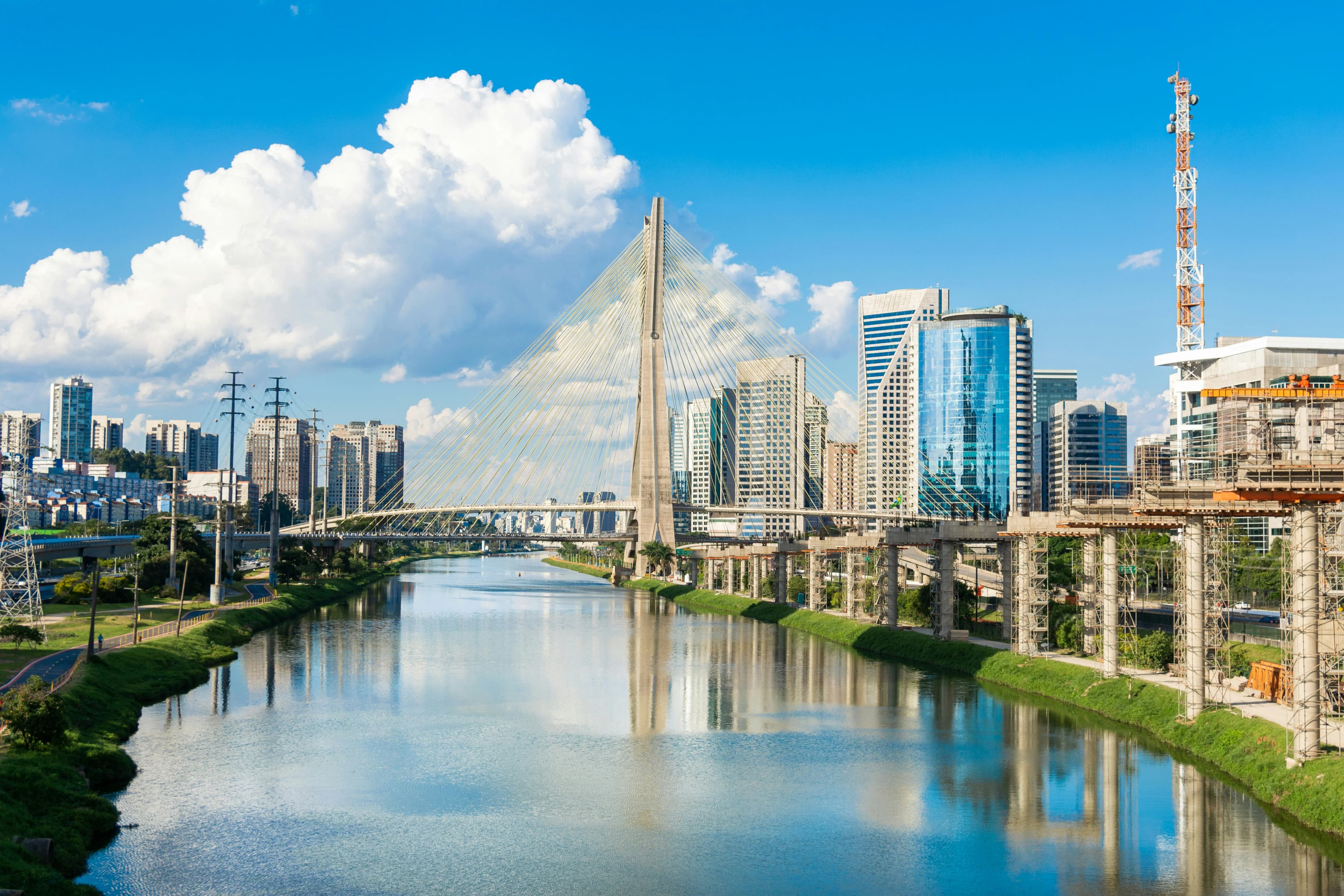
First, consider the view. São Paulo's skyline is one of the most dense in the world, and upper-floor suites with unobstructed city views offer a perspective on the city's scale that is genuinely arresting. Suites positioned above the thirtieth floor in taller properties provide a visual argument for the city's ambition that ground-level stays cannot replicate.
Second, evaluate the food and beverage offer within the property. São Paulo has one of the highest concentrations of serious restaurants per capita of any South American city, but the convenience of in-house dining at a high standard is particularly valuable during the city's frequent afternoon rains or during tight business schedules. Properties that have invested in their restaurant programming, sometimes featuring collaborations with named Brazilian chefs, represent stronger overall value at the suite level.
Third, assess proximity to your primary purpose. The city's traffic is among the heaviest in South America, and displacement between neighbourhoods during peak hours can absorb significant portions of a day. Choosing a suite address that minimises transit time to your key meetings, cultural destinations or social engagements is a practical consideration with direct impact on the quality of the stay.
Finally, review the suite configuration carefully. São Paulo's luxury hotel market includes properties that market suites at varying price points. The distinction between an upgraded standard suite and a genuinely independent living space with separate lounge, dining capacity and private service infrastructure is meaningful and worth verifying in advance.
Why a curated selection matters in São Paulo
São Paulo's hotel market is large, commercially active and not uniformly transparent. The city contains dozens of properties that position themselves in the luxury segment, but the gap between positioning and delivery is variable. For a traveler allocating meaningful budget and time to a São Paulo stay, the filtering function of a curated platform is not decorative; it is functional.
La Suite applies a consistent editorial standard to the properties it lists, evaluating suite-specific criteria rather than overall hotel ratings. In a city where the experience of a superior suite in the right address is categorically different from a standard room in a nominally luxury property, this distinction matters. The curated selection by La Suite is structured to surface the options that justify the level of investment a luxury suite in São Paulo represents.