Where to stay in Uruguay for a luxury suite experience
Punta del Este and the José Ignacio corridor
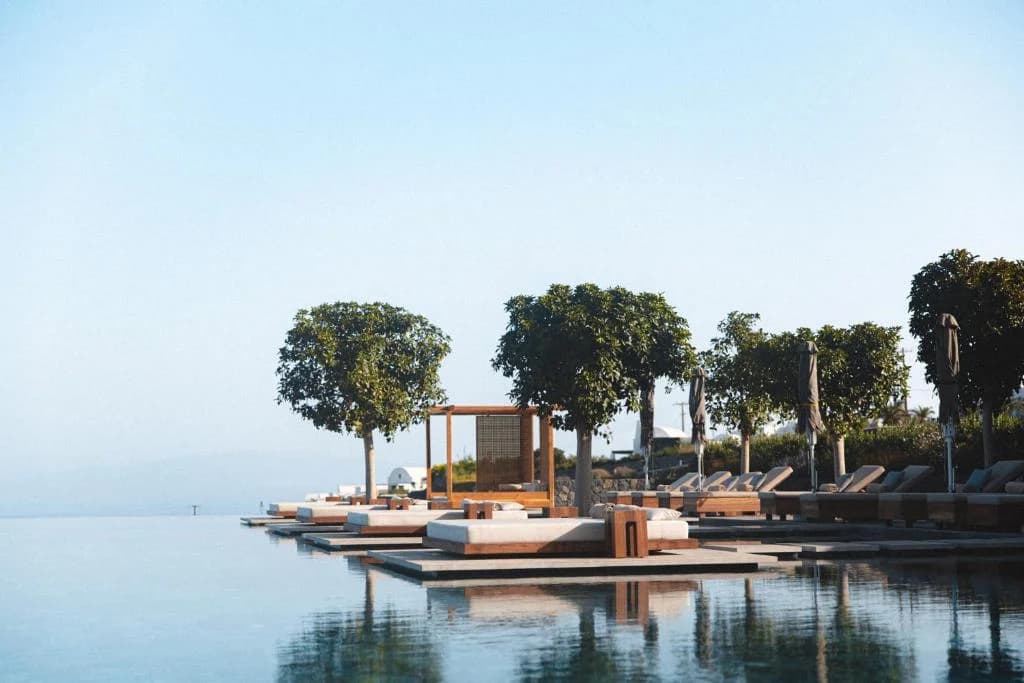
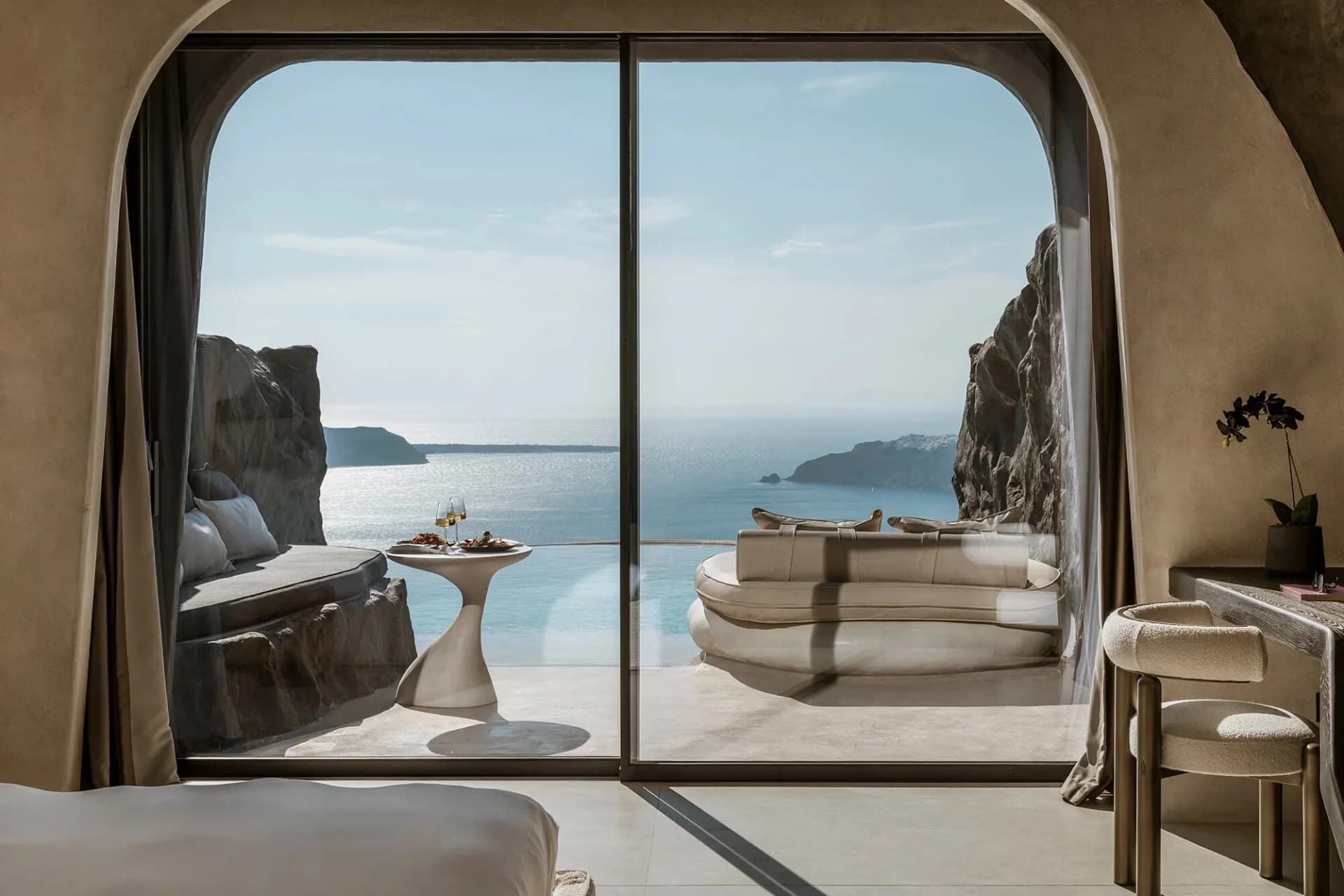
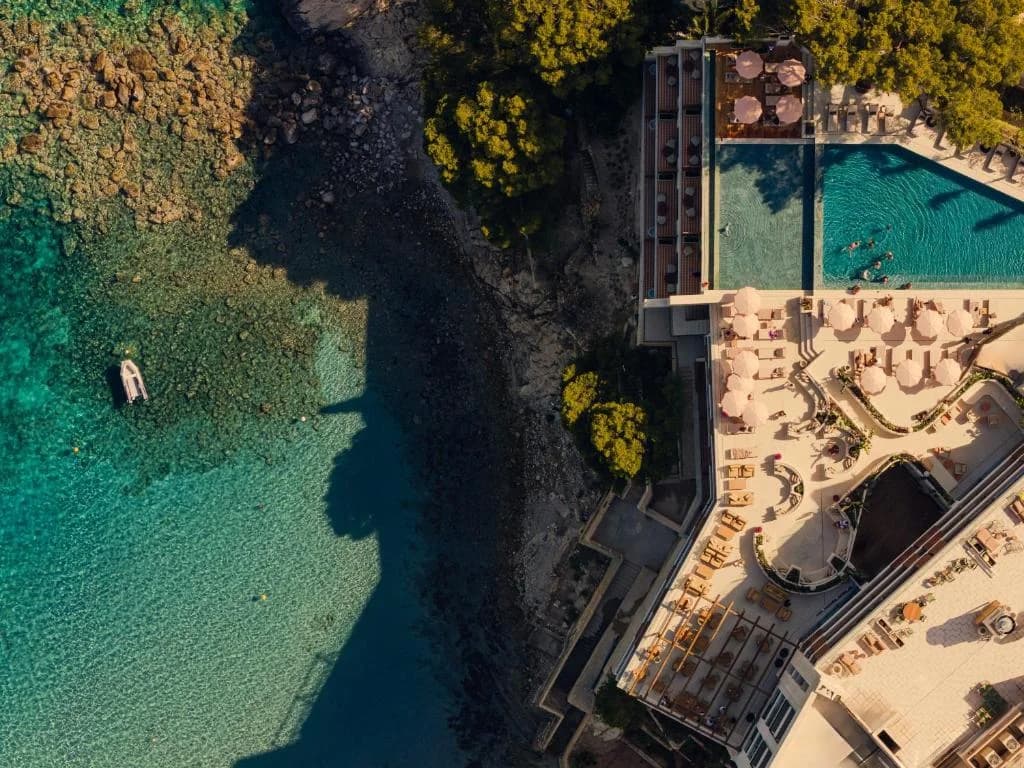
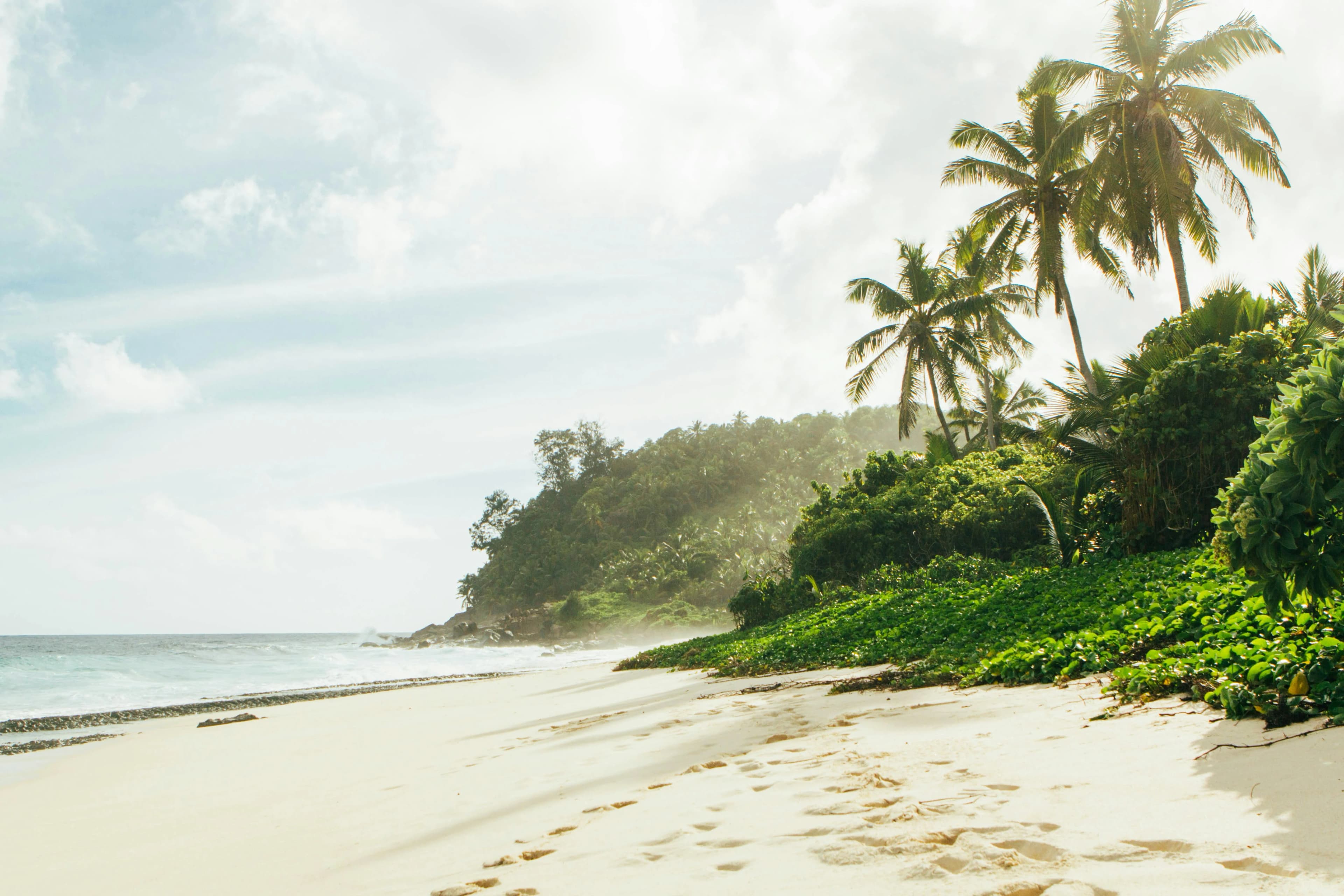
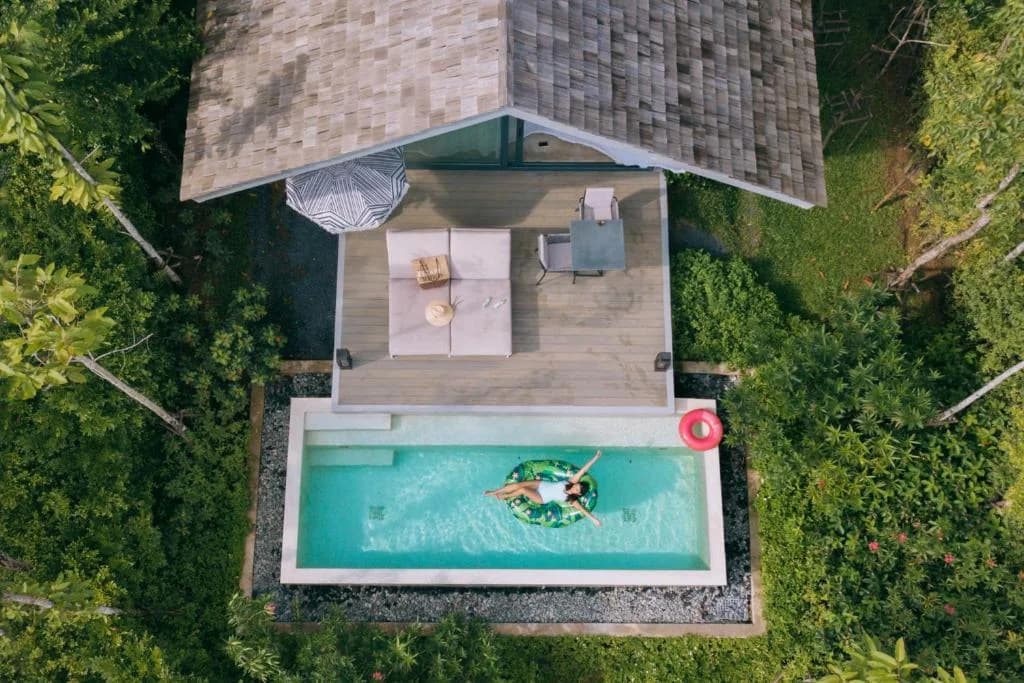
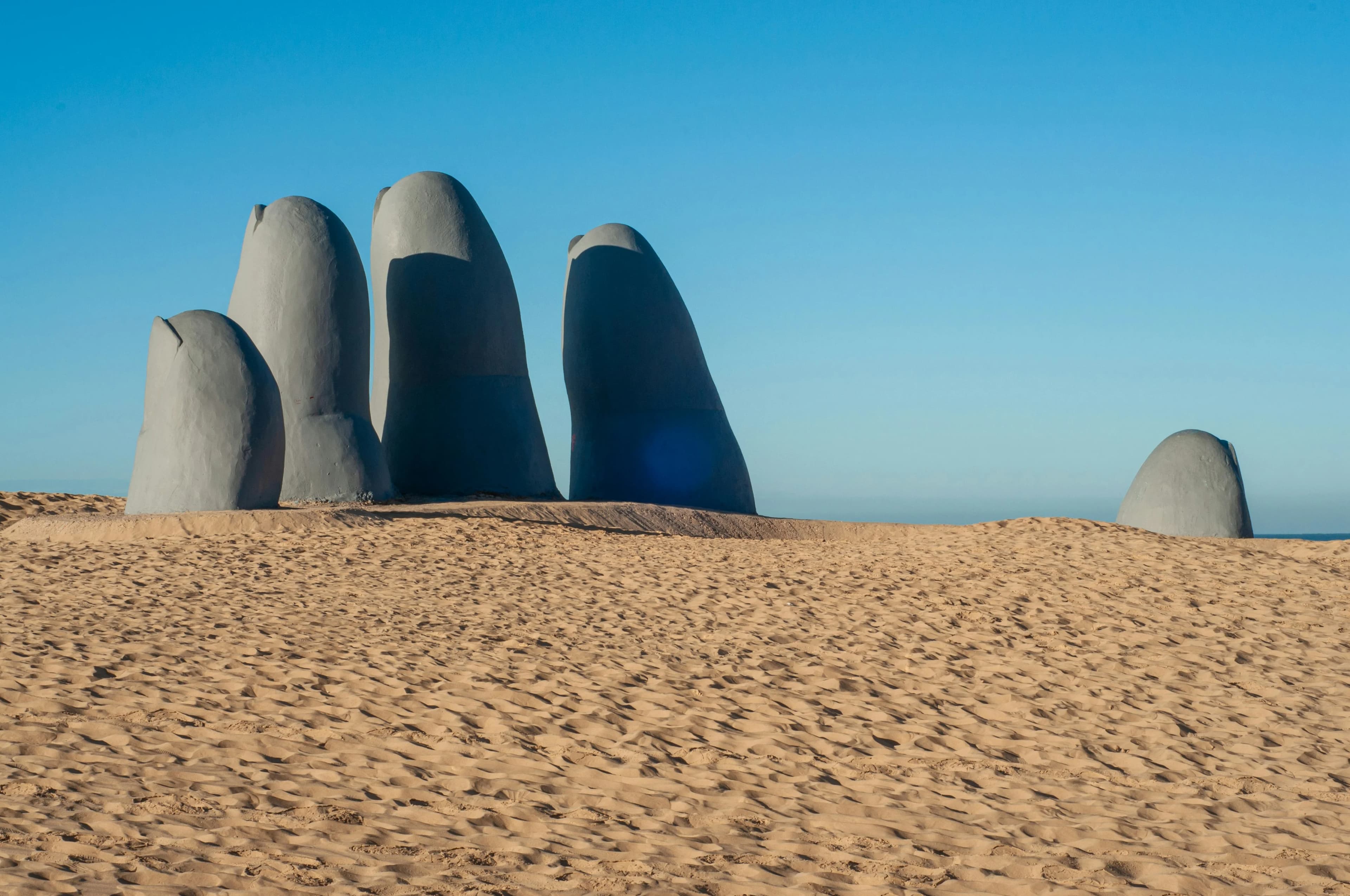
The southeastern coast is Uruguay's most internationally recognised destination. Punta del Este functions as a seasonal capital for wealthy Argentines and Brazilians, with a density of design-conscious properties along its peninsula and surrounding areas. Further east, José Ignacio has developed an identity that sits closer to a considered, almost Scandinavian quietude: low-rise, fire-lit, intentionally unhurried. Luxury hotel suites in this corridor tend to prioritise panoramic Atlantic views, direct beach access, and an understated material palette. This is where the most architecturally ambitious properties in Uruguay tend to concentrate.
Montevideo
The capital offers a different proposition entirely. Its Art Deco streetscapes, the Mercado del Puerto, and the 22-kilometre Rambla promenade reward explorers who move on foot. Urban luxury suites in Montevideo tend to occupy restored heritage buildings in the Ciudad Vieja or the Pocitos neighbourhood, delivering proximity to the cultural and gastronomic core of the country. The pace here is distinctly European in rhythm, reflecting the city's Spanish, Italian, and Basque immigrant history.
Interior estancias and wine country
The Uruguayan interior, particularly the departments of Carmelo and Colonia, is defined by estancia culture: working cattle and sheep farms that have been converted, in some cases with significant architectural investment, into immersive rural retreats. The Colonia del Sacramento area also borders the Río de la Plata wine region, where tannat grape cultivation has established Uruguay as a serious, if underrecognised, wine destination. Suite stays in this part of the country offer a fundamentally different sensory register: grassland silence, open skies, and table-to-field dining.
When to visit Uruguay and book a luxury suite
Uruguay's seasonal logic differs from its larger neighbours. The Southern Hemisphere summer runs from December through February, which is peak season along the coast. Punta del Este and José Ignacio reach their highest demand during January, when prices reflect the influx of regional and international visitors. Suite availability at leading properties during this window requires advance planning, often three to six months ahead.
For travelers seeking optimal conditions without peak-season density, March and April represent an intelligent window. The Atlantic water remains warm, the light shifts to a golden late-summer quality, and the coastal towns return to a more measured rhythm. Spring, from September through November, is equally well-regarded: mild temperatures, flowering pampas, and the beginning of the wine harvest in Carmelo make this an excellent period for interior and coastal itineraries alike.
Montevideo operates with less seasonal variation. Its cultural calendar, including the annual Carnaval in February (the longest in the world by duration), the Festival Internacional de Cine de Uruguay, and the Teatro Solís performance season, provides year-round reasons to visit. Urban suite stays benefit from the city's consistency.
Understanding luxury hospitality standards in Uruguay
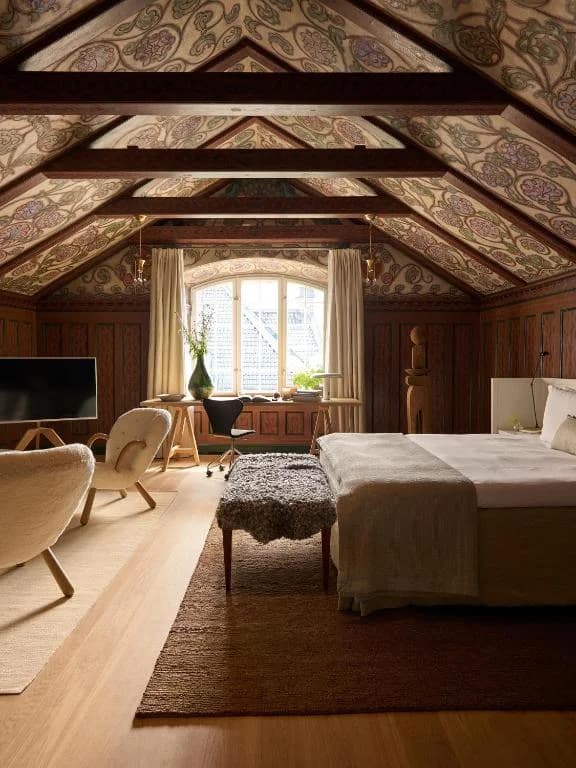
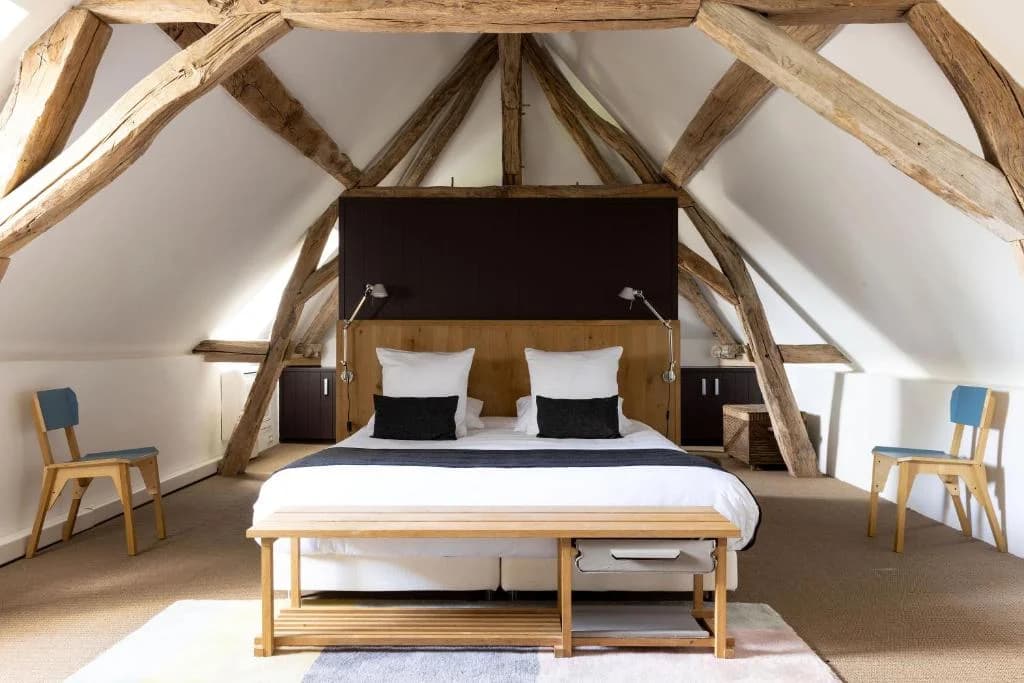
Uruguay does not operate within a formal palace hotel classification system of the kind found in France or Portugal. Instead, the local luxury benchmark is defined by a combination of architectural seriousness, service ratios, and gastronomic integrity. The most credible properties in the country tend to be boutique in scale, rarely exceeding forty or fifty rooms, with suites that occupy generous floor plans and emphasise natural materials: local stone, quebracho hardwood, and hand-thrown ceramics.
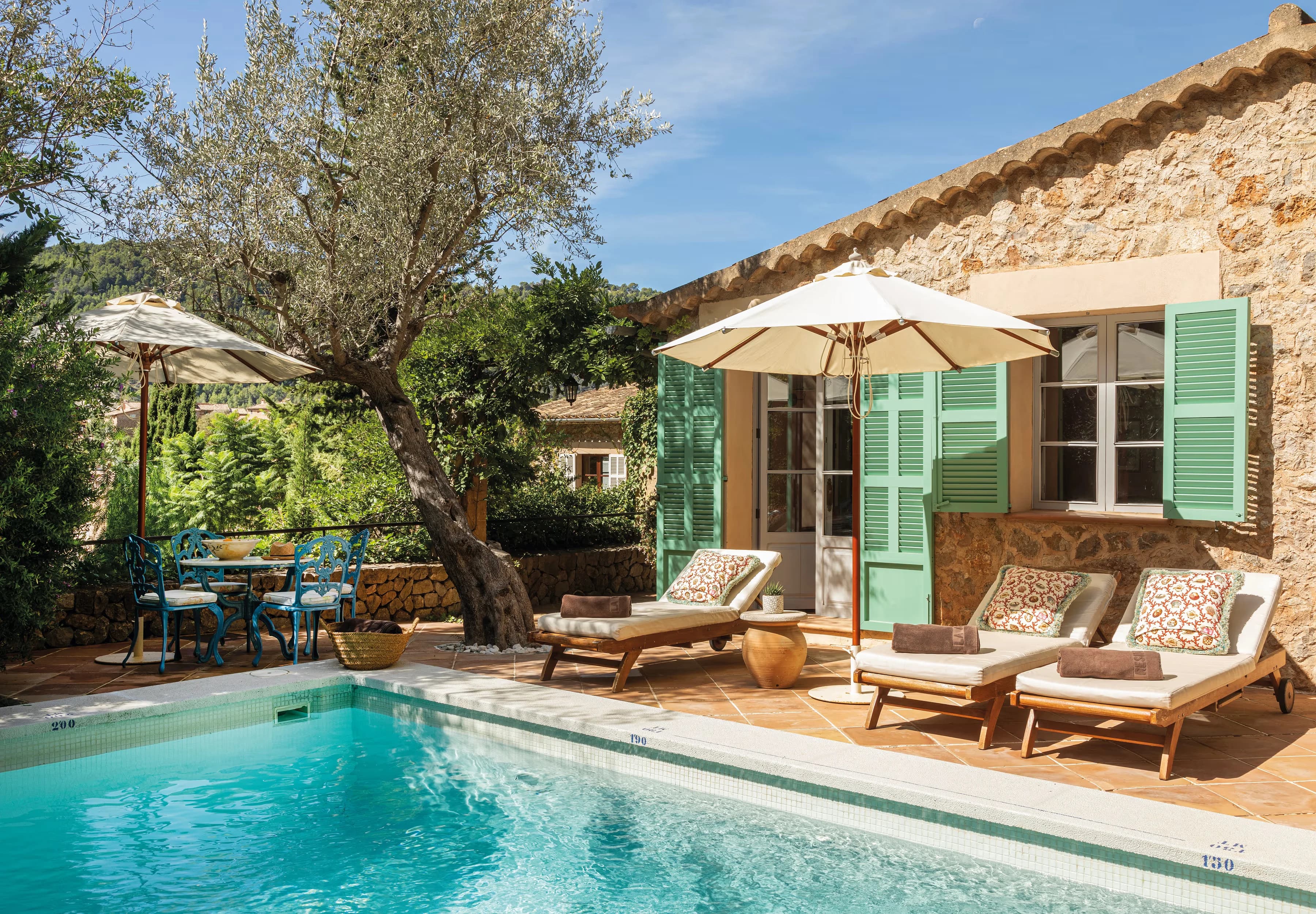
The estancia model is a distinctly Uruguayan luxury typology. These properties, built around the colonial-era farming estate tradition of the Banda Oriental, offer an immersive territorial experience that larger international hotel brands cannot replicate. At the highest level, estancia suites include dedicated gaucho guides, private asado terraces, and direct access to working landscapes that have been managed for generations.
International luxury hotel groups have a limited but growing presence in Uruguay, primarily in Montevideo and Punta del Este. However, the country's most considered suite experiences remain in the hands of independent operators with deep regional roots. This is a destination where institutional scale does not automatically indicate quality.
How to choose the right luxury suite in Uruguay
The first decision is experiential rather than geographic: coastal, urban, or rural. Each mode of travel in Uruguay requires a different suite profile and a different relationship with the surrounding landscape.
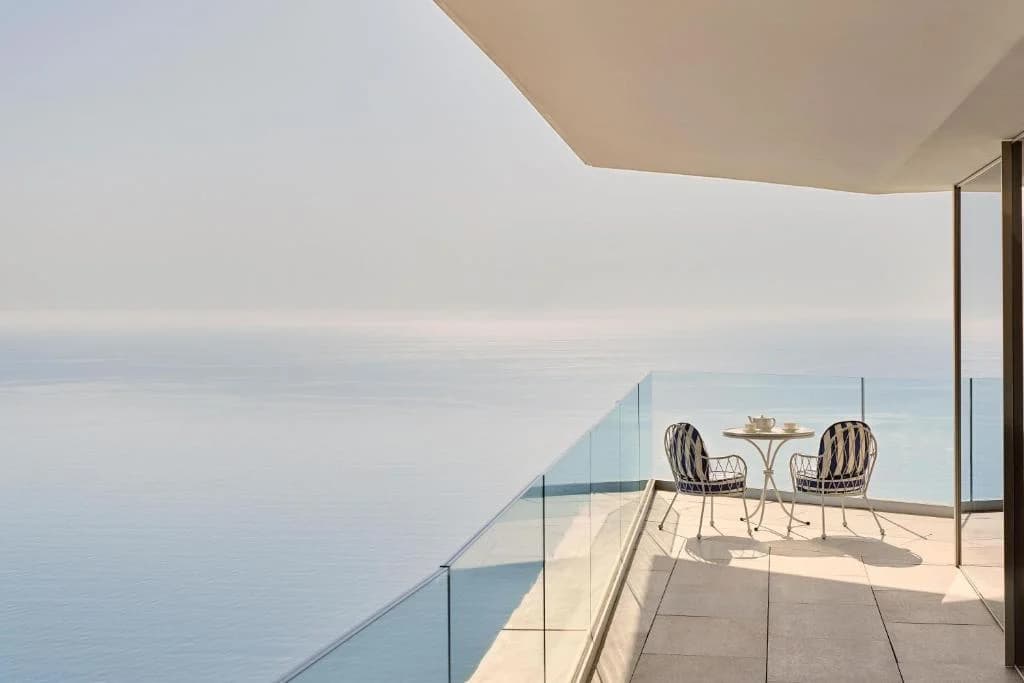
For coastal stays, suite orientation matters considerably. Properties along the Atlantic coast face east or southeast, and morning light quality is a defining feature. Ask whether the suite includes a private terrace with direct sea exposure, as this varies significantly even within a single property. Beach access, whether private or shared, and the distance from the suite to the waterline, are practical details worth confirming before booking.
For Montevideo stays, neighbourhood context is the primary consideration. The Ciudad Vieja offers the greatest cultural density but less tranquility. Pocitos and Carrasco are residential and quieter, with better access to the Rambla. Suite size in urban properties in Uruguay tends to be more modest than coastal equivalents, so reviewing floor plans or suite categories in detail is advisable.
For estancia stays, the ratio of guests to staff, the quality of the asado program, and the extent of the working land are all relevant markers of authenticity. Some properties in this category have drifted toward a purely decorative rural aesthetic. The most serious ones maintain active agricultural operations alongside the hospitality function.
Why a curated selection by La Suite matters in Uruguay
Uruguay has a small but highly specific luxury hotel market. With fewer than a dozen properties genuinely operating at the level of international suite excellence, the selection process demands editorial precision rather than algorithmic aggregation. The range in quality between a property marketed as luxury and one that genuinely delivers at that standard is significant in this destination.
La Suite applies the same spatial and experiential criteria across its entire global selection. In the Uruguayan context, this means assessing suite floor plans against coastal or territorial context, evaluating service models against the local estancia and boutique tradition, and filtering out properties where the luxury designation is primarily a pricing decision rather than a quality one. The result is a tightly edited set of seven properties that represent the actual ceiling of suite travel in Uruguay, across the coast, the capital, and the interior. For a traveler arriving in Uruguay for the first time, or returning with higher expectations, this curation removes the most consequential friction in the planning process.