




Namibia: The Guide to Exceptional Lodges for Compromise-Free Safari
BY Jules Peulet

Namibia stands as the reference safari destination for the discerning traveler. Between the mineral dunes of the Namib, private reserves and tribal immersion, each lodge embodies a singular philosophy of wild luxury.
A safari reinvented: why Namibia stands as the reference
Namibia does not offer a safari like any other. Far from standardized circuits, it delivers an experience built around four singular elements: absolute desert, the intimacy of limited private reserves, diversified wildlife, and an approach to hospitality that refuses spectacle in favor of substance.
The discerning traveler finds here a destination where rarity remains accessible, where each lodge embodies its own philosophy. It is a geography of choices: those seeking total immersion in mineral sands, those favoring encounters with great fauna, and those wishing to marry residential luxury with ecological anchorage.
Tourist density remains low, private airstrips reduce journeys to the bare essentials, and hotel infrastructure breathes more freely than on other continents. It is precisely this breathing space that makes the difference.
Discover all our suites in Namibia !

The dunes of Namib and the mineral architecture of Namib Outpost
A philosophy of restraint facing the sand giants
Namib Outpost sits within a singular geography: the dunes that dominate the Namib desert, 46 km from Sesriem Canyon, a place where the continent's geological flows converge. The establishment refuses excess: its architecture embraces the minimalism of the landscape rather than contradicting it.
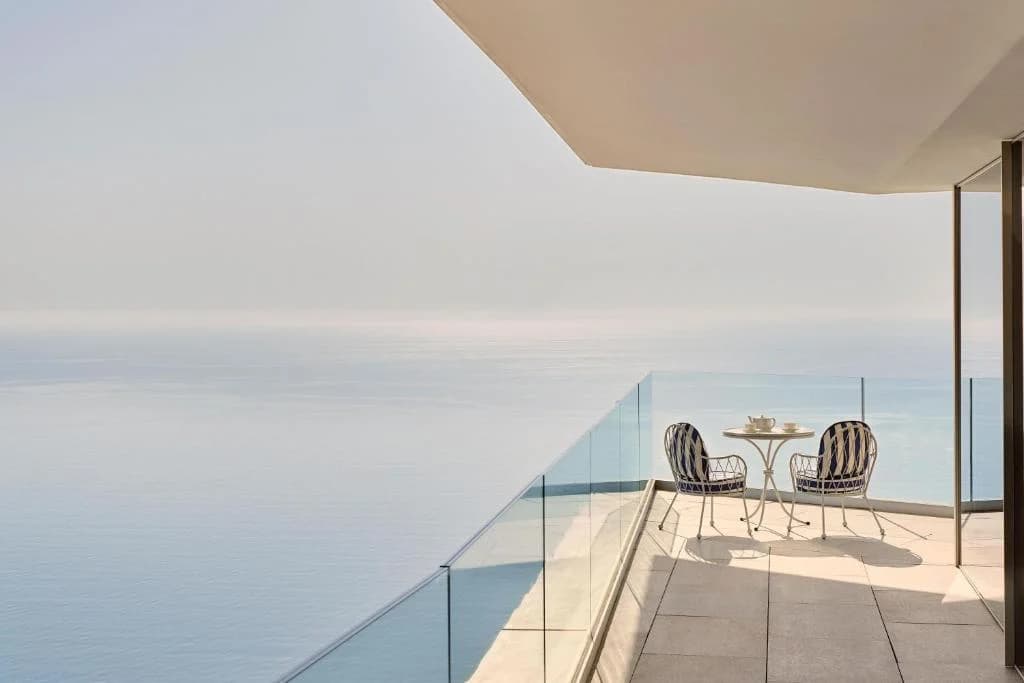
The Superior Suite of 80 m² offers a balcony oriented toward the vastness of the sands. Materials remain raw: ochre stone, light wood, concrete tinted in earth tones. Air conditioning functions in the background, like an invisible breath.
The sensory experience of pure desert
Structured hikes offer pedestrian immersion in the dunes. The sunset over Namib is a scientific invariant: grazing light transforms ridges into a frontier between orange and indigo. The bar, a minimalist terrace, allows prolonged observation of this transition.
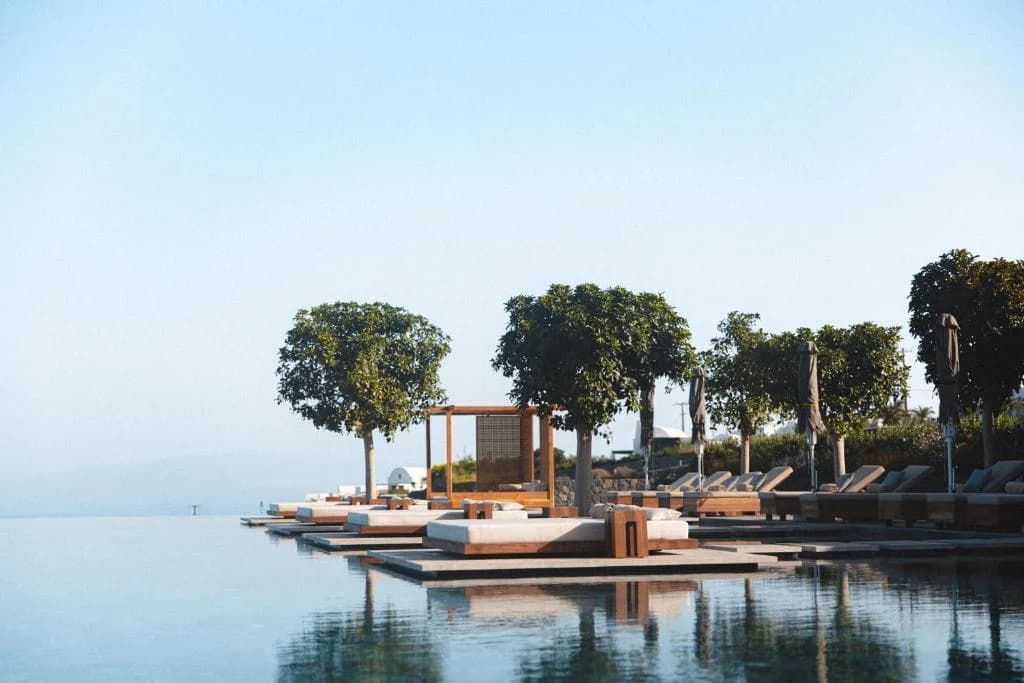
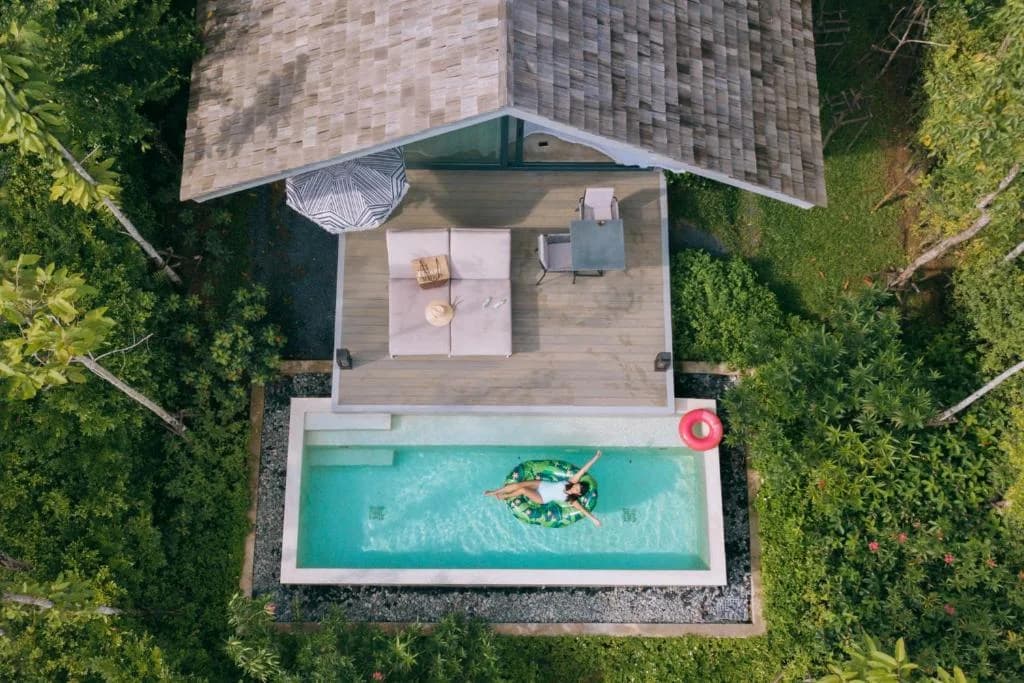
The outdoor pool functions less as amenity than as counterpoint: a rectangle of fresh water facing absolute aridity creates strong aesthetic tension. It is this tension that generates emotion, far more than another reiteration of comfort.

The private reserve experience at Anderssons at Ongava
Etosha: a window onto great wildlife
Anderssons at Ongava is positioned 7.6 km from the main entrance gate of Etosha National Park, home to the continent's largest concentration of mammals. Unlike passive observation, this establishment proposes an approach based on shared journeys and wildlife rhythms.
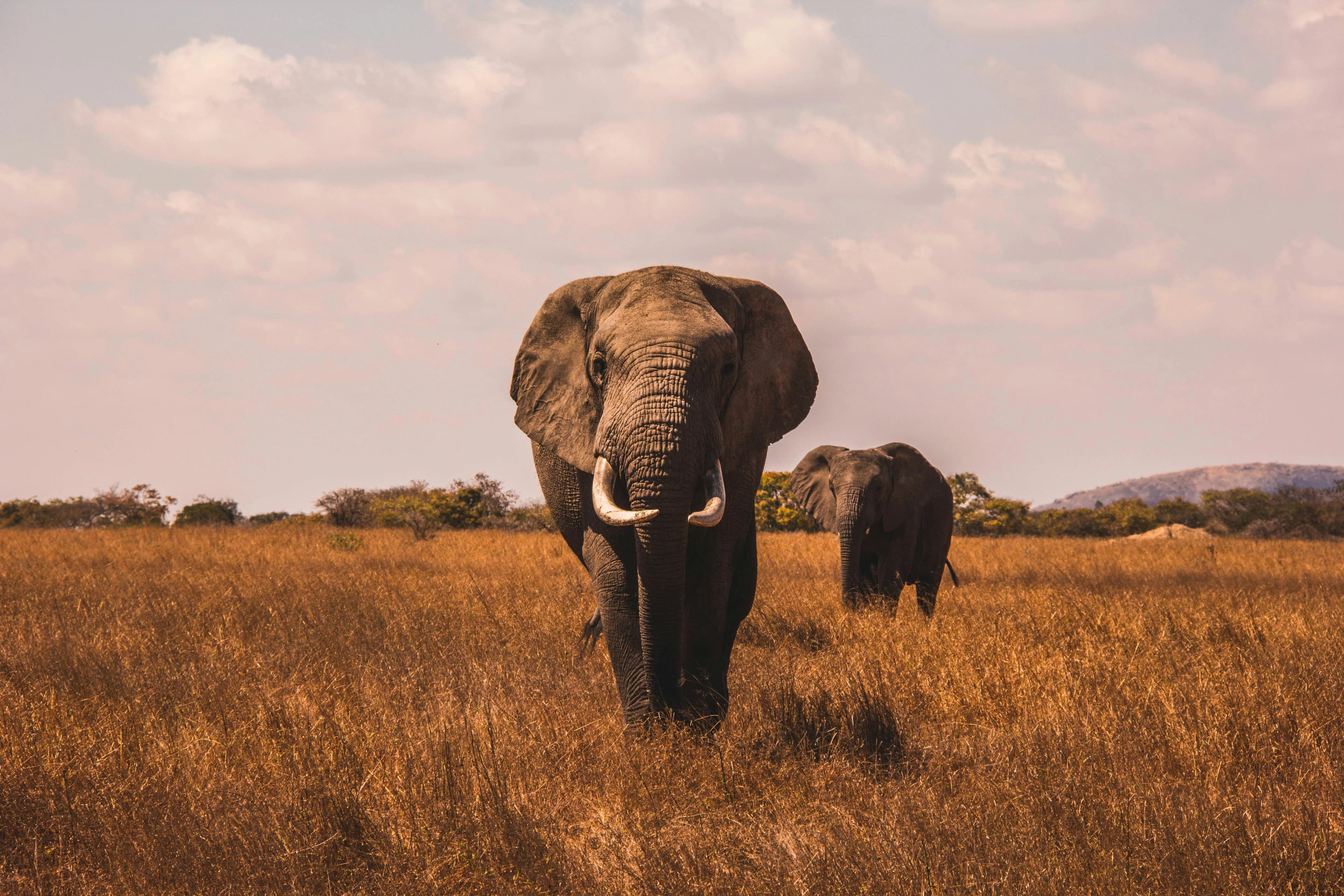
The Suite of 72 m² offers a balcony oriented towards migratory routes. Elephants follow predictable corridors at certain times. Guides structure their outings according to these established biological patterns.
Observatory of life
The common terrace takes precedence over private isolation. This is a deliberate choice: other guests become observation accomplices, witnesses to the same ecological narrative. Exchanges around the bar at the end of the afternoon piece together the day's trajectories: the giraffe spotted near the water point, the lion that circled the establishment at dawn.
The common lounge offers microscopes and illustrated guides. Hospitality here is measured by the pedagogical quality of the experience, not by the density of services.
Zannier Sonop and Zannier Omaanda: two visions of Namibian luxury

Zannier Sonop: desert and reinvented intimacy
Zannier Sonop is located 20 km from Betta, deep in the Namib Desert, approximately 500 km from Windhoek. Its access requires a small aircraft: this is an architectural deliberation. Isolation is not imposed, it is constructed.
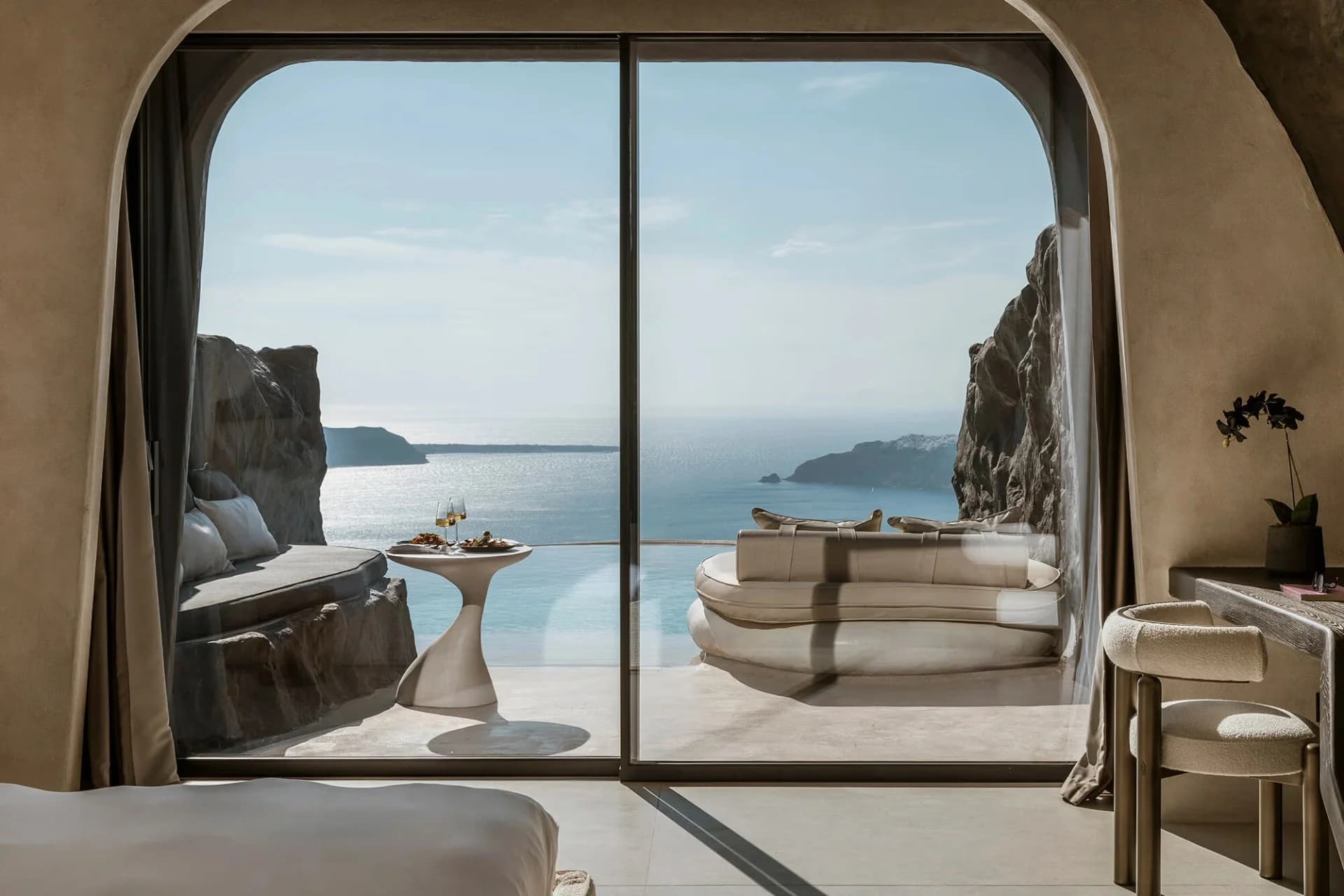
The Family Suite of 120 m² is designed according to a residential logic: living space, office corner, private terrace. The King-Size Bed Room of 60 m² offers deliberate simplicity, a bed dominating the view, a light marble washbasin.
The rate remains all-inclusive: full board, all beverages (except premium champagne and spirits), open-air cinema, guided hikes, electric bikes for trails, 30 minutes of daily horseback riding. It is a formula that eliminates calculation: every moment is lived without decision-making overload.

Zannier Omaanda: the sophisticated private reserve
Zannier Omaanda occupies 9,000 hectares of natural reserve at Ondekaremba, one hour from Windhoek. Its relative proximity makes it accessible; its expanse keeps it inaccessible to others. It is a paradox carefully orchestrated.
The Family Suite of 120 m² combines terrace, flat-screen television and Italian-style bathtub. The King-Size Bedroom of 60 m² offers similar refinement but for two occupants.
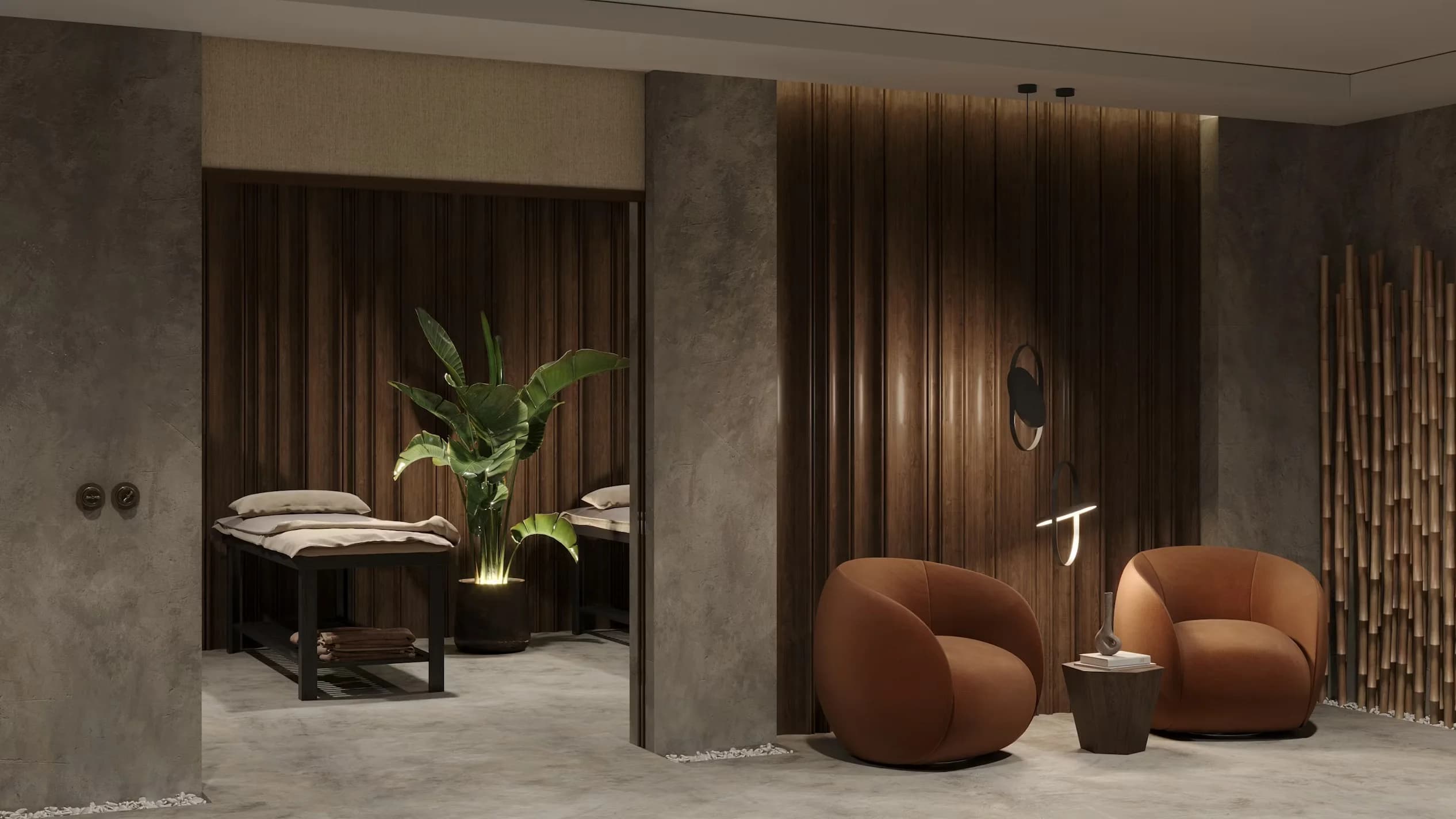
The establishment adds a wellness dimension: heated pool, spa allowing the exchange of a daily safari for 60 minutes of treatment. It is a flexibility rarely accepted elsewhere, an acknowledgment that luxury is not uniform.
Two complementary philosophies
Zannier Sonop represents the apotheosis of the mineral desert. Zannier Omaanda embodies the residential reserve, closer to urban flows while maintaining ecological integrity. For the traveler, this duality offers a founded choice: the depth of the desert or comfortable proximity.
How to choose your lodge according to season and desired wildlife
Namibian seasons: a precise choreography
Namibia experiences three major seasons, each redefining the safari experience.
Dry season (May to September): wildlife concentrates near water points. Elephants, zebras and antelopes converge according to predictable patterns. This is the period when Anderssons at Ongava reveals its full power: encounters become more certain, observations richer. Temperatures remain temperate, nights cool.
Hot season (November to March): rains turn the Namib green. Vegetation regenerates, wildlife disperses. Observation becomes more demanding, the landscape greener. Zannier Sonop excels during this period: dunes take on purple hues at dawn, luminosity redefines itself daily.
Shoulder seasons (April, October): fleeting transitions, declining rates, virtually absent crowds. Zannier Omaanda optimizes these periods: the spa is particularly sought-after, safaris less crowded.
Selecting by target wildlife
For elephants and big cats: Anderssons at Ongava, bordering Etosha. Elephant migration corridors are documented, water points allow prolonged observation of lions.
For desert immersion and adapted species: Namib Outpost. The dunes host oryx (desert antelope), ostriches, manatees. Observation is less spectacular but ecologically more nuanced.
For a mixed experience, desert and reserved wildlife: Zannier Sonop and Zannier Omaanda. The two Zannier reserves offer structured observations without the competitive intensity of open national parks.
The distance-accessibility equation
Zannier Omaanda, 11 km from Osée-Kutako airport, imposes minimal transfers. Ideal for short stays (3 to 4 days) or travelers minimizing logistical effort.
Zannier Sonop, via internal flight, suits stays of a minimum one week. Its isolation is justified only for those who accept stillness as a lever for intensity.
Namib Outpost and Anderssons at Ongava allow combinations: 3 days of desert, 3 days of wildlife. Their location makes them compatible with a circuit approach.
Pricing and economic reality
All-inclusive rates (Zannier Sonop and Zannier Omaanda) link price to substance: no daily decision-making calculus, budget transparency. Anderssons at Ongava and Namib Outpost offer nightly pricing: greater flexibility, but vigilance required against supplements (private safaris, air transfers).
Key takeaways
Zannier Sonop and Namib Outpost embody the desert experience: absolute minerality, restricted access, sensory observation of landscape rather than wildlife.
Anderssons at Ongava remains the optimal choice for big game and documented observation at the edge of Etosha National Park.
Zannier Omaanda articulates residential luxury and private reserve, ideal for short stays or travelers seeking comfort and flexibility.
The choice is structured according to three variables: temporal depth of stay, priority wildlife interest, and acceptability of isolation as an experiential lever.
Frequently Asked Questions
What is the best time for a safari in Namibia? The dry season (May to September) maximizes wildlife encounters, particularly at Anderssons at Ongava. The warm season (November to March) transforms the desert and suits observers of mineral landscape. Shoulder seasons offer reduced rates and increased solitude.
Should one prioritize a private reserve or a national park? National parks (Etosha, accessible via Anderssons at Ongava) offer wildlife density and decreasing prices. Private reserves (Zannier Sonop, Zannier Omaanda) guarantee exclusivity, personalized guides, and experience control. The choice depends on priority: concentrated observation or assured intimacy.
What is the minimum time required for genuine immersion? Three days represent the physiological minimum. Five days allow for a structured experience: acclimatization, concentrated observation, restitution. Seven days unlock narrative immersion: understanding of ecological patterns, recognition of individual wildlife, adoption of local rhythms.
Do private safaris at Zannier Sonop and Zannier Omaanda include additional fees? Yes, Zannier Sonop's all-inclusive rates cover guided hikes, horseback riding, and open-air cinema. Zannier Omaanda offers structured safaris included, with option to exchange for spa treatments. Air transfers from Windhoek generally remain charged separately.
Which suite to choose: Family or King-Size? The Family Suite (120 m² at Zannier) suits couples desiring expanded living space or families. The King-Size Room (60 m²) privileges refinement and direct landscape contemplation. At Anderssons at Ongava and Namib Outpost, standard suites offer private balconies sufficient for two attentive observers.
More from the Journal

Rio de Janeiro: Three Addresses, Three Definitions of Exceptional Stays
Between the historic prestige of Copacabana, the international excellence of a five-star hotel facing the Atlantic, and the confidentiality of a guesthouse perched in the heights, Rio de Janeiro offers three distinct geographies of luxury. LaSuite deciphers each address to guide your choice according to your traveler profile.
BY Jules Peulet

City Break: 7 Urban Luxury Suites for an Inclusive Escape
Demanding LGBTQ+ travelers are no longer simply seeking "safe" urban destinations; they expect flawless architectural experiences and impeccable hospitality at the heart of the world's major cities. For this selection, Lasuite.com partnered with Mygayhotels.com. By combining their rigorous selection of certified "Travel Proud" establishments with our expertise in Quiet Luxury design, we have discovered 7 urban sanctuaries (Paris, New York, London, Madrid, Amsterdam, Rio de Janeiro and Rome). Each of these suites blends stunning aesthetics, strategic location and the assurance of hospitality that celebrates diversity.
BY Jules PEULET

Luxury suite with private jacuzzi near Paris: comparative guide for Île-de-France
Comparative guide to luxury suites with private jacuzzi in Paris and Île-de-France: objective criteria, neighborhoods to favor, comparative table, stay formats, occasions and budget.
BY Jules Peulet