
The ultimate guide to the finest luxury suites on the Côte d'Azur | LaSuite.com
BY Jules Peulet

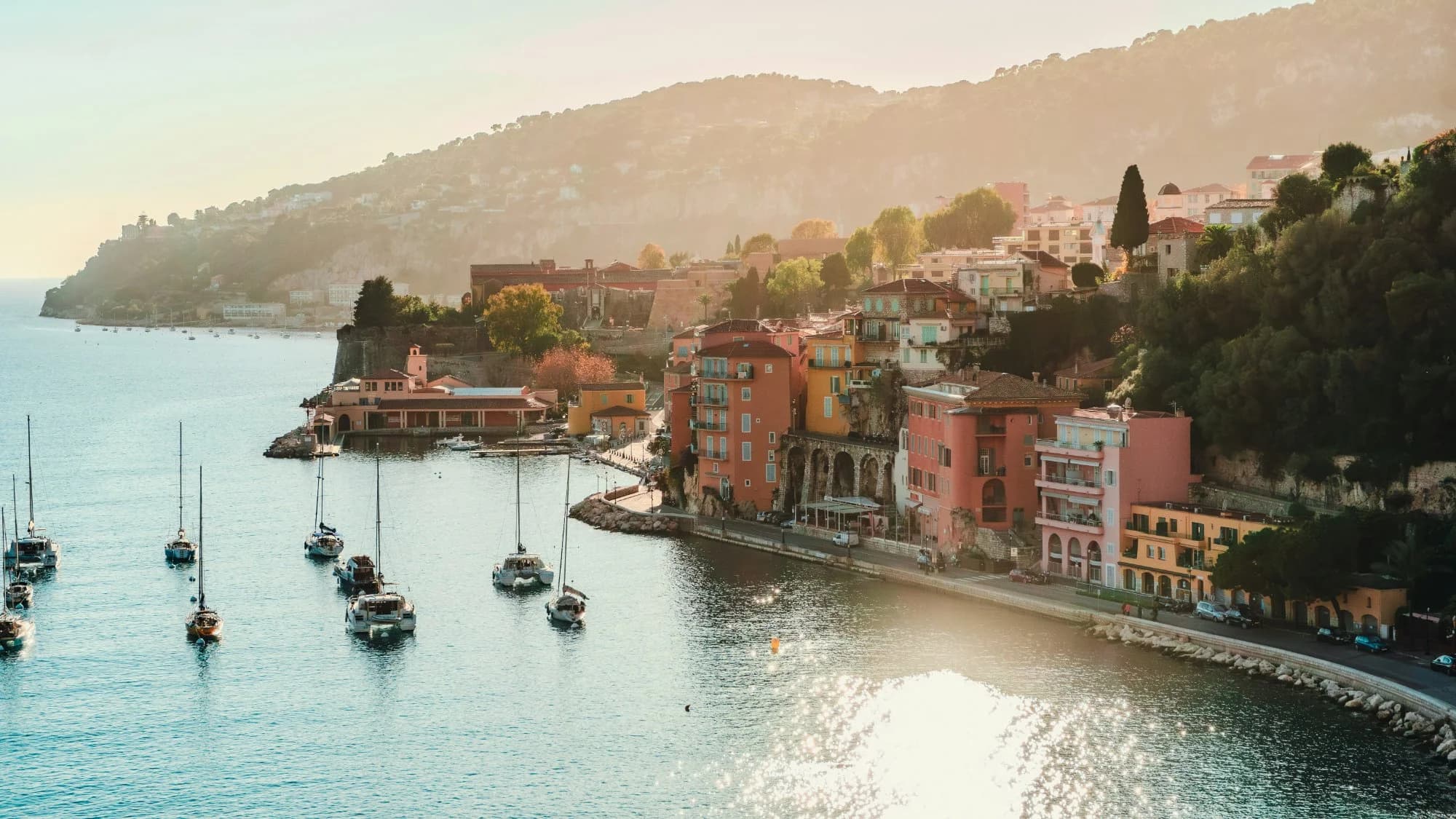
An elite selection of the most architecturally significant luxury suites on the Côte d'Azur, exploring Belle Époque splendor, modernist clifftop design, and the ultimate Mediterranean indoor-outdoor lifestyle.
The Côte d'Azur does not merely host summer vacations; it commands the global imagination of glamorous seaside living. For the ultra-wealthy traveler, this sun-drenched stretch of the French Mediterranean remains the ultimate theatre of prestige, where the aristocratic heritage of the old world meets unbridled modern indulgence. Yet in a legendary destination where virtually every establishment promises sea views and a white façade, a massive spatial trap awaits the uninitiated. A standard premium room on the Riviera is frequently constrained by the historical footprint of early twentieth-century architecture; to truly unlock the ultimate spatial rewards of the destination, one must look beyond standard inventory and demand the spacious, horizontal sanctuary of an elite signature suite.
At La Suite, our selection remains relentlessly focused on the architectural "wow" factor, design authenticity, and spatial fluidity. Along a coastline defined by dramatic topography and intense Mediterranean light, a world-class suite must function as an independent estate, a space where interior luxury transforms seamlessly into private outdoor living zones. This guide serves as a strategic architectural compass to the finest suite assets on the Côte d'Azur, mapping multi-room palatial pavilions, dramatic clifftop modernist redoubts, and private seaside sanctuaries where the sea meets your personal terrace.
Discover all our suites on the Côte d'Azur.
1. Architectural DNA and Spatial Philosophy
The architectural framework of ultra-luxury hotel suites on the Côte d'Azur is defined by a captivating stylistic tension: the majestic, symmetrical opulence of the Belle Époque functioning alongside the refined lines and organic forms of mid-century modern Riviera architecture. Within the region's elite hospitality sanctuaries, spatial design is entirely dictated by the famous Mediterranean light, gently filtered through the branches of ancient maritime pines. The physical envelope of these elite spaces rests upon a palette of noble local materials, employing the cream limestone of La Turbie, smooth white Istrian stone, hand-glazed Vallauris ceramics, raw woven fabrics, and patinated wrought iron.
Within the historic grand hotels lining the coast, this structural envelope is articulated by imposing four-meter ceilings, hand-applied crown moldings, and monumental arched windows that frame the sea as a living work of art. The contemporary counterweight to this classical grandeur focuses on dissolving the boundary between interior living room and natural landscape, employing radical cantilever structures and massive open-plan geometries.
This structural evolution was shaped by an elite circle of visionary architects and designers. Jean-Michel Wilmotte has left an indelible mark on the coast, celebrated for his ability to inject refined contemporary layouts and minimalist steel frameworks into historic properties like the Hôtel Martinez in Cannes, transforming dark heritage spaces into vast galleries flooded with light.
In striking contrast, master designer India Mahdavi brought a sense of playful mid-century cinematic glamour to Monte-Carlo Beach. Mahdavi employs bold chromatic contrasts, curved nautical geometries, and striking custom-made furnishings that honour the artistic spirit of the 1930s Riviera without ever slipping into generic nostalgia.
Meanwhile, interior architect Charles Zana redefined Tropézien lifestyle at Hôtel Lou Pinet. Zana rejects ostentatious opulence in favour of refined residential layouts, combining natural terracottas, raw oak and soft linen curtains to create suites that resemble highly sophisticated private properties, proving that contemporary Riviera luxury lies in texture, spatial restraint and discreet intimacy.
2. Neighbourhood mapping and atmosphere
The Côte d'Azur is a geographically fragmented coastline, composed of distinct micro-destinations, each possessing its own strict social velocity, architectural rules and environmental landscape.
Monaco & Roquebrune-Cap-Martin : Sovereign grandeur and high-tech verticality
The undisputed capital of hyper-security, global capital, and spectacular engineering. Dominated by sheer cliffs plunging vertically into the sea, this zone fuses the historic sovereign opulence of Monte-Carlo with cutting-edge modern architecture. Staying in a signature suite here, with the emblematic Hôtel de Paris Monte-Carlo or the spectacular The Maybourne Riviera in overhang, means living suspended between sky and sea.
The lifestyle is fast, highly visible, and intensely cosmopolitan. The suites offer vertiginous architectural views, automated glass walls, and private helipad access, seducing figureheads, startup founders, and international business leaders who demand absolute security and monumental scale.
Saint-Jean-Cap-Ferrat : Old money sovereignty and total discretion
Located on a densely wooded private peninsula, Cap-Ferrat is the historic sanctuary of old-world royalty, reclusive billionaires, and global dynasties. The architectural landscape is defined by hidden estate walls, majestic wrought-iron gates, and towering maritime pines. The absolute jewel of this neighbourhood is the Grand-Hôtel du Cap-Ferrat, A Four Seasons Hotel, a pristine Belle Époque palace that has defined Riviera elegance for over a century.
The suites here privilege complete residential intimacy and discreet luxury, offering deep stone terraces, heated private pools, and long winding paths leading directly through carefully manicured Mediterranean gardens. The atmosphere is calm, timeless, and formal, attracting traditionalist purists who demand total anonymity.
Cannes & La Croisette: Cinematic glamour and high visibility
The fast-paced and highly visible theater of international film elite, fashion houses and the mega-yacht trade. Anchored by the famous Boulevard de la Croisette, Cannes is a majestic crescent of grand hotels overlooking sandy beaches and the open Mediterranean. Iconic palaces like the Carlton Cannes, A Regent Hotel and Art Deco Hôtel Martinez define this quarter.
Suites here are designed for high-level entertaining, media events and the showcasing of luxury lifestyle at grand scale, with expansive public lounges, historic curved balconies and master bedrooms overlooking superyachts anchored in the bay. The energy is vibrant, social and fashion-focused.
Saint-Tropez & Ramatuelle : bohemian-bourgeois heritage and beach club culture
The legendary peninsula where wild late-night hedonism intersects with serene pastoral luxury. Saint-Tropez effortlessly transitions from historic pastel-hued fishing cottages at the harbor to the steep, pine-shaded hills of Ramatuelle. Properties like Cheval Blanc St-Tropez and the ultra-exclusive La Réserve Ramatuelle embody the dual nature of this area.
The suites here emphasize an effortless, barefoot elegant lifestyle, with massive stone outdoor terraces, integrated summer kitchens, and direct access to private beach enclaves. The atmosphere is exclusive yet intensely relaxed, making it the premier choice for global creatives, fashion directors, and media executives.
The hinterland (Saint-Paul-de-Vence & Mougins) : Artistic sanctuaries & medieval stone
For travelers who reject the highly visible coastal strip, the rolling hills of the Riviera hinterland offer a quiet and intellectual alternative. Characterized by fortified medieval villages perched on hillsides, olive groves, and field stone walls, this region has been a sanctuary for artists like Matisse, Picasso, and Chagall for decades.
Properties such as the legendary La Colombe d'Or or the majestic Château Saint-Martin & Spa embody this area. The suites feature exposed stone masonry, original hand-carved wooden doors, and private terraces overlooking valleys of cypress trees down to the distant sea. The atmosphere is creative, intellectual, and profoundly historic, offering a tranquil retreat for collectors and writers.
3. Residential layouts & volumes
The defining boundary between a standard premium room and an elite suite on the Côte d'Azur is the masterfully designed integration of interior and exterior space. On this sun-drenched coastline, a room that forces you to stay indoors is a complete architectural failure. Renting a signature suite is a strategic acquisition of volume, specifically designed to function as an independent private villa supported by the impeccable, personalized services of a world-class Palace.
The apotheosis of this layout philosophy is the garden pavilion suite on the seafront. Located directly on the waterfront, these rare layouts feature expansive single-floor dimensions where the wings of the grand living room and master bedroom open directly onto private stone terraces via frameless glass walls that retract completely into the masonry.
The exterior living space is treated as the primary volume, with bespoke recessed fireplaces, sculptural rain showers carved from local stone, and private dining pavilions. Crucially, these arrangements frequently feature an exclusive structural advantage: a private wooden terrace or private boat dock, allowing guests to move directly from their suite to an awaiting boat without ever crossing public hotel space.
Furthermore, the region's steep topography has given rise to the spectacular cliff-edge overhang penthouse duplex. Cantilevered above the rocks, these multi-level suites present an inverted layout: the lower level houses the master suites and marble bathrooms for complete temperature control and absolute privacy, while the upper level is dedicated to an open-plan entertainment lounge.
This upper volume opens onto a massive stone terrace featuring a heated private infinity pool that spills toward the horizon, creating an optical illusion where your private water flows seamlessly into the Mediterranean Sea. For high-profile international families requiring extended summer stays, these penthouses offer independent service entrances for staff and secured private elevator vestibules for complete operational isolation.
4. The Living Ecosystem: Gastronomy & Haute Vente
An elegant Riviera suite serves as the operational command centre of an extraordinarily sophisticated luxury ecosystem, seamlessly uniting cutting-edge Mediterranean gastronomy with ultra-private summer fashion curation.
Culinary integration within the region's top-tier suites completely redefines the concept of private dining. Rather than standard room-service menus, the kitchens of the area's most prestigious properties treat the private dining pavilions and terraces of their signature suites as direct extensions of their main restaurant salons. Guests can orchestrate private suite dinners by celebrated culinary masters, such as Chef Arnaud Donckele from three-Michelin-starred La Vague d'Or or the team behind Mauro Colagreco's world-renowned creations.
The entire experience elevates to performative art: private wood-fired barbecues are installed on your terrace, and head sommeliers wheel personalized tasting carts directly into your lounge to accompany rare Provence rosés and aged Bordeaux vintages from the hotel's underground cellars. Moreover, these premier suites offer exclusive maritime logistics: a private motor tender can dock directly at your suite's private berth to transport you to legendary beach clubs such as Club 55 on Pampelonne Beach or Paloma Beach at Cap-Ferrat, entirely bypassing congested summer roads.
Simultaneously, the close relationship between these elite suites and fashion houses in Saint-Tropez and Cannes unlocks entirely off-market sales experiences. For occupants of premier suites, shopping is an entirely personalized affair, in-suite.
Through elite lifestyle curators, the world's most powerful fashion houses, led by the summer salons of Dior and Chanel, bypass their public boutiques. Senior style directors transport entire seasonal collections and high-end resort fashion directly into your suite's wardrobe, accompanied by private tailors for personalized fitting sessions on your private terrace, entirely hidden from public view.
5. The cultural fabric & Historical anchors
The finest hotel suites on the Côte d'Azur function as living cultural vaults, meticulously curated to connect the modern traveler directly to the rich artistic soul of the Mediterranean. The interiors of these spaces are designed with museum-quality precision, treating twentieth-century artistic heritage not as static decoration, but as a vital design element that coexists with contemporary architectural forms.
Within these premium sanctuaries, original art is treated as a foundational design layer. It is commonplace to discover suites adorned with hand-painted original ceramics from Vallauris, murals inspired by the dreamy linear work of Jean Cocteau, and monumental outdoor sculptures that reflect the abstract and geometric forms found nearby at the Fondation Maeght. Hotels regularly partner with elite European estates and contemporary art curators to circulate museum-quality art collections through their high-end suites, transforming living space into an exclusive private gallery for international collectors.
Beyond the physical artworks displayed in rooms, staying in a premier suite on the Côte d'Azur offers unprecedented, off-market access to the coast's most guarded cultural institutions through elite hotel partnerships:
Private after-hours access to Villa Ephrussi: Completely private, crowd-free evening visits to the spectacular Villa Ephrussi de Rothschild on Cap-Ferrat, allowing guests to explore the illuminated musical gardens entirely alone, guided by a senior curator.
Historic studio tours: Exclusive behind-the-scenes access to private artist studios and historic chapels decorated by Picasso and Matisse that remain closed to the general public.
Monastic vineyard access: Private helicopter transfers to the remote Île Saint-Honorat, unlocking exclusive tastings led by a premium wine expert of high-end wines produced by the island's historic monastery, entirely closed to standard tourism.
6. The Aesthete's Analysis (Our Signature Critique)
A rigorous and entirely objective architectural critique of the ultra-luxury suite landscape on the Côte d'Azur reveals that behind the impeccable, sun-drenched aesthetic lies a challenging environment where dramatic topography and intense summer crowds create significant operational friction.
The primary and most pervasive challenge along the coast is The Corniche Sound Trap. The winding coastal roads, the Basse, Moyenne, and Grande Corniches, are legendary driving routes, but during summer months, they become a major source of acoustic pollution. The sharp roar of supercars and modified luxury vehicles accelerating along these rocky mountainous paths bounces off the walls of steep cliff faces. Because many modern ultra-luxury suites feature spectacular cantilevered terraces built directly above these cliffs, this engine noise reverberates across private stone terraces. If a suite lacks advanced structural acoustic shields or sits too close to a major road junction, its massive outdoor living volume can become surprisingly loud during afternoon peak hours.
Second, the architectural trend of building cliff-face hotels relies heavily on cascading architecture. To ensure that each room benefits from a privileged sea view, hotels are constructed as successive terraced tiers cascading down the hillside. While spectacular when viewed from a yacht, this introduces a major flaw in terms of privacy. Guests occupying the exterior terraces and private pools of signature suites on lower floors frequently discover that penthouse residents directly above them enjoy an unobstructed and direct view down into their supposedly private sunbathing areas and outdoor terraces, destroying any illusion of absolute seclusion.
Finally, Riviera infrastructure is pushed to a critical breaking point in July and August. Narrow coastal roads become completely paralyzed by traffic. This regional congestion impacts the suite luxury experience: high-end private catering teams, off-market fashion deliveries from Cannes or Saint-Tropez, and even basic hotel engineering requests can face frustrating logistical delays. A guest paying the highest rates must accept the reality that, despite the impeccable service standards of hotels, the physical constraints of the overcrowded Riviera landscape cannot be entirely overcome.
Ultimately, booking an elite suite on the Côte d'Azur is far more than a simple transaction; it is an intentional choice to align yourself with the unique history, architecture, and light of the Mediterranean coastline. The finest accommodations in the region succeed in dissolving the boundary between historical palatial gravitas and modern luxury, allowing you to live intimately alongside centuries of European craftsmanship, culinary mastery, and sweeping sea views. Whether your design preference leans toward the refined minimalism of white limestone in a contemporary clifftop penthouse in Roquebrune or toward the grand salons of a restored Belle Époque palace in Cap-Ferrat, the ideal space must successfully master the challenges of its natural setting. By prioritizing orientations overlooking courtyards or peninsulas for absolute silence, by verifying privacy angles downward in tiered hotels, and by selecting authentic material craftsmanship, the discerning traveler can look beyond the facade of superficial luxury to secure a private Riviera sanctuary that offers an unforgettable aesthetic landmark.
Architectural & Traveler FAQ
What is the practical difference between a standard terrace suite and a suite with a private sea pontoon?
The fundamental difference lies in privacy, coastal access, and spatial autonomy. A standard terrace suite offers a large stone terrace or exterior balcony overlooking the sea, but you must still use public elevators and hotel corridors to access the beach or a boat. A suite with a private sea pontoon, by contrast, sits directly at water level and features its own structured wooden dock. This allows high-profile clients to descend directly onto a private motor yacht tender from their room, bypassing all public areas for absolute operational privacy.
How can I ensure my private infinity pool is completely hidden from other guests in a tiered hotel?
To guarantee complete privacy in a tiered or hierarchical resort layout, you must pay careful attention to the suite's structural positioning and roofline design. When booking, explicitly request a signature suite equipped with an "inset terrace" or "cantilevered awning." These specific architectural configurations use extended upper stone overhangs or deeply recessed alcoves that completely block the line of sight from suites positioned directly above, ensuring your private solarium remains entirely concealed.
What is the optimal booking window for premium signature suites on the Côte d'Azur?
Because the high-season summer window on the Côte d'Azur is exceptionally compressed (extending from mid-June to late August) and the inventory of genuine palatial multi-bedroom villas and private seafront penthouses is exceptionally limited (often fewer than 3 units per establishment), the optimal booking window is 6 to 8 months in advance. Reserving in October or November of the preceding year is essential to secure the most coveted sunset-facing configurations and wind-protected settings.
More from the Journal

Dolomites: Five Exceptional Suites for Alpine Winter
Limestone, raking light and mineral silence: in winter, the Dolomites offer a setting of rare density, which a few addresses have known how to translate into singular architectural experiences. The Suite by La Suite selects five suites that make the cold season not a constraint, but a raw material.
BY Jules Peulet

Rio de Janeiro: Three Addresses, Three Definitions of Exceptional Stays
Between the historic prestige of Copacabana, the international excellence of a five-star hotel facing the Atlantic, and the confidentiality of a guesthouse perched in the heights, Rio de Janeiro offers three distinct geographies of luxury. LaSuite deciphers each address to guide your choice according to your traveler profile.
BY Jules Peulet

City Break: 7 Urban Luxury Suites for an Inclusive Escape
Demanding LGBTQ+ travelers are no longer simply seeking "safe" urban destinations; they expect flawless architectural experiences and impeccable hospitality at the heart of the world's major cities. For this selection, Lasuite.com partnered with Mygayhotels.com. By combining their rigorous selection of certified "Travel Proud" establishments with our expertise in Quiet Luxury design, we have discovered 7 urban sanctuaries (Paris, New York, London, Madrid, Amsterdam, Rio de Janeiro and Rome). Each of these suites blends stunning aesthetics, strategic location and the assurance of hospitality that celebrates diversity.
BY Jules PEULET