Staying near Cheverny: the landscape and its logic
Accommodations in this zone tend to fall into two categories: converted manor houses or smaller châteaux operating as chambres d'hôtes or boutique hotels, and larger estate properties on the periphery of the Sologne. For travelers seeking a luxury suite in this part of the Loire Valley, the relevant search radius extends naturally toward Blois (15 km north), Chaumont-sur-Loire (25 km northwest), and the broader Blésois area. These territories share the same limestone geology, the same forested hunting culture, and many of the same wine routes.
The distinct character of the Loire Valley château belt
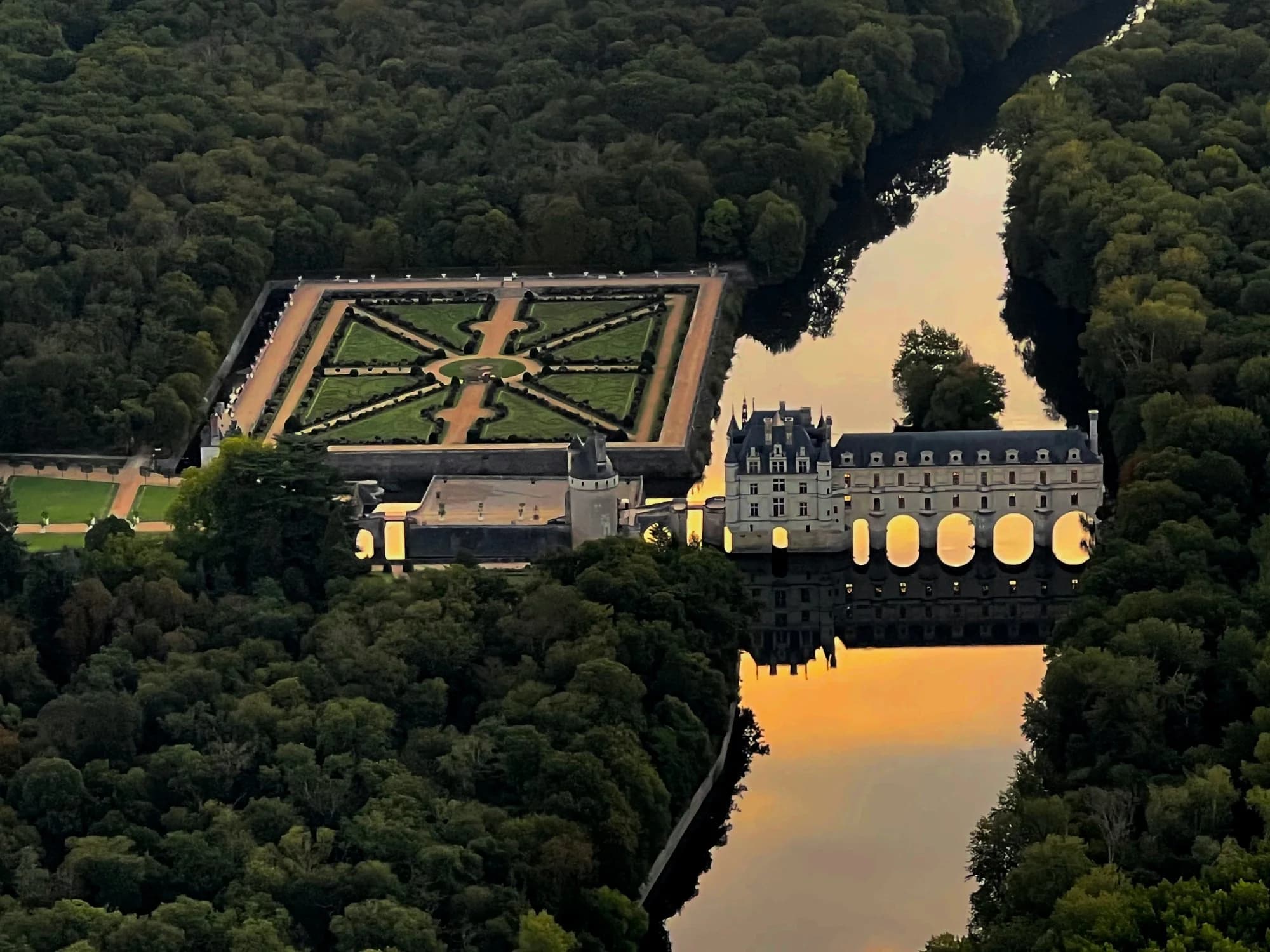
The Loire Valley was inscribed as a UNESCO World Heritage Cultural Landscape in 2000, recognising not just individual monuments but the coherence of the entire valley corridor, its towns, vineyards, and châteaux as a unified expression of Renaissance ideals. This designation has direct consequences for how luxury hotels operate here. Properties must integrate with landscape codes rather than impose contemporary forms. The result is a typology of accommodation that leans toward the historical, the patinated, and the architecturally considered.
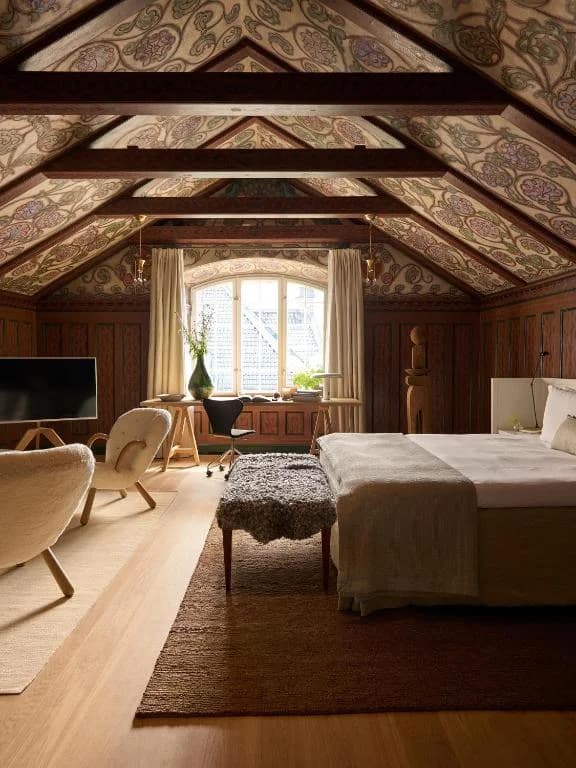
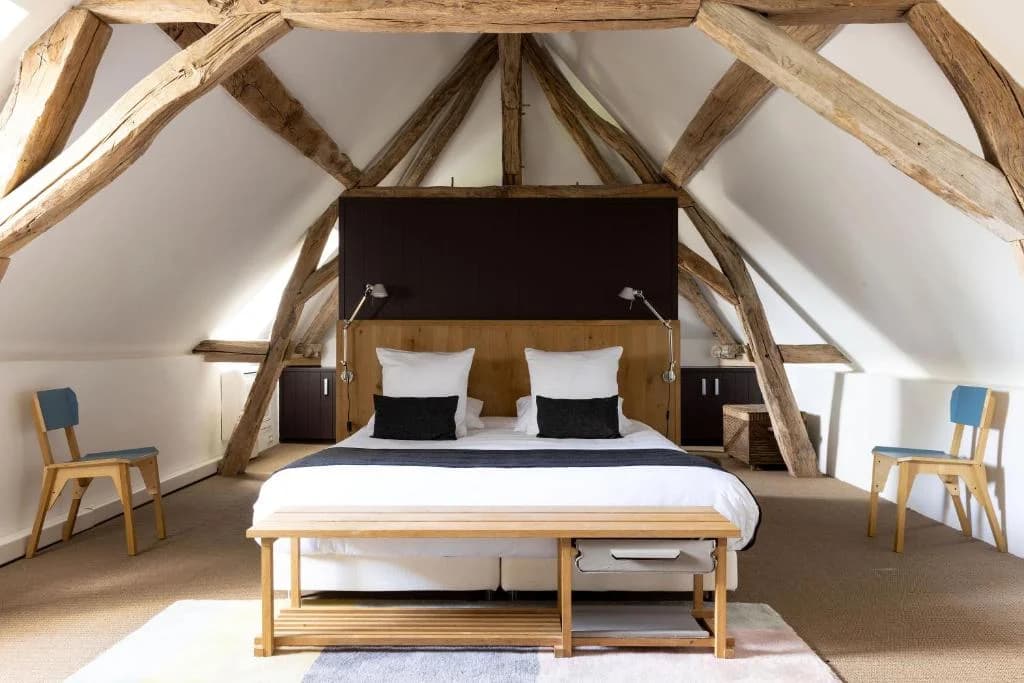
A luxury hotel suite in this region typically means stone walls, high ceilings, period furniture authenticated or restored with care, and a view across formal gardens or parkland rather than a city skyline. The spatial language is unhurried. Rooms are generous because the original architecture demanded generous rooms. This is a fundamentally different proposition from, for example, a Parisian palace suite, where the luxury is density and service intensity rather than space and quietude.
The 'Château-hôtel' format
The Loire Valley developed the château-hôtel format long before it became a global category. These are working historic properties, sometimes still partially inhabited by owning families, that operate a wing or the full estate as a hotel. The best ones maintain a balance between heritage integrity and contemporary hospitality standards. Guests should expect architectural authenticity, including occasional quirks of historic plumbing or acoustics, alongside proper hotel amenities. The ambiance is that of a private country house rather than a resort.
When to visit Cheverny and the surrounding Loire Valley
The Loire Valley operates on a spring-to-autumn cycle for leisure travel. The months from April through June offer the clearest skies and the most active gardens: the formal parterres and kitchen gardens of the great châteaux are maintained to high horticultural standards, and the light at this latitude, around 47 degrees north, is long and low in a way that favors both photography and general ease of travel.
September and early October represent a secondary peak, when the vendanges (grape harvests) begin across appellations including Cheverny AOC itself, Cour-Cheverny (which produces the distinctive Romorantin grape, unique to this sub-appellation), and nearby Touraine. The Domaine des Huards and Domaine du Salvard are among the producers working within the Cheverny AOC, and visits can be arranged for serious wine travelers.
July and August bring the highest visitor volumes to the region's major châteaux. Travelers seeking quieter access to Château de Cheverny, which receives over 300,000 visitors annually, may find the shoulder months more appropriate to the tempo of a suite stay. The château also hosts a season of evening events and light installations during summer months. Winter in the Loire Valley is quiet, marked by hunting season in the Sologne and a more austere but architecturally pure version of the landscape.
Local luxury standards: what to expect from top-tier stays near Cheverny
France operates a formal classification system for its most prestigious hotels: the 'Palace' designation, awarded by Atout France, currently recognises fewer than 30 properties across the country. No Palace-designated hotel operates in Cheverny itself, though several are accessible within the broader Loire Valley. This context matters for expectation-setting. The luxury offer in Cheverny and its immediate environs is built around architectural and historical capital rather than the service infrastructure of a five-star urban hotel.
Top-tier suites in this zone will typically offer: direct access to estate grounds, often including private gardens, orchards, or forest paths; proximity to working vineyards or wine cellars; dedicated concierge services for château visits, wine tastings, and cycling routes; and interiors that prioritize material quality and period coherence over generic luxury hotel aesthetics. Some properties maintain working stables, offering equestrian programming that is consistent with the hunting and riding culture historically embedded in the Sologne.
Cheverny AOC and the Romorantin grape
One specific and verifiable distinction of the Cheverny zone is its indigenous wine culture. The Cour-Cheverny appellation is the only AOC in France to produce wine exclusively from the Romorantin grape, a variety documented in the region since the early 16th century and believed to have been brought to the Loire by François I. A stay near Cheverny that does not engage with this wine culture misses one of the area's most particular pleasures. The best château-hotels in the area can arrange private cellar visits and tastings with local vignerons.
How to choose the right suite near Cheverny
Several variables merit consideration when selecting a luxury suite in or around Cheverny. First, the relationship between the property and the landscape: some estates sit within enclosed parkland, offering total privacy but limited views across the broader valley; others are positioned on elevated terrain with sight lines across vineyards or the Cosson river valley. Second, the degree of historical intervention: some properties have been fully restored to contemporary standards, while others maintain a more deliberately lived-in patina that may or may not suit the traveler's aesthetic preference.
Third, mobility: Cheverny is best navigated by car or by bicycle on the Loire à Vélo route network, which passes through the area. Properties with direct cycling access or on-site bicycle hire offer a practical advantage. Fourth, the composition of the traveling party: the Sologne's forest and hunting culture makes this territory particularly well-suited to families with older children or to couples who value outdoor access as part of a suite stay.
Why a curated selection by La Suite matters here
The Loire Valley contains dozens of properties describing themselves as château-hotels, with quality and operational standards that vary considerably. For a traveler arriving without local knowledge, the gap between marketing and reality can be significant. La Suite applies a consistent curatorial framework to this territory, assessing suites on spatial quality, architectural integrity, operational service levels, and the coherence between the property's identity and the landscape it inhabits.
In a region where the historical context is this dense and the number of converted properties is this high, the value of a curated selection lies precisely in discrimination. Not every château with guest rooms qualifies as a luxury hotel suite experience. La Suite's selection in the Cheverny area is built around the properties where the suite itself justifies the visit, where space, material quality, and the particularity of the location converge into a stay that could not be replicated elsewhere.