Where to stay in Lombardy: the key areas for luxury suites
Lake Como
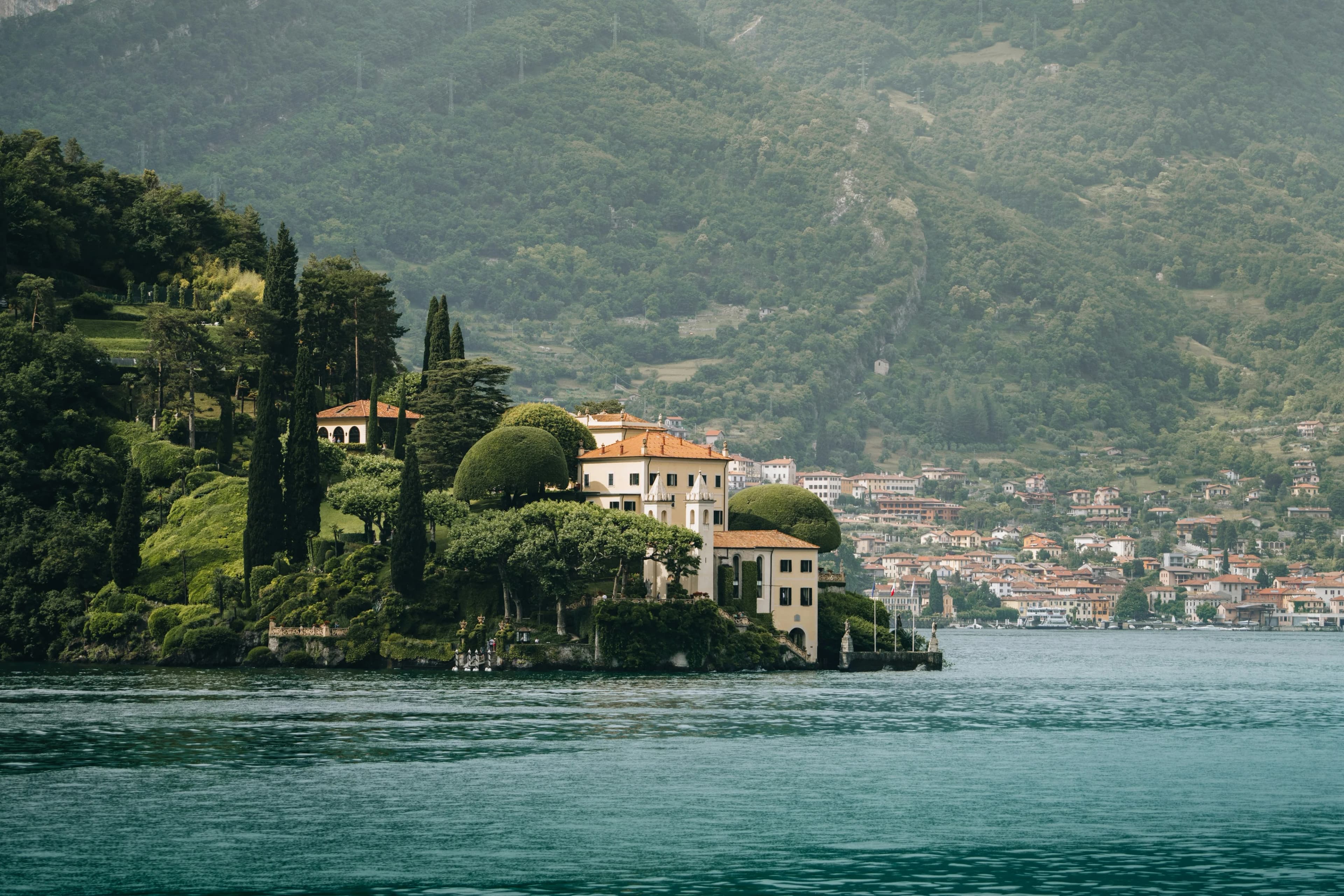
Lake Como remains the reference address for European aristocratic leisure. Its architecture is largely 18th and 19th century, with neoclassical villas, terraced gardens descending to the water, and a quietness that feels structural rather than accidental. Suites here tend to occupy historic buildings, often with private lake-facing terraces, period furniture, and gardens that require their own staff. The villages of Bellagio, Varenna, and Tremezzina concentrate the most prestigious addresses. The lake's relatively narrow shape means that views are almost always direct and immediate.
Lake Maggiore and Lake Garda
Lake Maggiore, shared with Piedmont and Switzerland, has a slightly more international character than Como. Its western shore, the Piedmontese Riviera, features grand belle époque hotels in Stresa that have been receiving guests for over a century. Lake Garda, Lombardy's eastern boundary with the Veneto and Trentino, is larger and more varied. Its southern Lombard shore around Sirmione is historically significant, while the northern stretches near Gargnano offer a more restrained, wine-focused luxury experience.
Milan
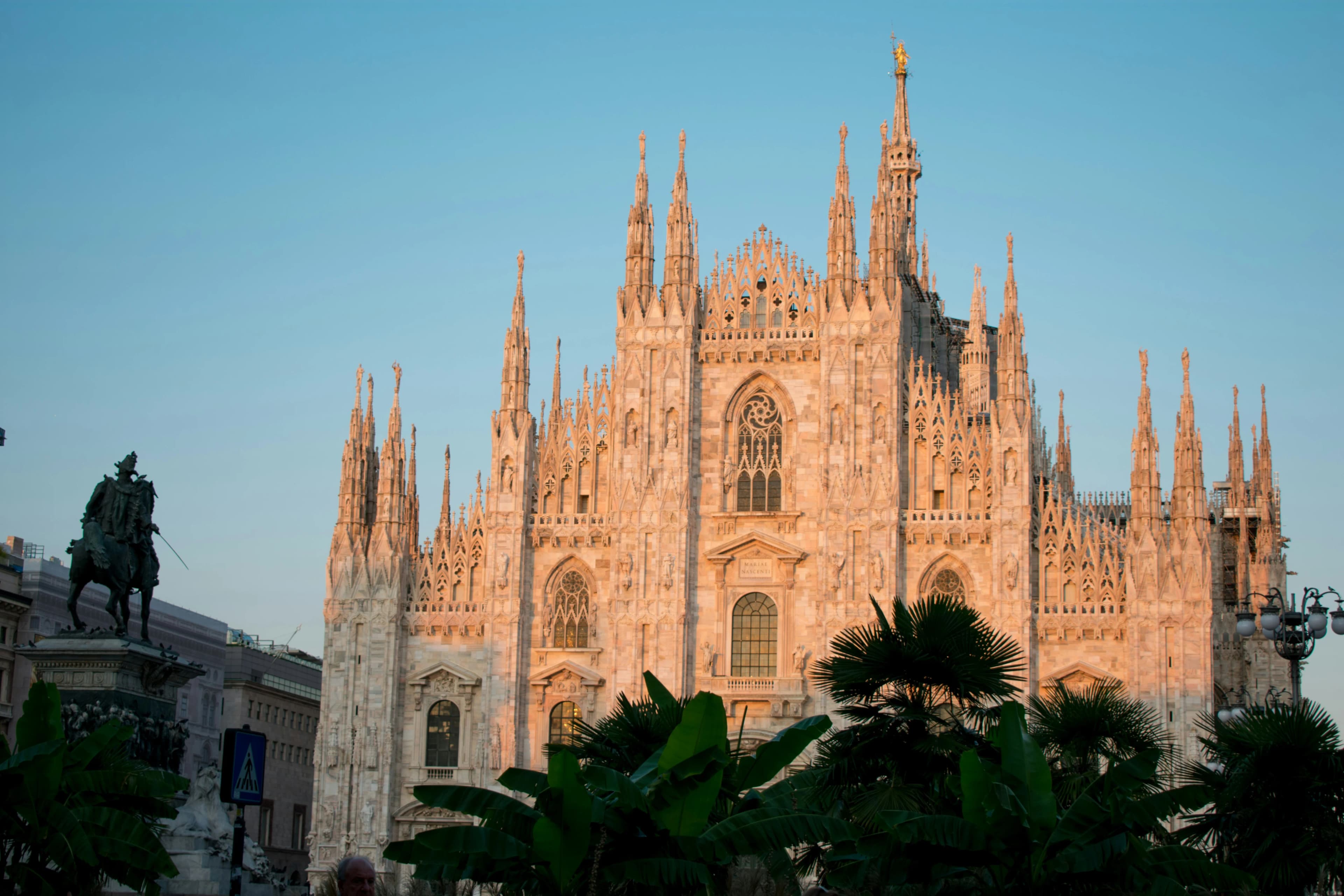
Milan operates as Lombardy's urban counterpoint to the lakeside register. Suites here are less about scenery and more about precision: architectural detailing, proximity to the Quadrilatero della Moda, cultural institutions such as Teatro alla Scala and the Pinacoteca di Brera, and a concentration of design studios that makes the city essential for a certain kind of culturally motivated traveler. The Brera district, the Porta Nuova quarter, and the area around Piazza della Repubblica each have their own character and their own cluster of high-calibre hotel properties.
The Franciacorta and the Brescia hills
The Franciacorta wine zone, southeast of Lake Iseo, is Lombardy's answer to Champagne. Vineyard estates and converted rural properties offer suites in an agricultural landscape that feels genuinely removed from the urban circuit. This is an area for guests who prioritise gastronomy, wine, and a slower sensory rhythm over the social visibility of the lakes.
When to visit Lombardy
The optimal window for lake travel is late April through June and then September through mid-October. In summer, July and August bring significant crowds to Como and Garda, which affects both privacy and the quality of service at even the finest properties. The shoulder seasons offer better suite availability, lower ambient noise, and more considered access to the landscape.
Milan operates on a different calendar. The fashion weeks in February and September, and the Salone del Mobile in April, are peak periods for suite demand in the city. Booking significantly in advance during these windows is not optional for top-tier properties. Outside these events, Milan is relatively consistent in its luxury offering year-round, with December carrying additional appeal around the Teatro alla Scala season opening.
Winter on the lakes is largely closed. Many historic villa-hotels shutter from November to March, which makes scheduling essential. The Dolomite access from Lombardy's northern valleys becomes relevant for winter sports travelers in this period.
Understanding luxury standards in Lombardy
Italy does not use the French Palace designation. The national classification system relies on the standard five-star and five-star-L (luxury) categories, supplemented by the informal but meaningful recognition of membership in consortia such as Relais and Chateaux, The Leading Hotels of the World, and Small Luxury Hotels of the World. In Lombardy, historic provenance carries additional weight. A property occupying a 16th-century villa on Lake Como, or a palazzo in central Milan, operates with a different kind of prestige than a purpose-built luxury hotel, regardless of room count or amenity list.
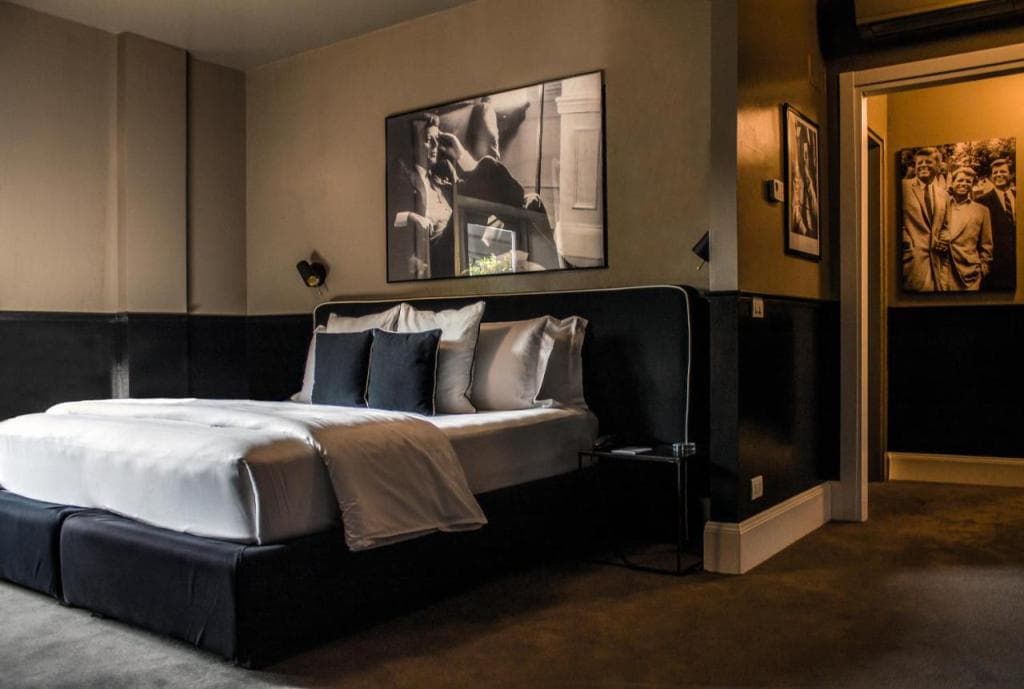
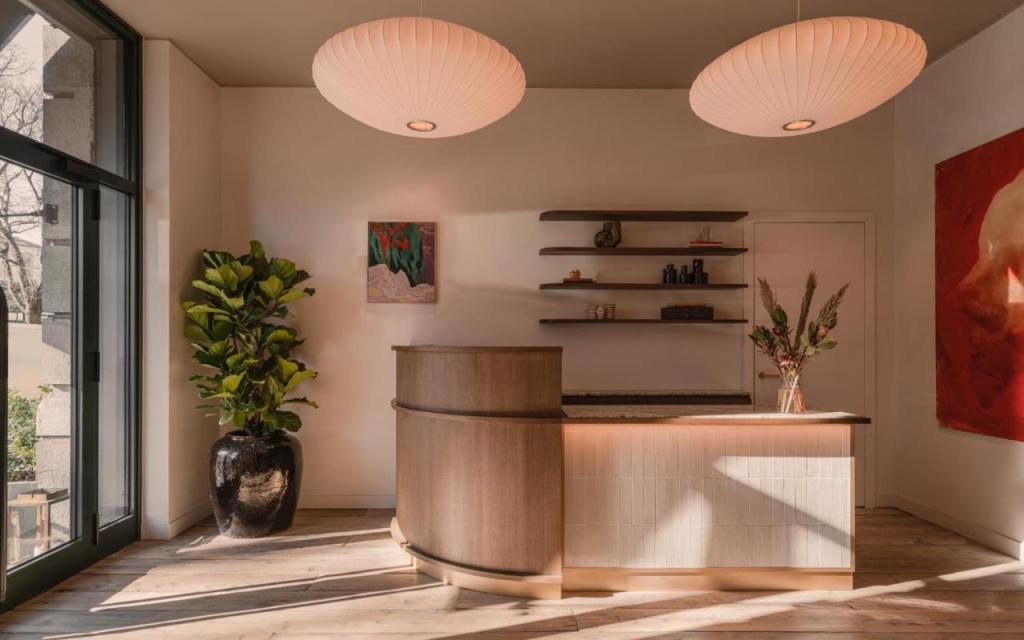
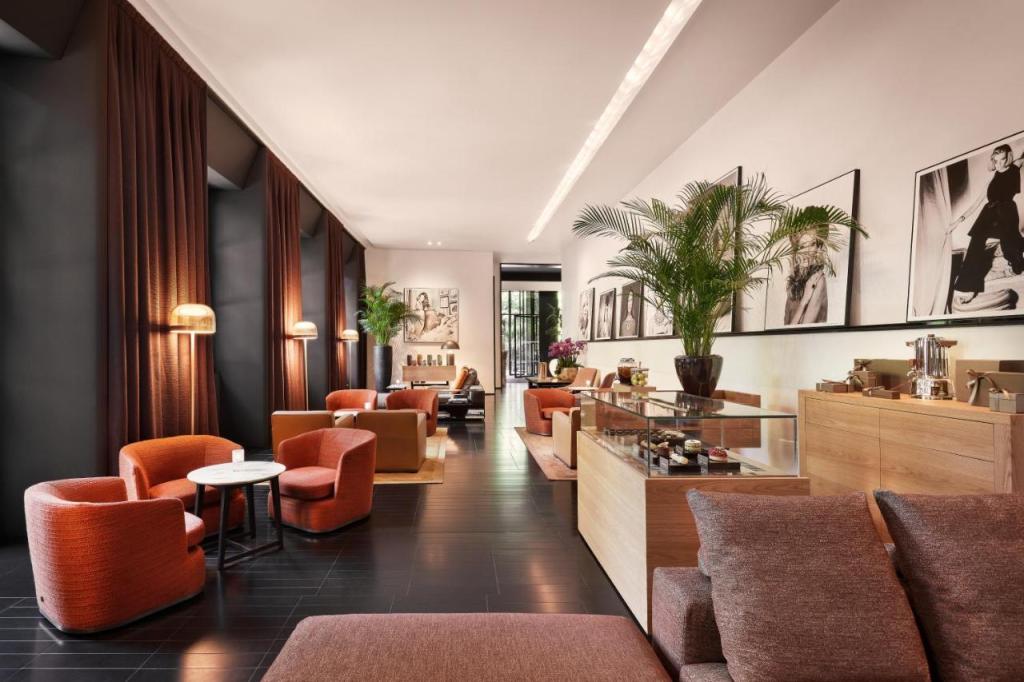
Suite typologies in Lombardy reflect this architectural inheritance. Lake suites in historic villas often feature original frescoed ceilings, inlaid floors, and furniture that is genuinely antique rather than reproduction. In Milan, the dominant register is contemporary Italian design, with suites referencing the Milanese tradition of rigorous material selection and spatial restraint. Both approaches are valid; they serve different expectations and different types of traveler.
Spa culture is well developed across Lombardy's premium properties, with thermal facilities particularly notable around Lake Garda, where the Sirmione thermal springs have been in use since Roman antiquity. Michelin-starred dining is embedded in the luxury hotel ecosystem across the region, from lakeside restaurants to urban fine-dining rooms in Milan.
How to choose the right luxury suite in Lombardy
The first consideration is architectural preference: do you want a property embedded in history, with all the character and occasional constraint that implies, or a contemporary structure with the clean spatial logic of modern Italian design? Both are available in Lombardy at the highest level.
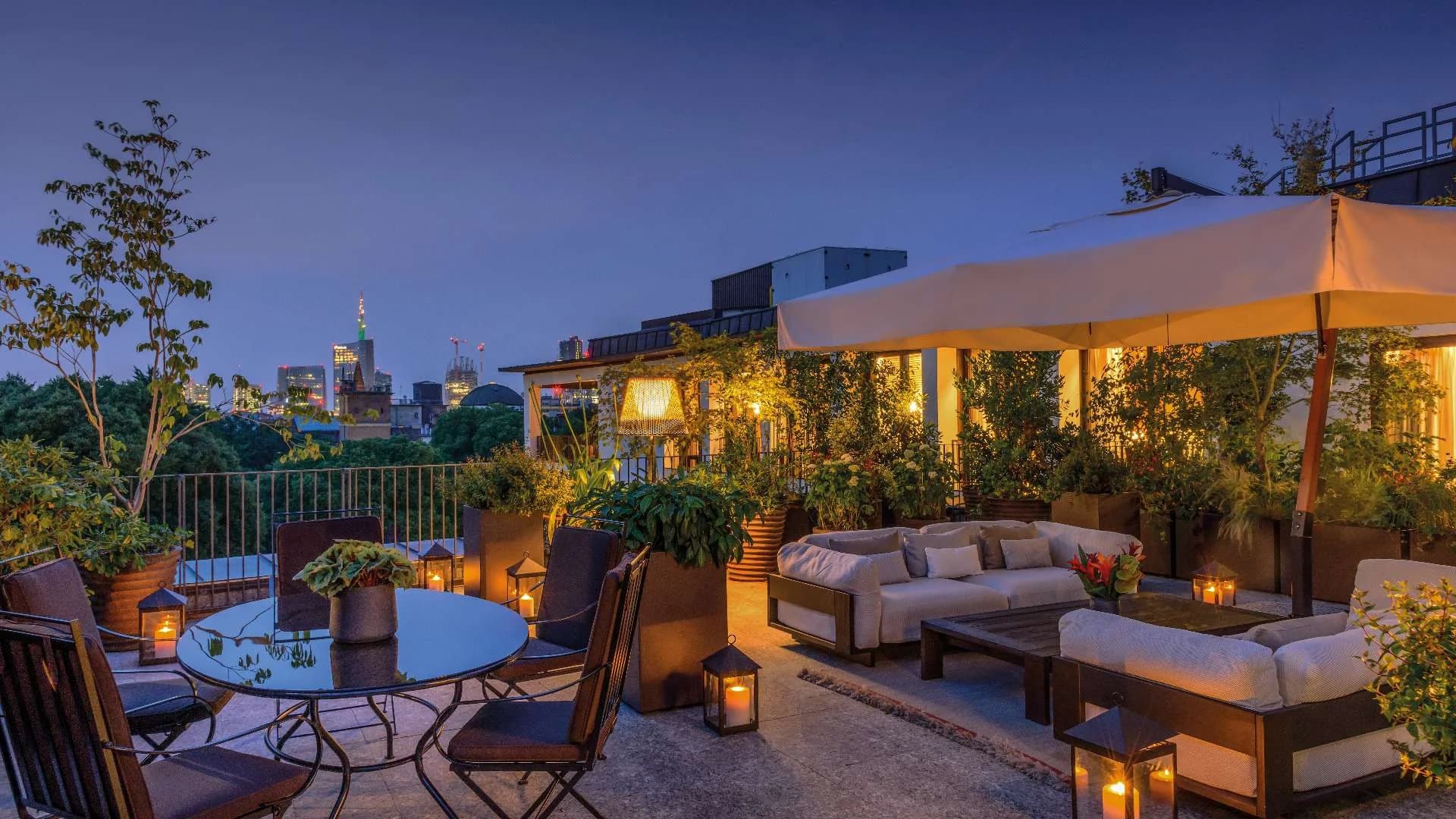
The second consideration is orientation. On the lakes, suite exposure matters considerably. A west-facing terrace on Lake Como will receive afternoon light but may face into prevailing summer heat. An east-facing position captures morning clarity over the water. These are not trivial distinctions when the suite terrace is a primary living space.
The third consideration is access and mobility. Lake Como's road infrastructure is narrow and can be slow in peak season. Some of the most exceptional properties are best reached by private boat transfer, which itself becomes part of the arrival experience. In Milan, proximity to the metro network or the availability of a hotel car service will affect the practical utility of the location.
Privacy is a meaningful variable on the lakes, where some historic properties share waterfront access with public areas or neighbouring villas. Understanding the actual degree of enclosure a suite offers, both visually and acoustically, is important before committing.
The value of a curated selection in Lombardy
Lombardy's hotel market is large and uneven. The region supports dozens of properties that present themselves at the luxury level, but the actual gap between the best and the merely adequate is considerable. Marketing materials across the category tend to converge on the same vocabulary and the same visual register, which makes independent differentiation difficult for even experienced travelers.
La Suite approaches Lombardy with the same editorial discipline it applies to every destination: properties are assessed on the actual quality of their suite offering, the spatial generosity of the rooms, the coherence of the design, the quality of service architecture, and the integrity of the location claim. A hotel that markets a suite as a lake view property but delivers a partial view through a side window does not meet the standard.
For a region as celebrated and as commercially competitive as Lombardy, curation by La Suite removes the research burden and the risk of a misaligned choice. The result is a selection where every listed property has been assessed against a consistent and uncompromising framework.