Where to stay in Catalonia for a luxury suite experience
The Costa Brava
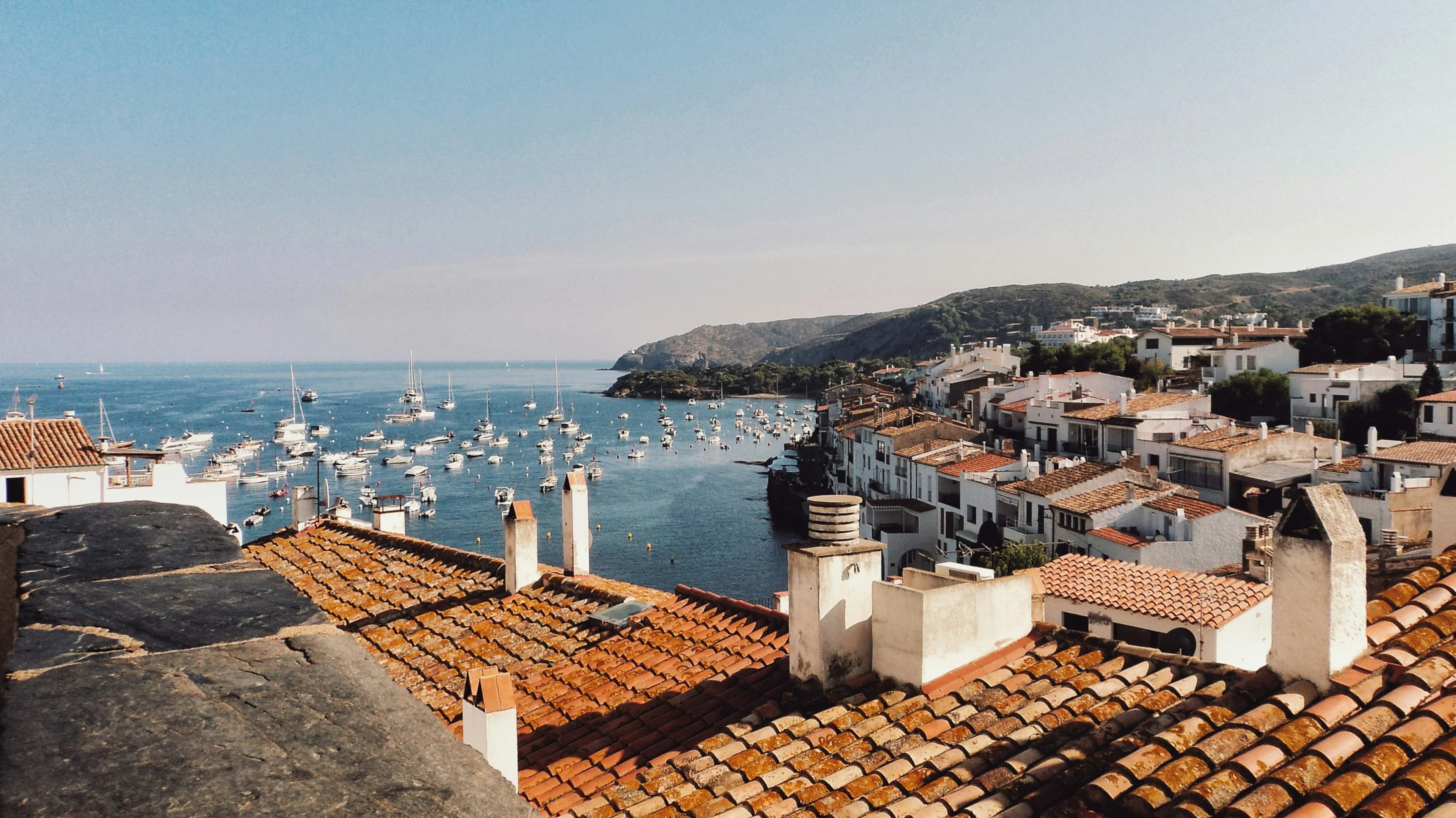
The Costa Brava stretches along the northeastern Mediterranean coast, from Blanes to the French border. Its appeal is geological: steep pine-covered cliffs descend directly into clear water, and the coves are small enough to feel private. The towns of Begur, Tamariu, and Cadaqués have attracted artists and architects since the mid-twentieth century, and that legacy of aesthetic discernment persists in the hospitality offer. Luxury hotels here tend to prioritise natural materials, sea-facing terraces, and a controlled restraint that suits the landscape. This is where a suite with a direct sea view carries genuine spatial weight.
The Empordà plain and wine country
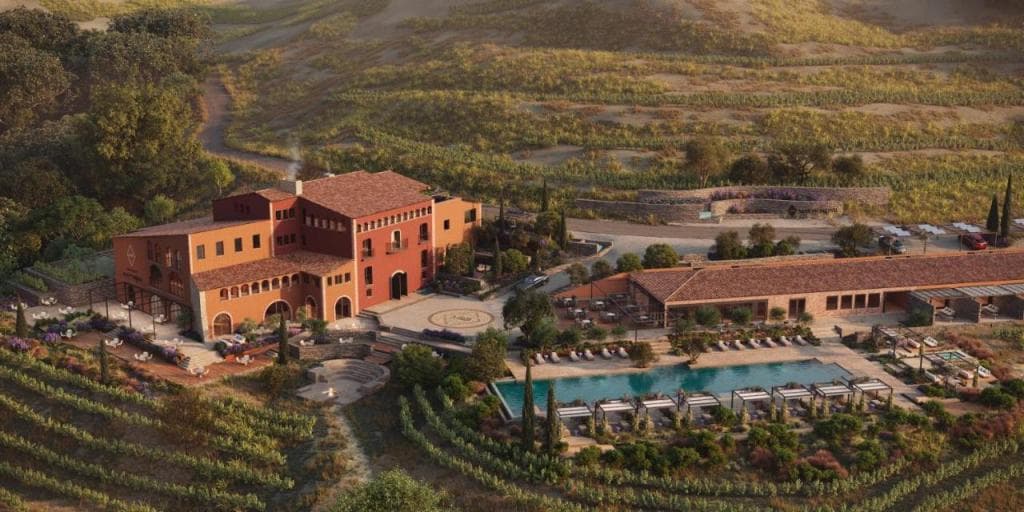
Inland from the Costa Brava, the Alt and Baix Empordà plains form one of the most quietly prestigious rural territories in southern Europe. The Tramuntana wind, the medieval stone villages, and the proximity to the French border create a cross-cultural sensibility. This is Dalí country, and the region's relationship to surrealism and contemporary art runs deep. Luxury properties here often occupy restored masies, the traditional Catalan farmhouses, and position themselves around gastronomy, wine, and land. Staying here means access to some of Spain's most serious restaurant destinations without the density of a coastal resort.
The Pyrenees and Val d'Aran
Northern Catalonia rises into the Pyrenees, and the Val d'Aran sits at the highest point: a small Occitan-speaking valley with its own language, its own microclimate, and a ski resort at Baqueira-Beret that draws a consistently affluent Spanish and international clientele. The luxury hotel offer in this area is oriented around mountain architecture, thermal wellness, and snow-season exclusivity. A suite in the Val d'Aran in winter operates in a different register from coastal travel: slower, more physical, oriented around firelight and altitude.
Barcelona and the metropolitan surroundings
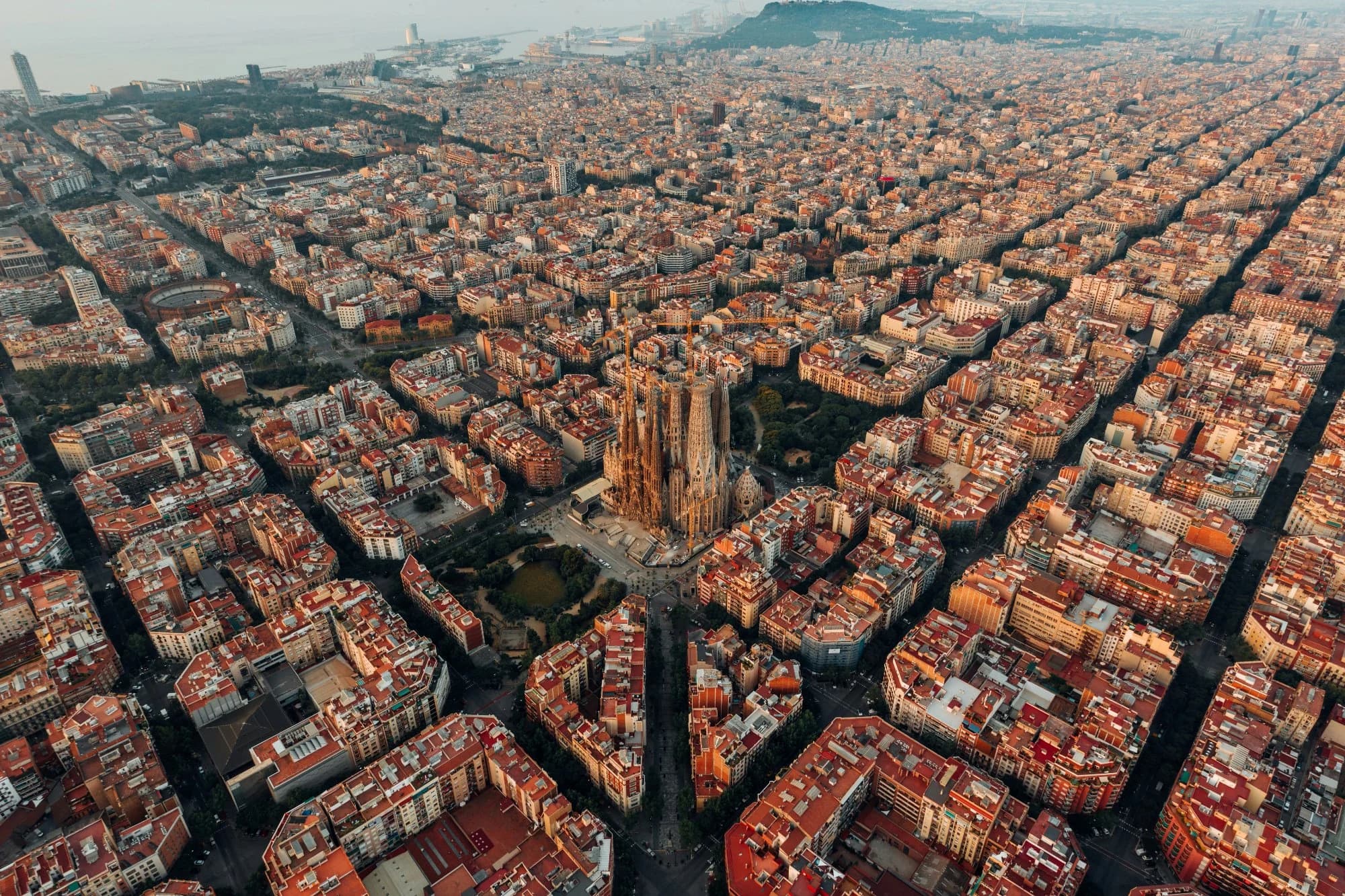
Barcelona functions as Catalonia's capital and its primary entry point for international travelers. The city's architecture spans Romanesque, Modernista, and contemporary, and the premium hotel offer reflects that range. However, this page focuses on Catalonia as a region. The coast and interior deserve equal attention from travelers who arrive in Barcelona and then move outward.
When to visit Catalonia for a suite stay
Catalonia's climate varies significantly by zone. The coast follows a Mediterranean pattern with dry summers and mild winters. The interior can be hotter in summer and colder in winter. The Pyrenees operate on an alpine calendar.
For coastal stays along the Costa Brava, the period from late May through June and again in September offers the most favorable conditions: warm water, reduced occupancy, and a more considered pace at hotels. July and August represent peak season, when suite availability at top properties narrows considerably and pricing reaches its annual high.
The Empordà and wine country reward visits in autumn, particularly October and November, when the vendimia (grape harvest) defines the local calendar and temperatures become genuinely comfortable for long meals and outdoor walks. Spring, from March to May, is equally compelling for rural stays.
The Val d'Aran and Pyrenean properties typically operate a dual-season model: winter (December to March) for snow sports, and a shorter summer window (July to August) for hiking and mountain wellness. Suite availability at top mountain hotels during the Christmas and New Year period requires planning well in advance.
Catalonia hosts several culturally significant events that affect the travel calendar. The Grec Festival in Barcelona runs through July. The Temporada Alta festival in Girona takes place in autumn and draws a culturally engaged audience. The Primavera Sound music festival, now established as one of Europe's most design-conscious events, typically occupies late May or early June.
Understanding luxury standards in Catalonia
Spain operates a national hotel classification system based on star ratings, but the star system does not fully capture the distinctions that matter to a traveler seeking the finest suites. The most meaningful local reference is the category of Gran Lujo, which sits above the five-star standard and corresponds to a combination of space, service ratio, gastronomic offering, and architectural significance.
Catalonia also has a significant tradition of Relais et Châteaux properties, particularly in the rural Empordà and Costa Brava areas. These properties tend to be smaller, owner-managed, and oriented around the table as much as the room. The suite offer in these hotels is often limited in number, which makes advance curation essential.
In the mountain zone, the concept of luxury shifts toward thermal infrastructure, snow-season service, and the quality of the physical envelope. A well-designed suite in the Pyrenees will prioritize insulation, materiality, and views of altitude rather than the sea-facing terraces that define coastal prestige.
What distinguishes the best Catalan luxury hotels from their European counterparts is often the integration of gastronomy. Catalonia has the highest concentration of Michelin-starred restaurants in Spain, and several of the finest dining experiences in the country are attached to or closely associated with hotel properties. When selecting a suite in this region, the culinary dimension is not incidental: it is structural.
How to choose the right suite in Catalonia
The first consideration is landscape orientation. Catalonia's territories are distinct enough that a traveler should define their primary register before choosing a property: coast, countryside, mountain, or urban. Each calls for a different kind of suite and a different kind of day.
The second consideration is architecture. Catalonia has a particularly rich inventory of historically significant buildings that have been converted into hotels: Gothic palaces in medieval towns, modernista villas on the coast, and stone masies in the agricultural interior. A suite inside a fourteenth-century structure operates differently from one in a purpose-built contemporary hotel. Neither is superior, but they serve different intentions.
The third consideration is season. As noted above, the peak summer window compresses availability at the finest properties and concentrates traveler density. Traveling in shoulder season, particularly on the coast and in the countryside, often produces a materially better experience at a comparable price point.
Finally, suite size and configuration matter in Catalonia more than in some other destinations because the region rewards long stays. If the intention is to use the hotel as a base for day excursions to archaeological sites, vineyards, or coastal villages, then the quality of the living space becomes a daily point of return rather than simply a place to sleep.
Why a curated selection by La Suite makes a difference in Catalonia
Catalonia's luxury hotel market is fragmented across geography, category, and positioning. A traveler arriving without prior knowledge of the region faces a landscape that mixes exceptional properties with lesser ones, often at similar price points and with similar visual presentation online.
La Suite applies a consistent editorial standard to its selection. Every property in the Catalonia collection is assessed on suite quality, spatial integrity, service architecture, and the coherence between what is promised and what is delivered. The result is a curated selection that removes the noise and allows the traveler to make a decision based on genuine distinctions.
In a region as varied as Catalonia, where the right choice depends on season, landscape preference, and travel purpose, that curation is not a convenience. It is the starting point for a trip that works.