Bedford Lodge Hotel & Spa, Newmarket
Set amid rose gardens, this peaceful hotel has luxurious modern facilities and its architecture dates back to the 17th century. Excellent cuisine is served in the award-winning Squires Restaurant. Bed

Cambridgeshire is not a homogeneous destination. Its character shifts considerably as you move from the urban density of its university city to the open, sky-dominated fenland to the north and east, and then south toward the gentle chalk hills and affluent villages that border Hertfordshire. Each of these zones carries a different quality of stay, and choosing correctly matters for the discerning traveller.
11 hotels available

Set amid rose gardens, this peaceful hotel has luxurious modern facilities and its architecture dates back to the 17th century. Excellent cuisine is served in the award-winning Squires Restaurant. Bed

Clayton Hotel Cambridge is located in the vibrant new city quarter of Cambridge, 1-minute walk from the railway station and 1 mile from the city center. Clayton Hotel Cambridge features a double heigh

Graduate Cambridge has a restaurant, bar, a shared lounge and garden in Cambridge. Boasting family rooms, this property also provides guests with a terrace. The accommodations features a 24-hour front

Hilton Cambridge City Center is located 1969 feet from the city center, with many of the city's attractions, shopping areas, cobbled streets, architecture, the River Cam and historic colleges within w

Comfortable Accommodations The Fellows House Cambridge offers family rooms with air-conditioning, private bathrooms, and modern amenities. Each room includes a tea and coffee maker, refrigerator, and

Set in its own award-winning gardens, The Haycock Manor Hotel is located in the village of Wansford on the edge of the A1 Motorway. Offering a restaurant and bar, it is 6 miles from Stamford and 8 mil

The Kingfisher Pub & Hotel is a riverside pub with rooms located on the River Great Ouse, just 9.9 miles from the M1 and 8.1 miles from A1. The tranquil setting offers views of the River Great Ouse an

Historic Setting The Old Hall Ely in Ely offers a 5-star experience within a historic building. Guests enjoy a sun terrace and a beautiful garden, complemented by free WiFi throughout the property. Co

Located in the center of Cambridge, with valet parking near the edge of the River Cam, The Varsity Hotel and Spa offers modern rooms, and an impressive rooftop terrace with uninterrupted views. Each r

Within the historic Burghley Estate, The William Cecil features unique rooms with original features, and Egyptian cotton sheets. Its restaurant serves fresh, seasonal food. Rooms at The William Cecil

University Arms, Cambridge, offers 192 rooms and suites, with views over Parker’s Piece, historic Regent Street, and the hotel’s inner courtyard. Conveniently located in the Cambridge City Center dist
The area immediately surrounding the historic university offers the greatest concentration of heritage properties. Georgian townhouses converted into boutique hotels and country houses on the urban fringe provide proximity to the colleges, museums, and river without sacrificing privacy. For those prioritising landscape over culture, the southern villages (Grantchester, Trumpington, and the Cam valley corridor) offer a quieter countryside register, where proximity to the city remains practical but the immediate environment feels genuinely rural.
The fenlands to the north, around Ely and the Isle of Ely, represent a different proposition entirely. This is one of England's most singular landscapes: flat, vast, and luminous in a way that rewards the architecturally and artistically curious. Accommodation here tends toward the converted and the historic rather than the purpose-built luxury hotel. The cathedral city of Ely itself, compact and ancient, anchors this zone with its own sense of monumental calm.
The county's calendar is anchored by the academic year, and this shapes both the atmosphere and the practical experience of visiting. The periods outside full term, particularly late June through August and the Christmas interval, tend to offer the most accessible version of the city centre, with colleges more open to visitors and the river less crowded.
Late spring, from May into early June, represents the county's most photogenic season. The Backs, the stretch of parkland and river behind the older colleges, are in full colour, and the light quality in the fens during this period is notable. The Cambridge May Week, which takes place in June rather than May, brings a concentrated social calendar of formal events, garden parties, and outdoor performances. Securing a suite during this period requires early planning, as demand among family and alumni visitors is significant.
Autumn provides a cooler, more contemplative atmosphere that suits the county's intellectual character. The academic year resumes in October, and with it comes a particular energy. For travellers who prefer quieter streets and a more introspective pace, the period from September through November is well-suited to an extended stay in the county.
England does not carry the formal designation system found in France, where the Palace label signals a codified tier of excellence. Instead, the hierarchy of luxury hotels in England is expressed through a combination of AA rosette and star ratings, membership in groups such as Relais and Chateaux or Small Luxury Hotels of the World, and the accumulated reputation of individual properties.
In Cambridgeshire specifically, the luxury hospitality landscape tends toward the country house hotel model rather than the large urban flagship. These are often converted manor houses or Georgian estates, carrying period architecture, parkland grounds, and a service register that prioritises discretion over spectacle. The best suites in these properties typically occupy the principal floor of the original house, with high ceilings, original fireplaces, and outlooks over managed grounds or countryside.
For travellers accustomed to the flagship properties of London, Paris, or New York, the scale will feel intimate rather than grand. This is not a deficiency. The Cambridgeshire version of luxury is calibrated to the county's character: considered, historically grounded, and quietly assured. The finest suites here offer a spatial generosity and an absence of anonymity that larger urban hotels rarely achieve.
Several considerations specific to this county should inform the selection process. Architecture is the first. Properties in and around the historic centre are often listed buildings with significant restrictions on structural alteration. This means that the finest rooms will carry original features, including sash windows, ornate plasterwork, and period proportions, but modern additions such as wet rooms or open-plan bathing areas may be less common than in purpose-built luxury hotels elsewhere.
Position matters considerably. A suite overlooking a college garden or the river carries a sensory register that a nominally equivalent suite in a business-facing property cannot replicate. Given the relatively compact geography of Cambridgeshire's luxury offer, the difference between an exceptional suite and a merely comfortable one often comes down to outlook and light.
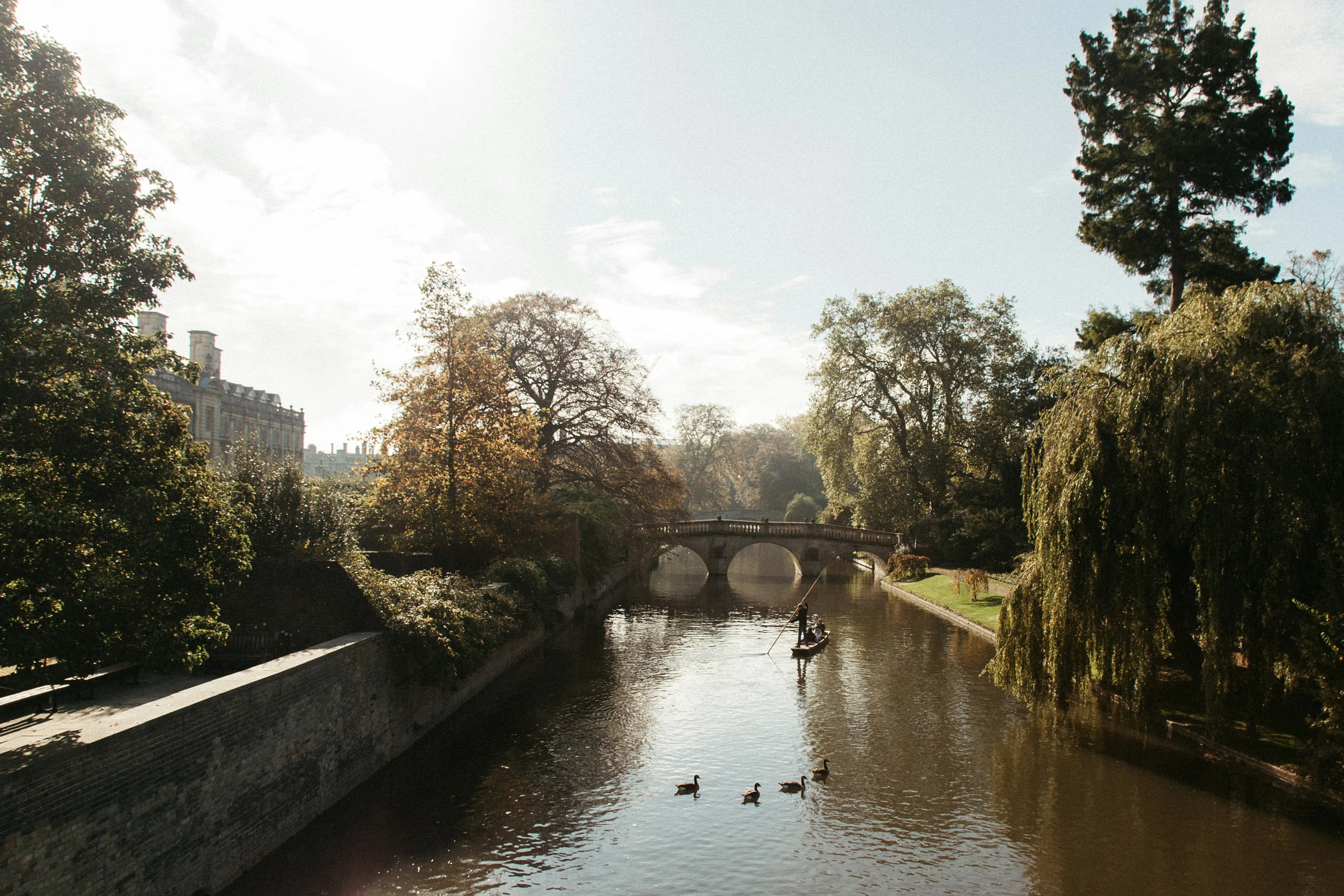
Access to private outdoor space is a differentiator worth examining. Country house properties typically offer garden terraces, croquet lawns, or parkland walks directly from the property. For families or couples prioritising outdoor living alongside cultural access, this element elevates the stay considerably. Finally, consider the proximity to the key experiences: punting on the Cam, access to the Fitzwilliam Museum, dining at restaurants with serious culinary credentials, and day access to villages such as Lavenham or Audley End are all relevant to itinerary planning.
The luxury suite market in Cambridgeshire is neither vast nor immediately legible from general travel platforms. The county does not have the hotel density of a major capital, which means that the gap between an exceptional stay and a disappointing one is narrower and easier to fall into without specific knowledge. Generic booking platforms return results ranked by volume of reviews and commercial priority, not by suite quality, design, or spatial experience.
La Suite approaches this differently. The selection process evaluates each property on the specific merits of its suite offer: proportions, outlook, service architecture, and the coherence between the room and its surrounding context. In a county where the right choice might be a single manor house thirty minutes from the city rather than the most visible hotel in the centre, that granularity of curation is the difference between a forgettable stay and one that defines the trip. The curated selection by La Suite removes the noise and surfaces the suites that genuinely perform at this level in Cambridgeshire.

The area surrounding the historic university city offers the greatest concentration of heritage properties with prestige suites, particularly along the river and on the urban fringe. The southern villages such as Grantchester provide a quieter countryside setting while maintaining easy access to cultural attractions. The cathedral city of Ely offers a more remote and contemplative option within the county.
Late spring, from May into June, offers the most appealing combination of light, landscape, and cultural activity, though demand is high during the Cambridge May Week in June. Autumn from September through November provides a more reflective atmosphere with lower competition for suites. Visiting outside full academic term generally allows easier access to the colleges and a calmer pace overall.
The luxury hotel offer in Cambridgeshire is anchored primarily in the country house model: converted Georgian or period manor houses with parkland grounds, high ceilings, and original architectural features. These properties tend to prioritise discretion and intimate scale over the grand flagship format found in major cities. The finest suites in these buildings occupy principal floor rooms with period proportions and countryside or garden outlooks.
Country house properties in the county are well-suited to family stays, offering private outdoor space, parkland grounds, and a level of spatial generosity that urban hotels cannot match. Many properties can configure interconnecting rooms or larger suite arrangements on request, providing the privacy that families with children require. The county's mix of cultural, outdoor, and historical experiences also makes it a practical base for multi-generational visits.
Cambridgeshire suites are typically more intimate in scale than flagship London properties, with a stronger emphasis on period architecture, natural outlook, and individualised service. What they lack in the amenity density of a large urban hotel, the best properties compensate for through spatial quality, privacy, and a direct connection to landscape that London cannot offer. Travellers seeking anonymity and spectacle will find London more suited to those needs; those prioritising calm, design coherence, and historical context will find Cambridgeshire rewarding.
Outlook and natural light are primary considerations, as the difference between a suite overlooking a college garden or open countryside and one facing an internal courtyard is significant. Access to private outdoor space, particularly terraces or direct garden access, is a meaningful differentiator in this county. The architectural character of the building itself, whether listed Georgian, Victorian country house, or contemporary conversion, will also determine the sensory register of the stay.
The county sits at a practical geographic midpoint for exploring the broader region, with Ely, Bury St Edmunds, and the Norfolk Broads all reachable within an hour or two by road. For travellers combining a cultural visit to the university city with coastal or rural experiences in Suffolk or Norfolk, a suite in a well-positioned Cambridgeshire property can serve as an efficient and comfortable hub. The county's road and rail connections to London also make it viable as an extension of a wider English itinerary.
The better country house properties in the county maintain restaurants with serious culinary credentials, often holding AA rosettes and drawing on regional produce from the fens, the Cam valley, and surrounding farmland. Some properties offer in-suite dining for guests who prefer privacy over the restaurant setting. The county also has access to exceptional standalone restaurants within a short drive, which a well-briefed concierge team will be positioned to facilitate.
Suite pricing in Cambridgeshire's top-tier properties generally reflects the intimate scale and heritage character of the offer rather than the premium commanded by equivalent suites in London or international flagship destinations. Rates vary considerably by season, with the May Week period and summer months typically carrying the highest demand pricing. Specific rate information for each curated property is available through the La Suite platform, where selection is based on suite quality rather than commercial ranking.
La Suite evaluates properties on the specific quality of their suite offer, considering spatial proportions, architectural coherence, outlook, service architecture, and the overall experience of staying in that particular room rather than the hotel's general reputation. In a county with a relatively concentrated luxury hotel market, this level of specificity is essential to identify the suites that genuinely perform at the highest level. The curated selection by La Suite removes the need for extensive independent research and surfaces only the properties that meet the editorial standard.