Where to stay in Essex: the county's distinct luxury territories
The north: Constable Country and the Stour Valley
The northern border of Essex meets Suffolk along the River Stour, in the area long associated with the painter John Constable. This is a landscape of managed fields, ancient hedgerows, and villages whose architecture has changed little since the seventeenth century. Dedham, Nayland, and the surrounding hamlets form a corridor where country house hotels operate at a measured pace. Guests here tend to prioritise discretion, walking access to protected countryside, and interiors that reference the local vernacular without pastiche. A luxury hotel suite in this part of Essex will typically sit within converted historic buildings, offering views over fields or private walled gardens rather than manicured resort grounds.
The west: proximity to London and the Epping Forest corridor
Western Essex functions as a transition zone between Greater London and open countryside. The presence of Epping Forest, one of the largest ancient woodlands in south-east England, gives this corridor a scale that surprises visitors arriving from the city. Properties here benefit from the forest's visual weight and the area's network of quiet lanes. For travellers who need to remain within reach of London while occupying more space and privacy than the capital's hotels allow, this zone offers a practical and architecturally interesting alternative.
The coast: estuaries, saltmarsh, and the Thames estuary edge
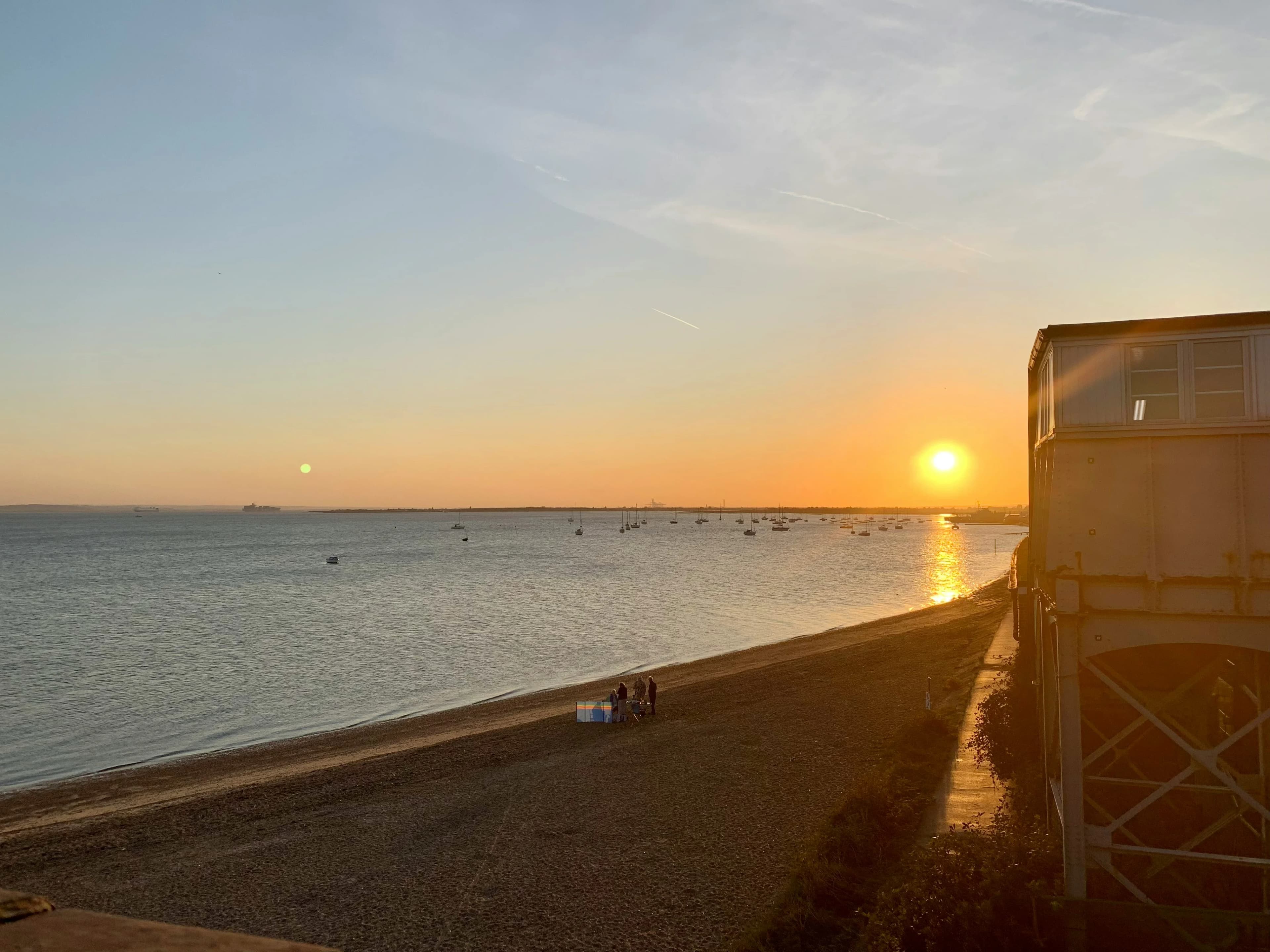
Essex has more coastline than any other English county, a fact that is rarely marketed and frequently underestimated. The estuaries of the Blackwater, the Colne, and the Crouch create a fragmented, atmospheric edge that is unlike the chalk cliffs of Kent or the sandy beaches further north. Towns such as Mersea Island, Burnham-on-Crouch, and Maldon sit within this saltmarsh geography. Coastal stays in Essex tend toward intimacy rather than spectacle: the light is flat and wide, the scale is horizontal, and the sensory experience is defined by tidal rhythms rather than resort amenity.
When to visit Essex for a luxury stay
Essex has a continental-influenced climate by English standards, with lower rainfall than the national average and warm, dry summers. The county sits in the driest part of England, a consequence of its easterly position and the shelter provided by higher ground to the north and west.
Late spring (May to June) and early autumn (September to October) represent the most considered windows for a high-end visit. The light is clear, the countryside is at its most legible, and major cultural events tend to concentrate in these periods. The Chelmsford City Race Course hosts significant flat-racing fixtures through the summer. The Colchester Food and Drink Festival in September draws producers and chefs from across East Anglia. The area around Saffron Walden hosts periodic antiques fairs that attract collectors from London and beyond.
Winter in Essex rewards guests who appreciate quietness. The estuaries and saltmarshes are at their most elemental between November and February, with migrating wildfowl and reduced visitor pressure. Country house properties in the north of the county often operate at lower occupancy during this period, which can translate to greater attention and more flexible suite configurations.
Understanding luxury standards in Essex
Essex does not operate within a single prestige classification system in the way that France's Palace designation or Italy's historic relais networks do. English hotel grading, administered through systems such as the AA star rating, provides a baseline but does not fully capture the experiential register of the county's finest properties.
The more relevant markers of quality in Essex are architectural provenance, estate continuity, and the relationship between a property and its land. A Georgian manor house that has been in continuous use as a hotel for several decades carries a different character from a recently converted farmstead, even if both offer comparable suite specifications. Guests who understand English country house culture will recognise the difference between properties that have absorbed their landscape over time and those that have been designed to simulate that effect.
At the top of the market, Essex properties compete with comparable hotels in Oxfordshire, Suffolk, and Kent. The county's relative obscurity within luxury travel circuits can work in favour of the guest: rates tend to be more considered than in better-publicised English countryside destinations, and the absence of coach-tour footfall preserves an atmosphere of genuine privacy.
How to choose the right suite in Essex
Several practical considerations shape the suite selection process in Essex specifically.
First, the county's geography means that driving is almost always necessary. Unlike urban hotel suites where walkability is a metric, suites in Essex should be evaluated in relation to specific destinations: a suite near Dedham is well-positioned for the Stour Valley but inconvenient for the Blackwater coast. Guests should map their planned activities before selecting a base rather than defaulting to the most centrally located option.
Second, historic properties in Essex often have room configurations that differ significantly from floor to floor or wing to wing. Suite specifications listed online may not fully capture ceiling height, aspect, or acoustic separation. Guests with specific requirements (ground-floor access, south-facing rooms, proximity to spa facilities) should confirm these details directly with the property before arrival.
Third, Essex country house hotels vary considerably in their approach to food. Some operate destination restaurants that function as independent culinary programmes; others focus on produce-led menus that draw from the county's agricultural and maritime economy. The latter is particularly relevant in the coastal areas, where oysters from Mersea Island and fish from local day boats form the basis of serious kitchen work.
Why a curated selection by La Suite matters in Essex
Essex is not a destination where the options are immediately legible to the international traveller. The county lacks the concentrated marketing infrastructure of the Cotswolds or the Lake District, and its finest properties often occupy a quiet register that does not translate easily to standard aggregator platforms.
A curated selection by La Suite addresses this directly. Rather than presenting volume, the platform applies a consistent editorial standard to identify the properties in Essex that genuinely deliver at suite level: in terms of space, material quality, service architecture, and the relationship between the room and its setting. For travellers who have stayed in the finest luxury hotel suites globally, that standard is not negotiable. La Suite exists to make the selection process as precise as the stay itself.