Where to stay in Gloucestershire: understanding the county's distinct areas
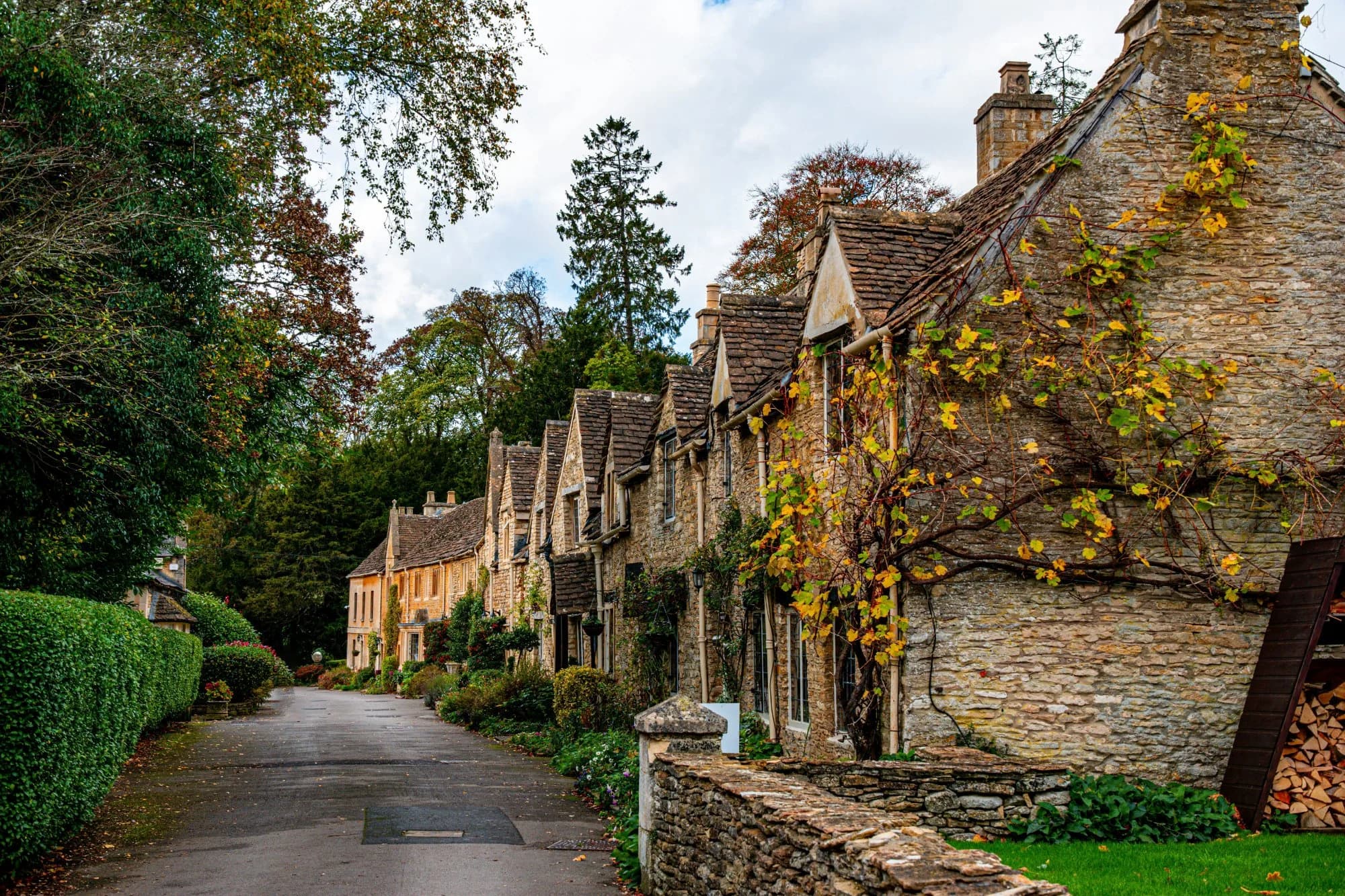
The Cotswolds, which cover the eastern and central stretches of the county, represent the most internationally recognised face of Gloucestershire. The oolitic limestone that gives villages their particular amber tone is an architectural constant here. Properties in this zone tend to occupy former coaching inns, rectories, or manor houses, and the suite experience is shaped by thick stone walls, low ceilings, mullioned windows, and fireplaces that are functional rather than decorative. The Cotswolds also contain some of England's most visited country towns, including Bourton-on-the-Water and Chipping Campden, which position this area within easy reach of cultural itineraries.
The Forest of Dean, to the west, is a different proposition entirely. This ancient royal forest bordering the River Wye has a rawer, more elemental quality. Luxury accommodation here tends toward the discreet: converted farmhouses, small-scale retreats, and properties that lean into forest and river rather than manicured grounds. Travelers who prioritise seclusion and landscape immersion over social density will find this corner of the county more aligned with their expectations.
The Vale of Gloucester and the Severn Vale occupy the lower ground between the Cotswolds and the Forest of Dean. The cathedral city of Gloucester anchors this zone, and properties in the surrounding vale often combine historic fabric with more accessible countryside. This is practical territory for those combining cultural visits with longer stays.
When to visit Gloucestershire for a luxury stay
Gloucestershire rewards visits across most of the calendar, though the character of each season is markedly different and worth considering when selecting a suite.
Late spring, from April through to early June, is widely regarded as the most resolved time to visit. The limestone landscape is at its most photogenic before summer crowds arrive in the Cotswolds. Suite availability at the county's leading country house hotels is generally good in this period, and rates, while still at a premium, are not at their absolute ceiling.
Summer, particularly July and August, represents peak demand across the Cotswolds. The most sought-after suites in established country house properties are typically reserved months in advance. The Cheltenham Festival of Music in July and the Royal International Air Tattoo at Fairford in the same month draw specific audiences, and accommodation around these events should be approached with lead time. The Cheltenham Gold Cup in March and the Cheltenham Festival in October anchor the equestrian calendar, and properties across the county fill accordingly during both.
Autumn brings a shift in atmosphere that many experienced travelers actively prefer. The light across the Cotswold escarpment in September and October is particular in quality, the crowds thin perceptibly, and the county's shooting estates begin their season. For those whose idea of a luxury stay includes access to field sports and game dinners, autumn is the correct season.
Winter in Gloucestershire is cold and, at altitude on the Cotswold ridge, occasionally severe. However, the stone villages under frost or snow have a stillness that is architecturally arresting, and certain country house hotels maintain their full program through the winter months.
Local luxury standards: what defines a top-tier suite in Gloucestershire
England does not operate a formal palace classification equivalent to France's Palaces designation, but Gloucestershire's finest properties carry markers of quality that are legible to any experienced traveler.
The country house hotel is the dominant format in this county. At its best, this means a Grade I or Grade II listed building with suites that have been restored rather than renovated, retaining period plasterwork, original fireplaces, and proportions that cannot be replicated in new build. The most serious properties in this category will offer suites with private terraces or walled gardens, butlered service, and dining that draws on the estate's own kitchen garden or nearby suppliers from the Cotswold farming community.
The AA Rosette system, the RAC and AA star ratings, and membership in collections such as Relais and Chateaux or Pride of Britain Hotels are functional markers used by properties to signal positioning. For a traveler selecting a luxury hotel suite in Gloucestershire, these affiliations indicate a baseline of service standard, though they do not replace the specificity of a curated editorial view.
Spa provision has become a standard expectation at the county's leading properties. Gloucestershire's top country house hotels increasingly offer thermal facilities, hydrotherapy pools, and treatment programs that draw on local ingredients. Suite guests at the best addresses will have access to spa facilities as part of their booking rather than as a supplementary charge.
How to choose the right luxury suite in Gloucestershire
The choice of suite in Gloucestershire is ultimately a question of architectural preference and the experience you intend to construct around the stay.
Historical fabric matters significantly here. Properties that sit within listed buildings offer suites where no two rooms are identical. A suite in a converted Tudor manor will present differently to one in a Georgian country house or a Victorian Gothic revival hotel. Understanding which period of English domestic architecture speaks to you is a practical starting point, not an aesthetic indulgence.
Consider the grounds. In the Cotswolds especially, the landscape surrounding a property is as integral to the stay as the interior. A luxury suite with a private terrace overlooking a formal garden or ha-ha is a categorically different experience from a suite with a view of an interior courtyard or car park, regardless of the interior fitout. Inspection of the specific suite's aspect and access to outdoor space is a reasonable expectation when making a selection at this price point.
Connectivity and discretion are twin considerations for the audience that tends to choose suites in this county. Many properties are explicitly positioned as retreats from professional visibility. Others, particularly those closer to Cheltenham, are structured to accommodate guests who require reliable connectivity and meeting-adjacent services. Clarifying this before booking avoids a mismatch between expectation and reality.
Access to field sports, private dining, or estate activities such as falconry, fly fishing, or horse riding should be confirmed at the point of selection if these form part of the intended program.
Why curated selection matters in Gloucestershire
Gloucestershire has a significant number of properties presenting themselves at the luxury tier, and the variation in actual quality is considerable. The historic building category in particular contains properties where the listed fabric has been incompletely restored, where service staffing has not kept pace with room pricing, or where the suite designation covers a room that is, in practice, only marginally different from a standard double.
La Suite's curated selection applies editorial criteria that go beyond star ratings or collection memberships. The result is a filtered view of the county's genuinely exceptional suites, organised to support a precise and confident decision. For travelers with limited planning time and high expectations, that specificity is not a convenience but a necessity.