Where to stay in Greater London for a luxury suite experience
Mayfair and St. James's
These two adjoining neighbourhoods in the City of Westminster represent the historical core of London's luxury accommodation offer. Mayfair's streets were laid out in the early 18th century around a network of private squares, and that grid still shapes the experience of staying there today. Properties here tend toward the formal: high ceilings, private entrances, butler services, and suites calibrated for discretion. St. James's, immediately south, sits adjacent to Green Park and St. James's Palace, and carries a particular institutional weight. Guests staying in this corridor are close to the finest tailoring ateliers, auction houses, and members' clubs in the city.
Knightsbridge and Belgravia
West of Mayfair, Knightsbridge and Belgravia offer a residential register that distinguishes them from more transient commercial districts. Belgravia's stucco terraces were developed by the Grosvenor Estate in the 1820s and remain largely intact, giving the neighbourhood an unusual spatial coherence. Suites in this part of London often occupy buildings that were originally private houses or embassy residences, lending them a domestic scale that more overtly commercial properties cannot replicate. Knightsbridge sits at the edge of Hyde Park and offers immediate access to the park's 142 hectares, a relevant consideration for travellers who value proximity to open space.
The South Bank and riverside districts
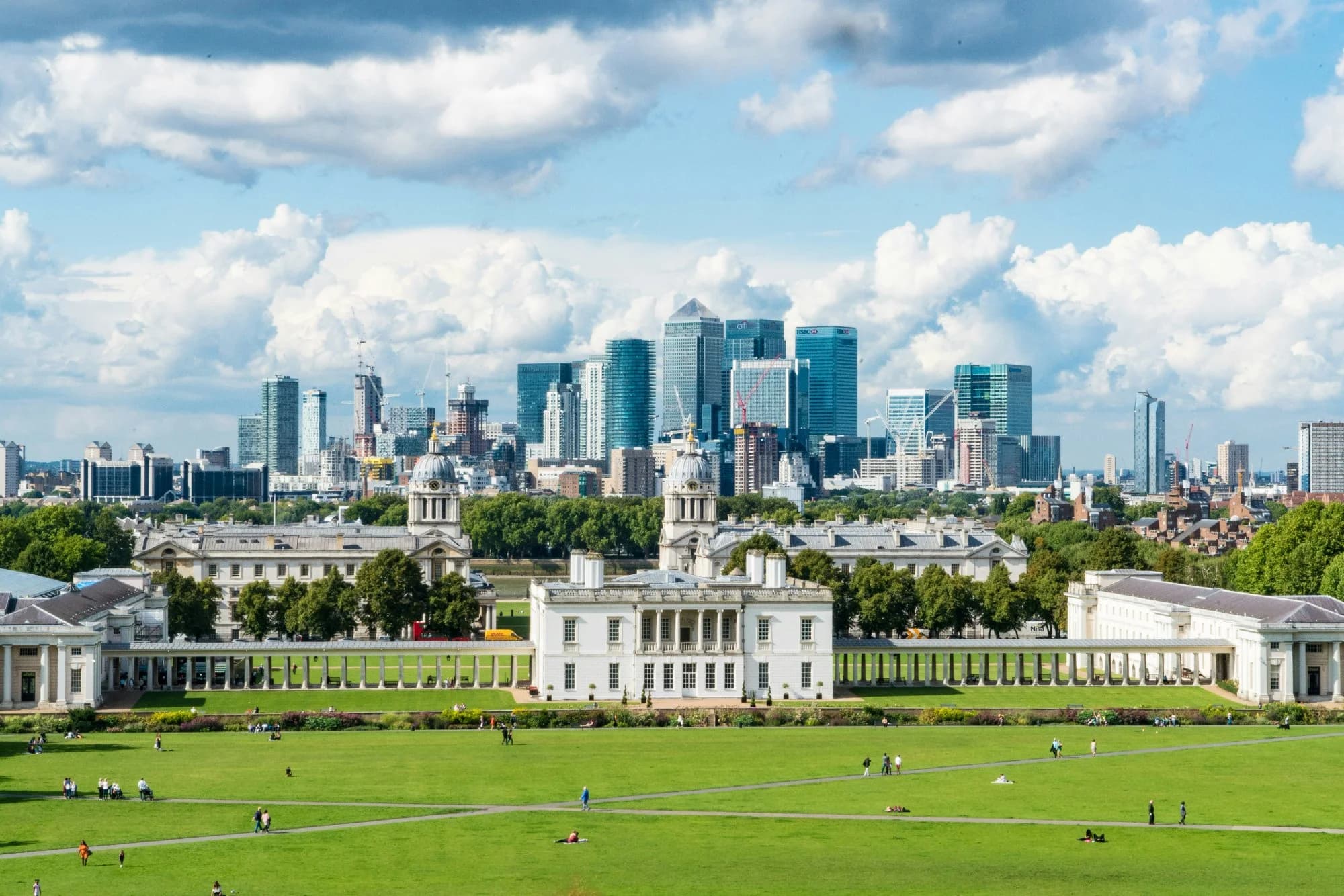
The Thames riverside corridor, from Southwark through to Battersea and beyond, has undergone sustained architectural investment over the past two decades. Suites in this area tend toward the contemporary, with river-facing orientations that offer a materially different visual experience from the denser streetscapes of the West End. The South Bank is home to the Tate Modern, the Barbican, and the Southbank Centre, making it a credible choice for culturally oriented travellers who want proximity to major institutions without the density of Covent Garden or the City.
Notting Hill and Holland Park
Moving west, Notting Hill and the adjacent Holland Park offer a quieter residential character. Suites in boutique properties here appeal to travellers seeking a less formal register, while remaining within straightforward reach of the West End by taxi or tube. The area's Victorian stucco houses and garden squares give it a particular visual identity distinct from the more formal Georgian planning of Mayfair.
When to visit Greater London and book a luxury hotel suite
London operates as a year-round destination, but the suite market responds to seasonal rhythms that are worth understanding in advance.
Late spring, specifically April through June, is widely regarded as the most favourable period for combining cultural programming with mild weather. The Chelsea Flower Show, held in late May in the grounds of the Royal Hospital Chelsea, draws an international audience and reliably tightens availability across Belgravia and Knightsbridge. The summer season from June through August is defined by events including Royal Ascot, Wimbledon, and the Proms, each generating concentrated demand in specific corridors of the city. Booking lead times for premium suites during these periods can extend to six months or more.
September and October represent a considered alternative. The cultural calendar remains active, the major summer events have concluded, and the light in London takes on a particular quality that photographers and design-conscious travellers notice. The Frieze Art Fair in October brings a significant international art market audience to the city, with corresponding demand across Mayfair and Regent's Park.
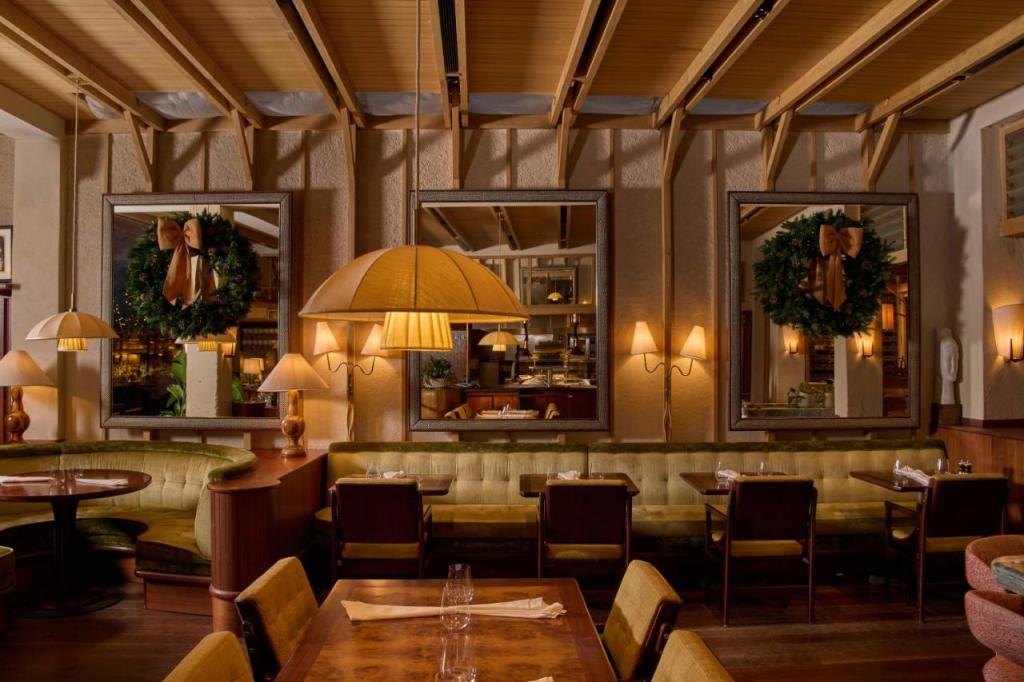
Winter, from November through February, offers the most favourable pricing conditions outside of the Christmas and New Year period. January in particular can represent genuine value for travellers with flexibility, and the city's interior culture, its restaurants, theatres, galleries, and private members' rooms, operates at full capacity regardless of season.
Understanding luxury standards in London's hotel market
London does not operate the French Palace designation, but it has its own internal hierarchy that experienced travellers recognise quickly.
The five-star category in London encompasses a significant range of product quality. At its upper register, properties offer suite configurations with separate living rooms, dedicated butler service, private dining options within the suite, and in-room amenities sourced from established London purveyors. Below that, the five-star designation may reflect service standards and public area quality without the same level of residential space or personalisation within the suite itself.
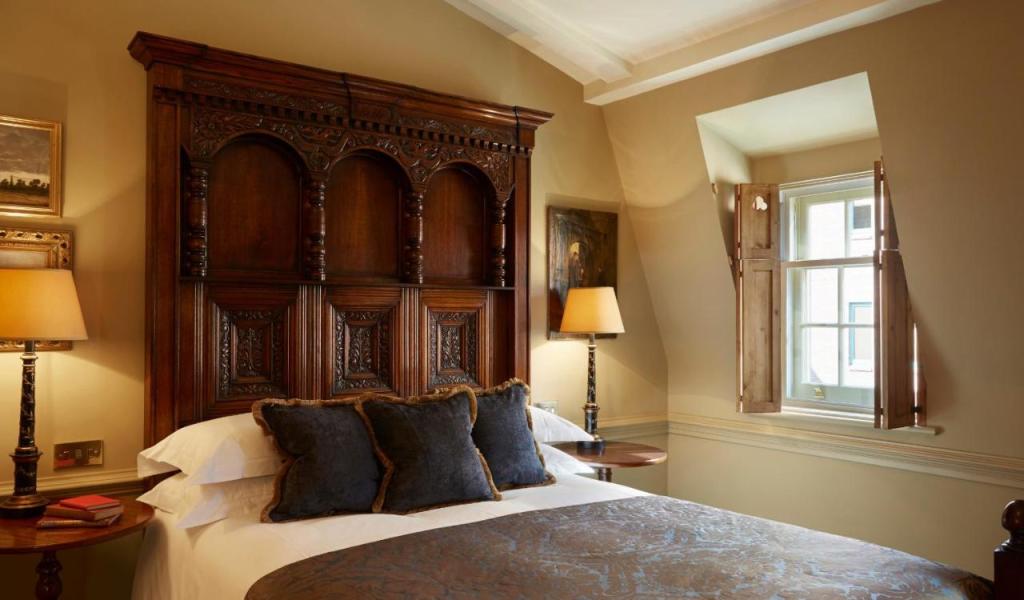
A number of London's most prestigious properties were originally constructed as private palaces, aristocratic townhouses, or purpose-built grand hotels from the Edwardian period. The architectural fabric of these buildings, their ceiling heights, their proportional room volumes, their original detailing, contributes materially to the suite experience in ways that cannot be replicated in a modern tower. Travellers who place architectural authenticity above surface-level modernity will find Greater London unusually well-supplied.
Contemporary design hotels occupy a different register. Several properties have positioned their suite offer around architectural commissions from internationally recognised designers, resulting in spaces that operate as much as design statements as they do as accommodation. This category has expanded considerably since 2010 and now constitutes a credible alternative to the established grand hotel tradition.
How to choose the right luxury suite in Greater London
Several practical considerations apply specifically to London and are worth treating as selection criteria rather than afterthoughts.
Location within the city carries significant practical weight. London's geography is not compact in the way that Paris or Amsterdam is, and positioning yourself in the wrong borough relative to your primary itinerary creates friction in a city where ground-level traffic can be materially slower than map distances suggest. Identifying whether your primary engagements are in the financial City, the West End, the museum quarter around South Kensington, or the arts corridor of the South Bank should precede, not follow, suite selection.
Floor height and orientation matter more in London than in many comparable cities, because the urban density means that lower-floor suites in certain buildings have constrained natural light. Confirming the floor and aspect of a suite before booking is a reasonable and practical step.
Suite size conventions in London tend to run smaller than equivalent price points in New York or Dubai, a product of the city's older building stock and plot constraints. Travellers accustomed to North American or Gulf region suite dimensions should confirm square footage and room configuration explicitly. A suite described as a junior suite in London may correspond more closely to a large deluxe room by other market standards.
Why a curated selection by La Suite matters in this market
Greater London's luxury hotel market is large, competitive, and not fully transparent from the outside. Marketing materials from individual properties are, by nature, optimised for conversion rather than comparative clarity. The range of what falls under the term luxury suite in this city is broader than in almost any other major destination, spanning Edwardian grand hotel rooms, converted townhouse apartments, contemporary design-led spaces, and riverside penthouses.
La Suite approaches the Greater London market as a specialist rather than as an aggregator. The selection process prioritises spatial quality, architectural coherence, service infrastructure, and placement, criteria that are difficult to assess from standard booking platforms. For travellers who treat their suite as the operational base of a London visit rather than simply a place to sleep, the difference between a well-chosen and a poorly-chosen suite is felt across every day of the stay. The curated selection by La Suite exists to close that gap.