Where to stay in Herefordshire for a luxury suite experience
The Golden Valley and the Welsh Marches
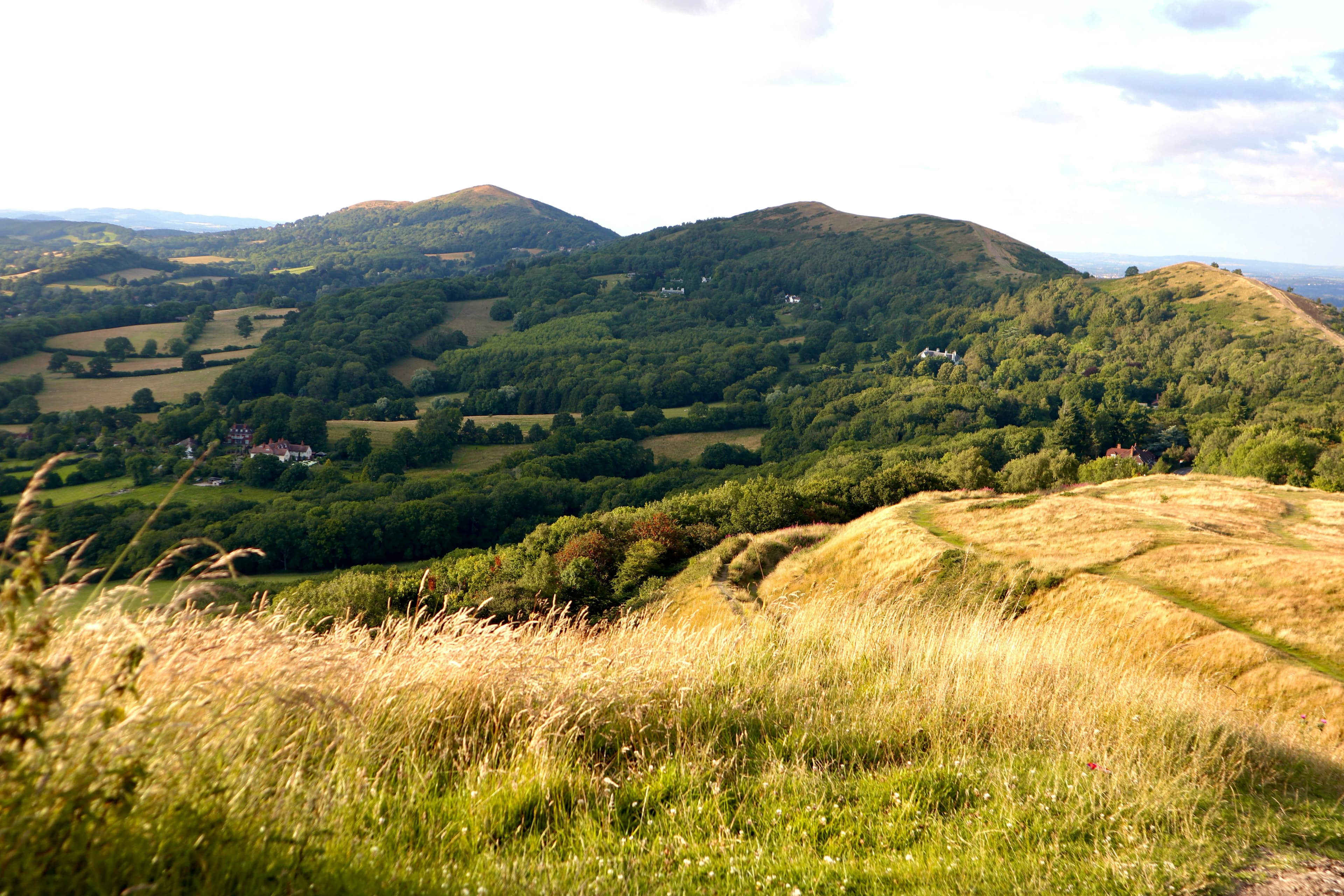
Running southwest from Hereford city toward the Black Mountains, the Golden Valley is among the quietest corridors in England. The Dore river moves through meadows and remnant orchards at a pace that feels almost deliberate. Country house hotels here tend to occupy converted manor properties, with suites positioned to draw in the agricultural panoramas directly. Guests choosing this area typically want walking access to the Marches and a base that feels architecturally rooted in the landscape.
The Wye Valley
The River Wye defines Herefordshire's eastern and southern borders with a sequence of steep wooded gorges and flood meadows. It is designated an Area of Outstanding Natural Beauty, and properties along its banks benefit from a scale of riverside drama uncommon in the English Midlands. Suites with direct water views or garden access to the river are a strong consideration here. The valley also sits within comfortable reach of Ross-on-Wye, a market town with a compact Georgian core and independent food culture that has grown considerably in quality in recent years.
North Herefordshire and the Mortimer Country
The northern edge of the county, bordering Shropshire, is sometimes called Mortimer Country after the medieval dynasty that controlled it. The landscape here is more undulating, marked by ancient ridgeways and small estate villages. Properties in this zone often carry genuine historic fabric, sometimes dating to the 15th or 16th century. For guests interested in the architectural and historical texture of a building as much as its contemporary facilities, north Herefordshire delivers a level of material authenticity that purpose-built hotel stock elsewhere cannot replicate.
When to visit Herefordshire
Herefordshire operates on an agricultural calendar, and aligning a visit with that rhythm changes the experience entirely.
Late spring, from May into early June, brings the orchards into blossom across the county. This is among the most photographically and sensorially specific periods in the English countryside, and room demand at quality properties rises accordingly. Early booking is advisable.
Autumn, particularly September through October, is cider and perry harvest season. The county produces a significant proportion of England's traditional cider, and a number of estates open their pressing operations during this period. The light in October over the Herefordshire hills has a particular amber quality that attracts photographers and landscape painters. This is also when the Abergavenny Food Festival draws visitors to the Welsh border, adding a further cultural layer to the surrounding region.
Summer in Herefordshire is temperate and relatively uncrowded compared to the Cotswolds or the Lake District. July and August offer the best walking conditions in the Wye Valley. Winter, while quiet, suits guests seeking a fully withdrawn retreat: log fires, estate walks, and near-total silence are all credible propositions in a well-chosen Herefordshire property.
Local luxury standards: what defines a high-end suite in Herefordshire
England does not operate a formal national palace designation equivalent to France's Palace label. The relevant benchmarks here are different in character. In Herefordshire specifically, the markers of genuine quality are architectural integrity, spatial generosity, and land.
The most serious properties in this county are working or former working estates: farms, rectories, manor houses, and occasionally castle complexes. A luxury suite in this context is rarely a floor of a city tower. It is more likely a converted stable wing, a main house bedroom of considerable proportions, or a freestanding lodge within an estate's grounds. En-suite bathrooms in this tier of property typically run to freestanding tubs, double vanities, and premium British bathroom hardware. Fireplaces, both decorative and functional, remain a standard expectation in this climate and architectural type.
The English country house hotel tradition is closely related to the concept of a house party: guests are expected to feel that the property has been curated for them, not that they are one of many indistinguishable bookings. This expectation of personalised attention, unhurried breakfast service, and kitchen-garden sourcing is the local equivalent of a luxury standard, and it applies fully to Herefordshire's top properties.
How to choose the right luxury suite in Herefordshire
Several practical considerations distinguish suite selection in Herefordshire from a more urban or resort-based search.
First, access. Herefordshire has no motorway and limited rail connectivity. Hereford city is served by a branch line from Newport and Worcester, but most properties outside the city require a car. Guests travelling from London should factor roughly three hours by road, or a combination of rail and onward transfer. For guests flying into the UK, Birmingham Airport provides the most practical gateway, sitting approximately 60 miles northeast of Hereford.
Second, the relationship between suite and grounds matters more here than in almost any other English county. A suite with a terrace overlooking managed parkland or an orchard is a categorically different product from one that faces an interior courtyard. Request specific room orientations and aspect details when enquiring.
Third, consider whether you want a fully serviced hotel experience or a more self-contained property. Herefordshire has both. Some of its finest properties offer breakfast service and a restaurant but operate with a small team; the experience is intimate and personal rather than operationally scaled. Others function as full country house hotels with spa facilities and formal dining. Knowing which register suits your travel intention before selecting a suite is the clearest path to satisfaction.
Why curated selection matters in Herefordshire
The luxury suite market in Herefordshire is small and not always visible through standard booking infrastructure. Several of the county's finest properties have limited online presence, maintain allocation agreements with select partners, and do not distribute rooms through mass-market channels. This is a deliberate positioning choice: exclusivity, in the English country house tradition, is maintained partly through selective distribution.
La Suite's curated selection for Herefordshire identifies properties that meet a specific threshold across space, architectural quality, kitchen sourcing, and service calibration. For guests making a considered investment in a few nights of genuine retreat, the curation exists to remove the uncertainty that even a well-researched independent search can leave. The county rewards close attention. So does the process of choosing where to stay within it.