Best areas to stay in Hertfordshire for a luxury suite experience
The Chiltern fringe and the west
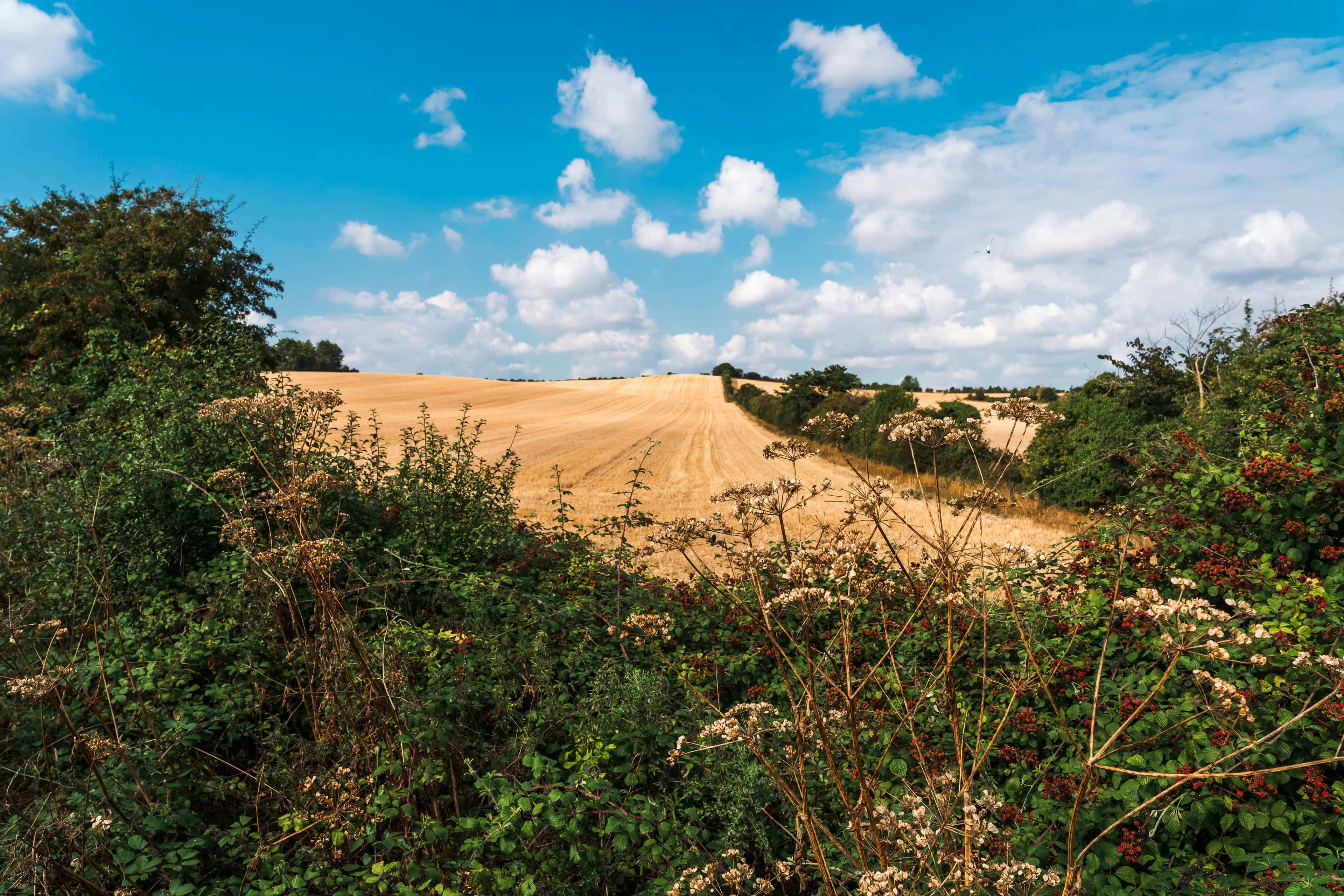
The western edge of Hertfordshire borders the Chiltern Hills Area of Outstanding Natural Beauty, where beech woodland and chalk valleys define the topography. Properties in this corridor tend to occupy former estate land, offering suites with direct countryside access and a quietness that is architectural rather than accidental. This is the part of the county most associated with long-stay retreats and wellness-focused travel.
The market towns: St Albans and Berkhamsted
St Albans carries the weight of Roman history through Verulamium, one of the most significant Roman settlements in Britain. The town's proximity to London by fast rail (under 25 minutes to St Pancras) makes it a natural base for travellers who want countryside proximity without full isolation. Berkhamsted, further west along the Grand Union Canal, offers a more intimate scale with strong independent cultural identity. Luxury accommodation in these corridors tends to prioritise architectural character over resort-style amenity.
The eastern and northern countryside
Moving north and east, the county opens into a broader, more agricultural register. Villages like Much Hadham and Sawbridgeworth have a Suffolk-like stillness. Country house hotels here tend to serve corporate retreats and private events as much as leisure travel, which shapes the suite offer toward executive proportions: large desks, separate reception rooms, and high-specification bathrooms.
When to visit Hertfordshire for a suite stay
Hertfordshire operates on a different seasonal rhythm to coastal or Alpine destinations. There is no single peak season driven by weather. Instead, the county rewards visits timed around cultural and landscape cycles.
Spring (March to May) brings the estate gardens into their most active state. Properties with formal grounds are worth booking during this period specifically for the morning light and the absence of summer crowds. Autumn (September to November) is arguably the most aesthetically persuasive season: the beech forests along the Chiltern edge change colour with precision, and the light quality across the Hertfordshire plateau becomes notably cinematic.
Summer accommodates the festival and events calendar. The Warner Bros. Studio Tour at Leavesden draws substantial international visitor traffic, and families booking luxury suites during this period should expect higher demand at properties within easy reach of the studio. The RHS Garden at Wisley (just over the Surrey border but frequently used by Hertfordshire-based guests) and the Hat Factory arts complex in Luton represent the broader cultural infrastructure.
Winter is underrated. Country house properties in Hertfordshire tend to offer strong rates between November and February, and the interior spaces, panelled rooms, open fireplaces, and spa facilities, come into their own during colder months.
Local luxury standards: what to expect from top-tier suites in Hertfordshire
England does not operate a formal palace designation equivalent to France's official Palace hotel classification. The relevant benchmarks in Hertfordshire are instead structural and historical. A grade-listed country house property, particularly one graded Grade I or Grade II by Historic England, signals architectural significance that typically corresponds to investment in suite-level accommodation.
The suite standard in Hertfordshire's leading hotels is defined by a combination of period architecture and contemporary specification. Expect original cornicing, high ceilings, and sash windows alongside bathroom fitments from British suppliers such as Lefroy Brooks or Barber Wilsons. Thread counts, mattress quality, and in-room technology have been elevated across the category over the past decade, largely in response to competition from London's hotel market, which these properties must credibly rival to justify the county's positioning as a retreat.
Spa infrastructure is a consistent differentiator. Several of the county's leading properties have invested in hydrotherapy facilities, outdoor pools, and treatment menus designed to serve multi-night stays rather than single overnight guests. This shapes the suite offer: rooms are configured for rest and recovery, not simply as a sleeping location adjacent to a conference centre.
How to choose the best luxury suite in Hertfordshire
The first distinction to make is between historical country house hotels and purpose-built resort properties. These are fundamentally different products. A converted manor house will offer irregular room configurations, period features, and a sense of place that is tied to a specific building and its history. A purpose-built resort will offer consistency, larger spa footprints, and more predictable suite layouts. Neither is categorically superior; the choice depends on what the stay is intended to deliver.
Second, consider proximity to London. Hertfordshire's appeal is partly relational: it is defined by its distance from the capital. A suite stay in a property 30 minutes from St Pancras functions differently from one 90 minutes out. The former suits short breaks with London dinners or theatre on the itinerary. The latter suits full decompression, where the point is distance itself.
Third, evaluate the grounds. In Hertfordshire specifically, the exterior space of a property is as important as the interior. A suite with private garden access, or at minimum a room that opens onto estate grounds, transforms the daily rhythm of a stay. Ask explicitly about ground-floor suite options or those with direct terrace access.
Finally, verify the service model. Some Hertfordshire country house hotels operate at close to full capacity during weekend events and weddings, which materially affects the service quality available to leisure suite guests. Midweek stays at these properties often deliver a qualitatively different and frequently superior experience.
Why a curated selection by La Suite matters in Hertfordshire
Hertfordshire has no shortage of properties marketing themselves at the upper end of the market. The category includes everything from genuine Grade I listed estate hotels to suburban conference centres with premium room tiers. The gap between these is significant, and it is not always visible from a hotel's own marketing materials.
La Suite applies an editorial filter calibrated specifically to the suite experience: architectural quality, suite-level service, spatial generosity, and the overall coherence of a stay. In a county where the luxury label is applied broadly, this curation compresses the decision process and removes the risk of a misaligned booking. The curated selection by La Suite identifies the properties where a suite stay in Hertfordshire is genuinely the right product, not simply the most expensive room in an otherwise mid-market hotel.