Where to stay in Kent: understanding the county's distinct zones
The coastal arc running from Whitstable through Folkestone to Rye (technically just across the East Sussex border, though culturally inseparable from this corner of Kent) has undergone a sustained cultural transformation over the past decade. Folkestone in particular has repositioned itself around contemporary art and architecture. The coast here is bracing and flat, the light particular to chalk and salt, and the towns retain a working quality that the more polished Cotswolds resolutely lack. Luxury suites in this zone tend to sit within boutique properties or sensitively converted buildings rather than grand country houses.
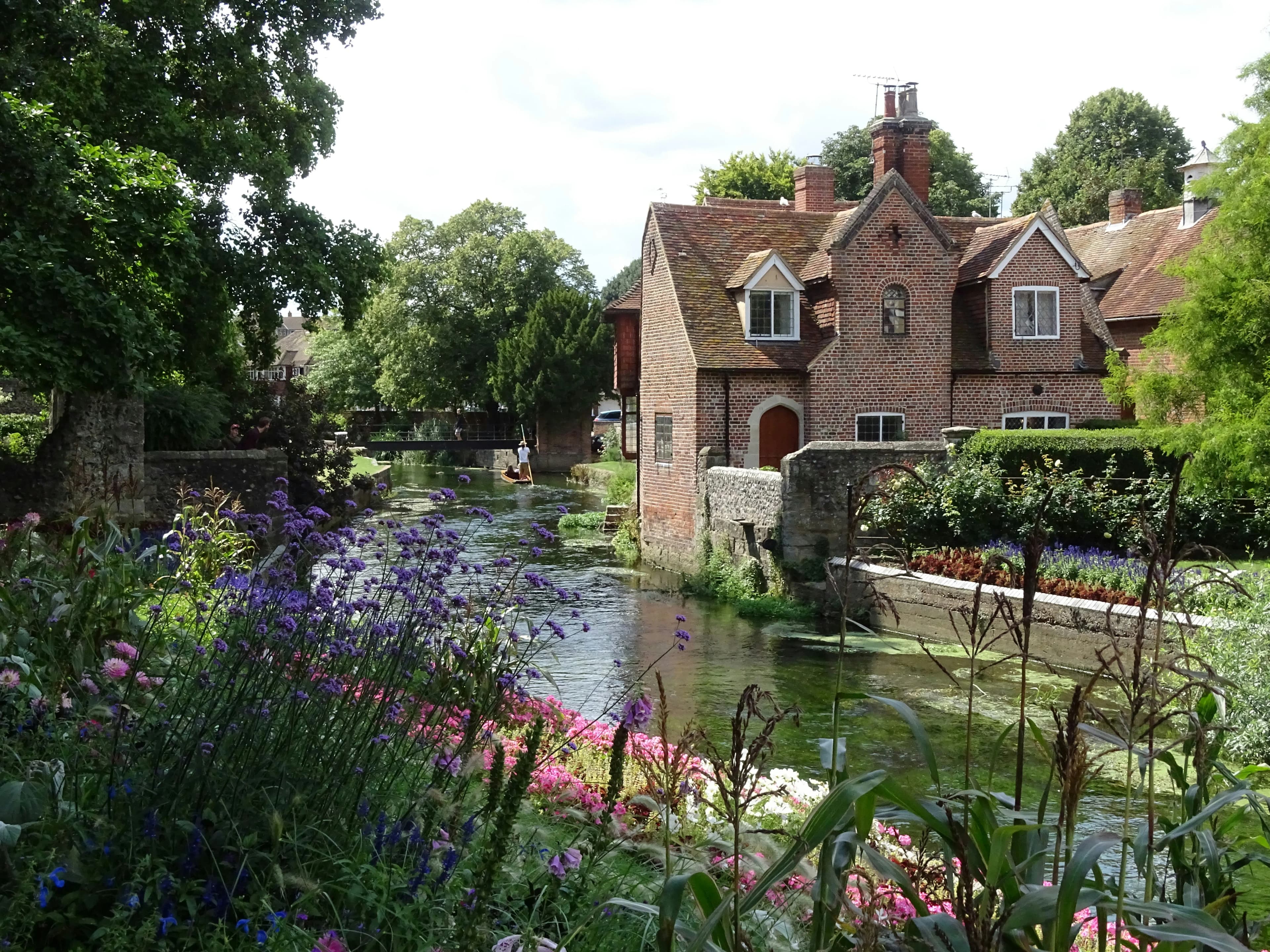
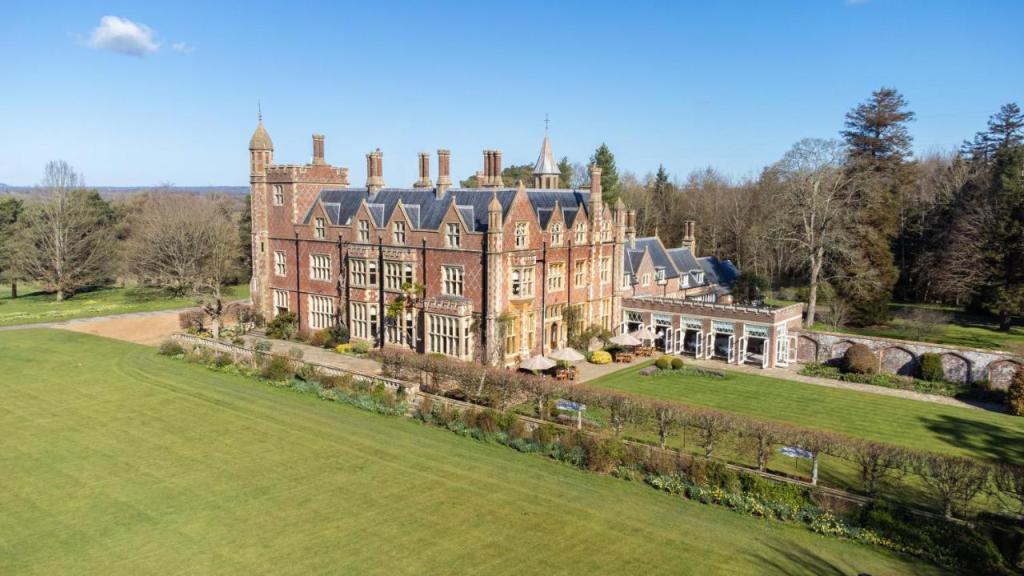
The North Downs and the garden heartland of mid-Kent offer a different proposition entirely. This is the county's agricultural core: orchards, vineyards, and hop gardens running between market towns such as Faversham, Tenterden, and Royal Tunbridge Wells. Properties here lean toward the country house tradition, with formal gardens, older fabric, and an orientation toward the rural rather than the maritime. Suite guests in this zone tend to prioritise space, quiet, and proximity to Kent's wine country.
The Thames Estuary and the Medway towns form a third distinct corridor. Less romanticised than the coast or the Weald, this industrial and maritime heritage belt contains Chatham's historic dockyard, Rochester's cathedral city, and a landscape shaped by river and estuary. Luxury accommodation here is more selective, but properties that exist tend to reflect the area's layered, often underappreciated, character.
When to visit Kent for a luxury suite stay
Kent's seasons have a clarity that rewards deliberate planning. Spring, from late March through May, brings the county's orchard blossom season: apple, cherry, and pear trees covering the Weald in brief, unrepeatable colour. Suite availability is generally good in early spring before the Easter weekend, which concentrates demand sharply.
Summer, from June through August, is peak season across the board. The coastal properties, particularly those near Whitstable and the Romney Marsh edge, fill quickly from June onward. The Kent coast has none of the infrastructure of a major seaside resort, which is precisely its appeal. Demand for well-appointed suites exceeds supply here in July and August, and lead times for booking the best rooms extend to several months.
Autumn is arguably the most rewarding season for the considered traveller. The hop harvest runs from late August into September, the vineyards begin their harvest from September into October, and the county's rural landscape takes on the amber and ochre tones that define its agricultural identity. October and early November offer excellent suite availability at more measured rates, with cooler temperatures that suit long drives through the Weald and afternoons by open fires.
Winter in Kent is quiet and genuinely so. The coastal towns empty, the country house properties offer a particular enclosed atmosphere, and the proximity to London makes Kent viable for short stays around the cultural calendar of both the capital and the county itself. The Turner Contemporary in Margate and the cultural infrastructure of Folkestone operate year-round.
Understanding luxury accommodation standards in Kent
England does not operate a state-administered prestige classification comparable to France's Palace designation. Quality signals in the English market work differently, through a combination of AA Rosette and Star ratings, the independent positioning of properties, and increasingly through editorial curation.
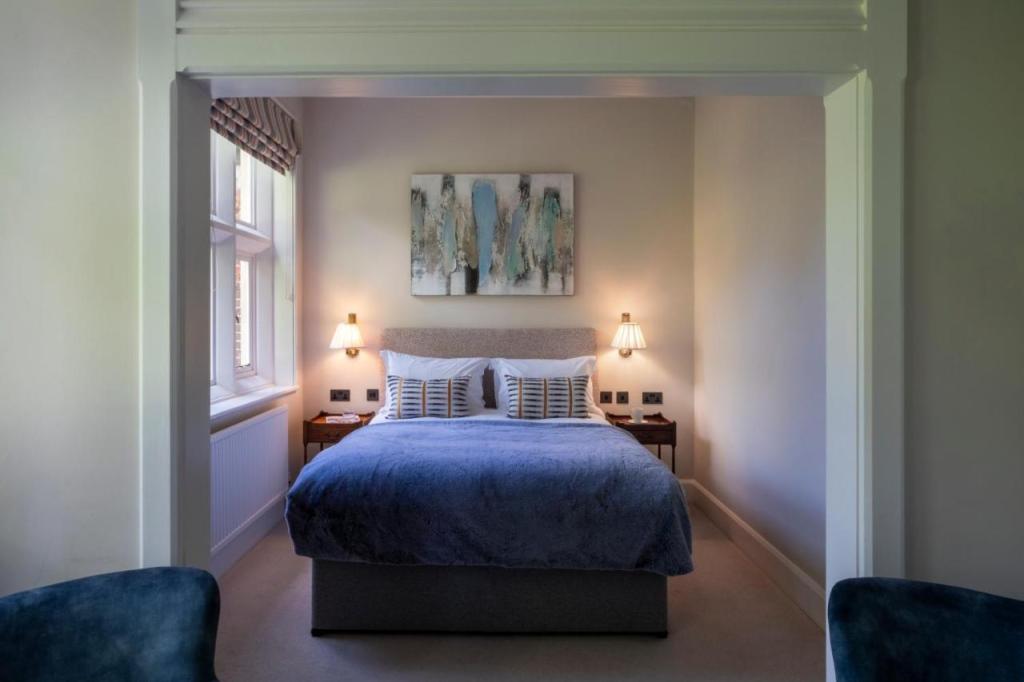
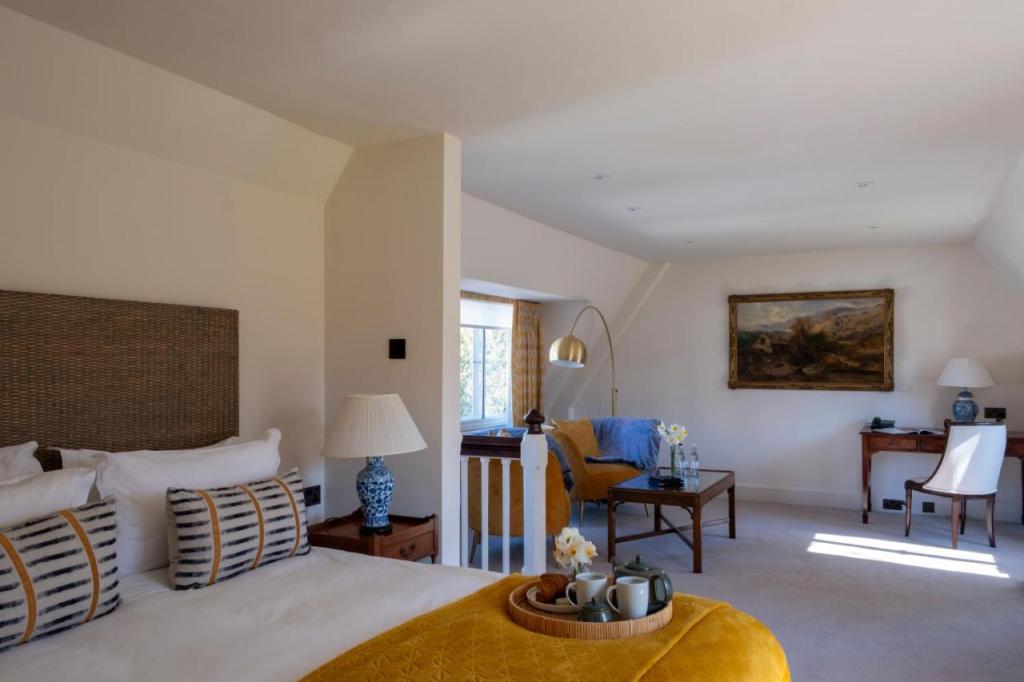
At the top of the Kent market, the reference points are the classic English country house hotel: properties with substantial acreage, period architecture, and a service philosophy rooted in understated attentiveness rather than formal ceremony. The best suites in these properties are defined by room volume, original architectural detail (panelling, ceiling height, sash windows), and a considered relationship between interior and landscape.
Kent's growing wine industry has also produced a new category of agricultural luxury property: estates oriented around viticulture, with accommodation integrated into working vineyard settings. These properties offer a different kind of suite experience, closer to the agriturismo model than the country house tradition, and increasingly well-regarded among a food and wine-oriented clientele.
Boutique coastal properties represent a third category. Smaller in scale, often occupying converted buildings rather than purpose-built hotels, they trade on design quality, location precision, and a sense of local rootedness. Suite-level rooms in these properties typically mean the largest and most architecturally considered rooms rather than dedicated suites in the formal sense.
How to choose the right luxury suite in Kent
The first consideration is orientation: coastal versus inland. These are genuinely different experiences, shaped by light, landscape, and pace. A suite overlooking the North Sea has a particular atmospheric quality that no country house property can replicate, and vice versa. Defining this preference early resolves a significant portion of the decision.
Architecture is a substantive differentiator in Kent. The county has a strong tradition of timber-framed buildings, oast houses converted from their original hop-drying function, and Georgian townhouses in its market towns. The suite experience inside a converted oast house is architecturally specific in a way that a purpose-built hotel room is not. Travellers with a strong design sensibility should prioritise properties where the architecture of the building is part of the offer, not merely a backdrop.
Proximity to Kent's vineyards and food producers is a practical consideration for stays oriented around eating and drinking. The county has an established cluster of serious producers in the Weald and along the North Downs ridge, and properties positioned within this orbit allow for a different kind of engagement with the landscape than coastal or urban stays.
Suite size and configuration matter particularly for longer stays or for guests travelling with family. Kent's country house properties tend to offer larger square footage and more traditional configurations. Boutique coastal properties may offer superior design quality but with more modest dimensions. Clarifying the priority between space and design sensibility saves significant time in the selection process.
Why a curated selection matters in Kent
Kent's luxury accommodation market is genuinely uneven. The county has exceptional individual properties, but it also has a significant number of hotels that market themselves at a luxury price point without delivering a suite experience that warrants it. The gap between the best and the merely expensive is wide.
The research process for identifying genuine quality in Kent requires cross-referencing editorial sources, navigating inconsistent photography standards, and reading through accommodation descriptions that rarely convey what actually differentiates a suite from a standard room. This friction is not trivial for a traveller whose primary asset is time.
La Suite's curated selection of luxury hotel suites in Kent addresses this directly. Each property in the selection is evaluated on architectural character, suite quality, service calibre, and genuine sense of place. The result is a reduced, reliable set of options rather than an exhaustive list. For the traveller who wants Kent's best without the research burden, the curated selection by La Suite is the appropriate starting point.