Where to stay in Lincolnshire: distinct areas and their character
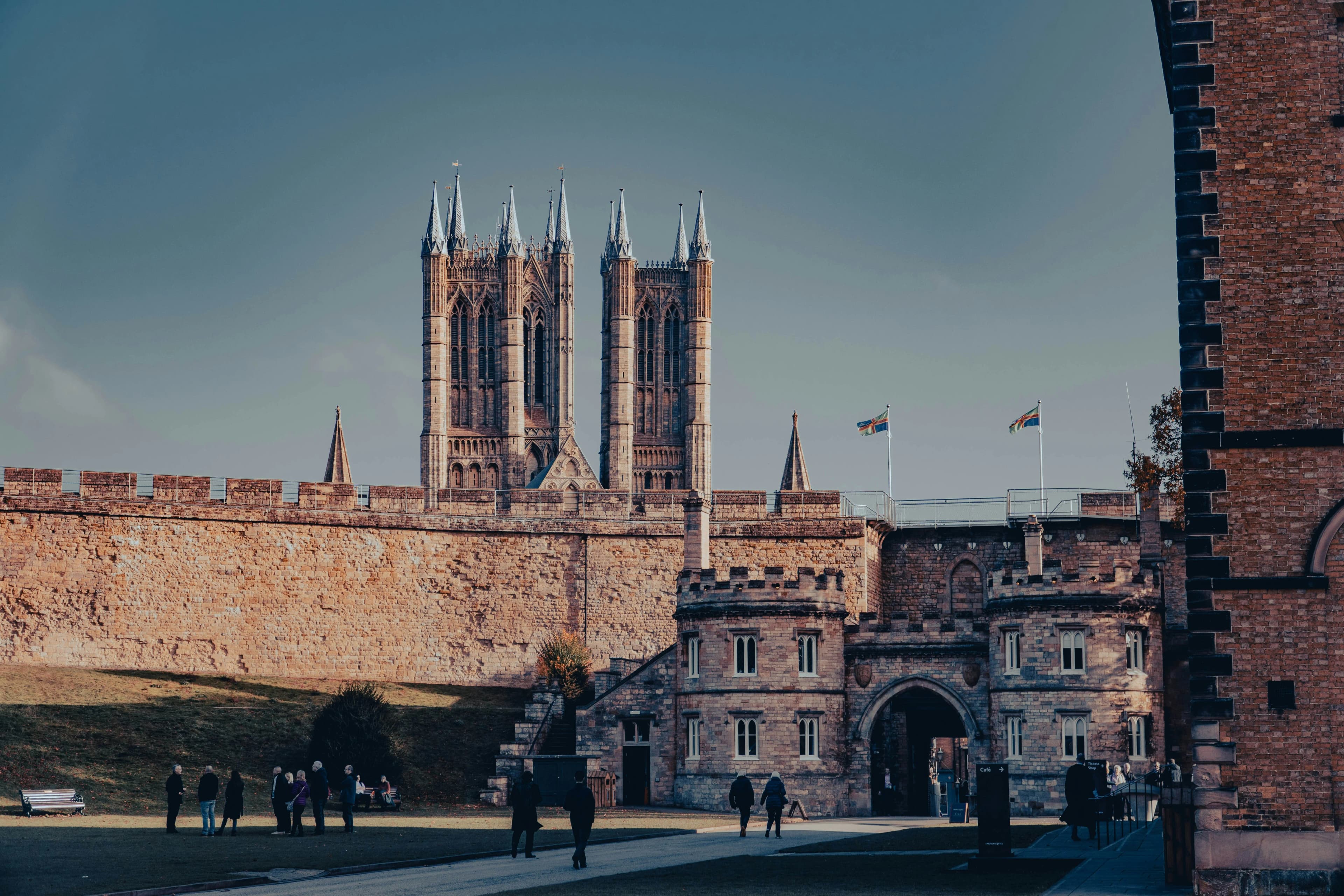
The city of Lincoln anchors the county culturally. Positioned on a limestone ridge above the lower plain, it contains one of the finest Gothic cathedrals in northern Europe and a concentrated medieval quarter around Steep Hill. Properties close to this zone offer immediate access to architecture, independent restaurants and the county museum infrastructure.
The Lincolnshire Wolds, a designated Area of Outstanding Natural Beauty, run through the east-central part of the county. This chalk upland landscape, with its deep lanes, estate farmland and market towns such as Louth and Horncastle, supports a quieter form of English countryside stay. The Wolds have an almost unselfconscious quality: they have not been marketed aggressively, which preserves a certain integrity for those who seek them out deliberately.
The Lincolnshire coast, stretching from Cleethorpes south to the Wash, presents a different proposition entirely. The coastal villages and nature reserves here, including the Gibraltar Point National Nature Reserve, attract a visitor interested in saltmarsh ecology, bird migration and open water. Luxury accommodation in this zone tends to be smaller in scale and more architecturally particular.
Finally, the historic market towns of the south, including Stamford, which retains one of the best-preserved stone townscapes in England, represent a third typology. Stamford in particular sits on the boundary with Rutland and the Nene Valley, giving access to both Lincolnshire's heritage and a broader East Midlands cultural geography.
When to visit Lincolnshire for a luxury suite stay
Lincolnshire operates on a different seasonal logic from coastal resort counties. Spring, from late March through May, brings the tulip fields of the South Holland district into colour, a spectacle with genuine visual weight that draws comparison with the Dutch bulb landscapes. This period also sees Lincoln's cultural calendar begin to accelerate ahead of the summer.
Summer, from June through August, is the most practical season for the Wolds and the coast. Days are long, the agricultural landscape is at its most legible, and the Lincolnshire Show, one of England's longest-running agricultural exhibitions, takes place in June. For those interested in aviation heritage, the Lincolnshire Aviation Heritage Centre at East Kirkby and the annual air shows at RAF Coningsby and Scampton are significant calendar points.
Autumn carries particular merit for the county's food culture. Lincolnshire is a serious agricultural producer: its sausages hold Protected Geographical Indication status, and the county's potato, brassica and game production is substantial. October and November allow engagement with the harvest cycle and with game shooting on the county's estates.
Winter in Lincoln has an underappreciated quality. The Christmas market, held annually in the cathedral quarter, is one of the oldest and most architecturally coherent in England. Staying in the city during this period, from a well-positioned suite, allows access to the market without the logistical friction of a day trip.
Understanding luxury standards in Lincolnshire
England does not operate the formal hotel classification tiers found in France, where the Palace designation carries regulatory weight. In Lincolnshire, as across the English regions, luxury is expressed through a different set of signals: historic house conversions, membership of small independent hotel collections, AA rosette ratings for dining, and the quality of estate or grounds attached to the property.
The county's luxury offer tends toward the country house hotel typology rather than the urban luxury tower format more common in London or Manchester. This means that suites here typically feature period architectural detail, garden or parkland access, and a relationship with the surrounding landscape that a city property cannot replicate. Original sash windows, stone fireplaces and high ceilings are architectural features that appear with regularity in this category.
Service standards in the top tier of Lincolnshire properties are consistent with the broader English country house tradition: attentive without formality, knowledgeable about the local food and landscape, and oriented toward privacy. The properties that meet La Suite's curation standard are those where the physical space and the service offer are genuinely calibrated to each other.
How to choose the right luxury suite in Lincolnshire
Several practical considerations shape the suite selection process in this county.
Architecture and setting
The choice between a converted Georgian manor, a Victorian rectory or a contemporary design-forward property is not merely aesthetic. Each implies a different spatial logic for the suite itself. Period properties tend to offer larger, more idiosyncratic rooms with original features; contemporary conversions offer more precise environmental control and modern bathroom specification. Knowing which matters to you is the first filter.
Proximity to specific itinerary anchors
Lincolnshire's attractions are geographically dispersed. Lincoln Cathedral is not close to the Wolds. The coast is not close to Stamford. A suite that works for one itinerary may add significant driving time to another. La Suite's editorial framework takes geography seriously as a selection criterion.
Access to grounds and outdoor space
For a county defined in part by its open landscape, outdoor access from a suite is a meaningful variable. Properties with private gardens, direct countryside access or working estate land offer a qualitatively different stay from those operating in more constrained urban settings.
Dining provision
Lincolnshire does not have a dense concentration of destination restaurants in the way that some English regions do. The quality of in-house dining at a country house hotel therefore carries more weight here than in a city context. Properties with AA-rosette kitchens or a clear commitment to local sourcing represent a more complete offer.
Why a curated selection by La Suite matters for Lincolnshire
Lincolnshire's relative unfamiliarity on the international luxury travel circuit creates a specific problem for the high-end traveller: the available information is uneven, the marketing of individual properties is inconsistent, and the gap between a property's self-presentation and its actual standard can be significant.
La Suite approaches this county with the same editorial rigour applied to better-known destinations. The curated selection by La Suite removes the friction of research and provides a filtered set of properties where the suite itself, not merely the hotel brand, has been assessed. For a county that rewards the traveller who approaches it with intention, this distinction matters.