Why Marylebone stands apart in London's luxury hotel landscape
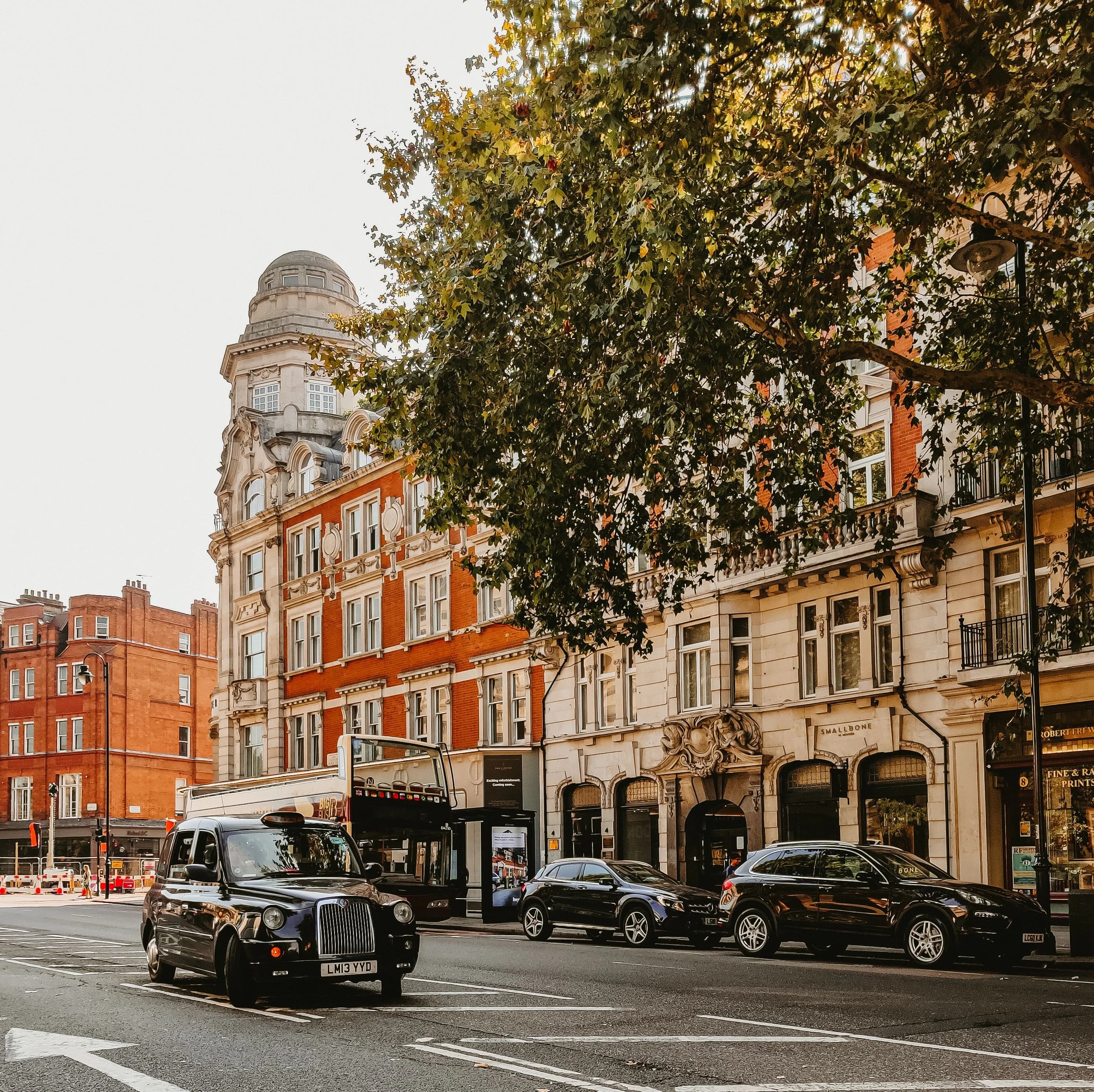
For the traveller seeking a luxury hotel suite in London, Marylebone offers something the more obvious choices do not: a grounded sense of place. Staying here means waking to a neighbourhood that operates on its own terms, with specialist bookshops, medical institutions of international repute, food markets, and independent retailers coexisting without the performative quality of Knightsbridge or the financial density of the City.
The distinct areas within Marylebone worth understanding before you book
Marylebone High Street and its immediate surrounds
The High Street itself is the social spine of the neighbourhood. It runs south to north and concentrates most of the retail and dining activity that has made Marylebone a destination in its own right over the past two decades. A suite positioned close to this axis offers immediate access to a curated street-level experience: the Conran Shop's outpost, quality independent grocers, and restaurants that serve a local clientele rather than a tourist one. The architecture here mixes Victorian commercial buildings with earlier Georgian remnants, producing a visual rhythm that rewards attention.
The Harley Street corridor
West of the High Street, Harley Street and its parallel roads carry a very different register. This is the address of choice for London's private medical establishment, and the buildings reflect an earlier era of professional seriousness. Suites in hotels near this corridor tend to attract a guest profile that values absolute quiet, efficient service, and proximity to consultations. The streets are calm by London standards, and the scale of the buildings, predominantly four to five storey terraces, creates an environment with no visual noise.
Regent's Park fringe
The northern edge of Marylebone dissolves into the parkland of Regent's Park, one of the Royal Parks and notable for its Neoclassical terraces designed by John Nash in the early nineteenth century. A hotel suite within walking distance of the park offers access to a London that most visitors never encounter: 410 acres of formal gardens, the boating lake, and the Inner Circle rose garden. For guests who run, cycle, or simply require morning air without negotiating traffic, this fringe position is architecturally and practically significant.
When to visit Marylebone for the best suite experience
London does not have an off-season in the conventional sense, but Marylebone responds particularly well to certain times of year. Late spring, specifically May and early June, brings the neighbourhood into its best condition: the garden squares are in full leaf, the light quality in the late afternoon is exceptional, and the cultural calendar in the surrounding city is at its most active without the compression of high summer crowds.
September and October represent a second window. After the August plateau, London's institutional life resumes. Frieze Art Fair, held in Regent's Park each October, draws a guest profile closely aligned with the Marylebone suite traveller: collectors, gallerists, and design-literate visitors from across Europe and North America. Suite availability during Frieze week compresses quickly, and rates reflect the demand. Booking three to four months in advance for this period is a practical necessity rather than a suggestion.
December carries its own logic. The neighbourhood's independent retail character makes it one of the more considered addresses for pre-Christmas visits, and the relative calm of Marylebone's streets contrasts with the retail intensity of Oxford Street two blocks south.
Understanding London's luxury hotel standards in this context
The United Kingdom does not operate a formal Palace designation of the kind used in France. The relevant quality tier for London's finest hotels is instead signalled through membership of organisations such as the Leading Hotels of the World, Forbes Travel Guide five-star status, and the AA's five-red-star classification. These frameworks reward consistency of service, suite specification, and food and beverage quality rather than simply the age or grandeur of the building.
In Marylebone specifically, the luxury hotel offer tends toward the boutique and the architecturally considered rather than the grand hotel tradition found in Park Lane or Piccadilly. Suites here are typically housed in converted Georgian or Edwardian properties, which means ceiling heights, room proportions, and natural light profiles differ substantially from purpose-built luxury towers. This is not a limitation. For many guests, the tactile quality of original plasterwork, working fireplaces, and sash windows represents a more authentic form of London luxury than a uniform high-rise suite can deliver.
What to assess when comparing suites in this district includes the floor, the orientation of the windows (south-facing rooms in London capture significantly more light given the latitude), the bathroom specification, and whether the property offers private dining or in-suite service at the level the guest expects.
How to choose the right luxury suite in Marylebone
The suite selection process in Marylebone requires a degree of architectural literacy. Because many properties occupy historic buildings, the floor plan of each suite is rarely standardised. A suite on an upper floor of a Georgian terrace may have lower ceilings than the principal floor below it, or the bathroom may have been carved from a former dressing room. Conversely, the grandest suites in converted properties are often on the first floor above ground level, taking advantage of the original reception room proportions.
Consider the purpose of the stay. Marylebone is particularly well suited to guests who are in London for a defined professional or cultural purpose: medical consultations at Harley Street, a run of gallery and auction house visits, or the Frieze and related fairs. For these guests, a suite that functions as a working environment as much as a sleeping one, with desk space, reliable connectivity, and a sitting room that can be used for private meetings, matters as much as the thread count of the linen.
For leisure stays, proximity to Regent's Park and the quality of the neighbourhood's food and retail offer are the practical differentiators. A suite with a private terrace or significant window aspect looking toward greenery commands a premium in London that is entirely justified by the scarcity of that condition.
Why a curated selection by La Suite changes the decision
London has hundreds of hotels and a substantial number of properties marketing suites of varying quality. The gap between a genuine luxury suite, designed and serviced with precision, and a standard room relabelled as a suite for pricing purposes is not always visible from a hotel's own website. La Suite applies consistent editorial criteria to every property it features, assessing suite specification, service architecture, and the coherence of the guest experience from arrival to departure.
For a district like Marylebone, where the hotel offer is genuinely varied and where the converted-building typology creates real differences in room quality across floors and orientations, this curation is practically useful. The La Suite selection removes the research burden and presents only the properties and suite categories that meet the standard a discerning traveller expects. It is a filter built for guests who have stayed in enough hotels to know what they do not want.