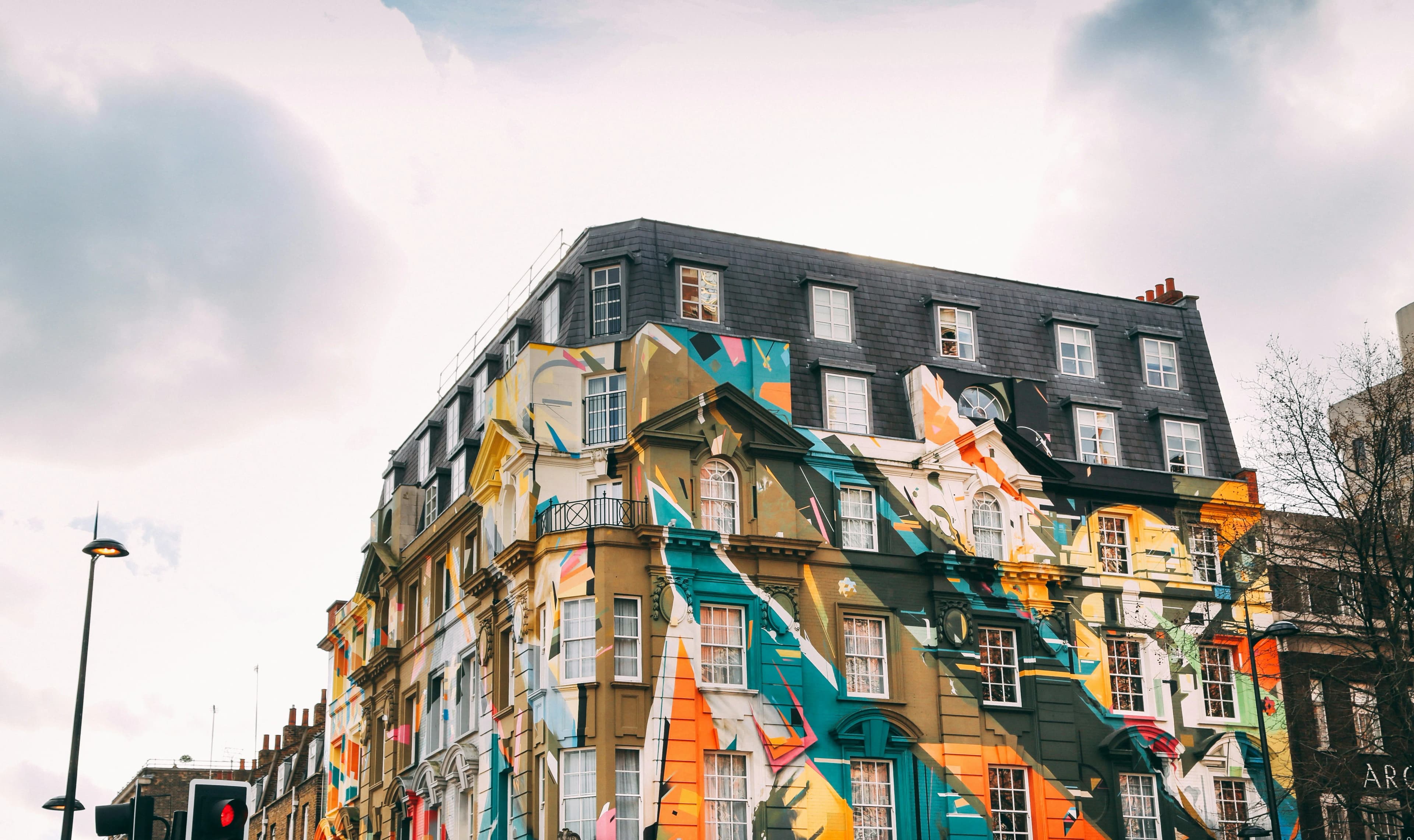
Why Shoreditch occupies a distinct position in London's luxury hotel landscape
Areas within Shoreditch and their distinct character
Boundary Street and the northern edge
The streets around Boundary Street, close to Shoreditch High Street station, represent the neighbourhood's densest concentration of cultural activity. Galleries, independent restaurants, and concept stores occupy repurposed warehouses and Victorian terraces. Hotels positioned here benefit from immediate access to this texture. Suite guests can move between a considered breakfast service and the Whitechapel Gallery or Rivington Street's gallery corridor within minutes on foot.
Old Street and the Hoxton corridor
Old Street, historically the gateway to the so-called Silicon Roundabout, carries a more commercial tone while retaining creative energy. The Hoxton area, which extends westward, has its own hospitality identity, with properties that have influenced how design-forward hotels are conceived globally. Staying here places guests within proximity of Clerkenwell's architecture district and the Barbican, one of Europe's most significant Brutalist residential and cultural complexes.
Brick Lane and the eastern perimeter
The eastern edge of Shoreditch, where it meets Spitalfields and Brick Lane, offers a different sensory register: denser, more layered in terms of cultural history, with traces of Huguenot, Jewish, and Bangladeshi communities visible in the built environment. Properties near this corridor offer access to some of London's most characterful street-level experience alongside the recent wave of upscale food and retail.
When to visit Shoreditch for a luxury stay
Shoreditch functions as a year-round destination, but certain periods sharpen the experience. London Fashion Week, held twice yearly in February and September, draws a concentrated wave of creative and commercial travel that animates the neighbourhood's hotels and restaurants. The Frieze Art Fair in October brings a different but equally design-literate audience to the city, and Shoreditch's gallery ecosystem intensifies around this period. Spring and early summer offer the most agreeable conditions for moving through the neighbourhood on foot, which remains the primary mode of access for anyone serious about experiencing it properly. December brings a particular atmosphere to the streets around Spitalfields Market and the Boundary Project rooftop.
Understanding the luxury standard in Shoreditch hotels
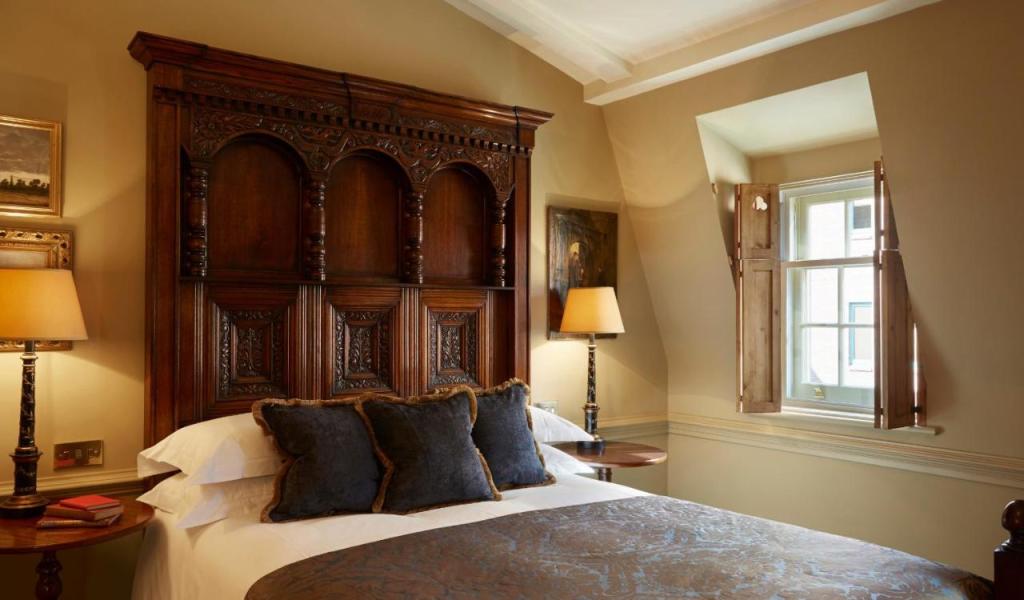
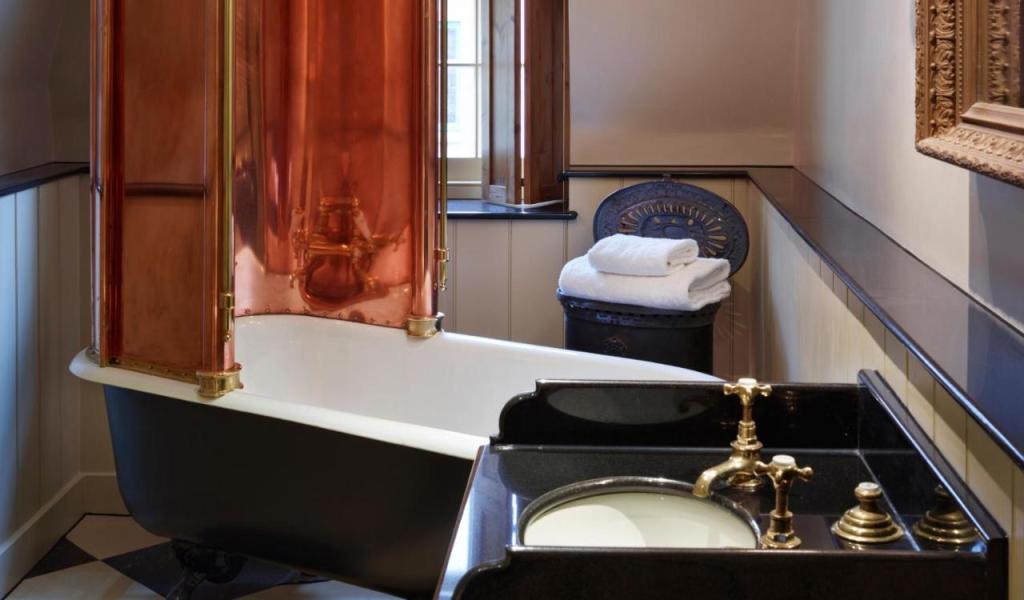
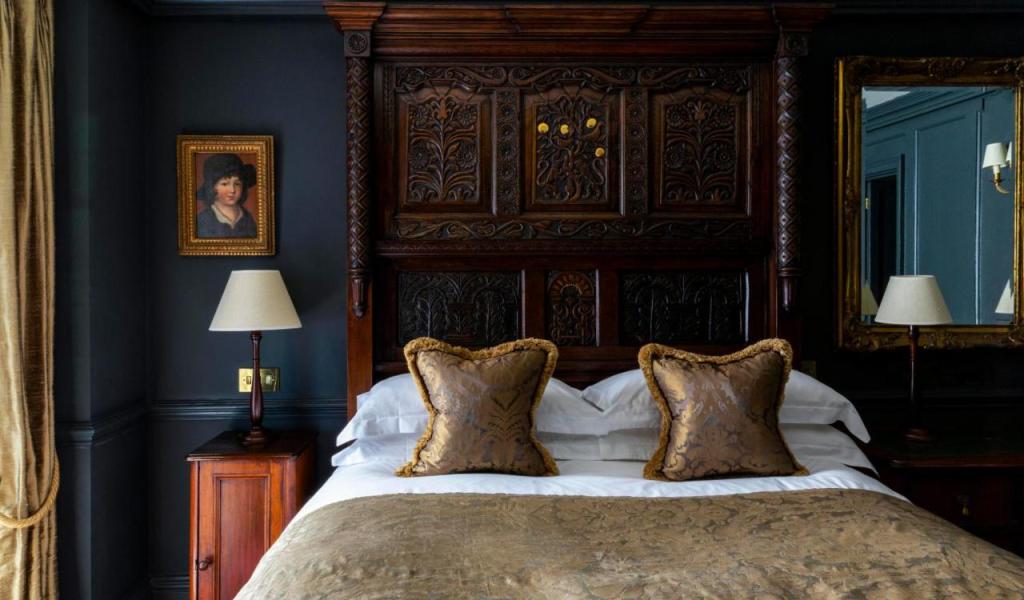
The United Kingdom does not operate a formal equivalent to France's Palace designation, but London's luxury hotel sector is self-regulating through a combination of market positioning, design investment, and service architecture. In Shoreditch specifically, the luxury standard is defined less by thread count and more by spatial intelligence. Suite configurations in this neighbourhood often prioritise open-plan living areas, industrial-scale windows drawing in natural light, and original architectural features that have been preserved rather than erased. Expect to find exposed concrete, reclaimed timber, and bespoke furniture programmes alongside high-specification bathrooms and modern technology infrastructure. The service model tends toward low-visibility, high-competence: discreet rather than ceremonial.
Several properties in Shoreditch have become reference points not only within London but within the broader conversation about what a design hotel can achieve. These are not boutique hotels in the diminutive sense. At the suite level, they offer square footage and specification that competes with the West End, delivered within a neighbourhood context that the West End cannot replicate.
How to choose the right luxury suite in Shoreditch
Purpose and itinerary alignment
Shoreditch is an appropriate choice for the traveller whose itinerary includes the City of London for business, the East End for cultural programming, and the broader creative infrastructure that extends from Dalston to Bermondsey. It is less optimal for those whose primary focus is Kensington museums, Mayfair retail, or West End theatre, though transport connections via the Overground and the Elizabeth line make most of the city accessible within reasonable time.
Architectural preference
A meaningful distinction exists between properties that occupy purpose-built contemporary structures and those that occupy converted Victorian or Edwardian buildings. Both categories are present in Shoreditch. The former tend to offer more consistent room volumes and modern acoustic performance. The latter carry spatial character and historical texture that purpose-built structures cannot manufacture. The choice between them is a matter of sensibility rather than hierarchy.
Scale and suite configuration
For extended stays, corporate visits, or travel with a companion or small group, the configuration of the suite itself warrants careful consideration. Living areas separated from sleeping zones, the presence of a working desk with adequate connectivity, and bathroom specifications that go beyond the functional are all considerations that La Suite's curation process addresses directly.
The value of a curated selection in this neighbourhood
Shoreditch's hotel market has expanded rapidly, and the distance in quality between properties marketed under similar descriptors can be considerable. The term luxury is applied loosely across a sector that ranges from well-designed budget concepts to genuinely high-specification suite hotels. Navigating this without a reliable curatorial framework is inefficient for the traveller whose time and expectations are not interchangeable with the general market. La Suite applies consistent criteria to its selection process: spatial quality, service architecture, design coherence, and the capacity of the property to deliver a stay that reflects the neighbourhood's character without flattening it. The curated selection by La Suite in Shoreditch is built on this basis, offering a direct route to the properties that meet the standard without the noise of the broader market.