The distinct areas of Norfolk and their luxury profile
The North Norfolk coast
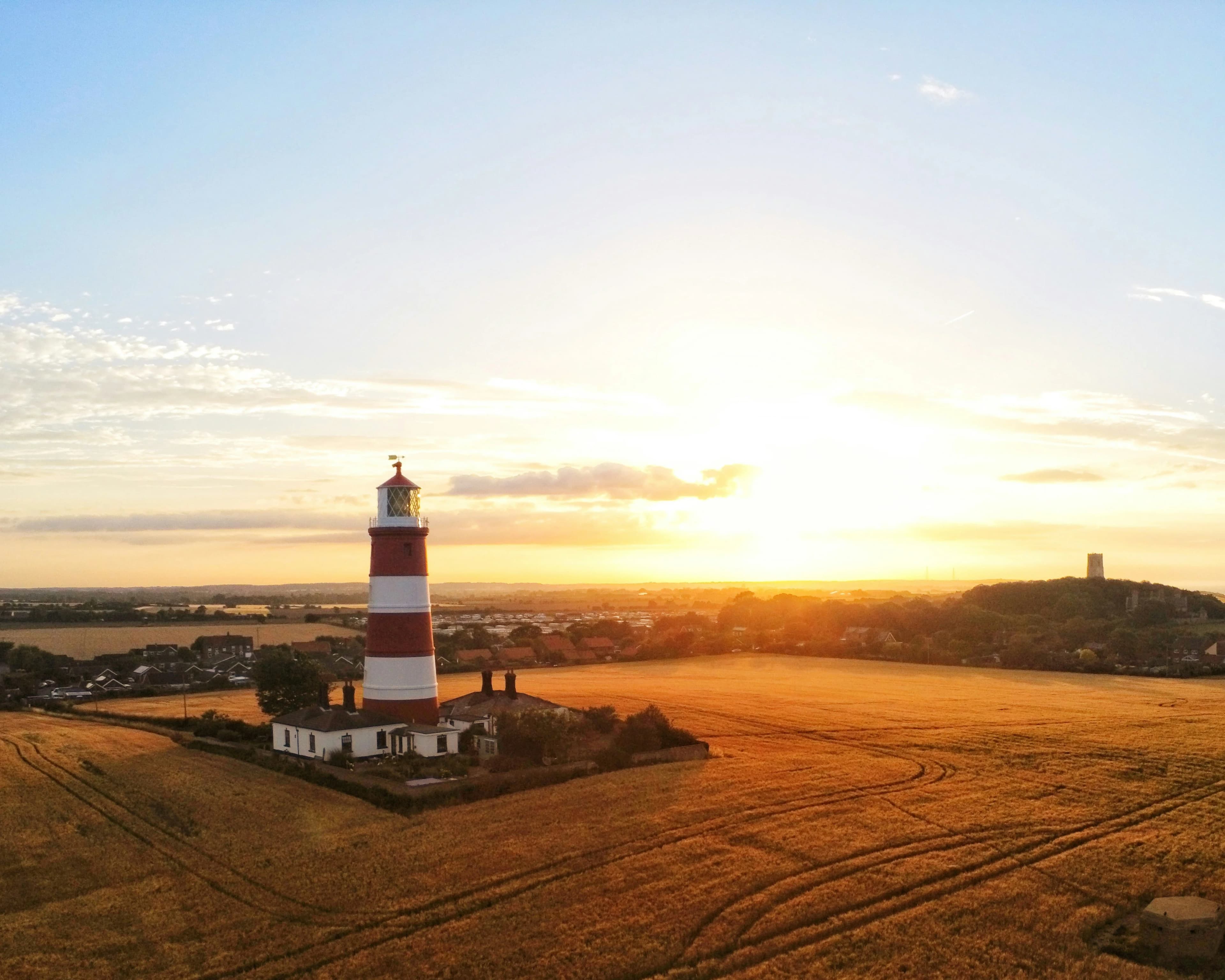
The stretch of coastline between Holkham and Cromer is the most concentrated zone of high-end hospitality in the county. The Area of Outstanding Natural Beauty designation here is not incidental: it has shaped the density and scale of development, keeping the coastline relatively intact. Villages such as Burnham Market, Brancaster, and Blakeney have become magnets for a London and international crowd that values restraint over spectacle. The architecture is predominantly Georgian and Victorian flint, and the best properties work with this vernacular rather than against it. Suites in this corridor tend to prioritize view, privacy, and access to the coast over size alone.
The Broads and inland Norfolk
The Norfolk Broads, a network of navigable rivers and shallow lakes covering roughly 300 square kilometres, offer a fundamentally different proposition. The pace is slower, the horizon flatter, and the appeal is spatial rather than architectural. Luxury here often comes in the form of converted mill houses, estate lodges, or country house hotels set within working farmland. The audience is different too: couples seeking full withdrawal, families who want outdoor space without the logistical complexity of the coast, and travelers interested in the agricultural and artistic heritage of the county's interior.
South Norfolk and the market towns
Norwich and its surrounding market towns, including Holt and Swaffham, offer a more urban interpretation of Norfolk luxury. Norwich itself contains one of the finest medieval city centres in England, with the cathedral close and the castle providing architectural anchors of genuine weight. The hotel offer here skews toward converted historic buildings: coaching inns, merchant houses, and former banking halls adapted for contemporary use. For travelers who want cultural density alongside comfort, this part of the county delivers a different rhythm from the coastal properties.
When to visit Norfolk for a luxury suite stay
Norfolk is not a destination with a single optimal season. Each quarter offers a distinct version of the county.
Spring, from late March through May, is the period when the landscape shifts most dramatically. The marshes fill with migratory birds, the light on the coast is clear and cold, and the major properties are less occupied than in summer. This is the preferred window for travelers who want full suite availability and attentive service without peak-season pressure.
Summer, from June through August, brings the highest demand and the most animated version of the coast. The beaches at Holkham and Wells-next-the-Sea attract significant visitor numbers. Suite availability at leading properties tightens considerably, particularly over school holidays. Booking three to six months in advance is a practical minimum for this period.
Autumn, from September through November, is arguably the most rewarding season for the discerning traveler. The summer crowd recedes, the quality of light in the late afternoon across the marshes is exceptional, and the game season brings a particular energy to the inland estates. Many properties operate private shooting days or partnerships with local estates during this period.
Winter offers the starkest version of Norfolk. The coastline under low cloud and winter tides is severe in a way that has inspired painters and writers for generations. Properties that function year-round often deliver their most focused hospitality in this season, with fewer guests and a more personal cadence of service.
Understanding luxury standards in Norfolk
England does not operate the French Palace classification system, and Norfolk specifically does not have a concentration of five-star rated hotels comparable to London or the Cotswolds. The luxury credentials of a property here are better read through other indicators: the quality of the kitchen and its relationship to local producers, the thread count and provenance of linens, the extent and maintenance of the grounds, and the caliber of the staff-to-guest ratio.
The country house hotel is the dominant format for high-end hospitality in Norfolk. These are properties that have typically been adapted from Georgian or Victorian manor houses, and their quality varies considerably. The best of them operate with a genuine editorial sensibility: the art has been chosen, the furniture has provenance, and the suite is a considered space rather than a room that has simply been enlarged.
A growing number of properties in the county operate on a more contemporary model, combining local materials and craft with architectural interventions that bring natural light and landscape into the guest experience. These tend to appeal to a design-literate audience that finds the conventional country house format too referential.
How to choose the right luxury suite in Norfolk
The first consideration is orientation. A suite facing the salt marshes at dawn is a categorically different experience from one looking over a walled garden or a stretch of agricultural land. Given that landscape is the primary reason most travelers choose Norfolk, the view from the suite deserves the same weight as the room's interior specification.
The second consideration is the relationship between the property and the food it produces or sources. Norfolk has a strong agricultural identity, and the best properties have formal or informal relationships with local farms, fisheries, and producers. A suite stay that includes breakfast from the estate kitchen garden or a dinner built around Wells whelks or Cromer crab represents a different quality of experience from one that treats dining as a secondary function.
The third consideration is access. The North Norfolk coast is not easily navigable without a car, and some of the most private properties are set back from navigable roads. Understanding travel logistics in advance, particularly if arriving from London or via Norwich airport, is a practical element that affects the quality of arrival.
Why a curated selection by La Suite matters in Norfolk
The Norfolk hotel market is fragmented and unevenly reviewed. A significant number of properties claim a luxury positioning that is not consistently supported by the suite product itself. The gap between marketing language and the actual room experience is measurable, and it is a gap that a specialist curation platform exists to close.
La Suite applies a consistent editorial standard across every property in its selection. That standard covers the physical suite: dimensions, light, materials, and privacy. It covers the service architecture: how a property handles arrival, what it offers in-suite, and how it responds to specific requests. And it covers the wider stay experience: grounds, dining, and the property's relationship to its location.
For a county like Norfolk, where the best properties are not always the most visible, curation by La Suite offers a direct route to the suites that justify the investment. The selection is updated continuously, and the editorial position is independent.