Where to stay in Oxfordshire: areas and their distinct character
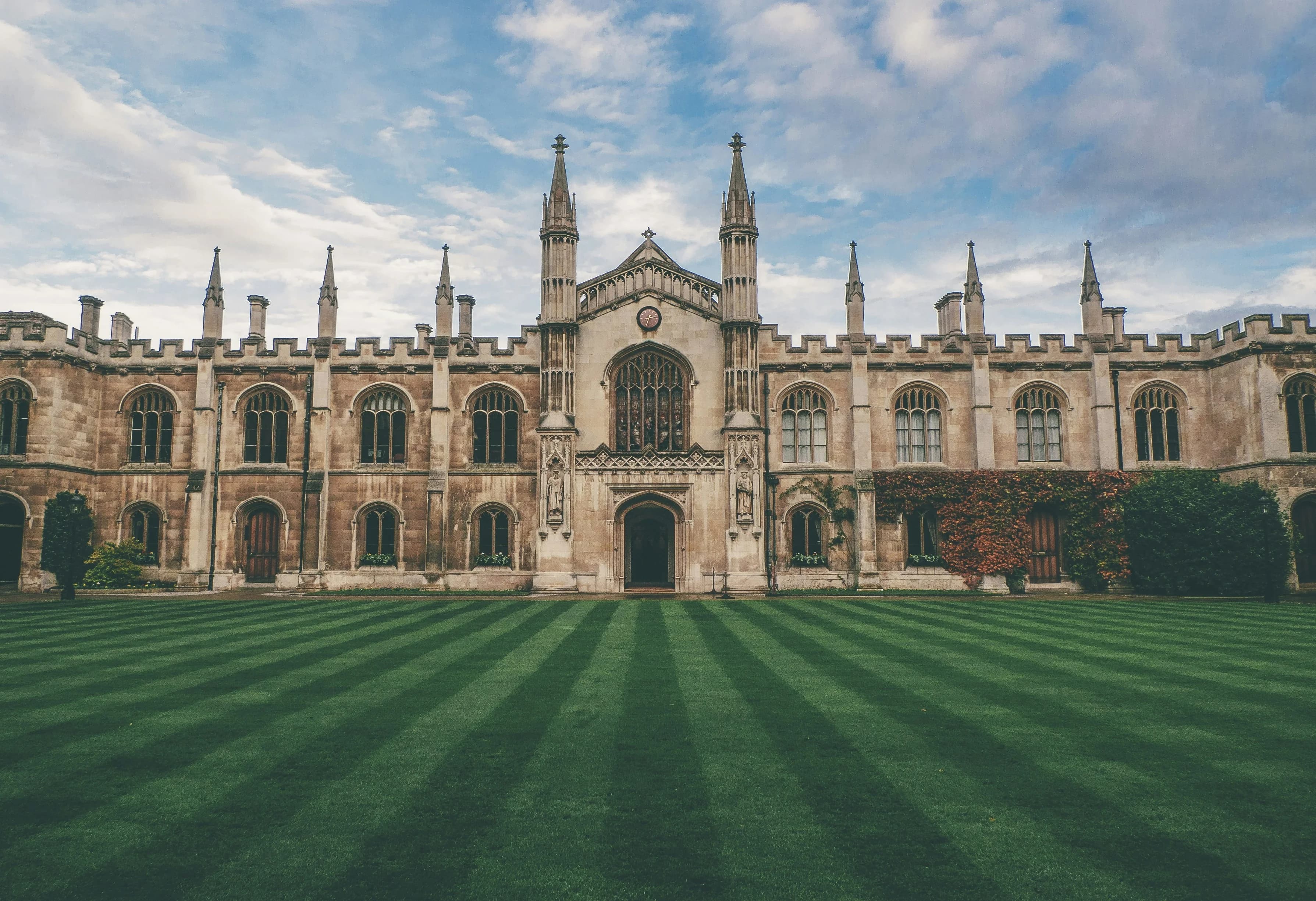
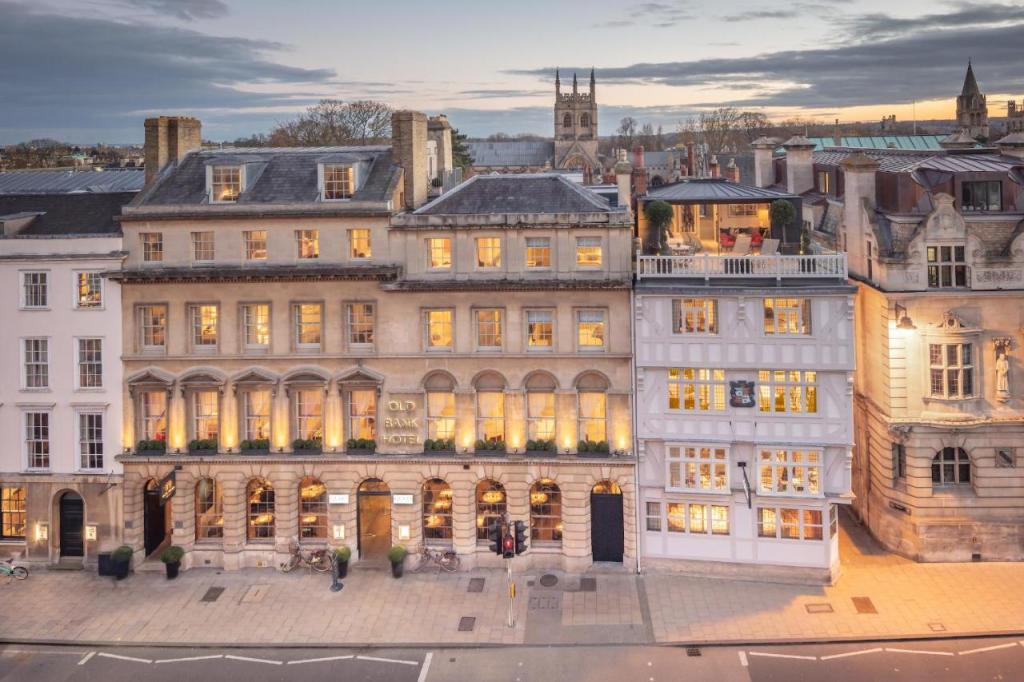
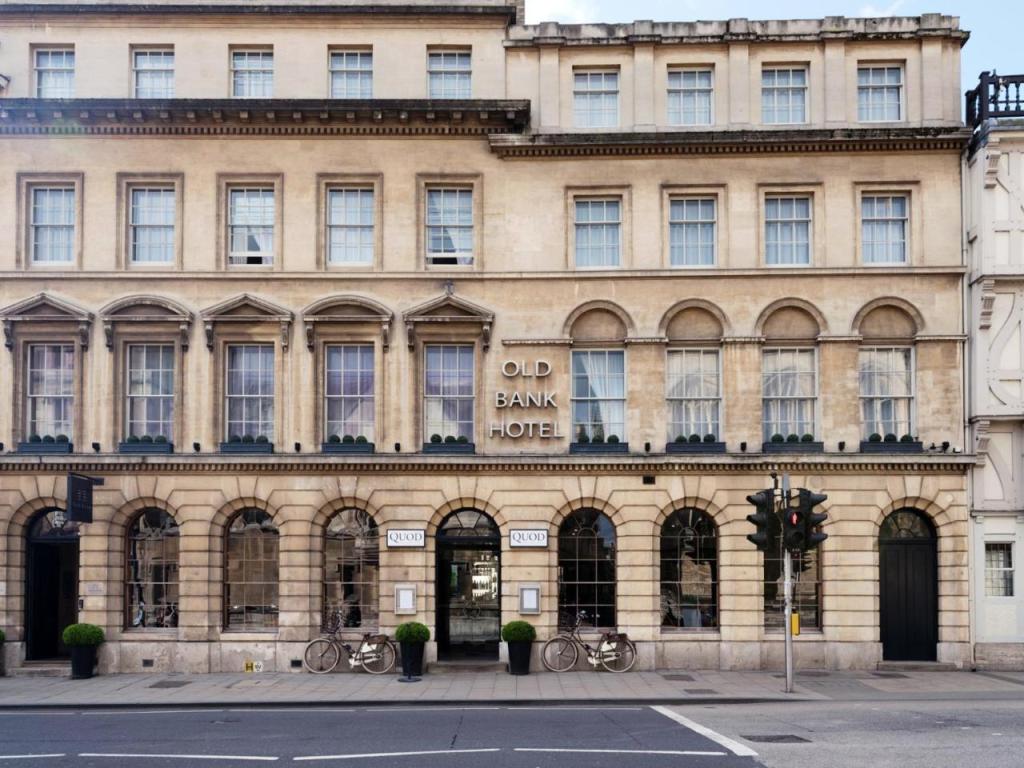
The area around Oxford itself attracts those who want proximity to the city's academic architecture, its museums, and its exceptionally high density of cultural programming. Properties here tend to occupy Georgian townhouses or Victorian buildings adapted for contemporary hospitality. Privacy is possible, though the urban grain means that suite life here is more about refined interiors than grounds and horizon.
Moving northwest, the Cotswold fringe around Chipping Norton and Burford offers a different proposition entirely. The stone here is a warm oolitic limestone that gives every building an immediate sense of age and weight. Country house hotels in this corridor often occupy former estates with formal gardens, kitchen gardens, and woodland. Suites in these properties are frequently housed in the original principal rooms, with ceiling heights and window proportions that modern construction cannot replicate.
To the south and east, the Thames Valley corridor between Oxford and Henley-on-Thames runs through a quieter, more pastoral England. The river itself is a defining feature: several properties sit within sight or sound of the water. This zone suits travellers who want long walks, rowing, and the particular quietness of English riverside countryside in early morning.
Further north, toward Woodstock and Blenheim Palace, the landscape opens into parkland. The town of Woodstock is small and well-preserved, and the proximity to Blenheim makes this corner of the county a logical base for anyone combining cultural visits with an extended stay in a considered property.
When to visit Oxfordshire for a luxury stay
Oxfordshire rewards visits in every season, though each has its own logic for the suite traveller.
Late spring, from May into June, brings the county into full bloom. Kitchen gardens and ornamental grounds in the great country house hotels reach their best condition. Light is long and temperatures are moderate. This is also the season of the Oxford literary festivals and the start of the punting season on the Cherwell and Isis rivers.
Summer (July and August) brings the highest demand for suites across the county. Henley Royal Regatta in early July, held on the Thames, draws a specific clientele and occupies most available rooms within a wide radius. The Goodwood Festival of Speed is within reasonable driving distance. Advance planning is essential during these weeks.
Autumn is, by many measures, the finest season. The Cotswold stone turns deeper in the low October light, the crowds thin, and the county's food culture comes into its own with game season, truffle events, and harvest menus at the best hotel restaurants. Suite rates are often more accessible, and availability improves significantly after September.
Winter, particularly December, brings a different kind of appeal. Several of Oxfordshire's country house hotels invest seriously in their Christmas and New Year programming. A large suite in a stone manor, with working fireplaces and formal dining, is a specific product that the county does particularly well.
Understanding luxury standards in Oxfordshire
England does not operate the formal Palace designation used in France, but the country house hotel category carries its own implicit hierarchy that experienced travellers recognise immediately.
At the top of the market in Oxfordshire, properties are defined by their architectural fabric first. A Grade I or Grade II listed building carries legal protections that constrain what owners can alter, which means that original plasterwork, stone fireplaces, panelling, and proportioned rooms survive in a way that they do not in later construction. When a suite occupies the original principal bedroom of a seventeenth or eighteenth century manor, it brings a material quality that is genuinely rare.
Service standards in the best Oxfordshire properties follow a quietly confident model. Staff-to-guest ratios in the leading houses are high. There is an expectation of discretion over display. The best properties here do not perform luxury theatrically; they deliver it through consistency, fabric, and food quality.
Spa facilities in Oxfordshire's country house hotels vary considerably. Some of the most architecturally important properties have chosen to minimise or contain their spa footprint to protect the integrity of the original buildings. Others have built contemporary spa wings that sit alongside the historic core. Both approaches exist at a high standard; the choice depends on how central a spa experience is to the stay.
How to choose the right suite in Oxfordshire
Several practical considerations apply specifically to Oxfordshire when selecting a luxury hotel suite.
Historical properties often have suites that differ substantially from one another in terms of layout, light, and character. A suite in the main house of a country estate will feel different from one in a converted stable block or coach house annexe. The annexe options are frequently larger and more private, but may lack the original architectural details of the principal building. It is worth understanding this distinction before confirming a reservation.
Garden access is a meaningful differentiator in this county. A suite with a private terrace or direct garden access changes the character of a stay in a way that an upper-floor room with a view does not. For families or guests travelling with dogs (many Oxfordshire properties are dog-friendly), ground-floor garden access is a practical requirement worth confirming in advance.
Driving distances within Oxfordshire are modest but the road network between villages is narrow. Properties that appear close on a map may require twenty to thirty minutes of single-track lanes. This is not a difficulty, but it shapes how a multi-destination itinerary should be structured.
Connectivity is improving but uneven. Some of the most celebrated rural properties still have limited mobile coverage and deliberately restricted wifi. For guests whose stays require working capacity, this is a specific question to address before arrival rather than after.
The value of a curated selection in Oxfordshire
Oxfordshire has a high density of properties that market themselves as country house hotels, but the range of actual quality is wide. The distance between a genuinely exceptional suite in a listed manor and a standard room in a converted building carrying the same category label is considerable.
La Suite applies a consistent editorial standard to the properties it lists in Oxfordshire, focusing on suite-specific quality rather than general hotel reputation. The factors that matter most in this county: the architectural fabric of the principal rooms, the grounds and their privacy, the kitchen and its sourcing, and the staff model. A curated selection by La Suite removes the research burden of navigating a market where category labels are inconsistent and photographs rarely convey the full reality of a suite's proportions or position within a building.